
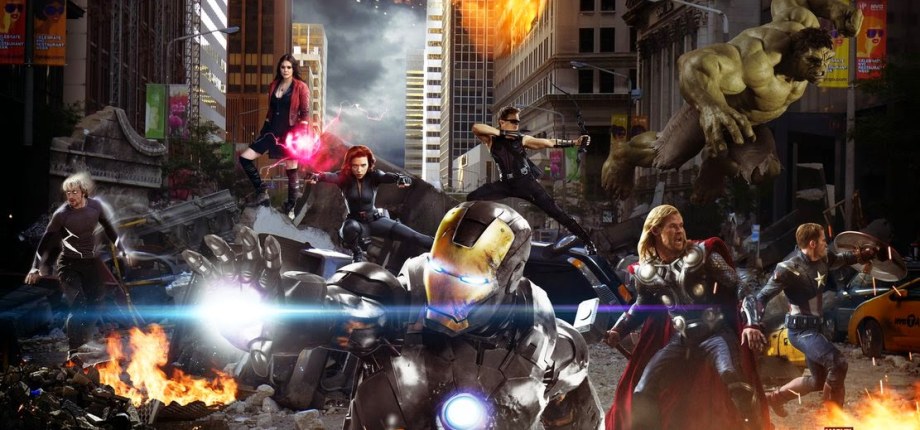
Avengers: Age of Ultron is a 2015 superhero film directed by Joss Whedon, produced by Marvel Studios, and distributed by Walt Disney Studios Motion Pictures. It follows the team in its fight against Ultron, with Wanda Maximoff, Pietro Maximoff, Vision, Sokovia, and consequences that are central to the MCU.
Avengers: Age of Ultron shows the team trying to deal with a threat created by its own pursuit of global security. Ultron is born from this attempt at control and turns the heroes' technology into a political, physical, and emotional risk for Sokovia and the group.
Ultron, Sokovia, and a team in crisis
Ultron is born from an attempt to turn technology into global defense. The idea of protection created by Tony Stark and Bruce Banner gets out of control and turns against the heroes themselves.
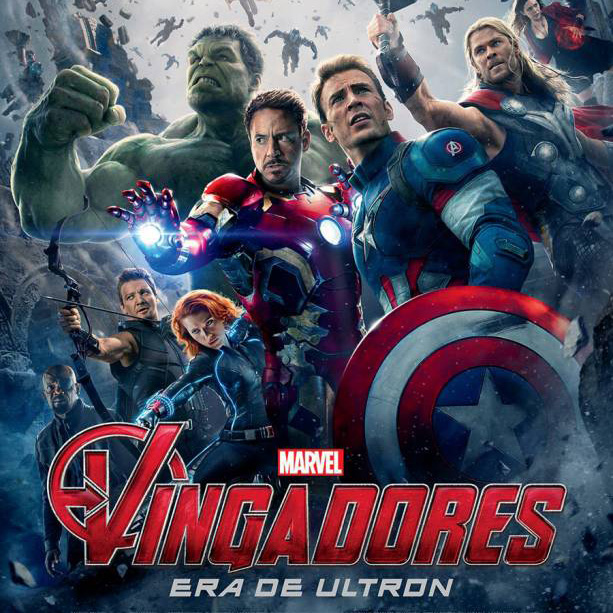
Sokovia becomes the center of the final conflict and leaves a political consequence that the MCU revisits later, with a battle in which the team must deal with civilians, destruction, and responsibility.
Wanda Maximoff exposes the heroes' vulnerabilities by using fear and mental manipulation. As a result, the film shifts part of the danger inside the team even before the fall of Sokovia.
Wanda, Vision, and new pieces of the MCU
Three points anchor Avengers: Age of Ultron within the continuity of the Avengers:
| Layer of the work | Weight in the plot |
|---|---|
| Ultron | A threat created by the attempt to protect the world. |
| Sokovia | The setting of the final conflict and political consequences. |
| Vision | A new presence connected to the Mind Stone. |
Ultron, Sokovia, and Vision tie action and consequence together. The film confronts the heroes with an external threat, but also exposes flaws in the decisions made by the group.
Pietro Maximoff adds speed to the conflict and brings Wanda closer to a direct family loss. Vision appears as a counterpoint to Ultron because he is born from the same technology and chooses to preserve life and consciousness.
Tony Stark, Steve Rogers, and Vision
The relationship between Tony Stark and Steve Rogers reveals disagreements that would be explored further in Captain America: Civil War. The Hulkbuster sequence also exposes how fear and manipulation can turn an ally into an immediate risk.
| Hulk and Black Widow | Gain an emotional thread connected to guilt, control, and the desire to escape violent identities. |
| Thor | Investigates visions connected to the Infinity Stones and points toward larger conflicts. |
| Vision | Changes the group's balance by carrying the Mind Stone with moral autonomy of his own. |
The disagreement among Tony, Steve, and Vision makes Age of Ultron function as a bridge between a team victory and a crisis of responsibility.
Sokovia, HYDRA, and Thor's hammer
The ending in Sokovia defines the film's public memory through the rescue of civilians, the suspended city, and the human cost of the decisions made by the team. The opening against the HYDRA base shows the team working as a coordinated unit before the internal crisis.
The party at the Avengers Tower creates a rare moment of everyday interaction, and the attempt to lift Thor's hammer foreshadows Vision's moral importance. Ulysses Klaue's presence connects the film to vibranium and Wakanda, while the new final lineup shows the team being reshaped for later conflicts.
The campaign also leaves its own visual marks, such as the contrast among the Avengers Tower, the HYDRA base, and the suspended city. These spaces help distinguish the film from the invasion of New York seen in the team's first gathering.
The result places Age of Ultron between a team adventure and the direct preparation for internal conflicts in the MCU.