
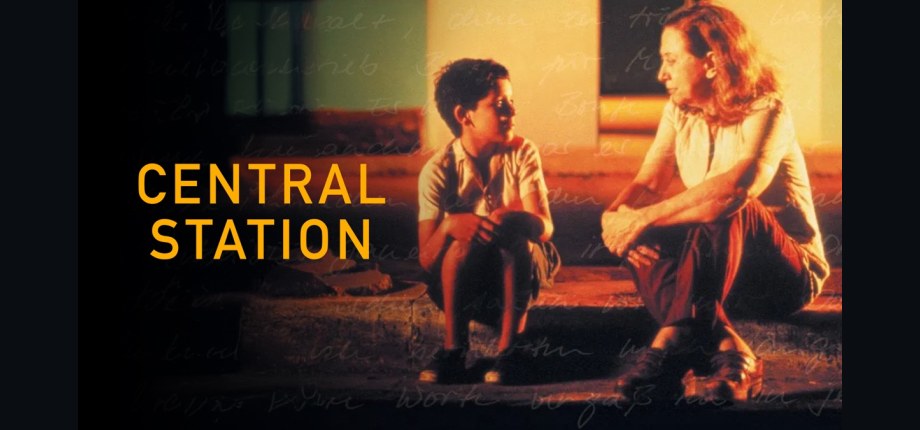
Central Station is the Brazilian drama directed by Walter Salles and released in 1998, in which Fernanda Montenegro plays Dora, a former teacher who writes letters for illiterate people at a railway station in Rio and ends up traveling with Josué, played by Vinícius de Oliveira. Its concrete distinction is making a road story grow out of undelivered letters, joining the station, family memory, and travel through the Northeast instead of reducing the film to a simple search for a missing father.
The relationship between Dora and Josué deepens because the film begins with the cold business of words and moves toward a life together marked by guilt, distrust, and growing affection. The character's conflict begins when Dora sells letters and controls their destination, while Josué loses his mother and insists on finding his father; along the way, the journey changes the function of writing and turns promises, addresses, and faith into forms of emotional survival.
Letters at the station and a journey through the Northeast
The Rio de Janeiro station serves as the first social portrait of Central Station, as different people bring their intimate stories to Dora in the hope of reaching distant relatives. The camera observes lines, voices, haste, and small requests, creating a strong contrast with the later road, where the film exchanges urban bustle for open landscapes and quieter encounters.
Travel through the interior changes the setting, since Dora must confront the cynicism she used for protection and Josué must learn that the search for one's origins does not always offer a direct answer. This crossing matters for understanding why the film remains tied to the characters' faces and to the places that force them to change.
| On screen | How it changes the journey |
|---|---|
| Letters | They hold promises, lies, and the hope of contact. |
| Road | It takes Dora away from the station and brings the pair closer to moral choices. |
| Josué | He turns the journey into a search for family and identity. |
The table helps by separating three forces that move together in Central Station, and the film gains depth when the written word, physical space, and desire to belong put pressure on the same relationship.
Dora, Josué, and Brazil beyond the station
Fernanda Montenegro sustains Dora as someone marked by weariness and self-defense, without asking for the audience's immediate sympathy. Vinícius de Oliveira gives Josué a direct energy, making his search for his father collide with the coldness Dora tries to maintain at the beginning of the journey.
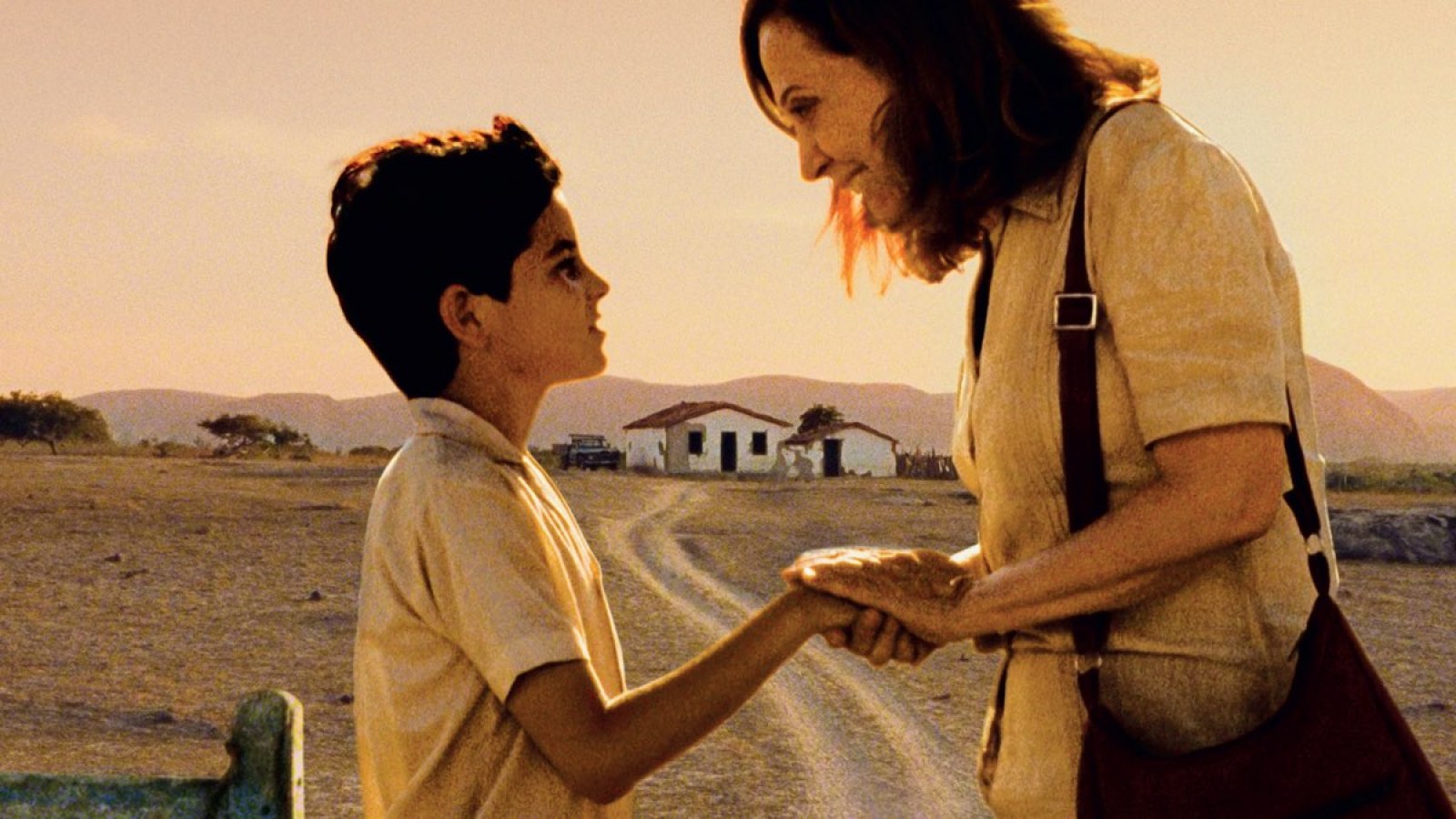
Walter Carvalho's cinematography follows this change in temperature. The station appears as a place of noise and negotiation, while the road makes room for silence, waiting, and small gestures that bring the two characters closer.
The screenplay by Marcos Bernstein and João Emanuel Carneiro builds emotion through accumulation. A saved letter, a ride, or an argument begins to matter more than long explanations, preparing the ending as a farewell built step by step.
Berlin, the Oscars, and international circulation
Central Station won the Golden Bear at the 1998 Berlin Film Festival and earned Fernanda Montenegro the Silver Bear for Best Actress. This circulation took the film to the 1999 Oscars, with nominations for Best Foreign Language Film and Best Actress.
The international title Central Station appears in stores and foreign pages, while the Brazilian name preserves the direct connection with the Rio railway station. Using two titles helps locate the work in award catalogs, digital services, and international pages.
Fernanda Montenegro's nomination remains a landmark for Brazilian acting in a feature spoken in Portuguese. International recognition does not take the film away from its central point: the relationship between Dora and Josué, born from letters that first seemed like merchandise and later became a promise.