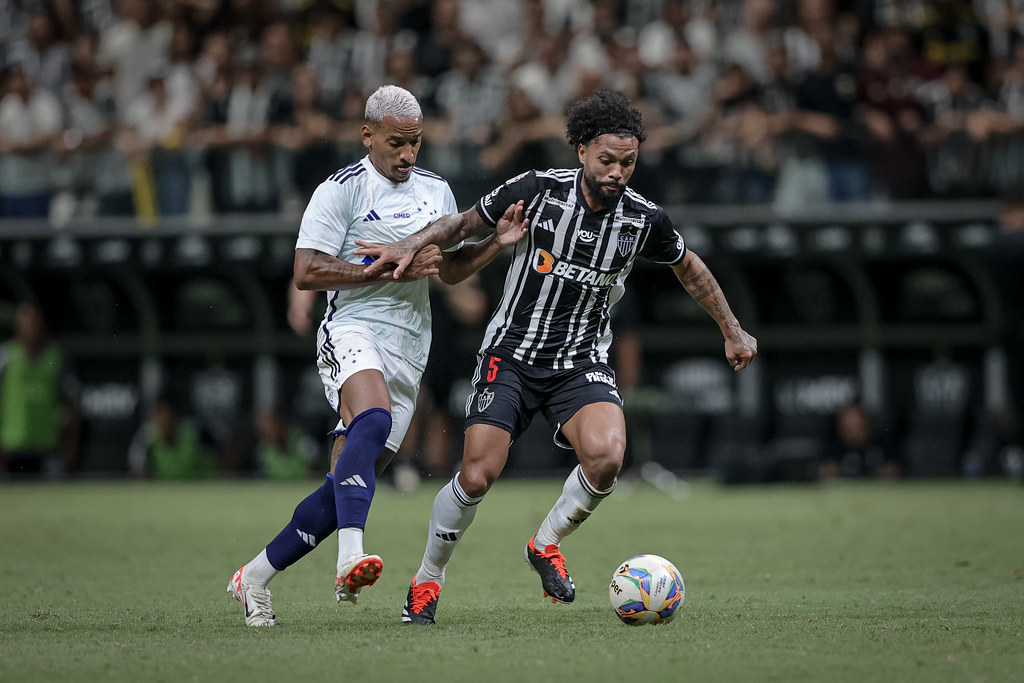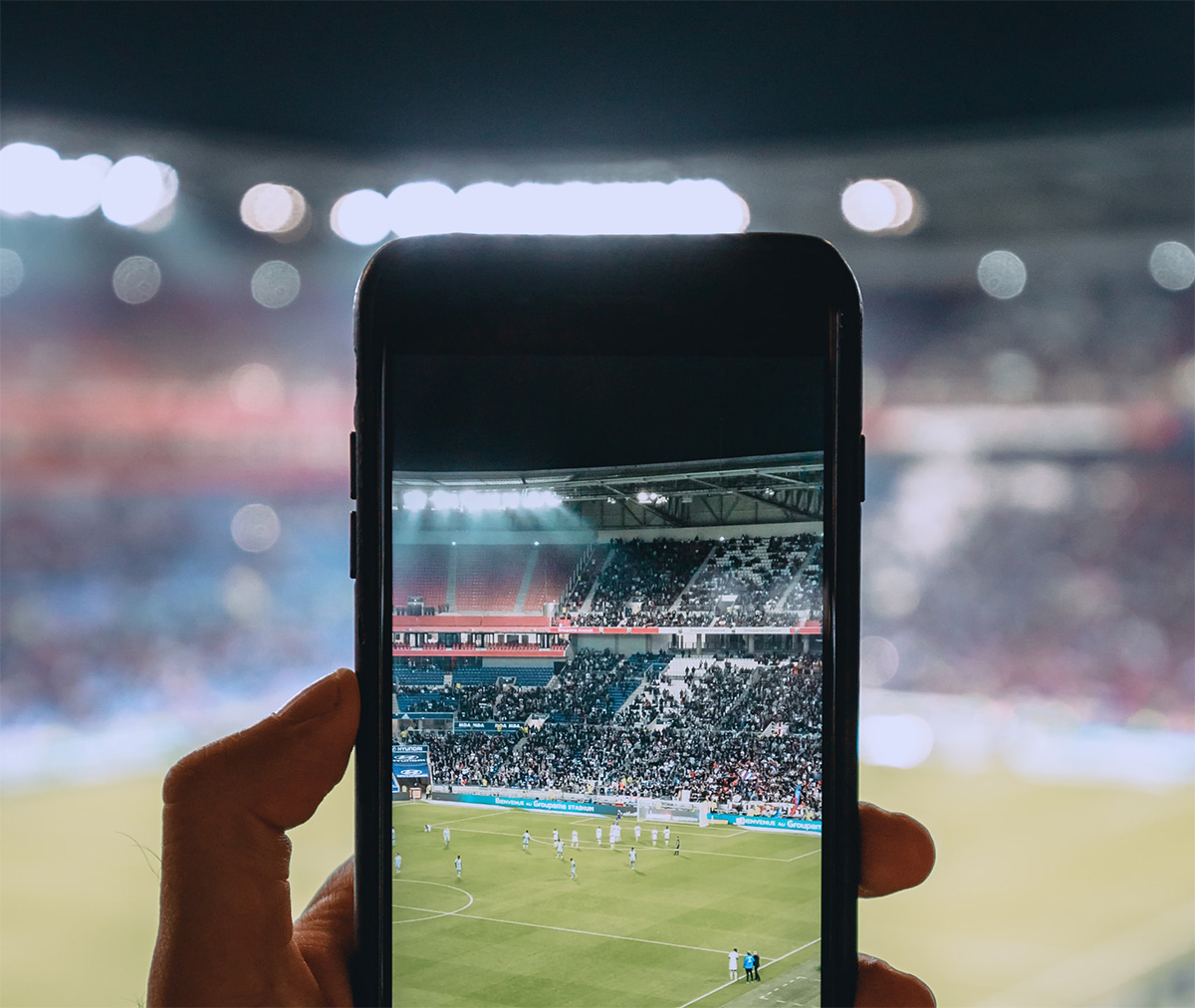

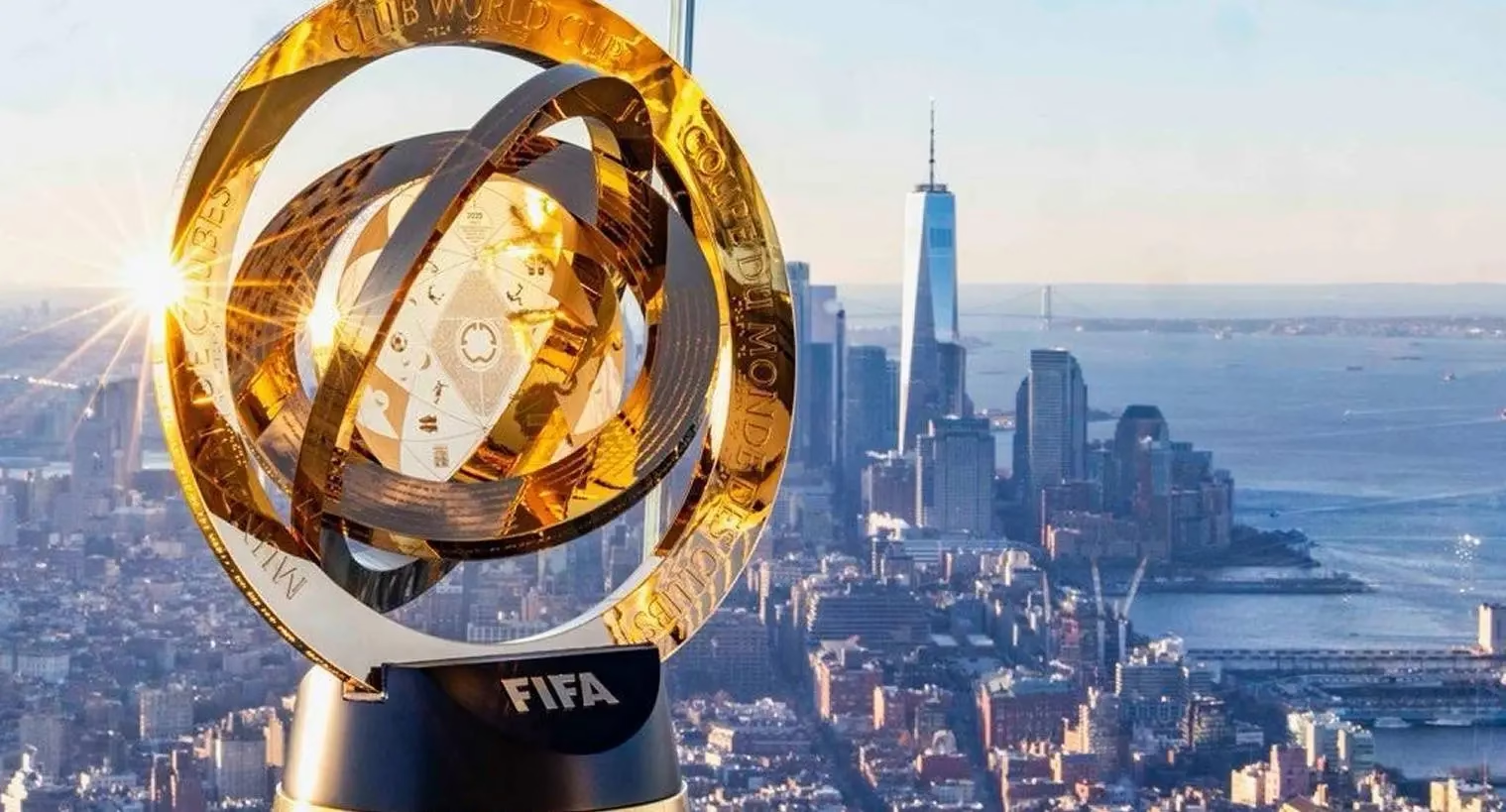
The 2025 FIFA Club World Cup is underway in the United States and represents a historic milestone in international football. Featuring 32 teams from every continent for the first time, the tournament follows a format similar to the national-team World Cup, with a group stage, knockout rounds, and the final scheduled for July 13. In addition to bringing together the world's biggest clubs, the competition expands the global visibility of club football and creates new revenue and engagement opportunities for its participants.
The tournament has become a social-media phenomenon, with videos going viral quickly, memes appearing in real time, influencers actively taking part in online challenges, and extensive coverage across various platforms, taking public engagement to a new level.
Brazilian Clubs Win Over the World with Football and Creativity
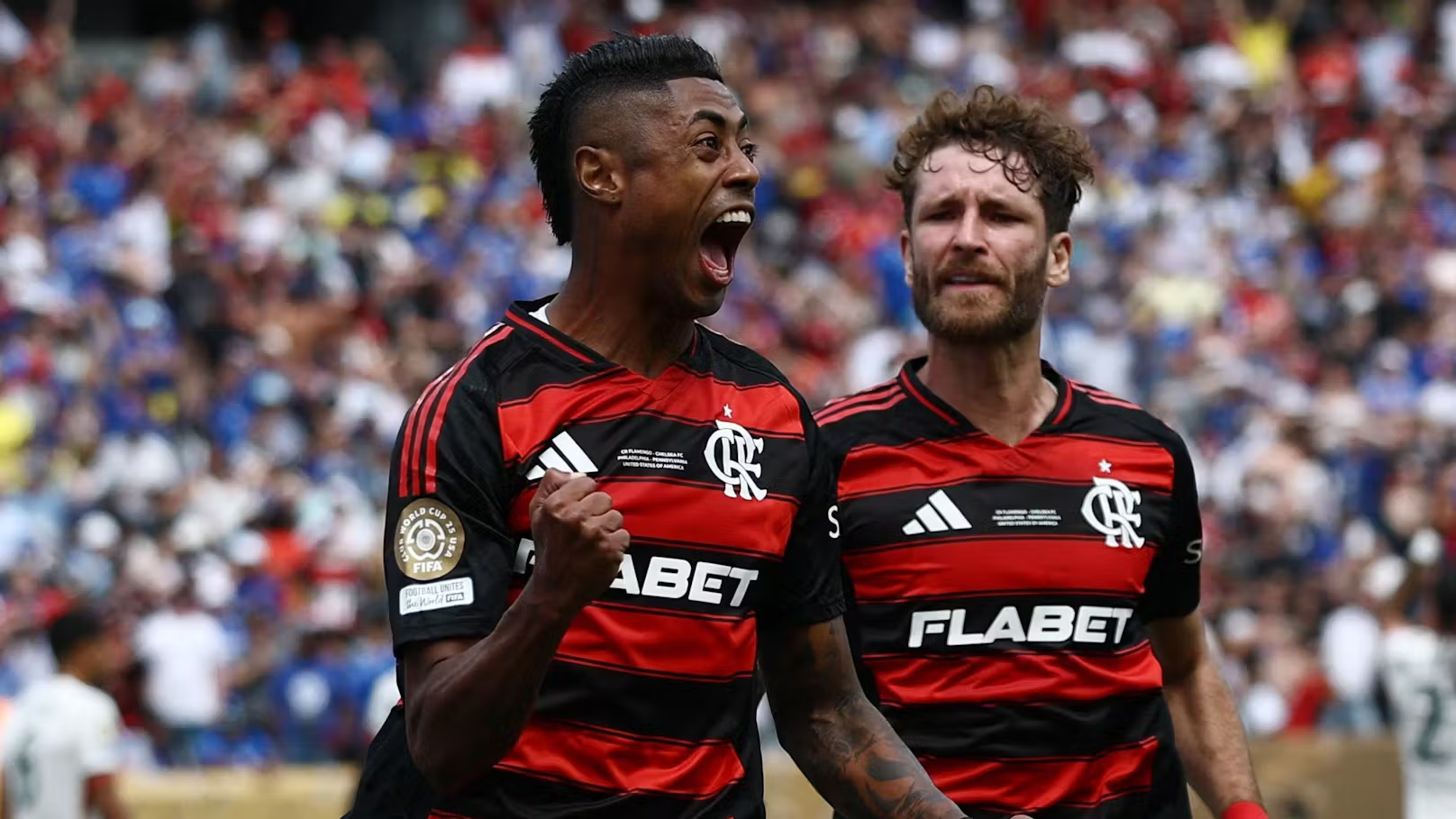
Botafogo, Flamengo, Fluminense, and Palmeiras did not shine only on the pitch at the Club World Cup—they also became communication benchmarks away from it. With sharp digital campaigns, well-aimed memes, and emotional videos, they turned every victory into viral content.
Flamengo made the world laugh by taunting Chelsea in English; Botafogo sent shivers down spines by defeating PSG; and Palmeiras and Fluminense narrated their international battles through major productions.
The result? An explosion in followers, rising interactions, and brands taking notice. Their strength on social media is already translating into more sponsorships and global visibility. Sponsors joined the hype and reaped millions of spontaneous impressions.
More than football, the clubs showed that performance + storytelling = a valuable asset. And that, in today's game, those who master the digital arena play with an advantage.
Brazilian Clubs Accelerate Internationalization with Major Strategies
Brazilian clubs have understood the moment—and they are taking advantage of it. With the Club World Cup's new format in the spotlight, investment in media and advertising has leaped forward, driven by more mature positioning strategies and a clear focus on internationalization.
Flamengo is a living example of this movement. The Rio de Janeiro club has been targeting the U.S. market with consistent initiatives: expanding Flamengo TV, establishing a physical presence through Soccer Camps in the United States, and making a continuous effort to connect with a new generation of global supporters.
Palmeiras was even bolder. It created memorable experiences such as "Casa Palmeiras" in the tournament's host cities, brought "Palmeiras Day" to New York, and launched an exclusive kit for the competition alongside Puma—a piece designed to stake its claim beyond the pitch as well.
What we are now seeing is the consolidation of a movement that has taken shape in recent years. The professionalization of clubs' marketing and commercial departments is beginning to deliver tangible results. And with world football in the spotlight, Brazilian clubs are increasingly ready to play on a global stage.
The Future of Football Marketing Has Already Begun
Advertising in football is changing for good. The traditional model is giving way to an ecosystem of integrated experiences, driven by data and active fan participation.
Clubs and brands must now think like entertainment companies, creating stories and immersive experiences that keep audiences engaged. But technology alone is not enough—the distinguishing factor will be connecting innovation to football's real values: community, passion, and social responsibility.
With the arrival of the 2025 Club World Cup, the picture is clear: the sport is undergoing a transformation. And those who understand that first will take the lead in building the new global game.