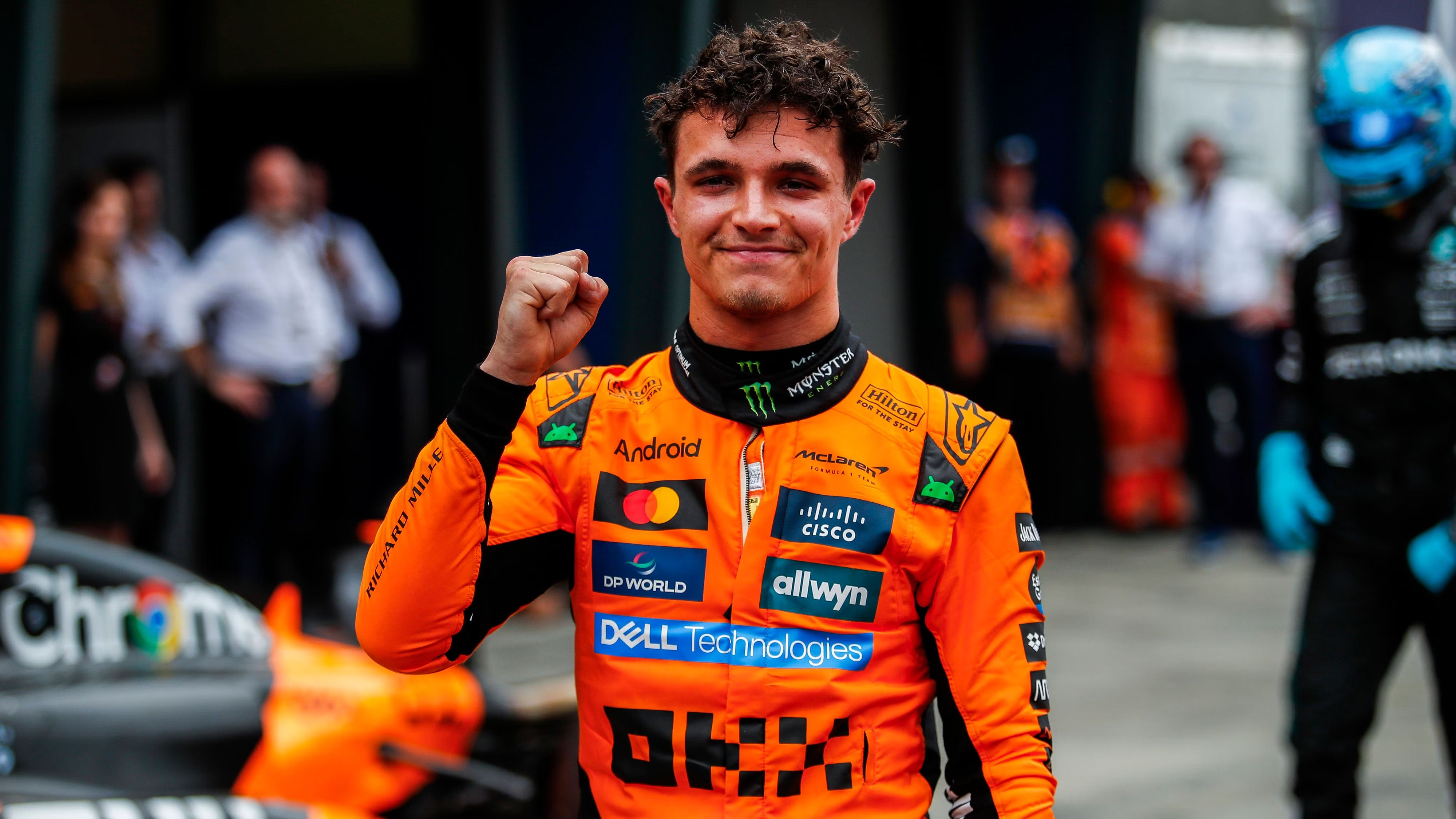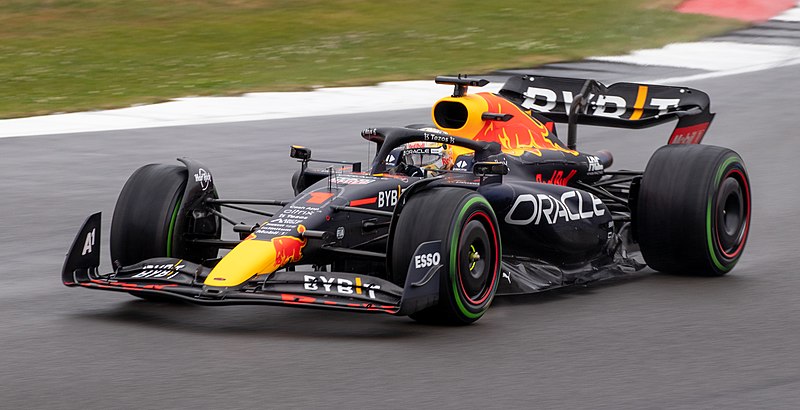
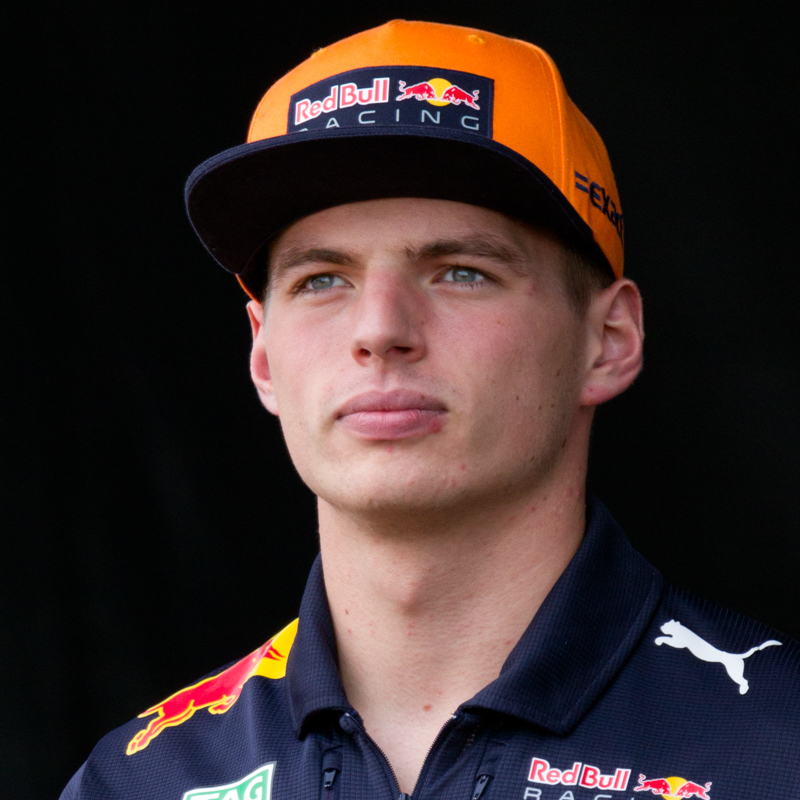
The recent Formula 1 season has been marked by an undeniable fact: Max Verstappen's categorical dominance. With his fearless skill on the track, the young Dutch driver took Lewis Hamilton's throne in 2021 and has since appeared increasingly unbeatable, something that has bothered some longtime Formula 1 fans.
This is because Verstappen began exercising broad dominance over the other drivers, making the season nothing more than a battle for second place. In this context, a debate arises among fans and observers of the sport: is this supremacy making Formula 1 monotonous and predictable? We will address this question by examining the competition's current dynamics and comparing them with earlier scenarios.
Is Formula 1 Really Boring?
Here is an exhaustively used and frequently repeated cliché: Formula 1 is boring. This is a complaint we have all heard at some point. So-and-so wins no matter what, that car is unbeatable, there is no competition for victory, and that is that. F1 is instantly labeled dull by those who repeat these statements.
But that is not exactly true. When we compare Formula 1 today with seasons from other years, we see that the grid has actually never been so evenly matched. Verstappen obviously stands out, but if we remove him from the equation, we have one of the best grids in history. With exceptional drivers, lap times are also the closest they have ever been in F1.
If we take, for example, the race in Saudi Arabia during the current season, the gap between Verstappen (who won the race) and fifth-place Fernando Alonso was 35.759 seconds, meaning just over 35 seconds between the two cars. Using the same metric, if we evaluate F1's "golden age," as some call it, which featured drivers such as Ayrton Senna, Alain Prost, Nigel Mansell, and others, we will see much greater time differences than this.
Just to give you an idea, in the legendary Donington Park race in 1993, when Senna delivered what many consider one of the best laps in the sport's history and won the race, the time difference between the Brazilian's McLaren and fifth-place Riccardo Patrese was two laps, or at least two and a half minutes. That is considerably higher than the gap recorded at the 2024 Saudi Arabian Grand Prix. Before you or anyone else says these were isolated cases, know that they were not. Simply consult and compare the time differences between the "golden age of F1" and the present moment to reach the same conclusions.
The issue appears to be much more about emotional memory than anything else. But do not misunderstand me: there is nothing wrong with having emotional memories in sports; I even consider it healthy (in most cases). However, this kind of feeling may be clouding the analysis of those who insist that F1 is boring, even though it is not very different from other seasons.
When Senna, Piquet, Barrichello, or Massa were battling for the leading positions, no one thought the sport was becoming monotonous. On the contrary, everything seemed to be at its peak.
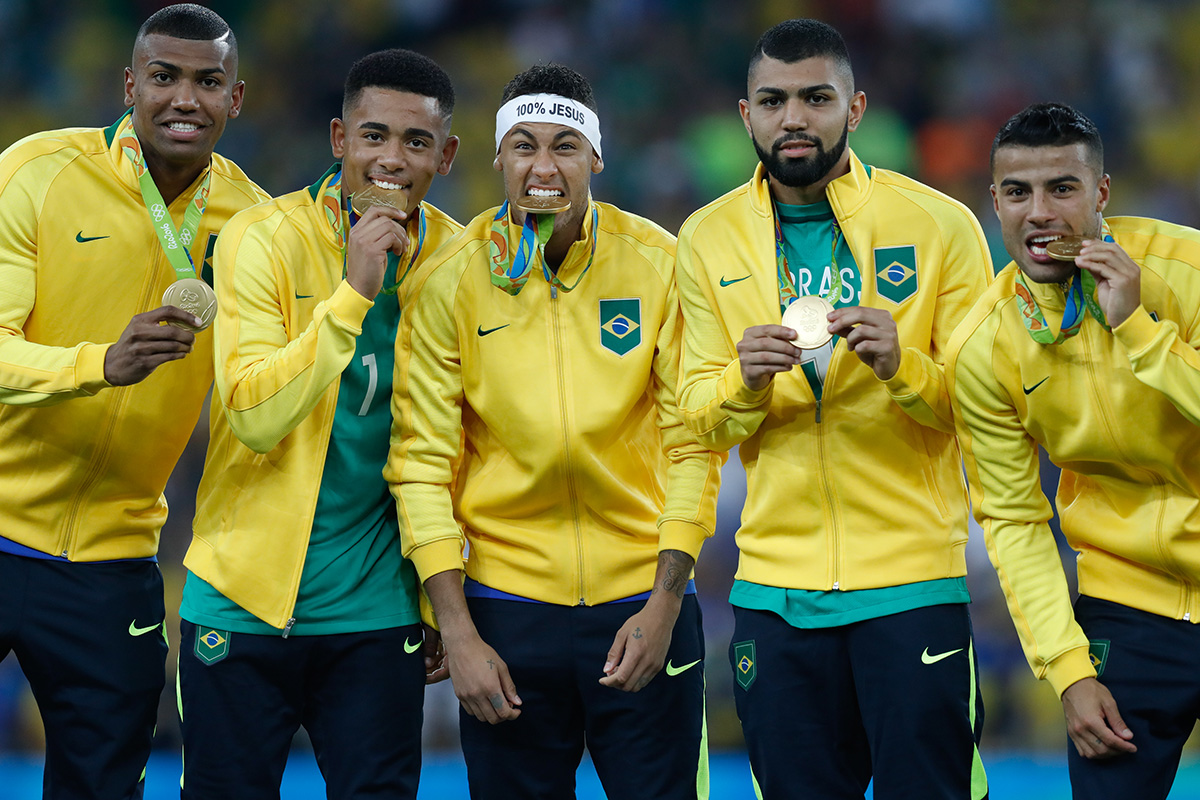
Today, however, we unfortunately do not have a Brazilian driver competing on the Formula 1 grid, and in theory there is no one to support except foreign drivers. For some Brazilian fans, this removes the fun from the races and makes everything more tedious. When a foreign driver dominates, the sport loses its appeal and everything seems more boring. But that is a personal and biased perspective.
Dominant Eras Are Normal in Formula 1
Formula 1 history is filled with periods of dominance by teams and drivers who established indisputable supremacy. From the legendary years of Juan Manuel Fangio through the eras of Alain Prost, Ayrton Senna, Michael Schumacher, Lewis Hamilton, and more recently Max Verstappen, the top tier of motorsport has always witnessed the rise and supremacy of certain protagonists.
Limiting ourselves to Formula 1's contemporary era, we can highlight McLaren's absolute dominance in the late 1980s, when it had legendary drivers Alain Prost and Ayrton Senna. The MP4/4 achieved an impressive 15 victories in 16 races that season — the only exception was the Italian Grand Prix, where Ferrari secured a one-two finish amid an atmosphere of mourning over the death of Commendatore Enzo, giving the tifosi a memorable celebration.
Formula 1 Memories
And how about also remembering Ferrari's dominance in the early 2000s? With Michael Schumacher behind the wheel, the Maranello team won five consecutive titles, establishing new standards of excellence in Formula 1 and elevating the driver to divine status in the sport's pantheon. In 2002, Schumacher reached the podium in every race that season — a feat that remains unmatched to this day. In 2004, he triumphed in 13 of the championship's 18 rounds.
We cannot ignore Mercedes' recent dominance, which secured the constructors' championship from 2014 to 2021 and saw Lewis Hamilton raise the drivers' world championship trophy six times from 2014 to 2020. One of the great achievements in the category's history.
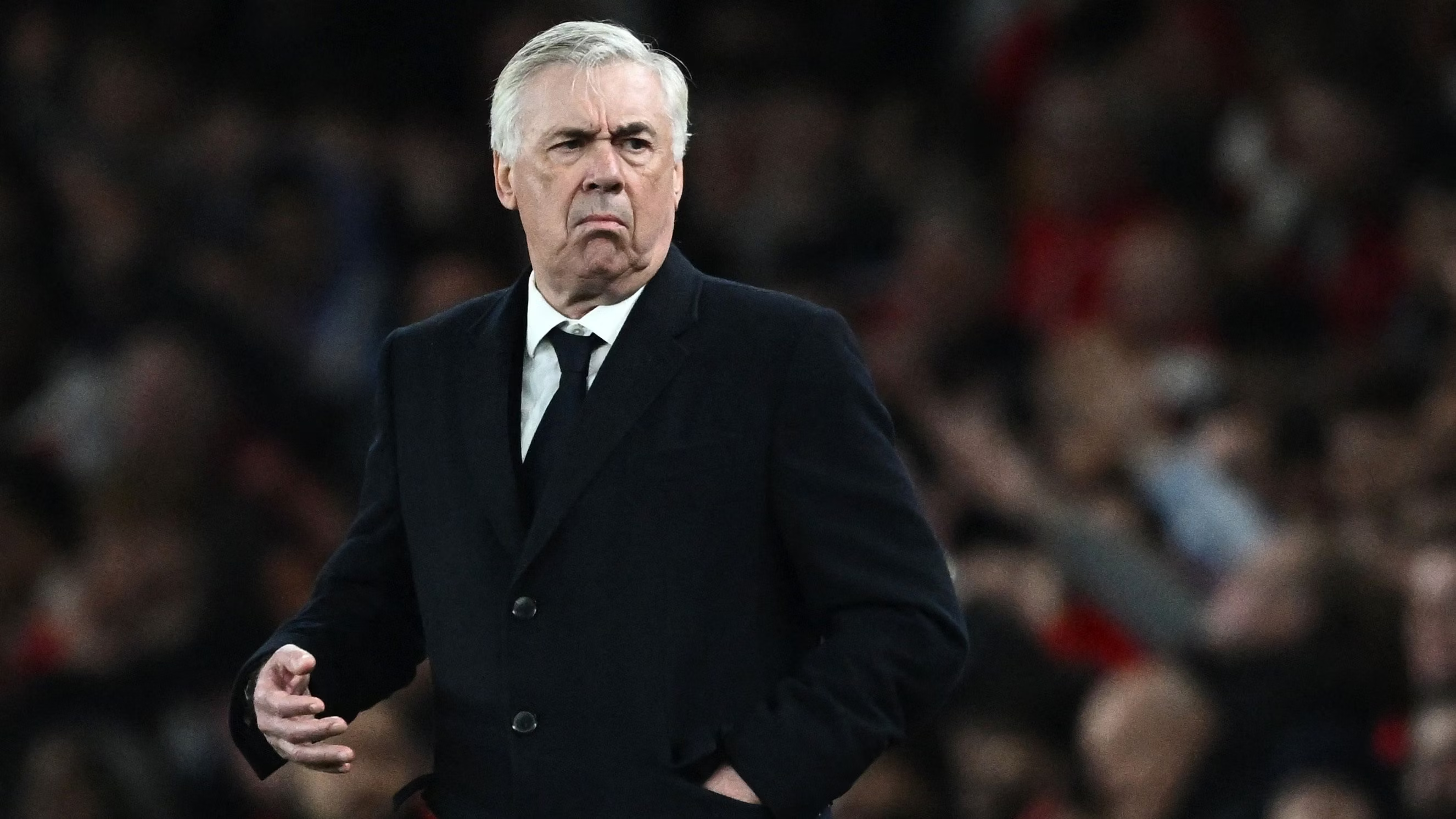
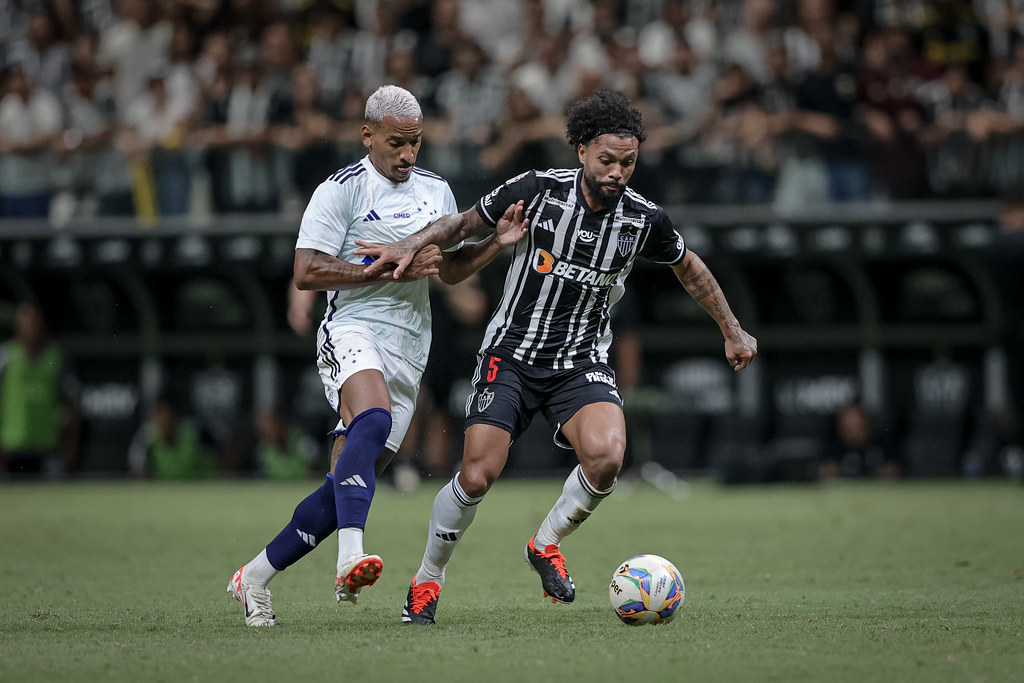
So, to conclude, let us make one thing clear: Formula 1 is not boring. Dominant eras are a reality not only in this category but throughout the sporting world. Teams such as Real Madrid or Ajax winning the Champions League three times in a row, Manchester City winning the Premier League three times in a row, or São Paulo winning three consecutive Brazilian championships illustrate how excellence and the constant pursuit of success are rewarded. No one criticized soccer because of this or said it was boring.
If you still think this way, it is worth asking yourself: "Do I really like Formula 1, or do I like seeing my favorite driver win?" There is nothing wrong with supporting someone, but when that person does not win, it does not mean the sport has problems. There is a vast difference between the two things.