
You may have a good idea for your game, but if there is one difficult problem to solve today, it is how to effectively capture someone's attention when so many "screens" and distractions compete for potential users at every moment—and, worse, are only a tap away.
Platforms such as TikTok, YouTube, and Instagram train brains to seek immediate stimulation, while so-called “games as a service” dominate players' time with continuous progression systems. As a result of these and other factors, the outcome is clear: even free games that excel in certain areas are often ignored. An 11-year-old child, for example, might spend months exploring hundreds of downloadable game modes within Roblox itself without even caring about other games.
This article is not meant to sound an alarm, but to address reality clearly. If we are not working with something innovative or following formulas that have already been tested, it is essential to carefully analyze every element we plan to integrate into the game—especially those that directly affect player engagement and retention.
The Importance of the First Few Minutes
According to a GameAnalytics report, only 26% of mobile players return to a game the day after downloading it. This means that about 74% of players do not open the game again on the second day. By the third day, the retention rate falls to just 11%. This data shows that the retention window for keeping a player active during the first few minutes is critical, and failing at that point means losing most players before they even discover the experience's full potential.
The lesson is clear: hooking the player in the first few minutes is a matter of the project's survival. This involves narrative, setting, controls, and rewards, all developed as an integrated whole.
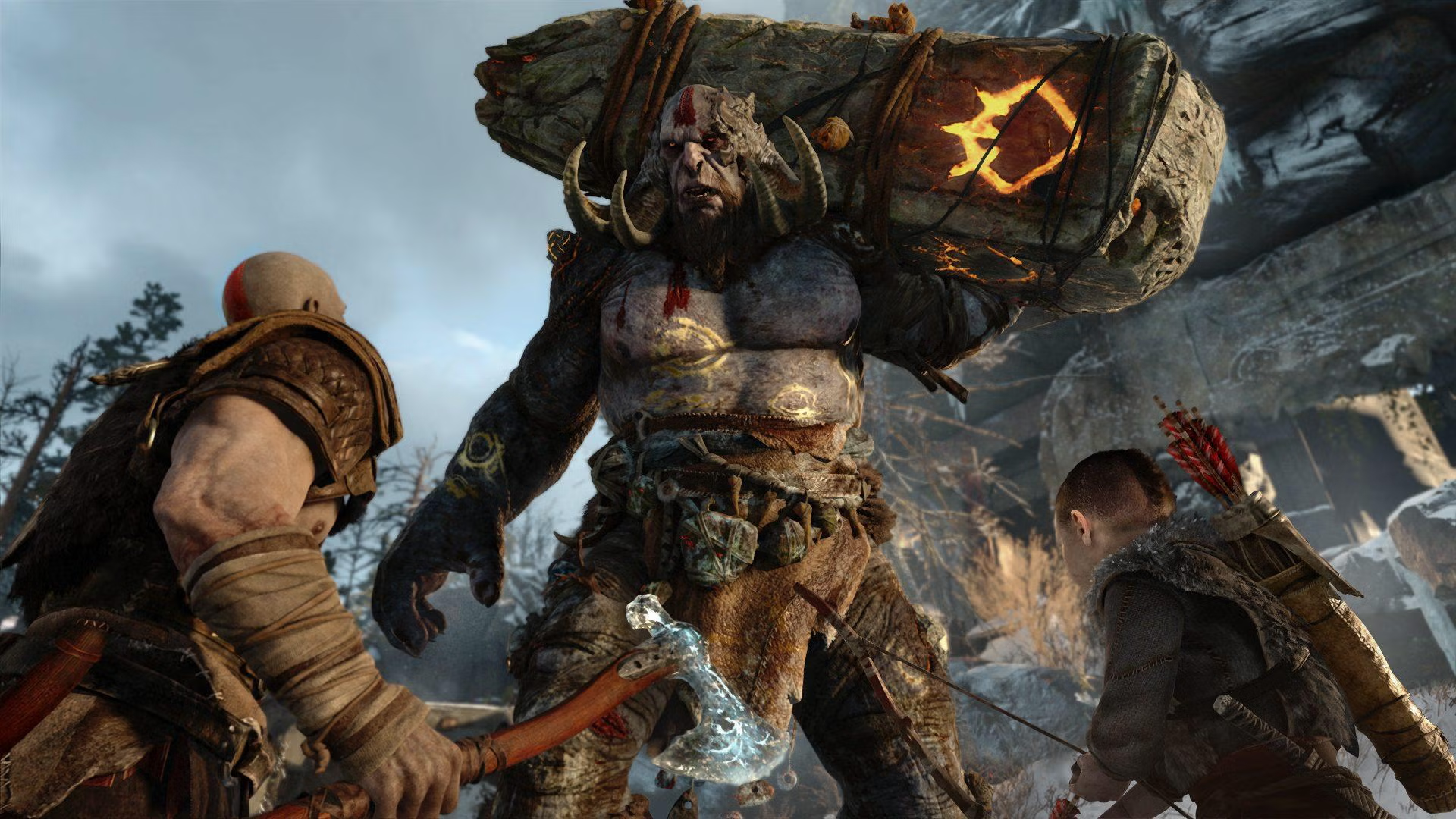
God of War (2018), for example, puts the costs of a blockbuster production to very good use: Kratos and his son Atreus say goodbye to the boy's mother, whose death sets the subsequent events in motion, beginning the player's emotional connection with the protagonists. The player is then placed in a visceral fight against “The Stranger” (Baldur). Everything is presented immersively, without camera cuts, increasing the sense of presence.
More importantly, the game teaches its mechanics in context, during moments of intense emotional and narrative tension, without having to pause for tutorials. This avoids breaking the pace and keeps the player engaged with both the action and the story.
Some tips for the first few minutes of a game:
- Avoid long menus, walls of text, and disconnected tutorials. Demonstrate value immediately.
- Give the player the "heart" of your game within the first five minutes. If it is exploration, offer freedom; if it is combat, put the player into action.
- Depending on how you are developing your project, a contextual narrative that introduces the characters, world, and mechanics can be useful. The Last of Us, Hollow Knight, Inside, and Hades do this.
Reward Loops and Their Impact on Retention
Studies widely discussed by specialists such as Yu-kai Chou, creator of the Octalysis gamification framework, and analyses from the GameRefinery platform indicate that well-calibrated reward cycles are one of the main drivers of retention in games suited to this approach. They should generate a constant sense of progress—something that goes beyond handing out prizes and involves anticipation, control, and surprise.
To structure an effective system, designers often use different reward horizons that reinforce one another and create engagement loops, whether by completing specific tasks, through interactions with other players, or even through random rewards. Here is an example:
- Immediate rewards (action → instant feedback): coins, XP, and common drops satisfy the need for a direct return on basic actions.
- Medium-term rewards (progression loop): new abilities, stages, crafting, and story progression reinforce a sense of growth.
- Long-term rewards (aspirational goals): rare cosmetics, rankings, and hard-to-obtain characters fuel the player's emotional investment in the game.
Hypercasual games, like those most sought after on smartphones, tend to deliver gratification very quickly, while RPGs allow longer cycles. Moreover, rewarding the player is not enough: a game must build anticipation, guide the experience's pace, and align its challenges with the player's available time and profile.
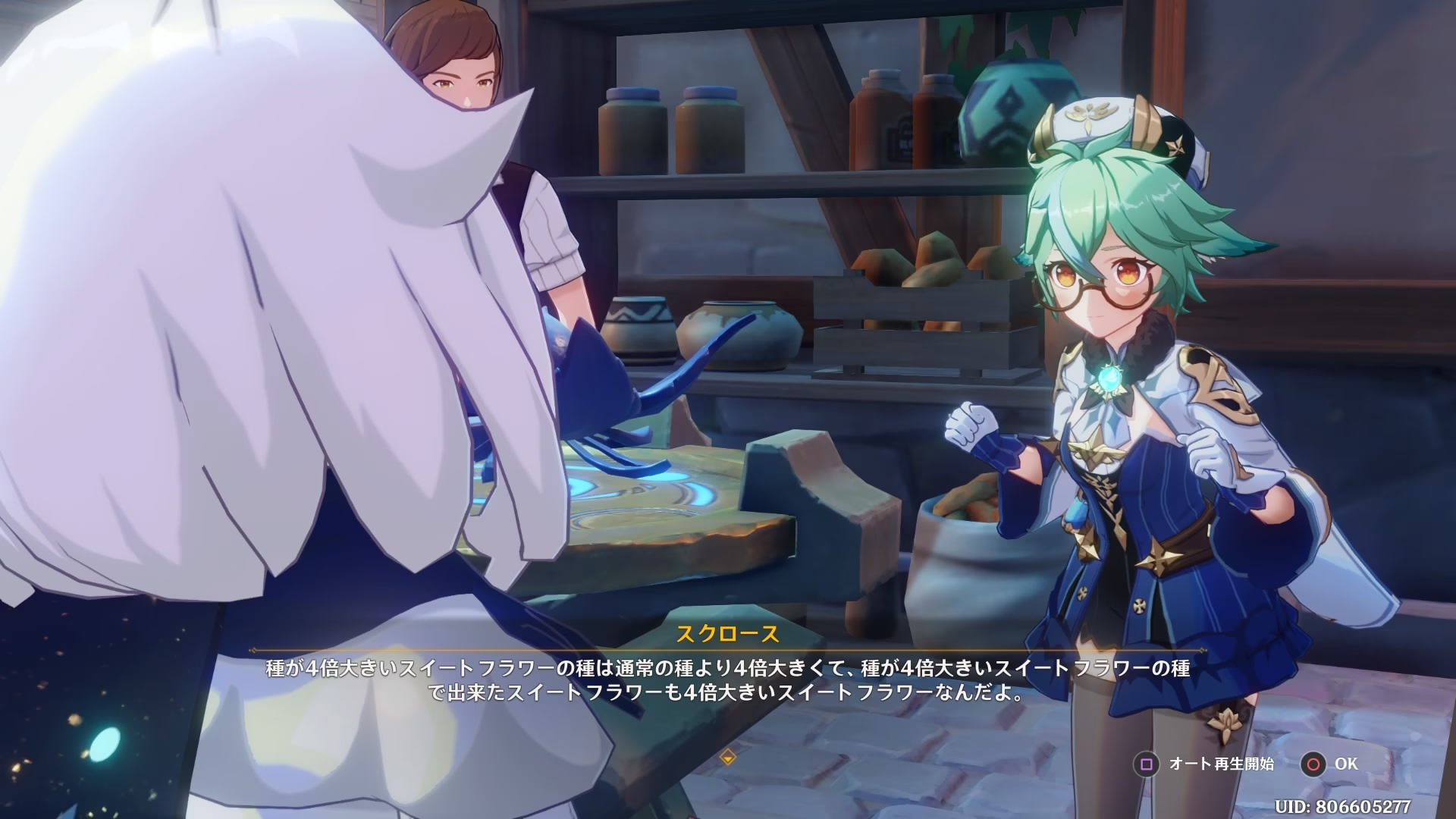
Genshin Impact is one example of applying these divisions. The game gives the player countless micro-rewards: hidden chests, environmental challenges, cooking items, enhancement materials, daily achievements, and rotating events. Every action, no matter how small, is recognized. At the same time, the “gacha” system serves as a long-term reward: players pursue rare characters and weapons, often for weeks or months, increasing retention through emotional investment and future expectations.
Another good example is Dead Cells, which adopts a hybrid loop: each run—a play session that lasts until defeat—awards cells that the player can use to unlock permanent upgrades. Progress occurs even in failed runs. This reduces frustration and nurtures a sense of continuous development, even amid repetition.
In Clash Royale, players are encouraged to return periodically to open chests, take part in temporary challenges, and complete weekly reward cycles. This scheduled reward "calendar" is part of what keeps millions of players drawn back over long periods.
All of this may fail, however, if poorly planned. Designing effective reward loops is not simply a matter of giving out prizes—it means creating an intelligent system of anticipation, gratification, and progression. When executed well, this loop turns simple actions into triggers of pleasure and reinforces the behavior of returning.
Flow State: Balancing Challenge and Skill
One of the most important concepts in modern game design is the so-called flow state, defined by psychologist Mihaly Csikszentmihalyi. It is the moment when a player is completely immersed in the experience, so focused and involved that they lose track of time. Flow occurs when there is a balance between the player's skill level and the challenge presented by the game. This balance creates a natural and enjoyable sense of progression.
If the challenge is too easy, the player feels that the game is shallow or boring. If it is too difficult, frustration becomes the predominant feeling. Both extremes lead to early abandonment. The goal is to make players feel that they are improving through genuine, rewarding effort.
Games that apply this concept well know how to increase the challenge intelligently while following the player's learning curve. They create small obstacles that demand concentration and improvement but never seem impossible. Each victory provides immediate feedback, reinforcing self-confidence and encouraging the player to continue.
Here are more practical examples:
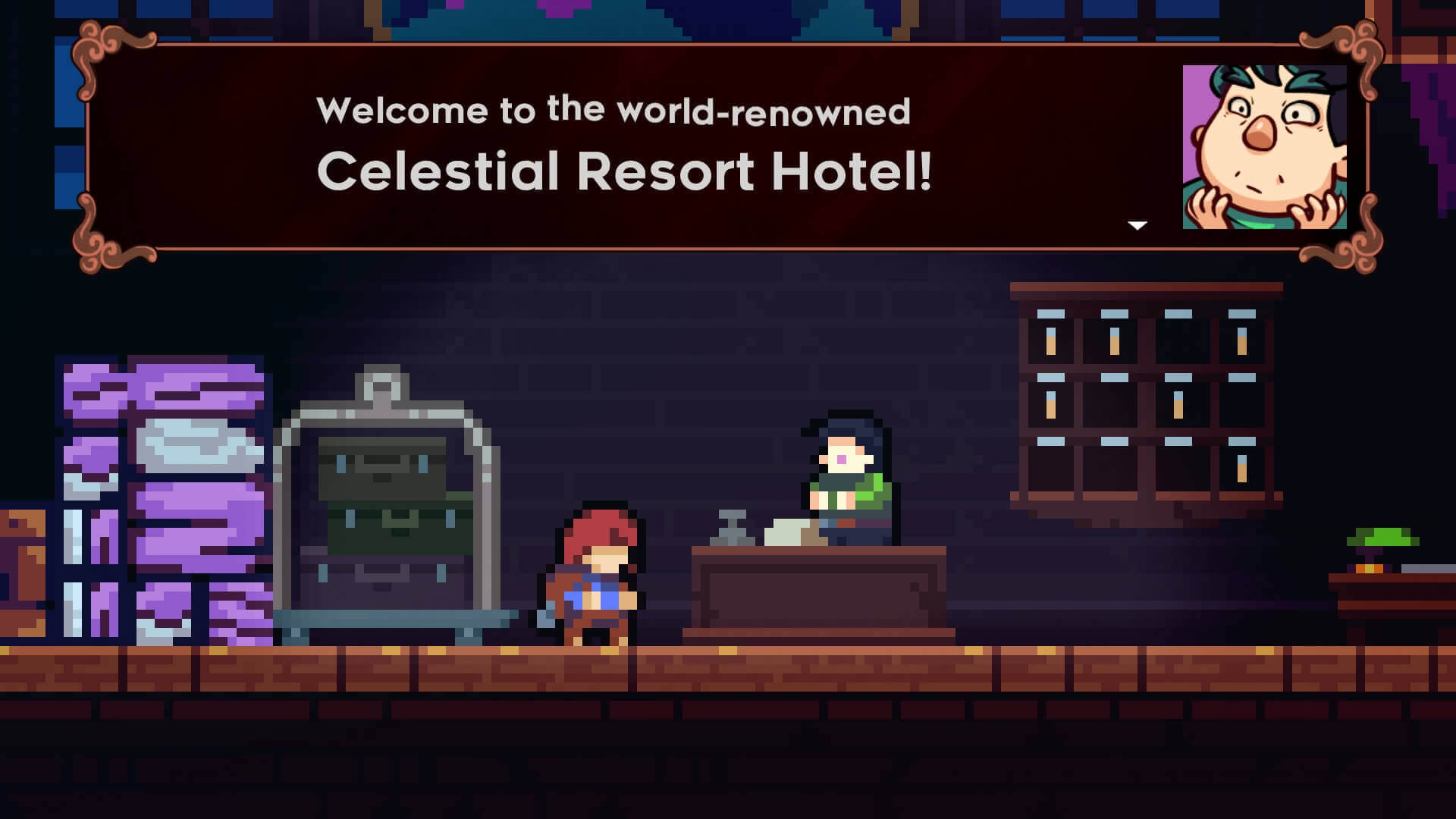
- In Celeste, each stage is challenging but short enough to encourage repetition. When the player fails, they immediately return to the beginning of the screen, without loading or frustrating penalties. This encourages repeated attempts and gradual learning.
- Dark Souls is challenging but built on clear, consistent rules. Players know they died because they made a mistake: they did not pay attention, read the attack pattern, or prepare. This gives each victory genuine emotional weight. The interconnected, mysterious world also keeps curiosity alive.
- Tetris is also frequently cited as a classic example of flow. The difficulty gradually rises as the player improves, keeping them constantly challenged but rarely overwhelmed.
- Among mobile games, Monument Valley combines simple, intuitive mechanics with a gentle difficulty curve, charming visuals, and immediate feedback that keeps the player consistently engaged. The experience flows smoothly and avoids frustration, allowing players to focus entirely on the challenge and setting.
As a tip, let players realize that they are improving through their own efforts. This increases their sense of autonomy and competence, two extremely powerful psychological triggers for retention. To create a well-calibrated difficulty curve, pay attention to how players react as they advance. Use analytics statistics to adjust the pace according to players' success rate if they can be applied to your project.
Players generally like receiving immediate feedback through visual, audio, and tactile rewards, which makes everything more satisfying. Reducing frustration without eliminating the challenge is also a major task for game developers, but systems such as frequent checkpoints, instant retries, and rewards even for partial failures can keep players more engaged when they make mistakes.
Connecting Players Beyond the Game Through Social Elements
Games with social features—such as rankings, cooperative modes, and competitions—have much higher retention rates, according to a detailed study based on Zynga's practices. More than interactions within a game, what makes the difference is how these dynamics encourage conversations and connect people in the "outside world."
This also extends to social media. Fortnite is a clear example: it became a social space where events, collaborations (Snoop Dogg, Ariana Grande), and cultural moments create conversation outside the game, even through "memes," generating continuous engagement across social networks. These external interactions strengthen the community, increase new users' interest and the likelihood that players will return, and enhance the experience by making it more meaningful.
Meaningful Narratives and Decisions That Matter
Well-constructed narratives are one of the most powerful pillars of long-term retention. According to an EvoPlay survey, games with deep plots and meaningful decisions produced, on average, up to 30% more cumulative playtime per user than titles focused solely on action or repetitive gameplay. This increase is directly connected to creating emotional involvement and a sense of agency—the player feels that their presence and choices make a difference in the game's world.
This factor is more evident in games with branching narratives, where the player chooses paths, influences characters, and sees the direct consequences of their decisions. The bond created is not merely with the story but with the responsibility of shaping it. This emotional engagement is harder to break and makes the game more difficult to replace with another.
The Mass Effect trilogy, for example, gives players decisions that directly affect the narrative's course and the fate of key characters—and, more importantly, those decisions carried over into subsequent games in the trilogy, reinforcing continuity and the sense that the game's universe “remembers” everything you did, alongside emotionally complex characters and rising narrative expectations.
Other successful examples include The Witcher 3: Wild Hunt, Detroit: Become Human, and Undertale, with multiple endings that depend on moral and even political decisions made throughout the story. This encourages not only progression to the end but also complete replays. Yet offering so many branches is not enough if they do not spark the player's genuine interest.
Updates and Ongoing Support
A study published in the Entertainment Computing Journal (via ScienceDirect) shows that update frequency and the recurring release of new content are decisive factors in long-term player retention. When a game receives constant additions—such as characters, modes, events, or balance adjustments—it remains relevant and interesting even years after release.
League of Legends is an emblematic case: after more than a decade, the game remains competitive and current thanks to regular update cycles. Riot Games provides weekly balance changes, themed events, limited game modes, and new champions, creating the sense of a living ecosystem in constant transformation.
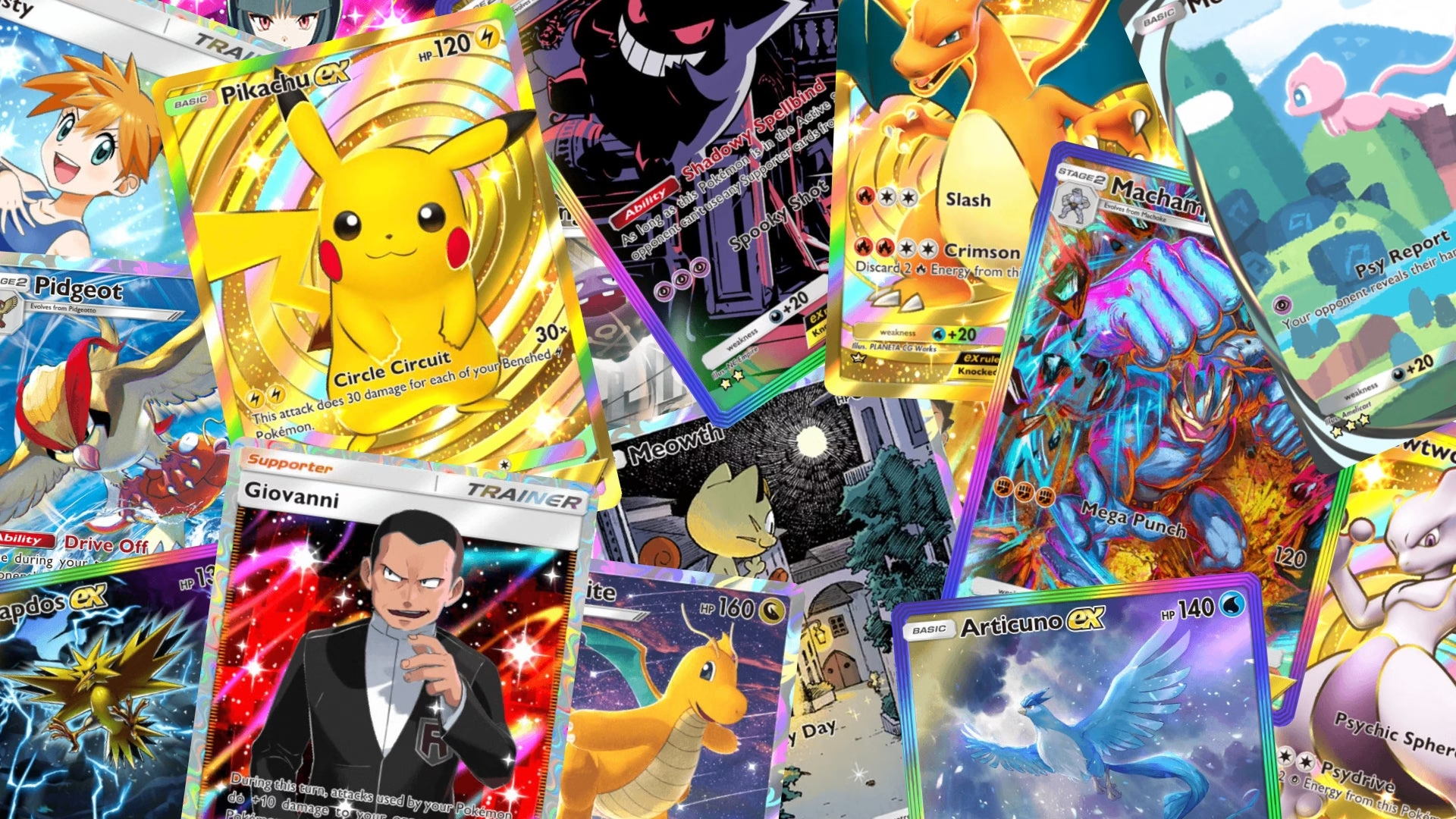
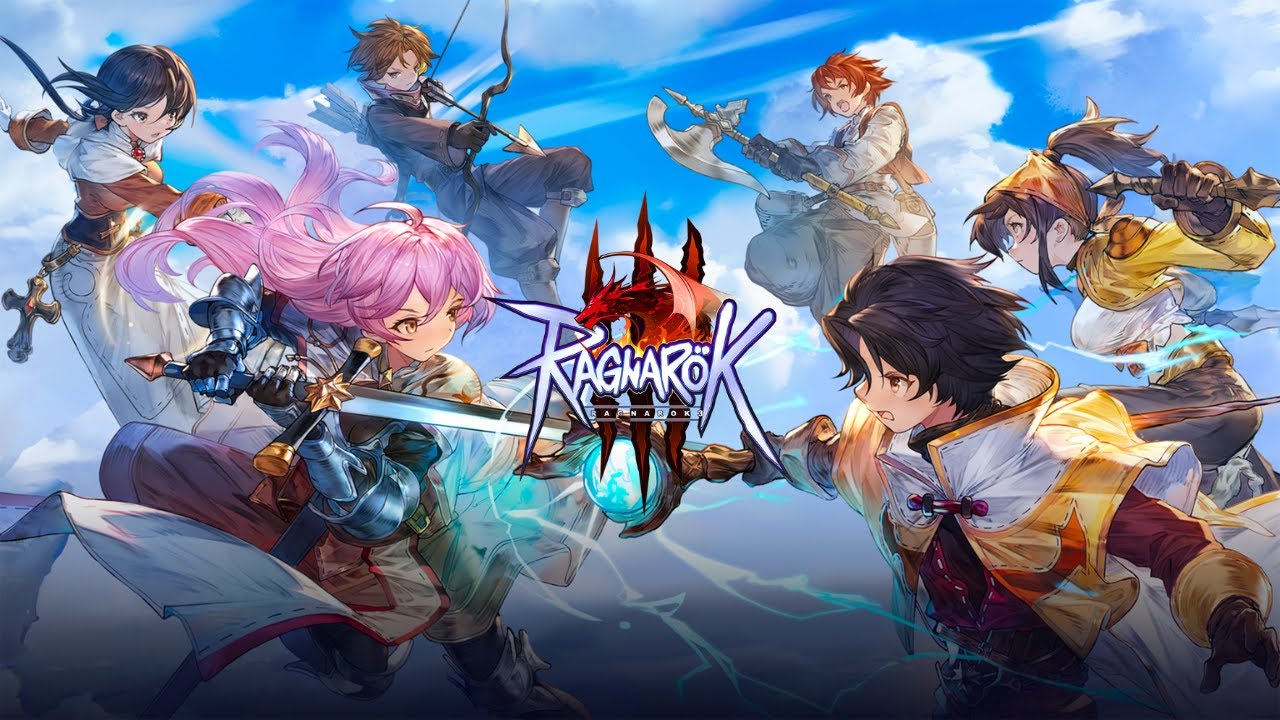
Another factor is multimedia releases, such as animated series, music, and licensed products, which reinforce the emotional and cultural connection with the brand. This type of approach strengthens not only the active player base but also the perception of community around the IP. It is a long-established strategy used by Pokémon and even newer online game franchises known only locally, as in some cases in Japan.
In the End, Everything Matters: Sound and Image
How do you win players over at the beginning of a game and keep them playing? The truth, as you can see, is that it takes a combination of factors. The real test discussed in this article, however, is the final product. It does not matter whether the marketing is attractive—if the same visual and audio direction was not carried into the final product, you may simply frustrate your players.
How a game communicates visually and through sound is often a decisive factor in generating immersion, awakening emotions, and creating lasting memories. An effective direction that takes your target audience into account is therefore indispensable when developing your game.
The use of colors, contrasts, and lighting directly influences the player's emotional state. Cool, dark tones can convey mystery, loneliness, or melancholy, as used in Limbo or Inside. Warm, vibrant palettes, on the other hand, tend to reinforce feelings of lightness, enthusiasm, and optimism, as seen in Super Mario games.
This visual impact goes beyond aesthetics. It guides the experience's mood and pace. Players sense, even unconsciously, that there is consistency between what they see, hear, and do.
Sound remains one of the most underestimated elements in retention design. This is not merely about good music but about rhythm, texture, and intent. In Sonic Frontiers, for example, the game begins with calm music, ethereal environments, and a sparse presence. This creates a sense of solitude and contemplation, emotionally preparing players and guiding them to explore and overcome challenges as they unlock new features. When a boss battle begins, however, the soundtrack changes dramatically: sung vocals, heavy guitars, and powerful beats flood the scene as the player faces a visually colossal being. The contrast is so striking that it turns combat into an epic event, placing the player in a cycle of preparing for these battles with every new environment explored.
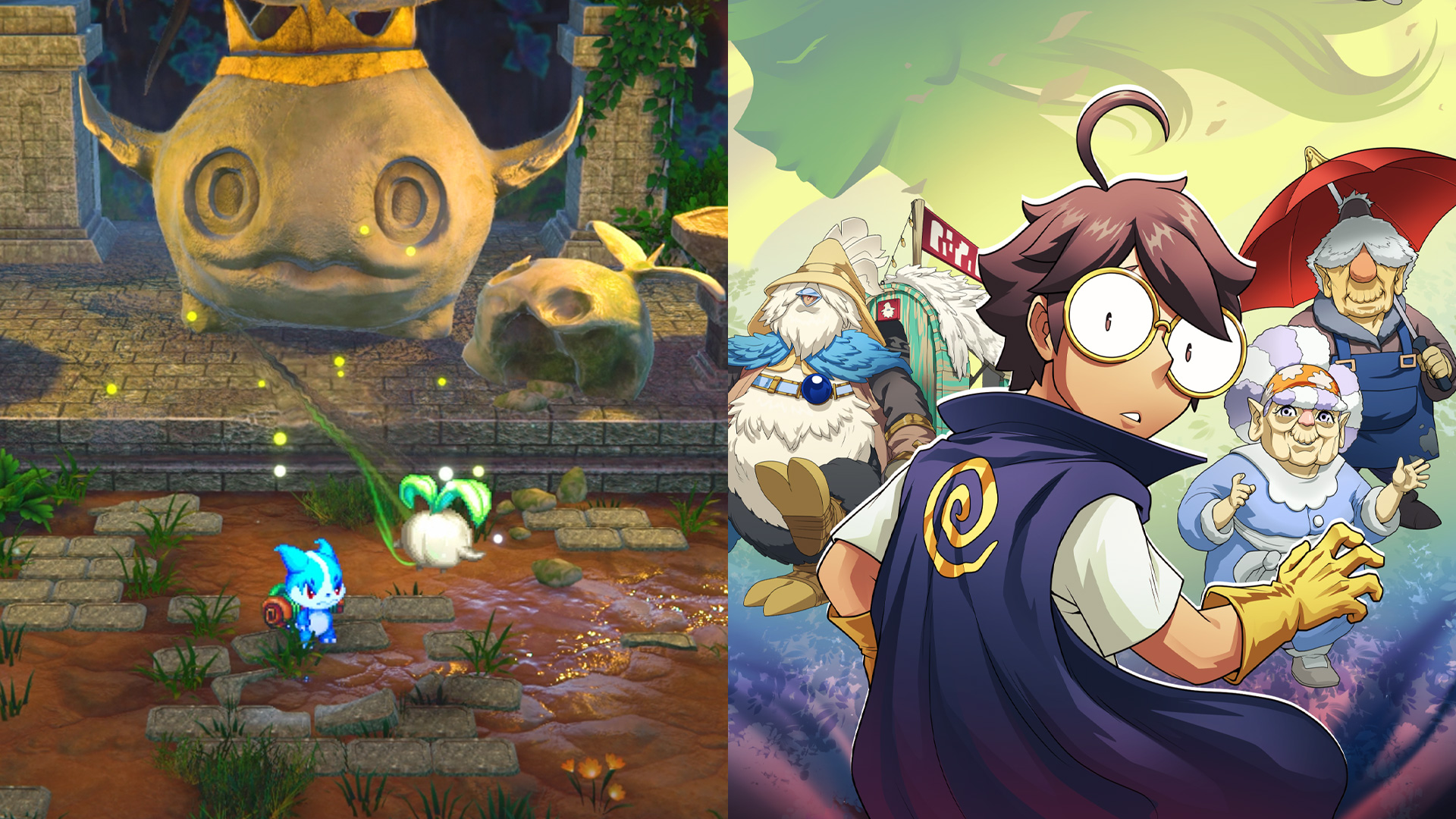
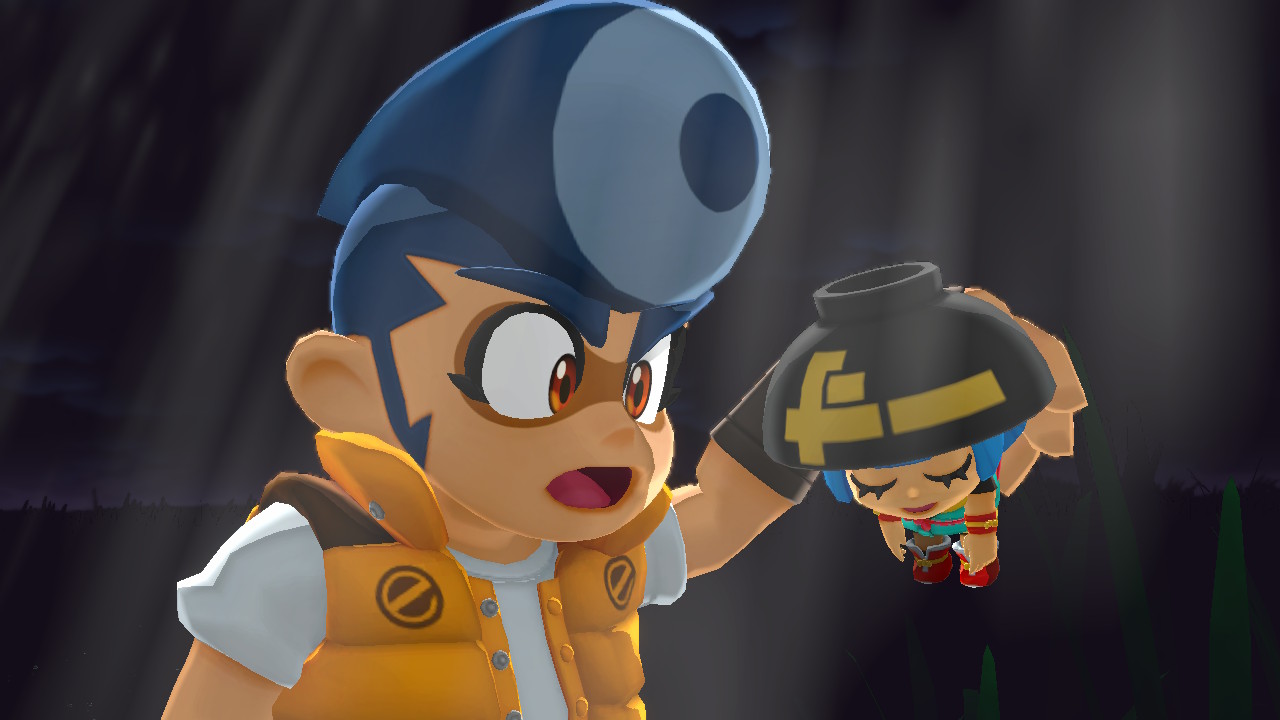
Another example is Bakeru (featured on this article's cover), which succeeds in delivering an experience that is simple yet rich in sensory detail. With a light soundtrack, pleasant sound effects, and visuals that reinforce its welcoming aesthetic, the game creates an environment that conveys comfort. Everything there works perfectly with the concept's pace, which recalls games such as Super Mario 3D World.
Did You Like This Study and Research?
Here at Eu, Brasileiro, we share articles about game development as a way to pass on what we have learned and document our experiences—all amid the rush of everyday life. If you are interested in more subjects related to creating games, please be sure to read our other articles!
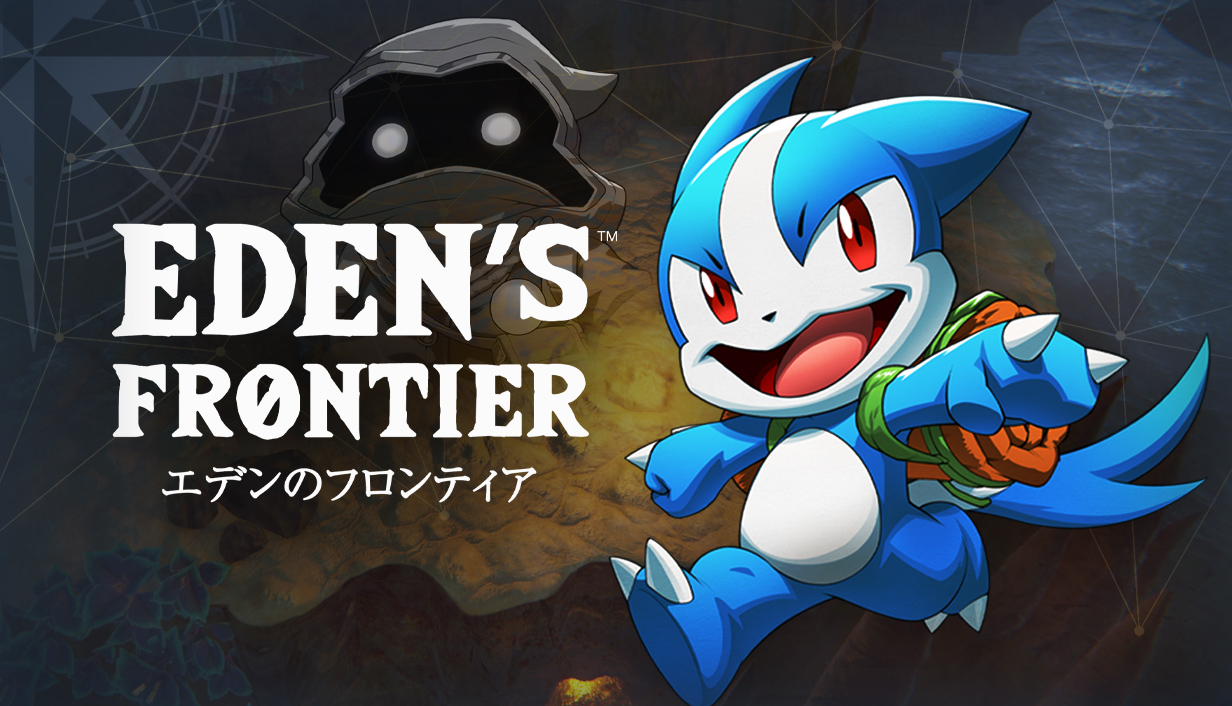
At the time of this publication, I am directing my first game, EDEN'S FRONTIER, and I would be very happy if you followed the project. We also have a full-color comic about it!
We also provide services through our studio, Frontiers Group. If you are interested in learning about our openings or hiring our services, just visit our official website. It will be a pleasure to speak with you.