A few weeks ago in Japan, Nintendo and The Pokémon Company suffered a significant setback when the Japanese patent office rejected an application from the company concerning a “subcharacter” mechanic: essentially, the idea of calling an auxiliary character to move around and take part in battles. Besides preventing the registration, the decision rekindled an old discussion: how fair is it to patent basic game mechanics?
According to the ruling, the mechanic described by Nintendo is not sufficiently novel to be protected. That is because several earlier games already used similar concepts involving the summoning or support of allies.
Another aspect that drew attention was the wording of the application. The text used extremely broad terms such as “storage medium” and “game processing system,” while referring to these additional characters as “sub-characters.” This choice of words could cover everything from games with direct battles to experiences entirely different from what might be expected.
For many independent developers, this is the real problem: even if a patent like this would not be easy to enforce, its mere existence already creates uncertainty for everyone.
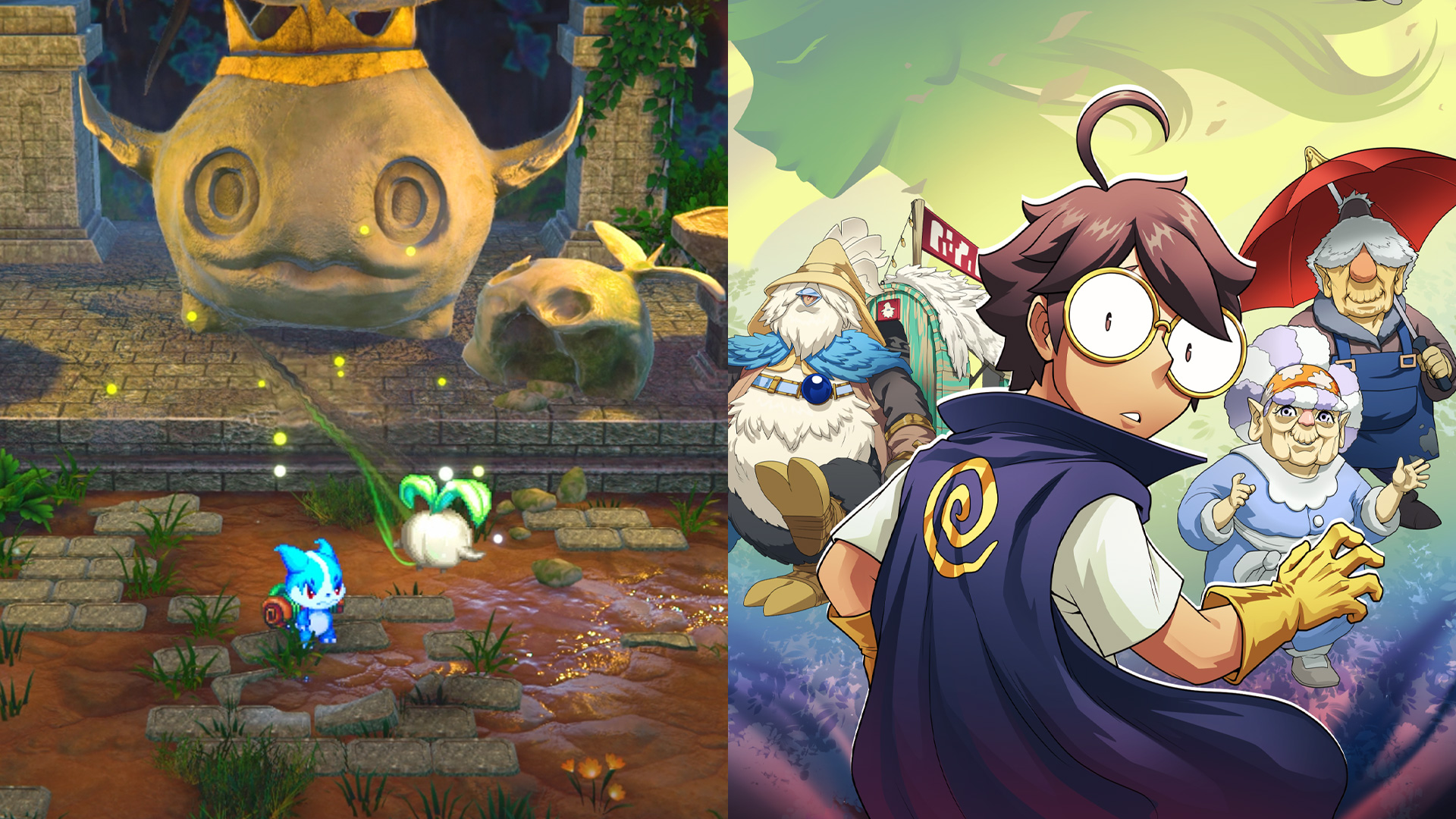
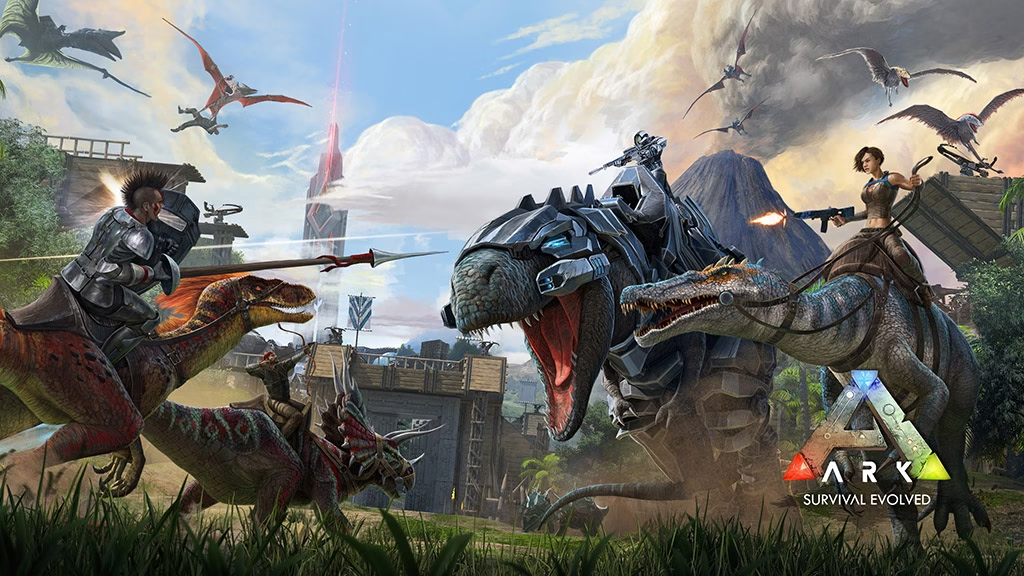
The rejection in Japan quickly reached social media and discussion forums. In communities such as Reddit, the news sparked debates about the impact of this kind of patent on the industry and what would come next. The ARK community, for example, has discussed how the game's mechanics and art style use similar ideas, but in a completely different context.
In these conversations, the point raised most often is the same: if overly broad patents are approved, any mechanic resembling a preexisting idea could become the target of a dispute—something unthinkable for an industry that depends precisely on inspiration, evolution, and reinvention.
One case in point is how intellectual-property legal analyst Florian Mueller observed and made clear to the international website Windows Central: “the examiner probably did not fully consider the scope of prior art in video games, or did not understand how common summoning mechanics were,” explaining that it was an obvious mistake even to approve something of this scope for examination.
How Florian Mueller Views Nintendo's Approach to Gameplay Patents
Mueller frequently comments that Nintendo tries to register ideas that are too broad and should not be patentable because:
- they are game mechanics, not technical inventions,
- they have existed for decades,
- and they are essential to the industry's creativity.
In other words, he believes the company is trying to patent concepts that belong to the public domain of game design. In his analysis, he makes clear that Nintendo is pushing the patent system to its limit, stating that “Hundreds of games could be affected by patents like this one.”
It is as though Nintendo were not protecting technology, but instead trying to “tie up ideas.” Mueller criticizes the “chilling effect”: even if the patent is not strong, its mere existence frightens those who do not have the money to fight it in court.
He explains that Nintendo knows exactly how much weight it carries: it is easier not to take the risk than to be sued.
Basically, if fundamental mechanics are patented, game design becomes a minefield.
For now, Nintendo can still revise the application or file another one, but the Japanese decision already sends a clear message. The gaming market is increasingly unwilling to accept attempts to register such common ideas. And, by all indications, the debate over gameplay patents is still far from over.