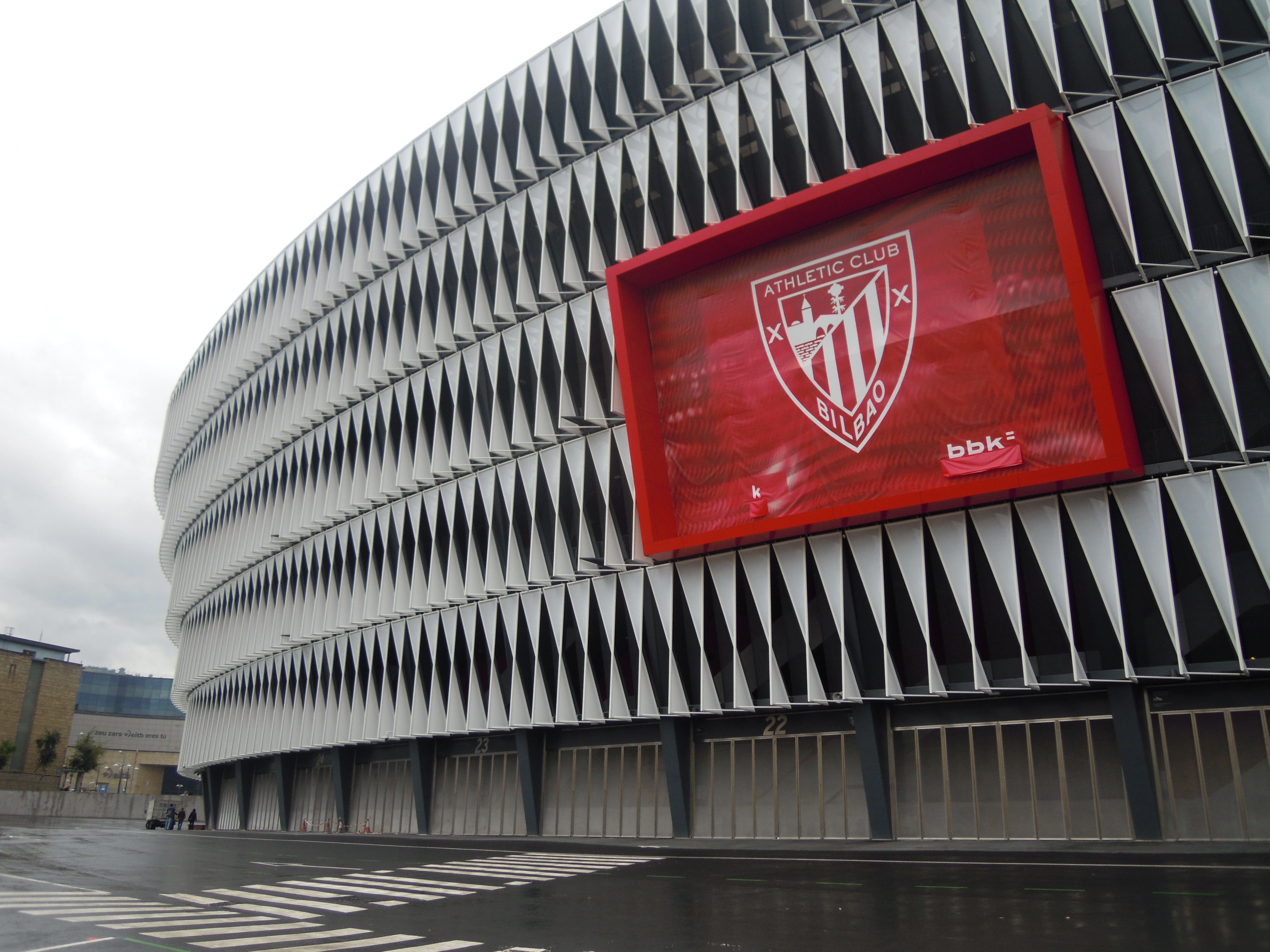
Football is much more than just a game; it is an expression of identity, passion, and, in some cases, even nationalism. Athletic Bilbao, a football club based in Spain's Basque Country, stands out not only for its achievements on the field, but also for its deep connection to its homeland.
Founded by Britons in 1898, Athletic has a unique history. Since the dictatorship imposed by Francisco Franco in Spain in the early 1940s, the club has represented an intense narrative of struggle and resistance. Because of the oppression experienced at that time, a Basque nationalist feeling emerged, and it remains visible and rooted in the club to this day. Here is why:
The club's identification with players from the region
Athletic Bilbao is a football club that stands out in a very unique way compared with most other teams, especially those playing in major leagues. While many clubs spend a great deal of money bringing in players from all over the world, thanks, for example, to broadcast and sponsorship revenue, Athletic Bilbao follows a different strategy.
Athletic Bilbao's player-transfer approach, although not formally established as a rule, favors signing players born in the Basque Country or who have a family connection to people born in the region. As a result, Athletic Bilbao appears to strongly prefer recruiting young talent from clubs such as Real Sociedad, Deportivo Alavés, Eibar, and Osasuna. All of these teams share the region with Athletic.
Restricting access to foreign players not only appears to have strong support among fans, but has also produced positive results in the team's performance. With 34 trophies won by the time this text was produced—the most recent in 2015, when the club overcame Messi's Barcelona—and no relegation experience, Athletic stands out as one of Spain's most successful clubs.
Controversies, violence, and reaffirming identity
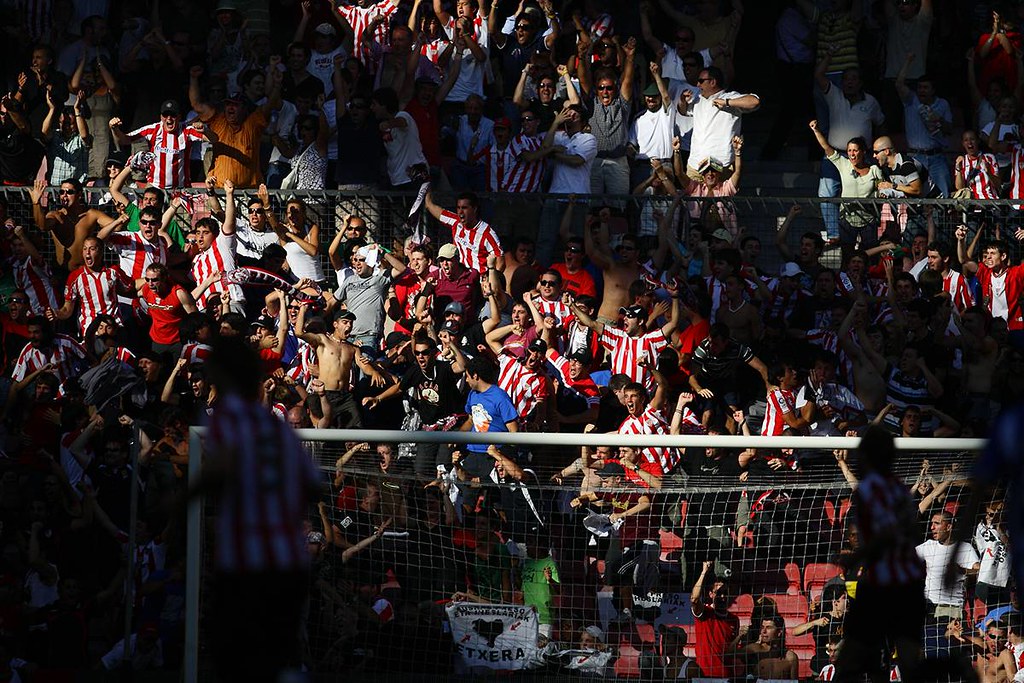
Despite being held up as an example of a club's bond with its community, many people see Athletic Bilbao as a catalyst for separatist and anti-Spanish ideas. This kind of thinking has already triggered several episodes of police violence involving supporters. Police brutality and harsh media judgment have become a kind of routine for the club.
However, it is undeniable that even while provoking this kind of thinking in the public, some teams around the world would like to have Athletic's courage. The way it takes a position and builds ties with the local community is something many teams would spend fortunes to obtain, but it cannot be bought.
Athletic Bilbao and Basque nationalism form an exceptional fusion in the world of sport. The club's unique policies not only reinforce its identity and history, but also serve as a powerful expression of Basque nationalist pride and aspiration within the game. While facing challenges and controversies, Athletic Bilbao continues to inspire those who value the connection between sport and cultural identity in a market where players are constantly bought and sold.