With the arrival of Streets of Rage 4, after 24 years without a new entry in the franchise, nostalgic gamers turned all their attention to SEGA's legendary street-brawling series. The original trilogy stood out within the beat 'em up genre thanks to a soundtrack that made good use of the Mega Drive's capabilities, nighttime settings that created an excellent atmosphere, charismatic characters, and a great cooperative mode. However, the behind-the-scenes story that gave rise to the series is just as interesting as the games. That is why we at Epic Play decided to share some facts about the Streets of Rage series.
"We Want Our Own Final Fight"
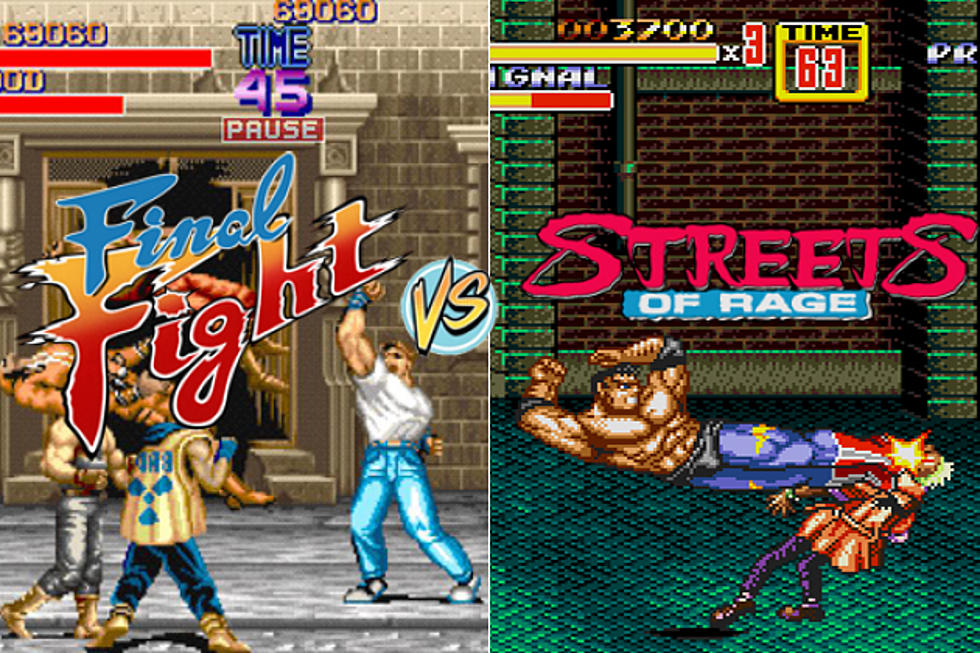
Image: Arcade Sushi At the time, the beat 'em up genre was thriving thanks to the success of Final Fight in arcades. Because the Mega Drive had been developed to make the process of converting arcade games to consoles easier, executives hoped Capcom would choose their system for the game's home edition. Unfortunately, the company behind Street Fighter and Mega Man decided to bring the title to the Super Nintendo, where it became a major hit in Japan during Christmas 1990 despite several cuts. SEGA, meanwhile, had successful games in the genre such as Alien Storm and Golden Axe, but these were arcade conversions, and SEGA decided that the company should make its own Final Fight exclusively for the Mega Drive. Management gave the SEGA CS2 team the mission of developing "their own Final Fight": a visibly similar game, only better. If the competitor had two playable characters, SEGA's game would have three; if the SNES game was only for one player, this one would support two, and both players could perform combined attacks. Interestingly, one of the artists, Atsushi Seimiya, said the team bought a Super Nintendo solely to study Final Fight and make a superior game.
D-SWAT: The Beta With a Playable Chuck Norris
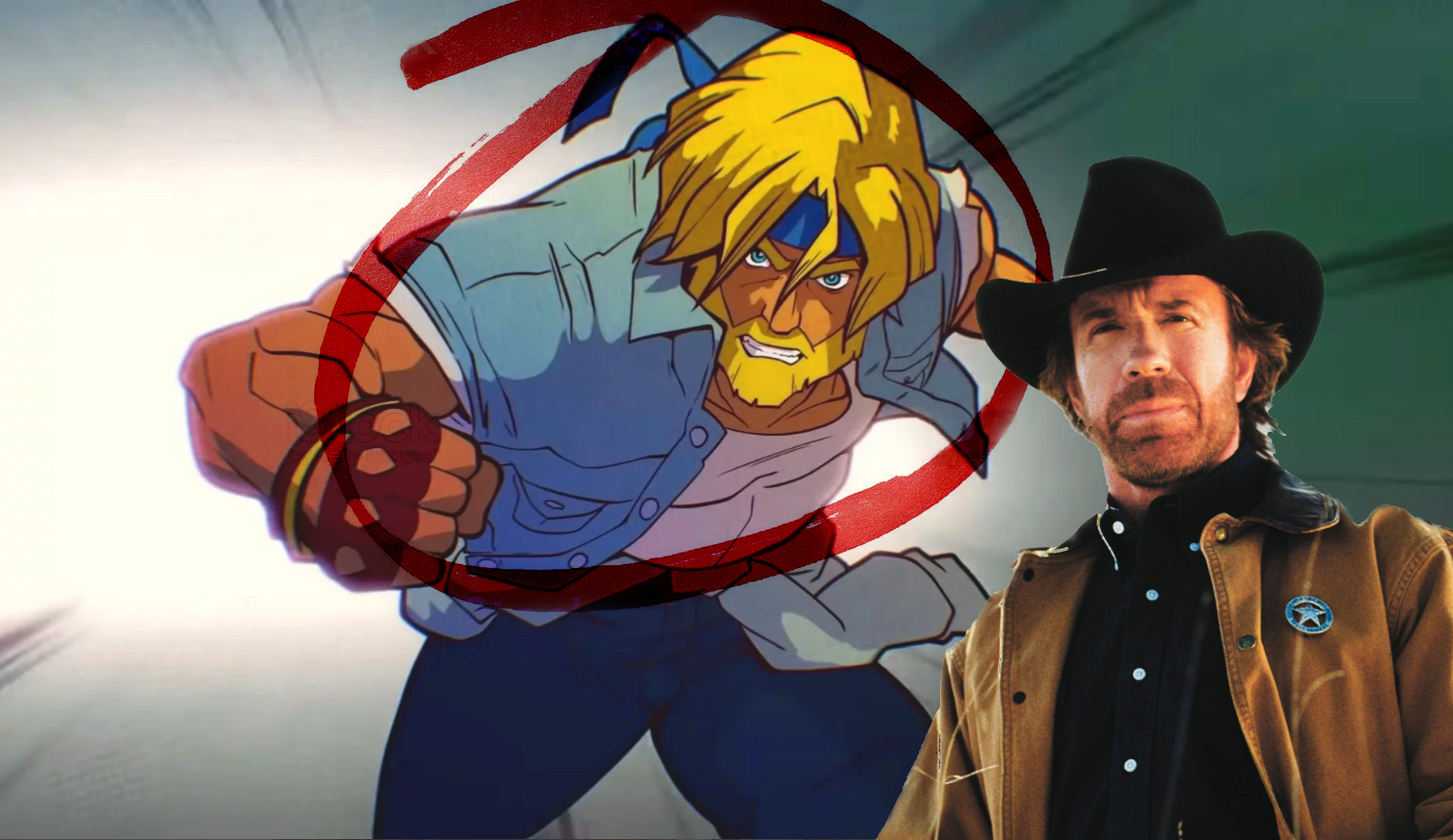
According to the 2014 book "Sega Mega Drive: Collected Works," the prototype name for Streets of Rage was D-SWAT, a reference to the game Cyber Police ESWAT for the same console. At that point, the three playable characters were not the ones we know, although they served as the basis for Axel, Adam, and Blaze. What stands out is that the beta version of Axel would have been called God Hand, and he was clearly inspired by Chuck Norris.
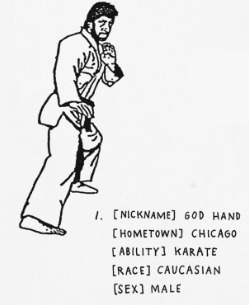
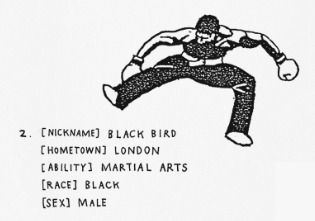
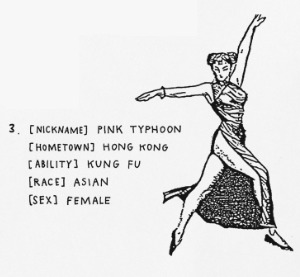
God Hand — visibly inspired by Chuck Norris (Reproduction) The Black character, meanwhile, would have been called Black Bird and would have been a martial arts specialist resembling a muscular boxer. Finally, the woman would have been called Pink Typhoon and was inspired by Chun-Li from Street Fighter.
Yuzo Worked on the Music and Voiced the Characters' Shouts
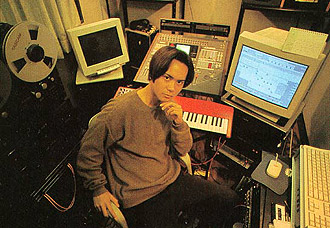
Reproduction In the same book, Yuzo Koshiro said he chose to work with electronic music because of its popularity in the West at the time, as well as the fact that it was not well known in Japan. Because the Mega Drive was more popular in North America than in the Land of the Rising Sun, this would be an excellent opportunity to create music that would make Western players happy while introducing Eastern players to the style. "I told them (SEGA's management) that electronic music would work, and that I wanted it to be that way, and then I gave them a demo tape. The manager of SEGA's consumer department really liked it. It was fortunate, because I think there were people there who would have rejected music that wasn't popular in Japan." Interestingly, the characters' raspy voices when they attack, a result of the Mega Drive's technical limitations, belong to Koshiro himself. For Blaze, he used a falsetto voice and then altered it on a computer to give it a more feminine quality. To compose the music, Koshiro used an original programming system called "Music Macro Language," based on a variant of the BASIC language.
"Go Straight" is one of the most popular songs in the series. Composed by Yuzo Koshiro for Streets of Rage 2.
Sequels and the (Almost) Fourth Chapter
The first title was a success with players and critics, and SEGA succeeded in its goal of creating a rival to Final Fight, giving rise to countless debates among the retrogaming community that continue to this day over which series is better.
Many argue that the saga's second chapter is the best in the trilogy because it takes every element of the first game and improves it, while the third title, despite achieving commercial success, is considered the weakest of the three in terms of both gameplay and soundtrack, which is good but less inspired than its predecessors.
Since then, there had been no new Streets of Rage game, but one interesting story concerns Fighting Force. At the time, SEGA hired developer Core Design to develop Streets of Rage 4, and during the process the developers tried to negotiate the possibility of porting the title to other consoles.
Because the Streets of Rage series belongs to Sonic's company, SEGA rejected that possibility, and Core Design ultimately changed the project, modifying the characters, giving it a new name, and releasing the 3D beat 'em up for PlayStation, Nintendo 64, and PC.
For this reason, both games are very similar, including the protagonist's name, Hawk, which, coincidentally or not, was Axel's beta name.
Streets of Rage 4 After 24 Years
After countless attempts that never "materialized," SEGA surprised everyone by revealing the closely guarded new Streets of Rage 4. Developed by Lizardcube, a studio that had recently gained recognition for the Wonder Boy remake, in partnership with Guard Crush Games, the new game will feature hand-drawn graphics and classic gameplay with new commands. Judging by Axel's appearance, it is believed that some time has passed since the third chapter, although nothing was confirmed in the trailer. Blaze, meanwhile, looks as though she has been "preserved in formaldehyde."