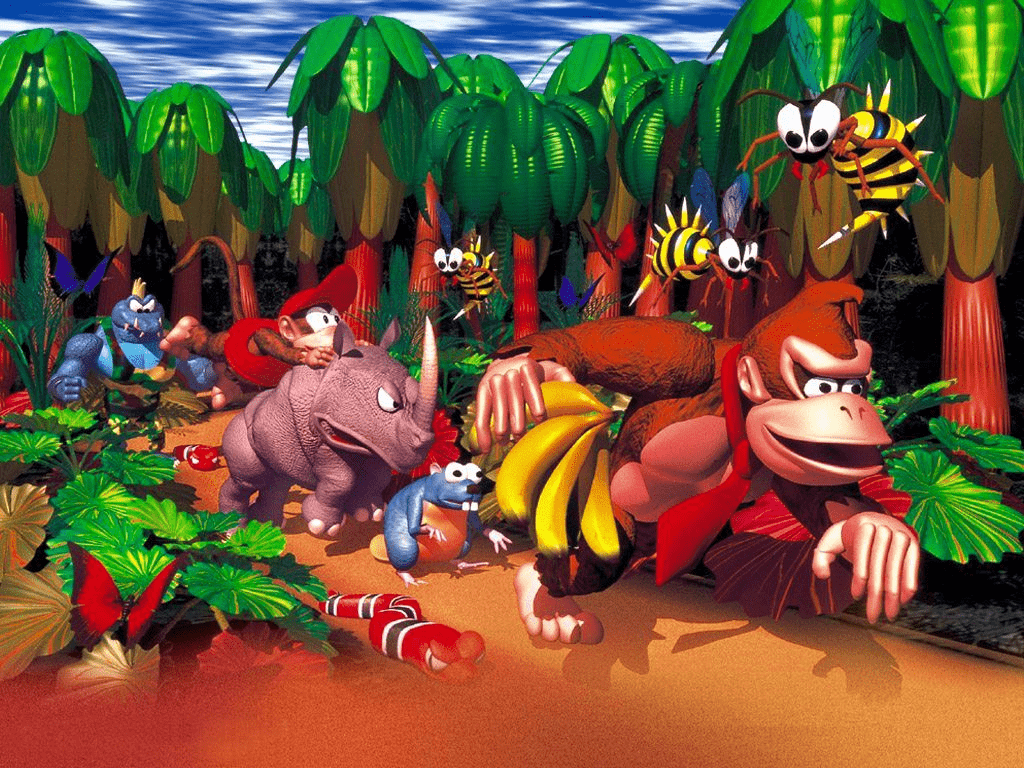
The year was 1994. The console war involving SEGA and Nintendo showed other companies that the growing market had room for more video game systems. The fifth console generation had already begun, and the Sega Saturn and PlayStation were in the works. In June of that year, Chicago hosted Summer CES, the electronics trade show that preceded E3, and everyone expected more information about the 3DO, Jaguar, and other modern hardware. Several titles drew media attention to these new consoles, including the beautiful Road Rash and Gex for 3DO. What no one expected, however, was that the show's most beautiful and acclaimed game would be for the already aging Super Nintendo: Donkey Kong Country.
Donkey Kong Country was originally released for Super Nintendo in November 1994, developed by Rare and published by Nintendo. Versions considered inferior were later released for Game Boy Color in 2000 and Game Boy Advance in 2003. Finally, its original version was rereleased for Virtual Console in 2006 and 2014, for Wii and Wii U, respectively.
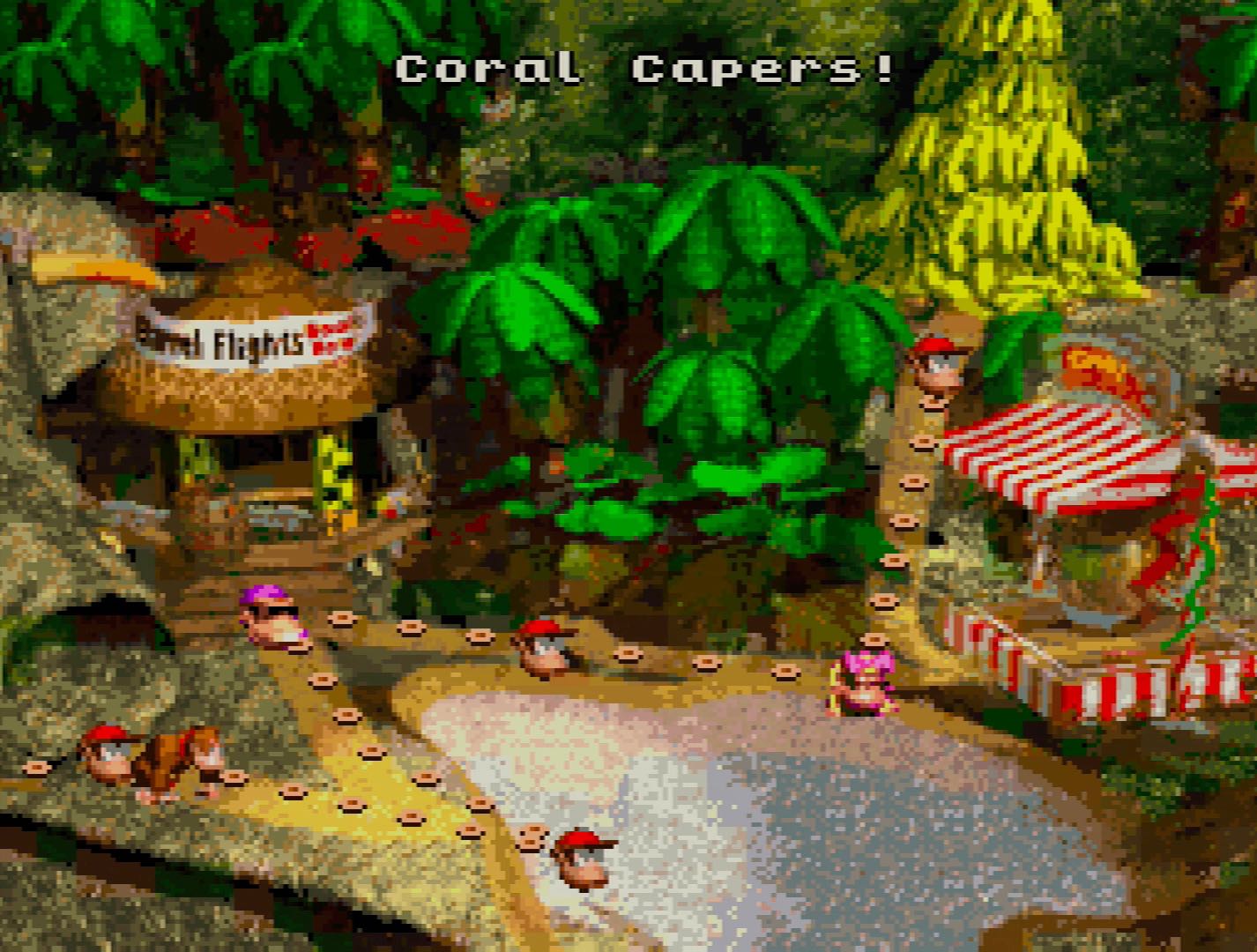
The simple, functional maps followed the classic Super Mario Bros. 3 style.
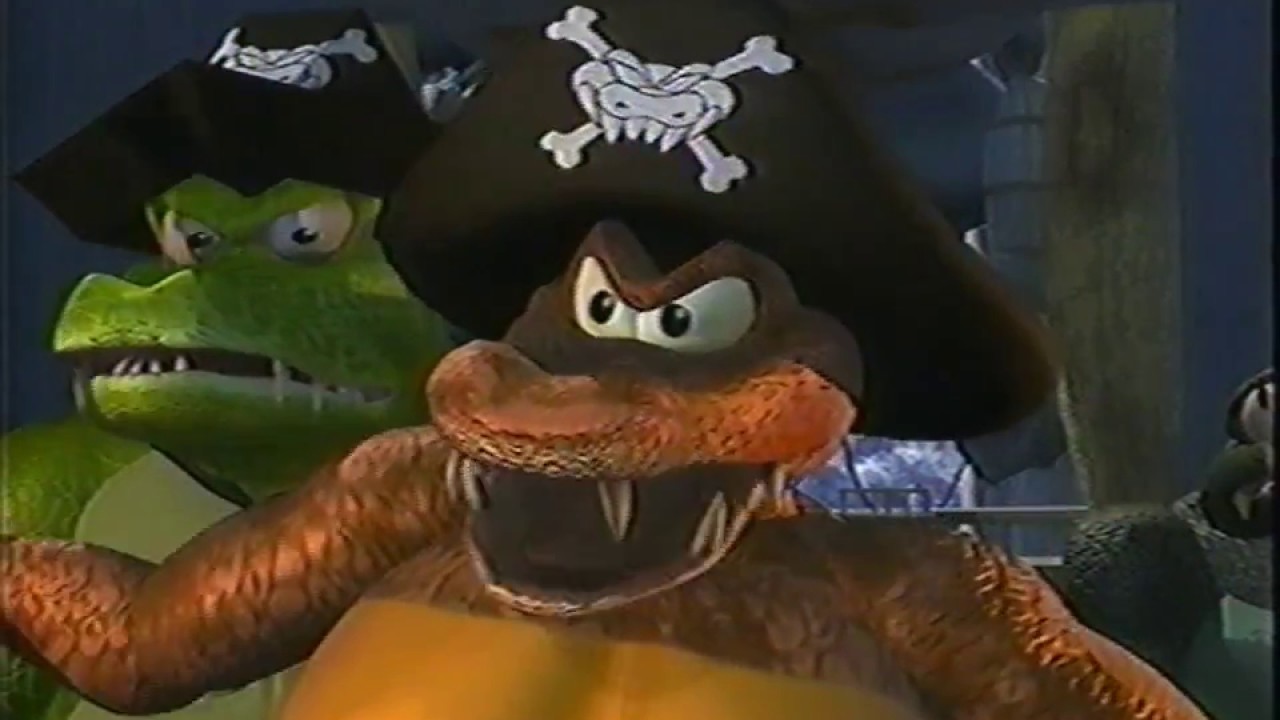
Fun fact 1: Those fortunate enough to experience the 1990s had the privilege of watching video game commercials on television. Below, we will see two of them: one made specifically to sell Donkey Kong Country and another featuring the monkeys Gonçalves and Dolores, with a clear reference to the apes' games. Those were the old days of Playtronic representing Nintendo in Brazil.
Below is the Gonçalves and Dolores commercial.
Platforming and the "Console War"
Donkey Kong Country won players over from its presentation. The Rare logo materializing already showcased the impressive graphics of the Super Nintendo's first 32-megabit cartridge, even though it did not use any type of extra chip to model its detailed characters. Cranky plays the music from the classic arcade Donkey Kong on a phonograph when the new tie-wearing ape suddenly drops in and knocks down the old simian who represents the franchise's past.
If players had the patience to watch the animation again, they would see a steamroller pass by. None of this was meaningless. Rare knew it had a work of art on its hands and showed that Cranky's fall symbolized the franchise's new era, just as the roller would finally leave the Mega Drive in second place for the generation. Simply brilliant.
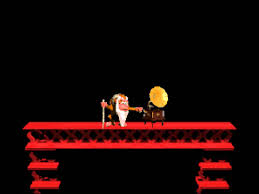
The classic DK's music and setting give way to something modern and cool.
During the fourth-generation console war, platformers were the most prominent genre among players, with Mario and Sonic dominating every other mascot that tried to earn a place on the podium. Amid attempts by several companies to launch the fifth generation early, Rare managed to show that the Super Nintendo still had untapped potential and that SEGA's 32X and the Jaguar's supposed 64 bits were nothing more than competitors' extravagances.
Fun fact 2: Sales of Donkey Kong Country were incredible for its release period, reaching 9.3 million units for the original Super Nintendo version alone. This figure makes it the best-selling game in its franchise and the second best-selling title on its console, behind only Super Mario World with its incredible 20.6 million.
Technical Analysis
The story of Donkey Kong Country is more of a simple premise. One day, the ape who gives the game its title discovers that his banana hoard has been stolen from his home in Kongo Jungle by King K. Rool, leader of the reptilian Kremlings. The adventure follows Donkey and his nephew Diddy as they search for the stolen treasure.
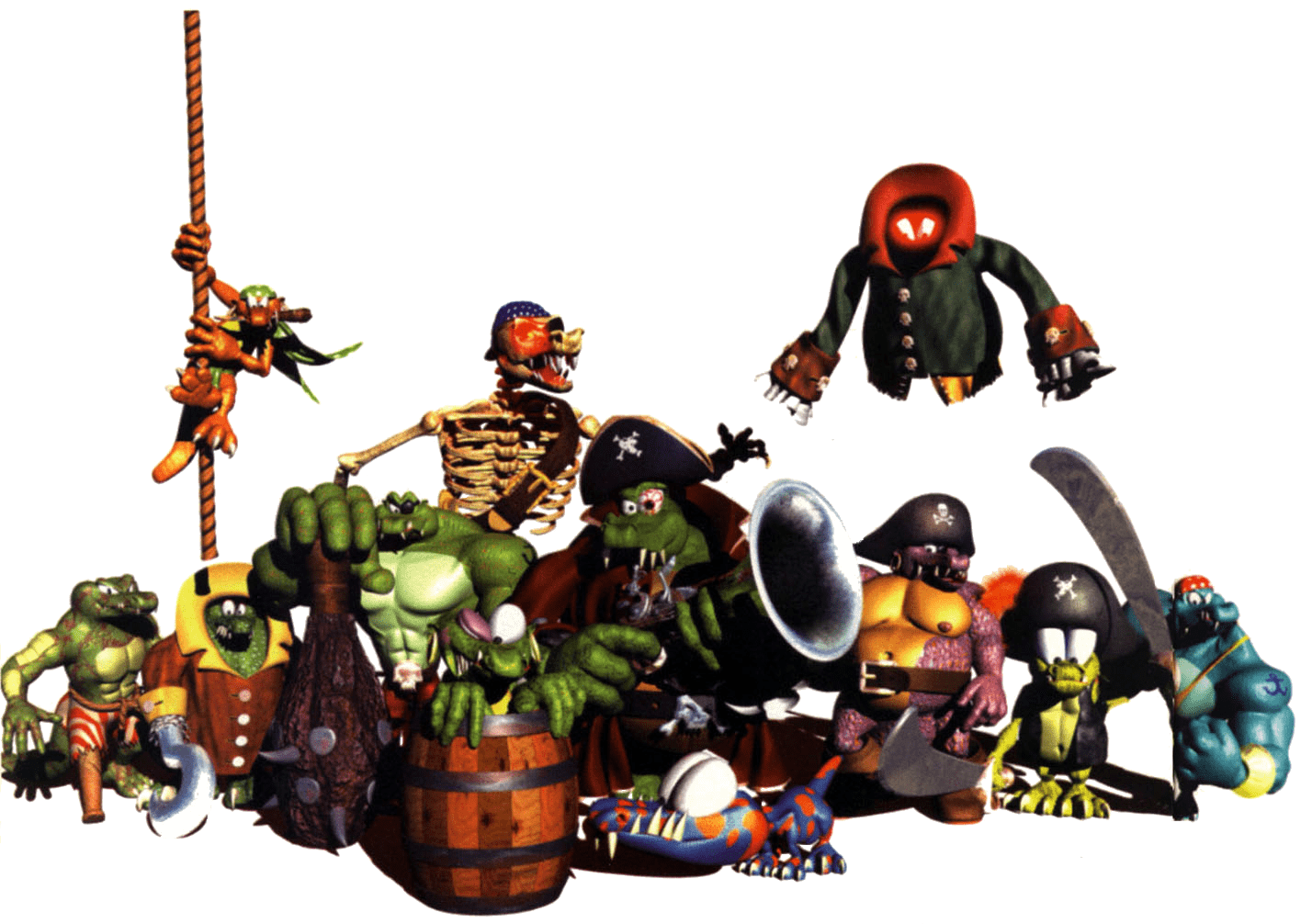
Images of Kremlings from the Donkey Kong Country trilogy on Super Nintendo.
During the campaign, we cross 40 stages spread across six worlds with different themes. There are underwater and snowy sections, vine stages, levels focused on launching the characters from barrels, and the famous mine carts that became symbols of the game. Beyond its excellent quality, the gameplay is also highly varied, not only because Donkey and Diddy have different abilities but also because of the animal mounts found in certain stages. If we lose one of the characters, the other continues from that exact point until finding a DK barrel and recovering their friend.
The level design, with hand-produced prerendered settings by Tim Stamper, is truly beautiful and works very well with the game's fluid gameplay.
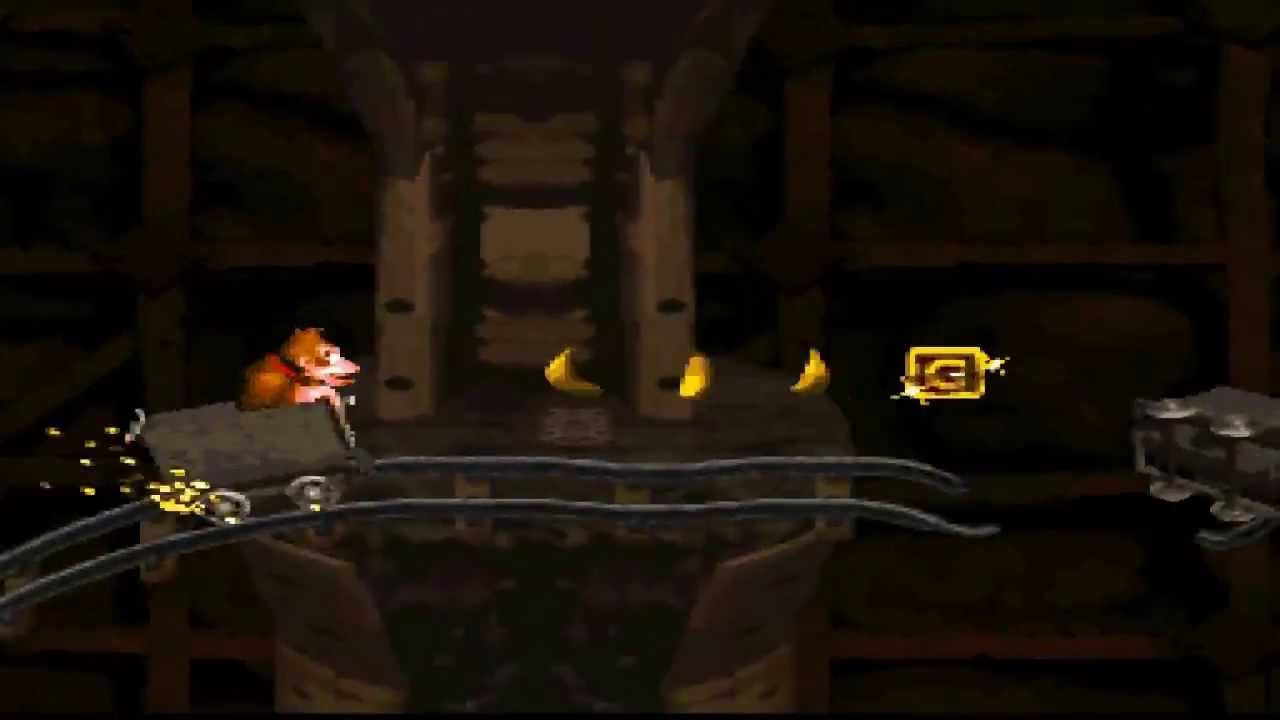
Were you someone who liked or feared Donkey Kong Country's mines?
The difference between Donkey and Diddy is that the former is stronger and slower, while the latter is faster and weaker, leaving players to discover the best moment to use each character. The game can be enjoyed in single-player or multiplayer. In the latter option, players can take turns or play simultaneously.
The map screen for selecting stages is inherited from Super Mario Bros. 3 and performs its function very well. At the end of each world, a boss guards a large part of the Kong family's "treasure." It is also worth remembering that Funky can give us a "ride" if we want to travel between worlds.
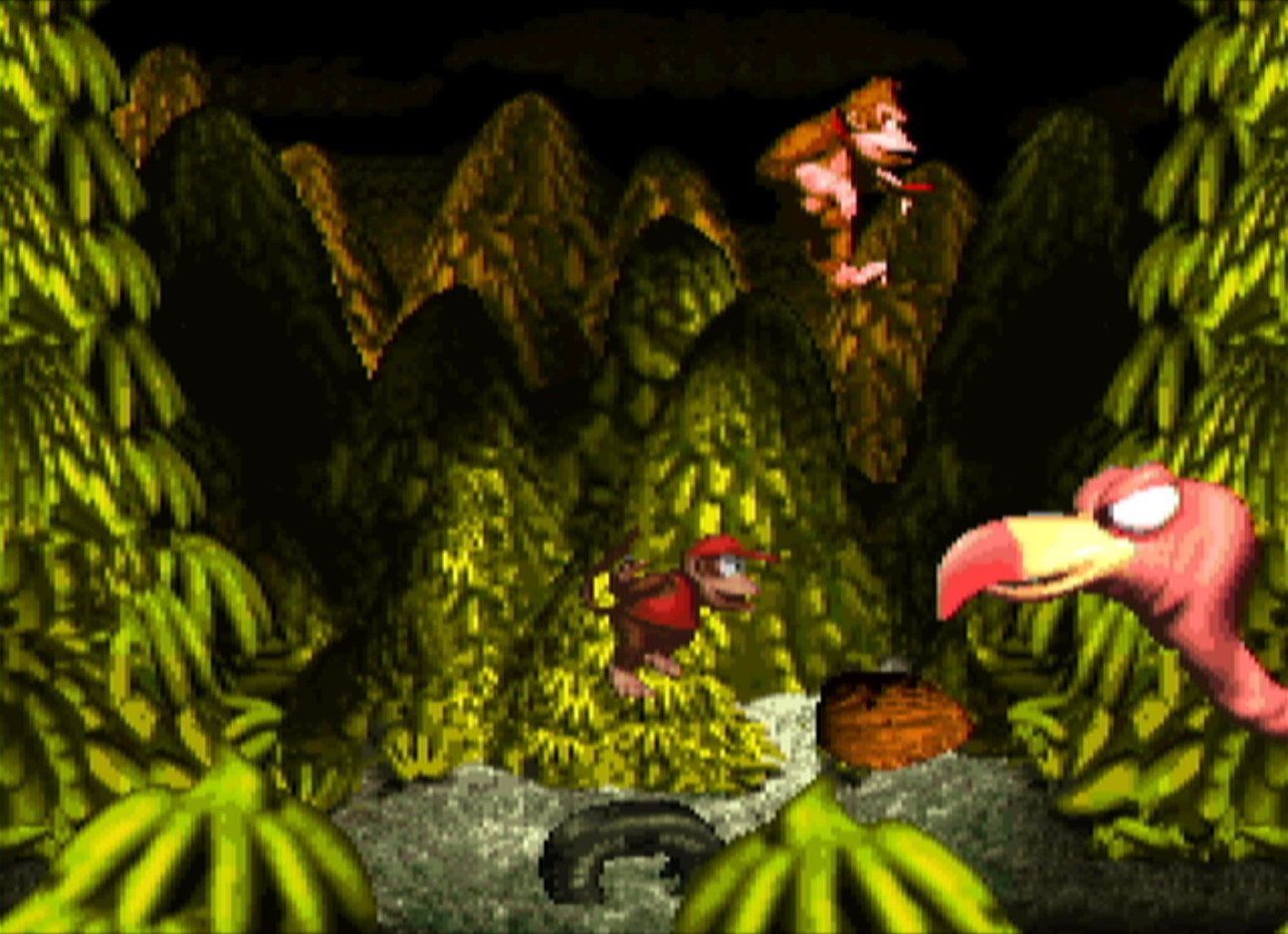
Although beautiful, the bosses are larger versions of enemies already present in the campaign.
The game's difficulty is reasonable and frustrating only for newcomers to the franchise. Although the bosses are fun to face, they are not particularly creative, consisting of giant versions of enemies found in the stages. Replay value is high: besides being a great game that makes us want to play it again, the quest for the famous 101% is quite demanding. A first completion takes a player about ten hours on average—much longer than most games in the genre at the time—and that figure grows considerably for anyone who wants to find every one of its many secret passages.
The Donkey Kong Country soundtrack is incredible. Composers Robin Beanland, Eveline Fischer, and David Wise made the most of what the Super Nintendo's audio channels could provide. Even at the time, orchestras began performing its music around the world, and soundtrack CDs were sold. There are many tracks, and every one is highly inspired. Choosing the best song from this incredible game is truly difficult.
Below is the complete original soundtrack of Donkey Kong Country.
Below is a performance of the Donkey Kong Country soundtrack featuring David Wise and Robin Beanland during Video Games Live.
Fun fact 3: The success of Donkey Kong was so significant that the game received a television series in the 1990s. The animation ran for 40 episodes and made extensive use of computer-generated effects. The studios responsible for the series, titled 'La Planète Donkey Kong,' were France 2 and Nelvada, based in France and Canada, respectively. In Brazil, it aired on TV Record and Fox Kids. For many, this was not the Kong family's finest moment.
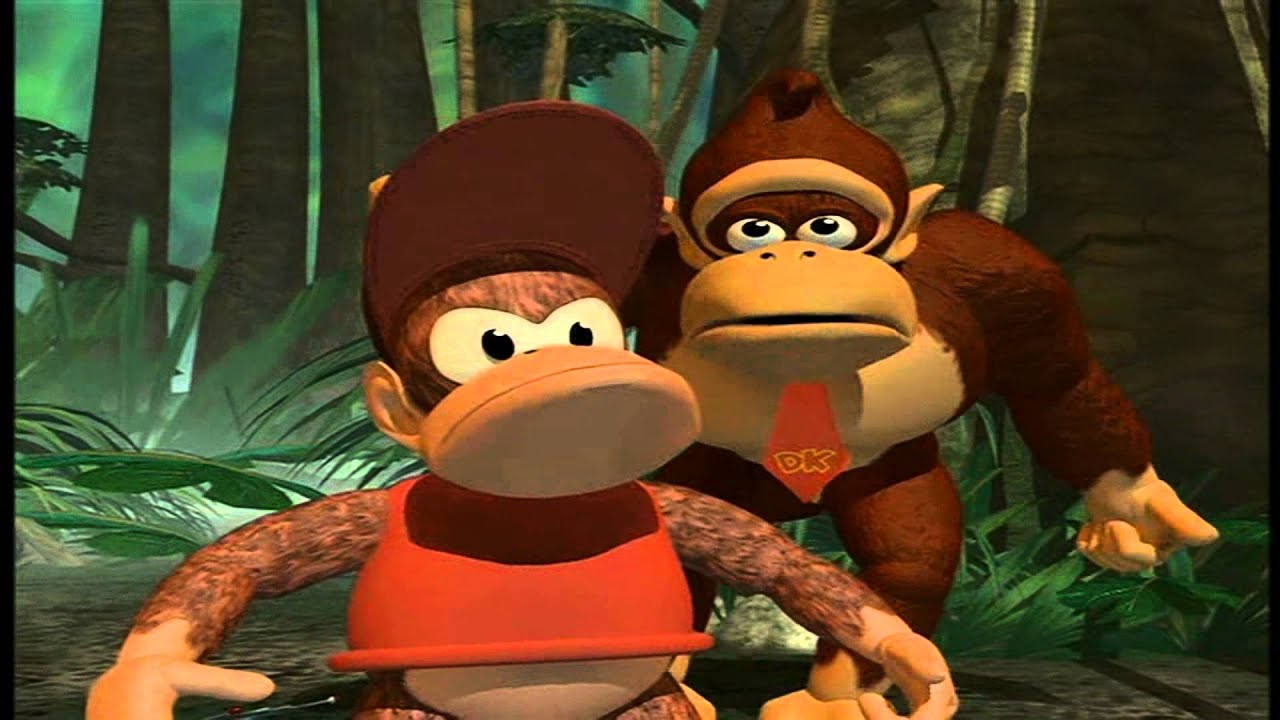
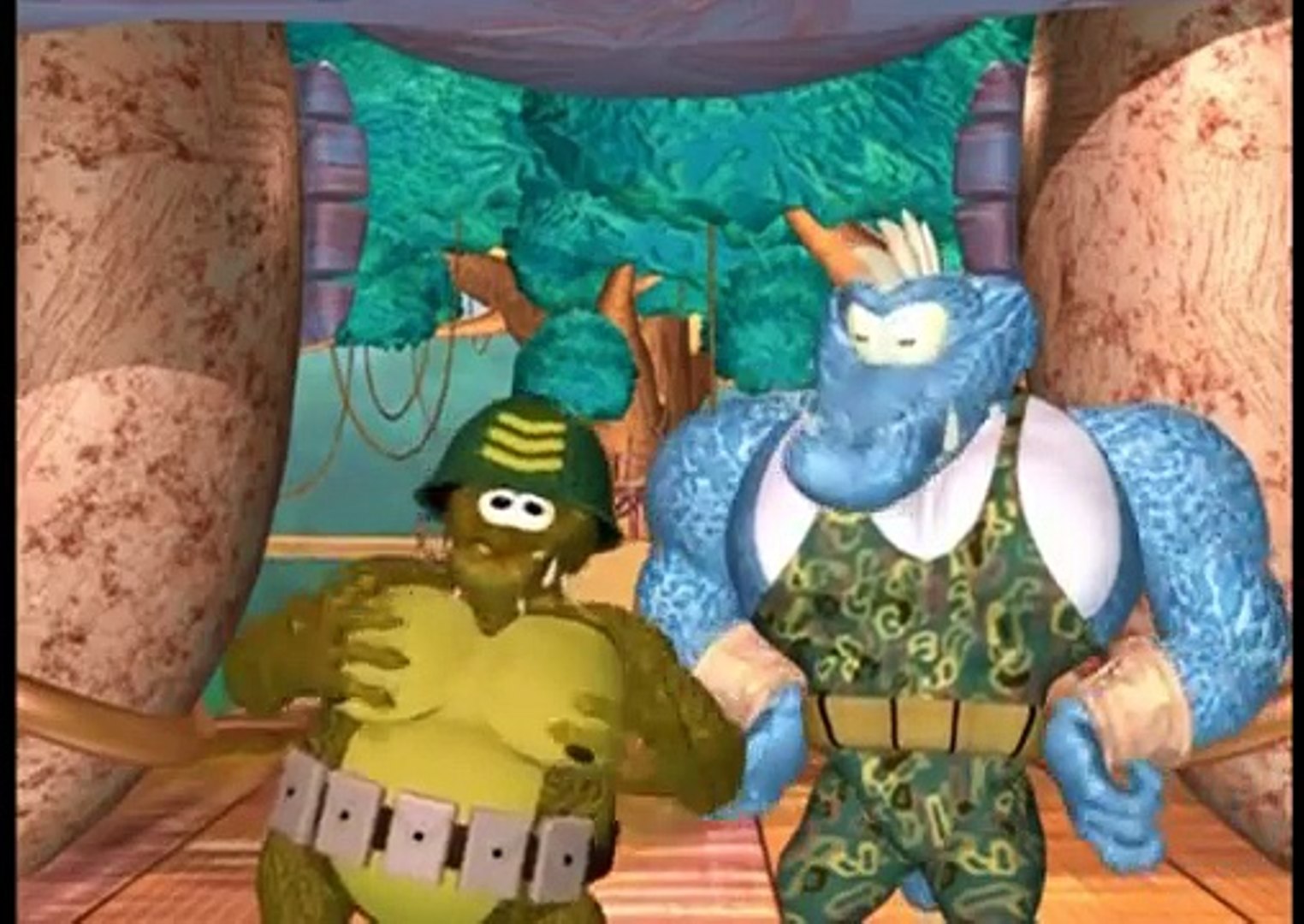
Behind Donkey Kong Country and Its Incredible Graphics
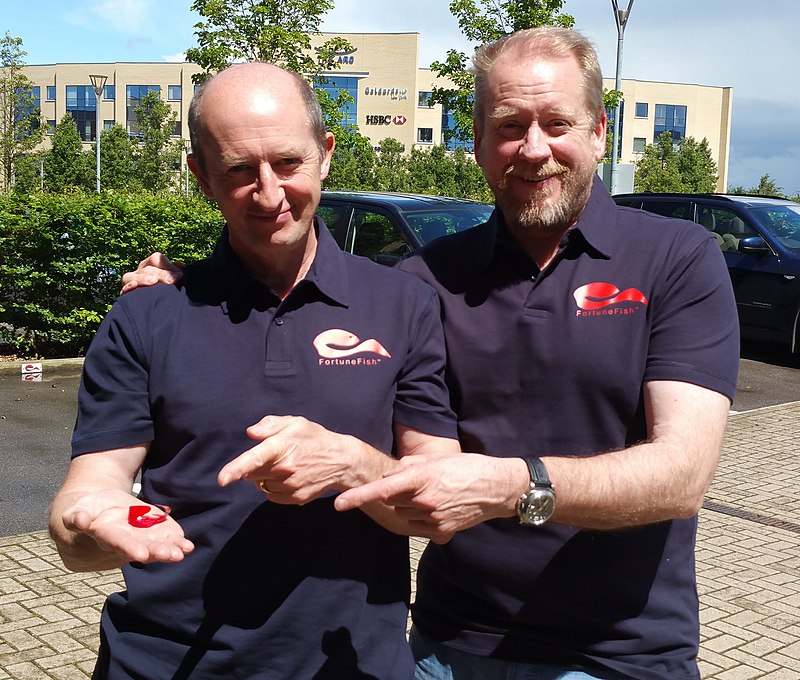
Tim and Chris Stamper.
Brothers Tim and Chris Stamper—an artist and a programmer, respectively—began their journey in the game industry in the early 1980s by making games for the home computers of the time, such as the ZX Spectrum. They already found some success there with titles including Sabrewulf and Knight Lore. During the same period, they saw the NES as a good opportunity and, after reverse-engineering the console, began developing high-quality games for the platform, such as the beautiful Battletoads, among the more than 60 titles they released for the system. Rare was also achieving great success during this period through games released for other platforms, including Game Boy, Game Gear, Master System, Mega Drive, and Super Nintendo.
Chris Stamper had a powerful desire to develop something revolutionary. With that in mind, he purchased extremely expensive Silicon Graphics workstations, which had been responsible for the special effects in Terminator 2 and Jurassic Park, films that received the Oscar for Best Visual Effects in 1992 and 1994, respectively.
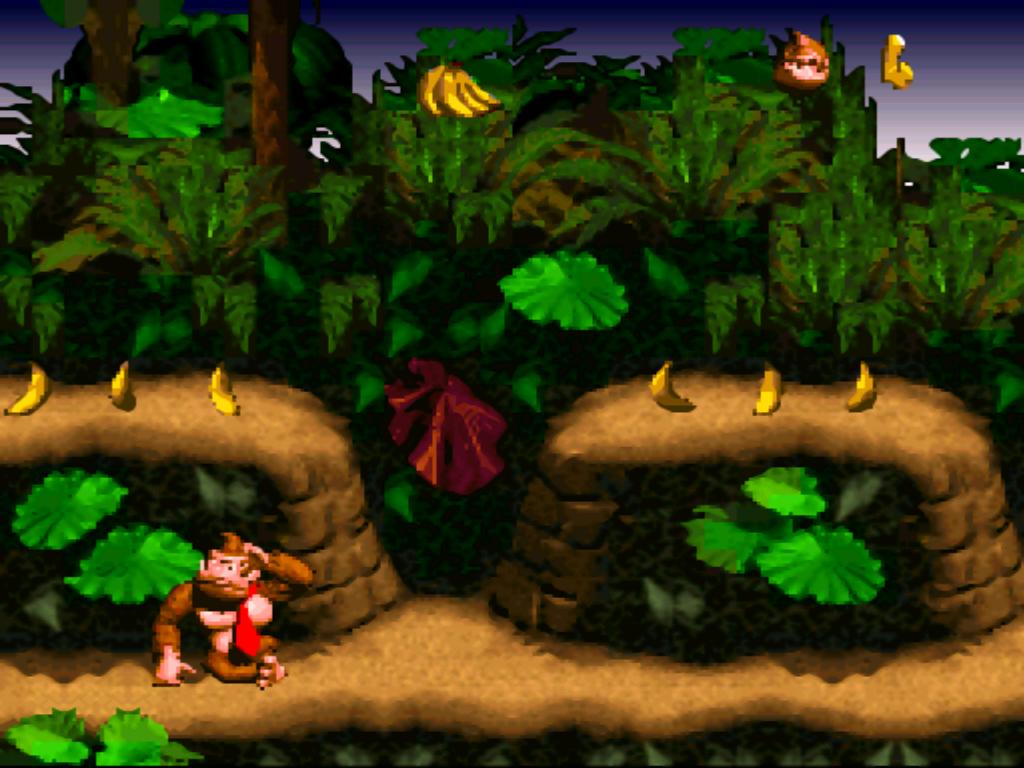
The many animations showed the care devoted to creating the main characters.
After the first tests with the graphics workstations, the brothers invited Nintendo representative Genyo Takeda to see what Rare could do. Takeda simply could not believe what he was witnessing and reportedly even checked beneath the table holding the Super Nintendo for other cables connected to a computer. Chris explained that they had converted high-polygon 3D models into sprites using the technique known as ACM.
On returning to Japan, Takeda shared the news with Nintendo president Hiroshi Yamauchi, who bought 25% of Rare's shares and thereby secured exclusivity for the studio's games from then on. The president himself ultimately granted the studio the rights to one of Nintendo's main franchises so it could make a game using this new technology, and Donkey Kong Country was born.
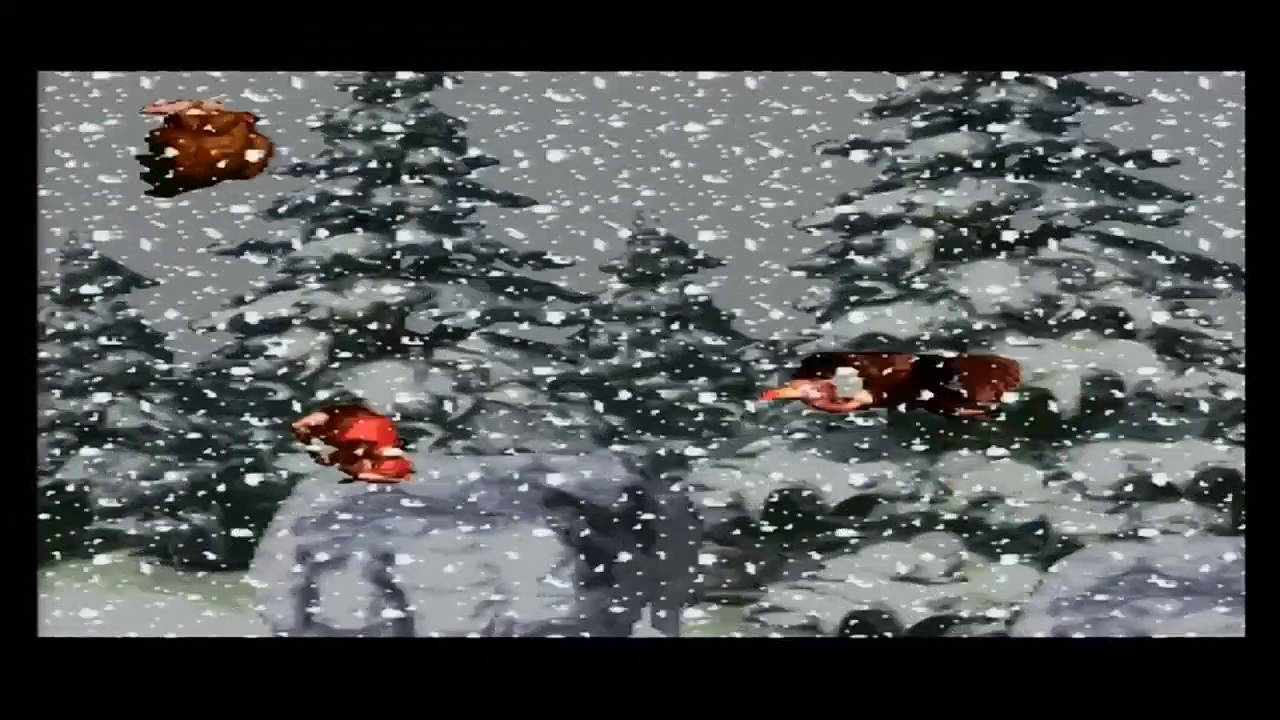
The abrupt weather changes during play were simply incredible.
Shigeru Miyamoto, creator of the original Donkey Kong, sent Rare suggestions for the new game, including the ape's red-tie design, but was ultimately not deeply involved in the project because he was producing other games in Japan, such as Yoshi's Island.
According to Steven L. Kent's book "The Ultimate History of Video Games," after Nintendo saw the first results from Donkey Kong Country, the company began pressuring Shigeru Miyamoto and demanded that the designer use Rare's modeling technique in Yoshi's Island. Miyamoto reportedly said in a burst of anger: "Donkey Kong Country proves that players will put up with mediocre gameplay as long as the art is good". Some time later, the original Donkey Kong designer apologized for his words and admitted that he had said them because he was under pressure, agreeing that Country deserves the credit it receives.
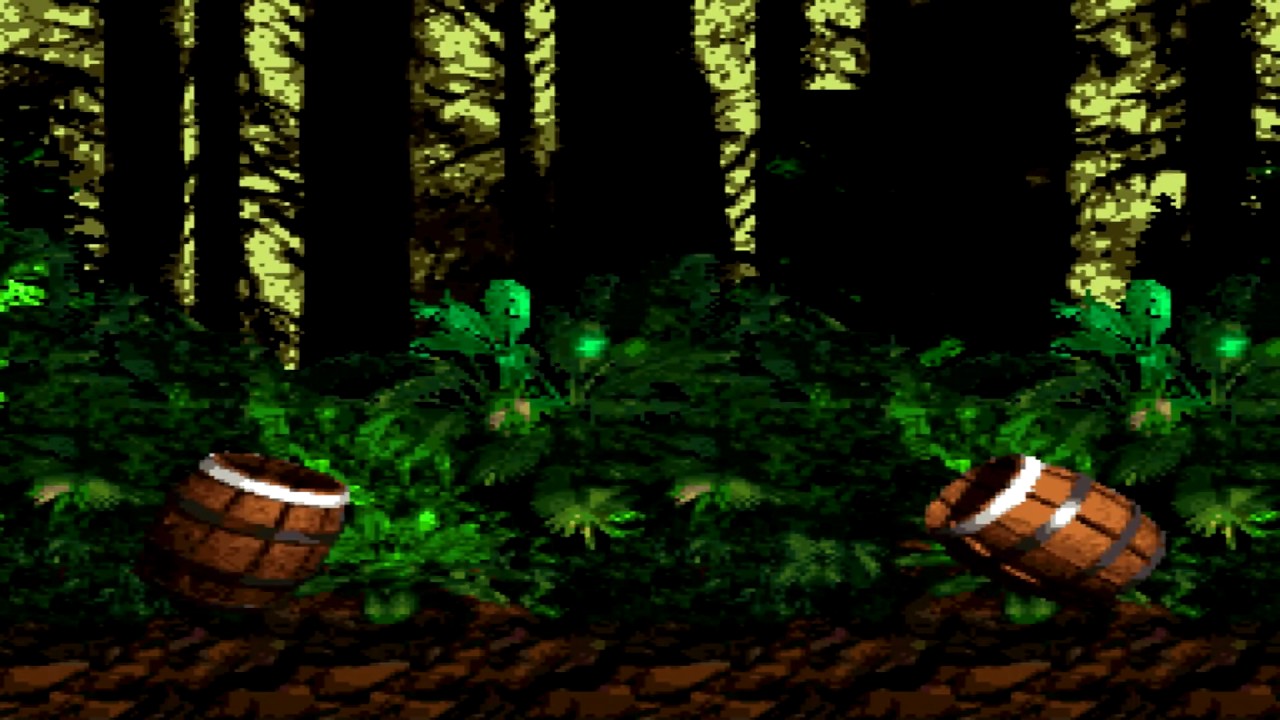
That famous moment when you had to press a button at exactly the right time. This precision was often frustrating.
Despite all the qualities of Donkey Kong Country, the main reason it is remembered today is its graphics, considered revolutionary at the time, as Rare took a risk by using sprites modeled in 3D beforehand. This new compression technique allowed the developers to add far more detail to each sprite than in other games on the market at that moment. This elaborate animation technique is known as ACM (Advanced Computer Modeling).
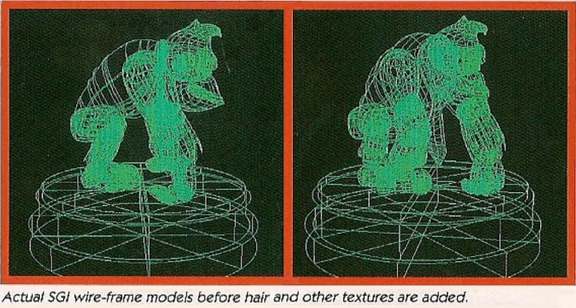
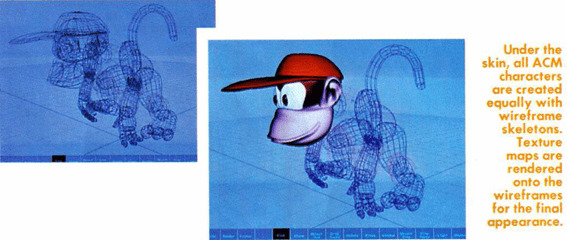
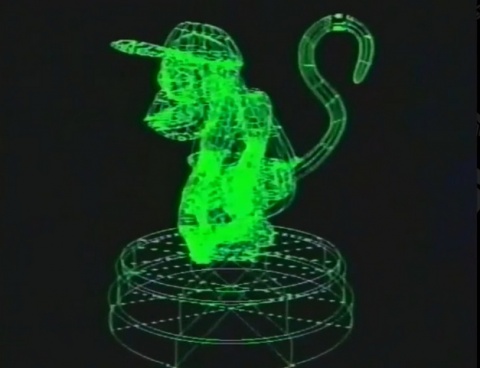
The settings were beautiful. Weather changed abruptly without any slowdown, with fantastic water, ice caves, and textures that made everything look as though it came from a futuristic console. The very first stage begins during the day and ends at dusk, while other levels featured lightning or sudden snowstorms. The number of animations for the protagonists was also impressive.
Fun fact 4: The Aquatic Ambience theme was apparently a tremendous headache for the Donkey Kong Country programmers because it demanded more than the Super Nintendo could provide. At least we know the effort was worthwhile, as the music is beautiful.
Friends of the Forest
I usually highlight games' enemies in my reviews by describing them in a bestiary. This time, I thought I would do something different: since the Kongs have a large number of helpers in their games, I decided to reverse the idea and introduce the apes' friends.
First, the ape friends:
- Cranky Kong: There is controversy over whether Cranky is the same gorilla who tormented Mario in the classic arcade Donkey Kong. Today, this debate is essentially settled, and Nintendo accepts that they are the same ape. His role in the game is to grumble, offer advice, and make a few jokes;
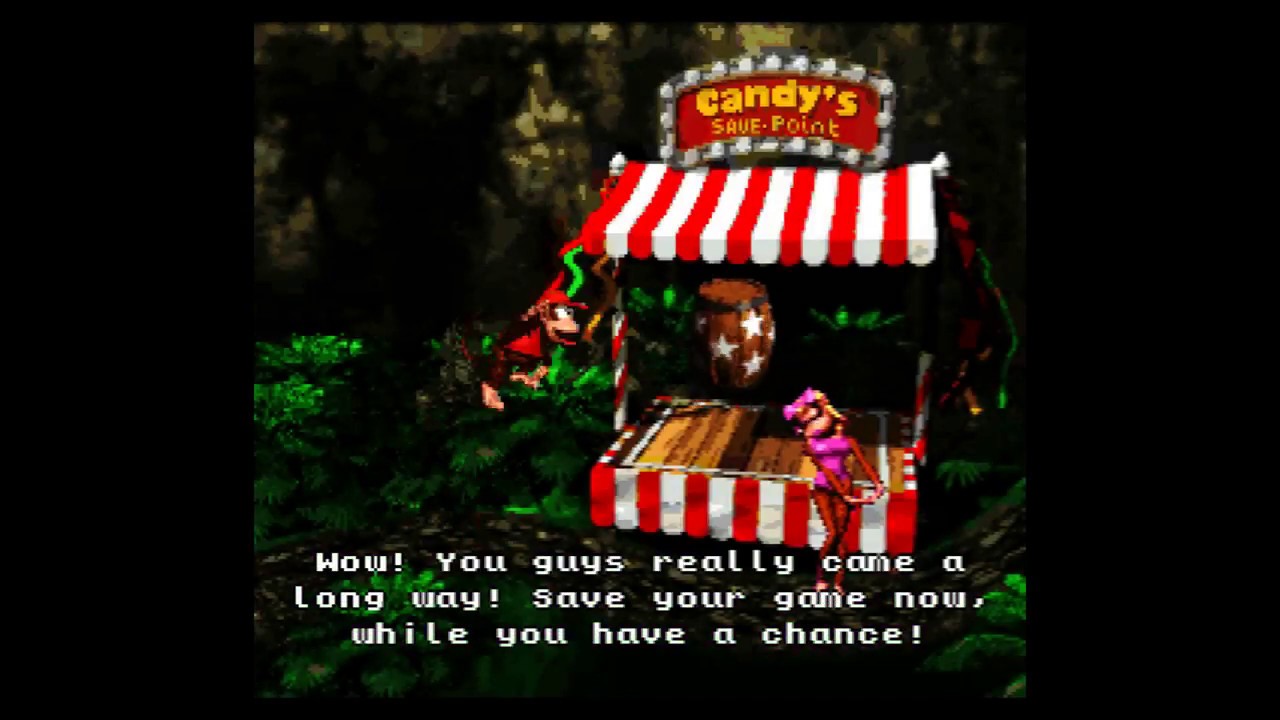
That relief of reaching a save point.
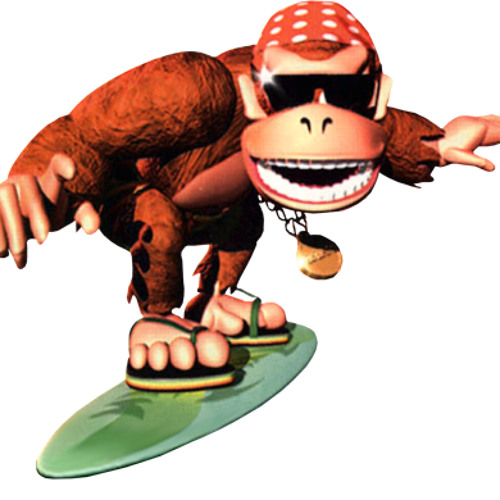
- Funky Kong: He is Donkey's brother and the owner of Funky's Flights. With his help, we can return to worlds we have already visited to collect special items left behind;
- Candy Kong: She is Donkey's girlfriend and provides considerable help during the campaign by saving our progress. Candy was largely ignored in the Super Nintendo sequels.
Now, the helpers from other species:
- Rambi (the rhinoceros): most players' favorite appears in the game's very first stage. He is extremely useful because his horn not only "clears" the path by killing enemies but also helps uncover secret passages. Enemies such as yellow wasps and porcupines can be defeated when we have Rambi;
- Winky (the frog): Controlled in only four of the game's stages, he mainly helps us reach high places in the environment. Unfortunately, the programmers benched him, and he did not appear in Donkey Kong Country 2 or 3;
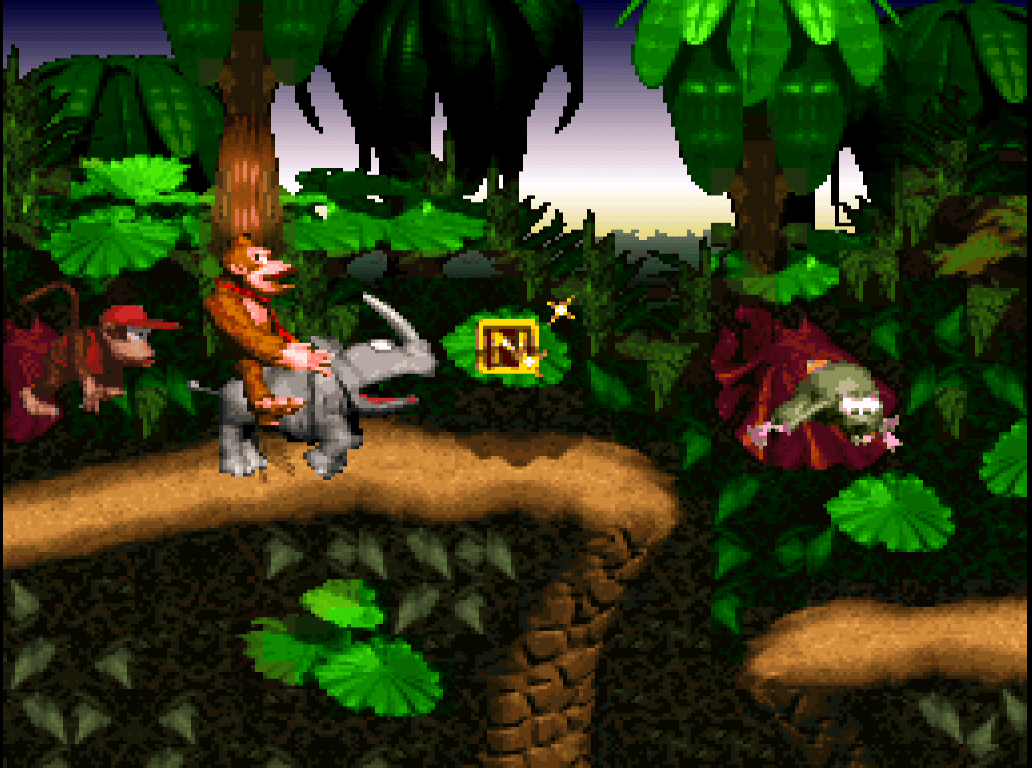
Right away, Donkey Kong Country gives us the wonderful experience of riding an animal companion.
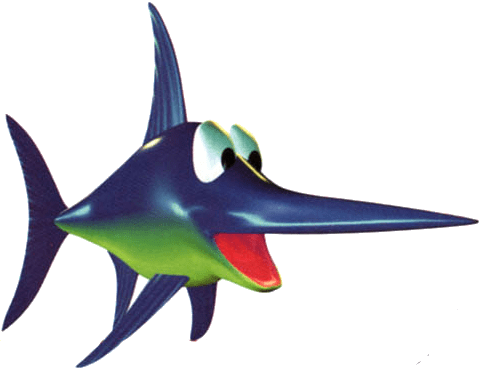
- Enguarde (the swordfish): A tremendously helpful ally in aquatic stages, Enguarde can defeat sharks and other enemies while making the characters easier to control underwater;
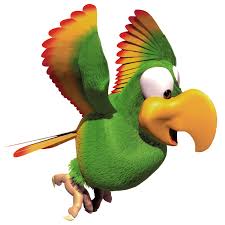
- Squawks (the parrot): In this first game of the SNES trilogy, the parrot has a small role and only carries a lantern during a dark stage. Squawks returned in the following games with much more significant roles;
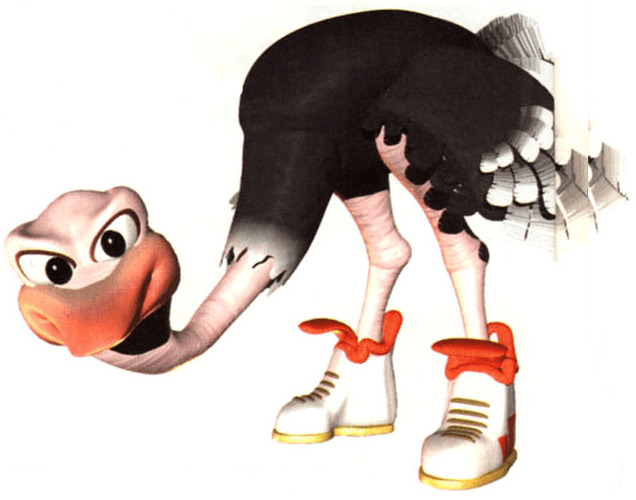
- Expresso (the ostrich): Another charismatic friend who appeared only in the first Donkey Kong Country. His functions are to provide speed and the ability to glide through the environment. He was probably removed from the sequels because Dixie performed his second function much more precisely.
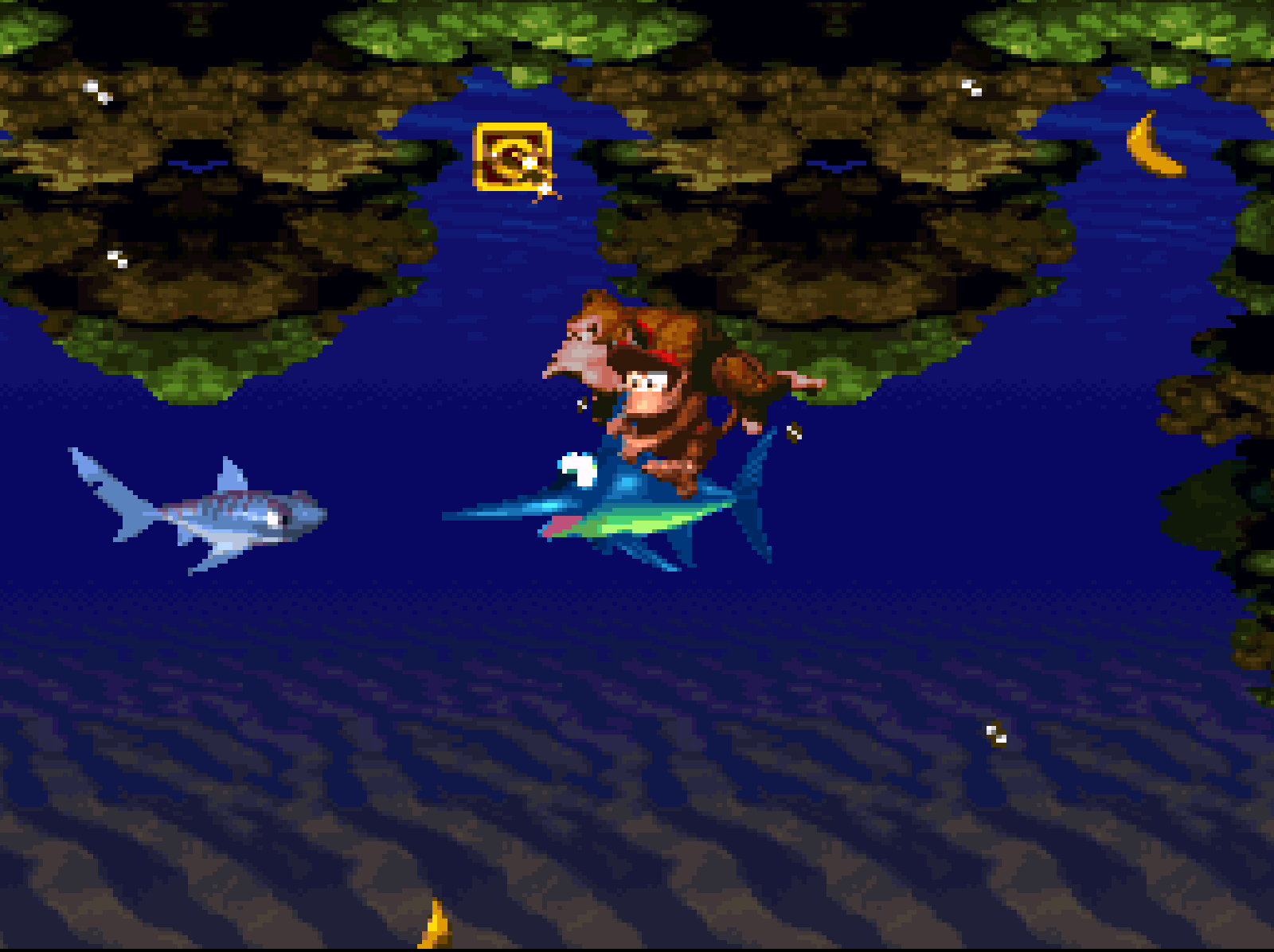
The fish helped greatly, not only because of his agility in the water but because the protagonists have no way to defend themselves in these stages without him.
Fun fact 4: Rare designed a giraffe to join the group of friends on the journey but ultimately abandoned the idea.
Our Conclusion
Donkey Kong Country has a guaranteed place on lists of the greatest games of all time, no matter where those lists are made, demonstrating the game's universal success. It is fun from beginning to end, with a comical presentation, fabulous music, and balanced difficulty. This is certainly one of those games that aged well and is just as worth playing today as it was in the year of its release. We are happy and grateful that the franchise remains alive on Nintendo consoles and still receives high-quality titles today. We recommend playing Donkey Kong Country as soon as possible and without moderation.
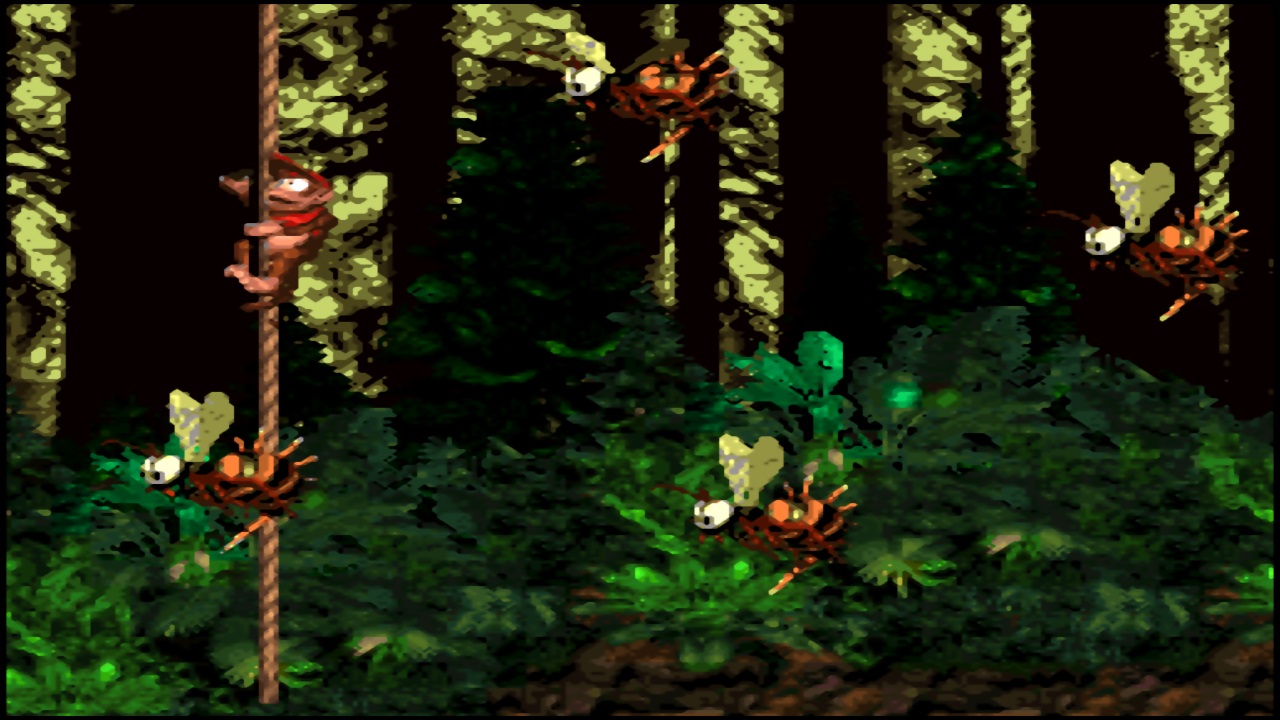
An autoscrolling section that demanded skill and knowledge of the stage.
Rating: 9.5
Played on Super Nintendo.