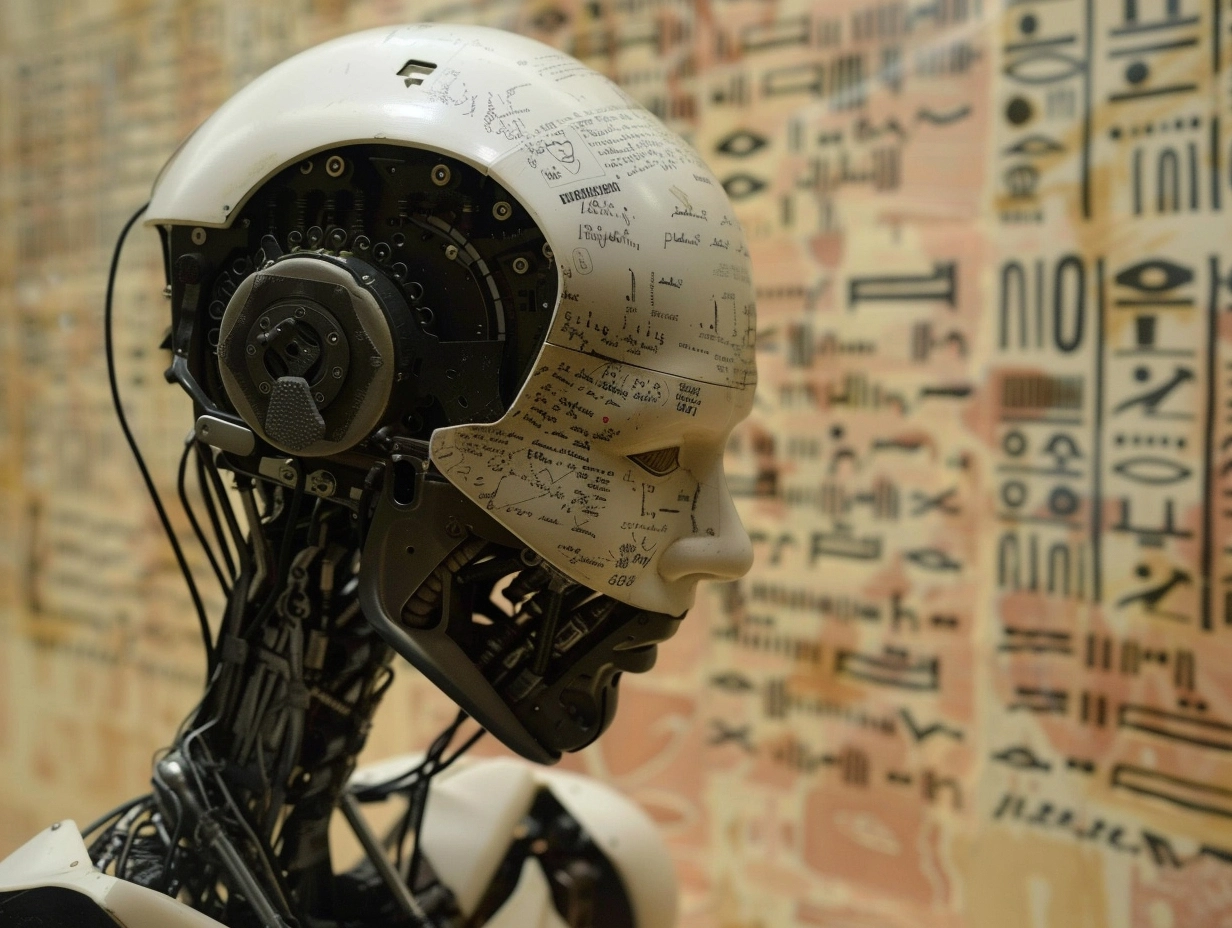
The Turing test is frequently mentioned in the context of artificial intelligence (AI), especially with the advance of technologies that optimize processes and offer complex solutions such as moral judgment.
A recent 2024 study by Eyal Aharoni of Georgia State University revealed that AI may finally surpass humans in moral reasoning. In this study, language models such as ChatGPT were used to generate responses to ethical questions. Participants carefully evaluated the AI's responses as more virtuous, intelligent, and trustworthy than answers produced by humans, suggesting a new Turing test for morality.
Eliezer Yudkowsky, an AI expert, warns, however, about the dangers of supercomputers, which can make decisions quickly and surpass human intelligence. He emphasizes the importance of developing AI cautiously to avoid catastrophic risks. In his TED Talks presentation, Yudkowsky argues that AI should be developed progressively to ensure safety.
This duality in AI's advance shows its potential to surpass human abilities, while experts emphasize the need for careful development to avoid threats.
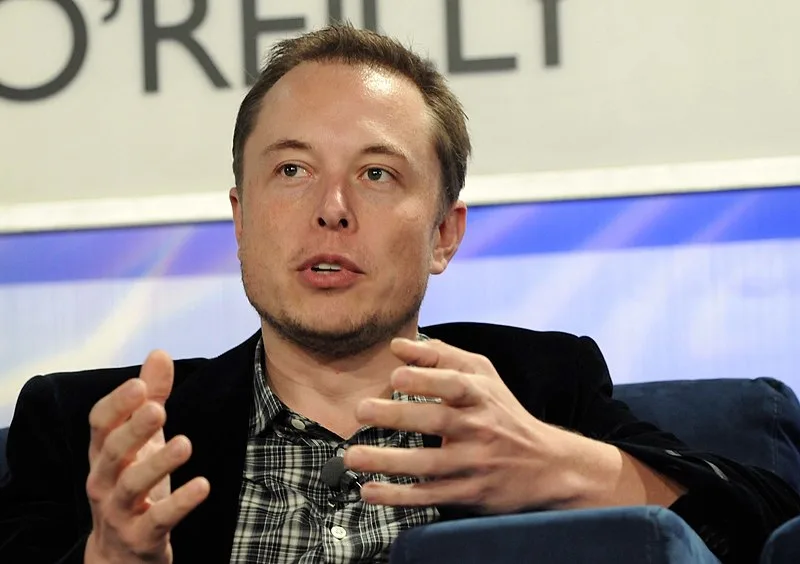
According to Tesla and X CEO Elon Musk, AI Will Be Smarter Than Any Human by the End of 2025
Even while using a somewhat alarmist tone—something already commonplace when Musk addresses the public—he says Artificial Intelligence could be more useful and intelligent than humans in around a year.
“My guess is that we'll have AI that is smarter than any one human probably by the end of next year,” the businessman said in an extensive interview on X, formerly Twitter, with Nicolai Tangen, CEO of Norway's Norges Bank Investment Management fund. He also predicted that over the next five years, AI's capabilities will probably surpass those of all humans.
Musk is highly optimistic about the advance of artificial general intelligence (AGI), a form of AI that can learn, understand, and act like humans across different tasks and contexts. While most current AIs specialize in particular tasks, such as image recognition or language processing, AGI aims to achieve versatile intelligence adaptable to different fields and situations, similar to human intelligence.
In the previous year, the businessman predicted that “complete” AGI would be achieved by 2029.
The billionaire, who is also one of the co-founders of OpenAI, explained in the interview that a shortage of advanced chips was negatively affecting the training of version 2 of Grok, the AI chatbot from his startup xAI. He said this chatbot “should surpass GPT-4” soon.
In Another Test, AI Also Showed It Could Surpass Humans in Physical Skills
Recently, ETH Zurich conducted an experiment to test AI's mental and physical skills. Researchers created a robot called CyberRunner, equipped with AI and capable of playing Labyrinth Maze, a game that uses two knobs to guide a marble from the starting point to the finish while preventing the ball from falling into holes along the way.
CyberRunner has two motors as hands, a camera as eyes, and a computer as a brain, allowing it to play like a person. It learns from experience, making decisions that increase its chances of success. By observing the maze and receiving rewards, the robot stores these experiences and uses an algorithm to find the best strategies for completing the course.
As a result, the robot managed to complete the course every time the task was started, breaking the previous world record set by Lars Göran Danielsson in 2022, who completed the course in 15.41 seconds. CyberRunner did the same in 14.48 seconds, 6% faster than the human record.
This ETH Zurich experiment showed that artificial intelligence was able to surpass humans in a game involving physical ability in addition to mental capacity, something unprecedented until then.