Brazil is beginning to prepare for the arrival of TV 3.0, a new phase of free-to-air television that promises to change how Brazilians watch their programs. Unlike the current model, channels will no longer be just numbers and will instead be accessed through apps. This will give audiences on-demand content, program extras, and interactivity during live broadcasts.
New features include real-time voting, public services accessible directly from the screen, emergency alerts sent through the antenna, and even the ability to make purchases without leaving the television, in what is known as T-commerce. All of this will preserve the free nature of over-the-air television: the main content will remain available through the digital signal without requiring internet access.
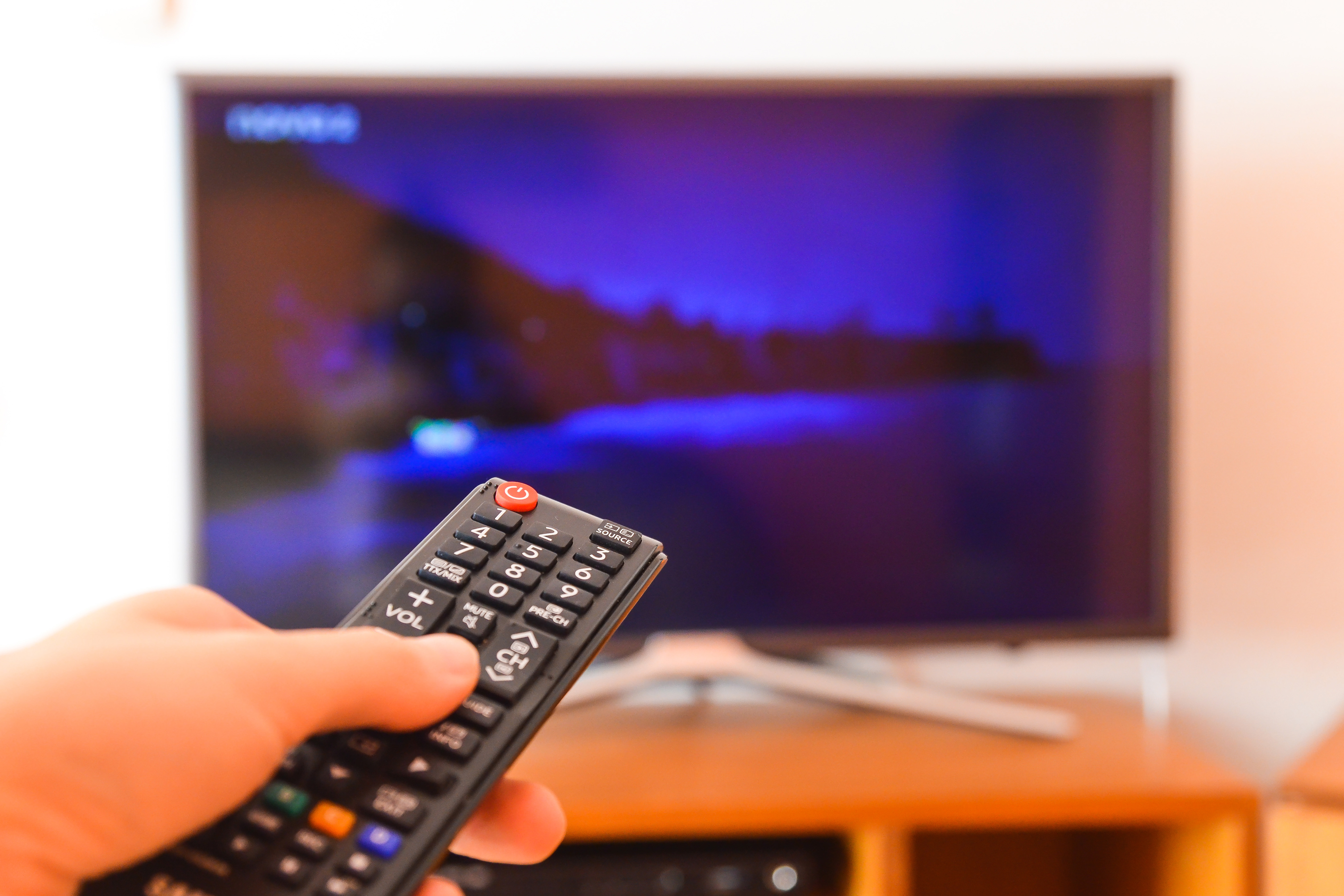
New television sets will come with broadcasters' apps installed and an updated channel catalog, but devices will not need to be replaced immediately, since the current system will operate alongside the new one during the transition. The idea is to make navigation more similar to what already exists on streaming platforms, bringing free-to-air television closer to the modern digital experience.
For the sector, the change also carries strategic weight: in addition to modernizing how people watch, TV 3.0 should strengthen broadcasters in the competition for attention against big tech companies and social networks, keeping free-to-air television among the country's main sources of information and entertainment.
Minister Expects Full TV 3.0 Access Within 15 Years
The plan to implement TV 3.0 in Brazil will proceed in stages, with a goal of reaching the entire country within 15 years. The new system will first arrive in major capitals and will gradually extend to midsize cities and inland areas.
In an interview with CNN Brasil, Communications Minister Frederico de Siqueira Filho explained that the transition to TV 3.0 will follow a model similar to the shift from analog to digital television. During the adaptation period, both technologies will operate together, ensuring that everyone continues to have access to programming, including those who still own only devices based on the current system.
The arrival of TV 3.0 follows advances in connectivity in Brazil, driven by the expansion of 5G. The project is part of a broader strategy by the Ministry of Communications, which seeks to bring internet and data networks to inland regions, ensuring increasingly democratic access to new technologies.