
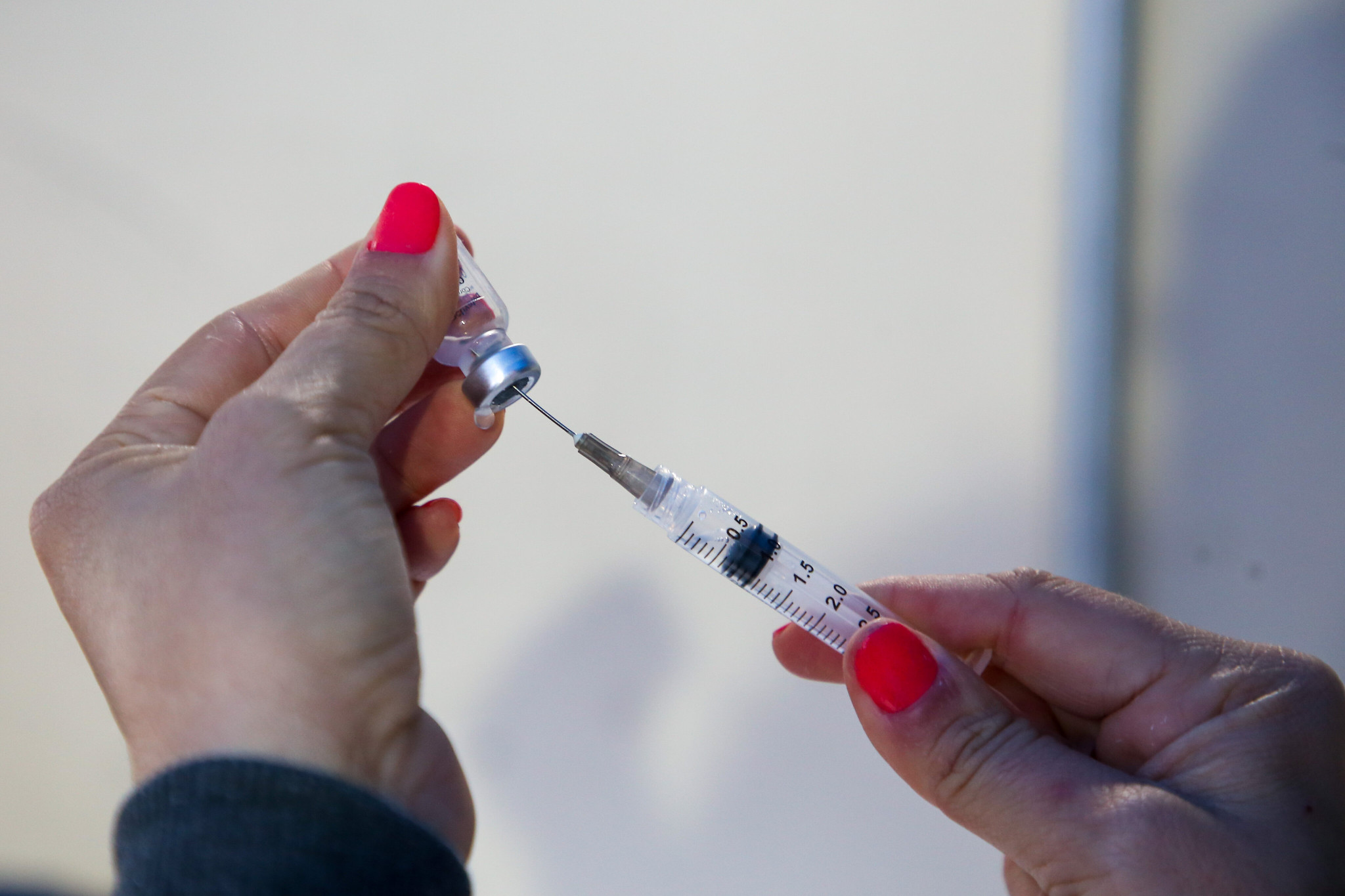
Researchers at the Massachusetts Institute of Technology (MIT) have developed a new artificial intelligence system that promises to transform the development of vaccines and RNA therapies. Called COMET, the system analyzes thousands of lipid-nanoparticle combinations and identifies which materials work best together to carry genetic material into cells. This makes it possible to create formulations that are faster to develop, more potent, and more stable, reducing the time and cost of research.
The technology is expected to accelerate advances in medicines for chronic diseases such as diabetes and obesity, while also paving the way for more effective vaccines against different viruses and other health conditions.
How Does COMET Work?
COMET is an artificial intelligence model based on transformer architectures similar to those used in advanced language systems, but adapted for chemistry and biotechnology. Its main function is to analyze how different chemical components interact within lipid nanoparticles (LNPs)—structures that serve as "vehicles" to carry RNA molecules to target cells. This approach is more complex and precise than traditional methods, which focus only on optimizing one ingredient at a time.
To build the database used to train COMET, researchers created and tested around 3,000 different LNP formulations, measuring their ability to deliver RNA safely and effectively. The AI then processed those results and began predicting which combinations would perform best. In laboratory tests, nanoparticles designed by the system outperformed the commercial formulations currently in use, including when applied to mouse skin cells, demonstrating strong potential for clinical use.
Use in Treating Obesity and Diabetes
MIT sees considerable potential in using the nanoparticles created by COMET to treat obesity and diabetes, offering safer and more affordable alternatives to medications such as Ozempic. The technology uses RNA therapies capable of acting directly on metabolic mechanisms in pursuit of more effective results with fewer side effects.
To achieve this, a fifth element—the PBAE polymer—was added to traditional lipid nanoparticles, increasing the efficiency of RNA delivery to cells. Three hundred formulations containing this addition were tested, and the AI identified the most promising ones. In addition to working well in different cell types, these particles also withstand freeze-drying more effectively, allowing medicines to be transported and stored without refrigeration and facilitating global distribution.