
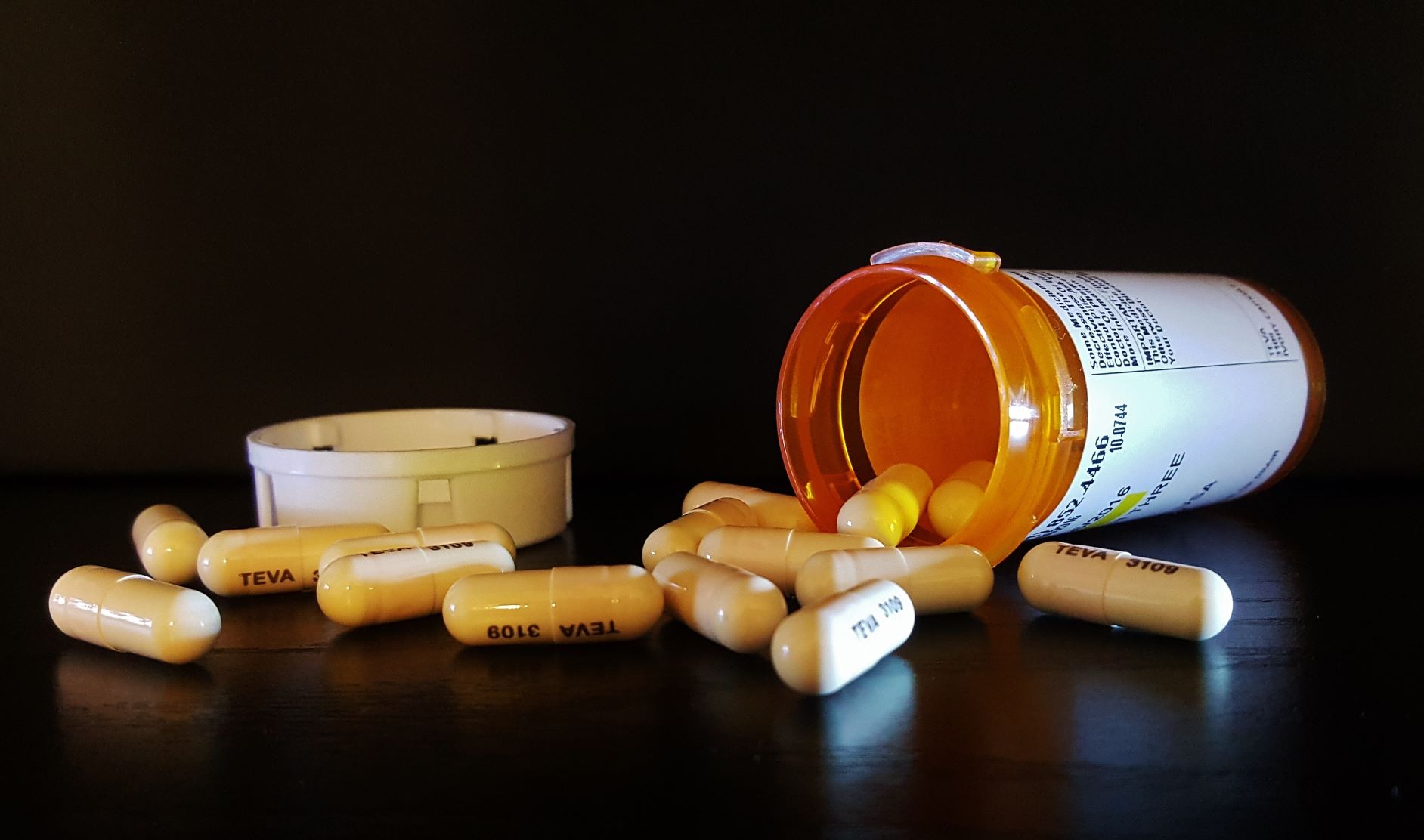
Self-medication is an increasingly common practice in contemporary society, often motivated by easy access to medicines without a prescription and by internet searches for quick solutions to health problems. However, this seemingly harmless practice can have serious consequences for people's health.
When self-medicating, individuals may take risks that are often unknown to them, ignoring potential drug interactions and adverse side effects and even masking symptoms of more serious illnesses, which can result in significant complications. In this context, it is essential to discuss the dangers of self-medication and promote awareness of the importance of seeking professional guidance before beginning any drug treatment.
Research Shows Major Risks From Self-Medication
Self-medication is the practice of using medicines to relieve symptoms without proper medical guidance in diagnosis, prescription, or treatment monitoring. It is estimated that in Brazil, approximately 89% of the population has self-medicated, meaning they have acquired medicines without a proper prescription.
In addition to easy access to medicines that should have more restricted use, the abundance of medical information available online has encouraged people to make their "own diagnoses." This has led to an increase in the indiscriminate use of medicines, making it one of the main health challenges in Brazil.
According to research by ICTQ, the Research and Graduate Institute for the Pharmaceutical Market, approximately 30,000 hospitalizations due to drug poisoning are recorded every year, resulting in around 20,000 deaths nationwide. This raises an alarm about how people are using drugs in the country. Eight years ago, ICTQ found that 76% of the population reported self-medicating without reservation. In 2016, that rate changed to 72%; in 2018, it rose to 79%; and in 2020, it increased to 81%, before reaching the current level of around 89% of the Brazilian population.
Another study, this time conducted by the Federal Pharmacy Council in 2019, revealed a different form of self-medication involving prescription drugs. In this form, after a medical appointment and receipt of a prescription, some people do not follow the correct instructions and change the recommended dosage. This behavior was observed among most survey participants (57%), especially men (60%) and young people between the ages of 16 and 24 (69%).

Red, Black, Yellow, or No Stripe? How Do They Work?
In Brazil, medicines are classified according to their risks through stripes of different colors on their packaging. This classification is established by the Brazilian Health Regulatory Agency (ANVISA) and helps identify whether a medicine can be sold with or without a prescription. Here is a summary of what each color represents:
- Red Stripe: Medicines that require a prescription. The red stripe indicates that the medicine may pose health risks if it is not used as prescribed. In this case, when you present your prescription, the pharmacy may or may not retain it, depending on the risk associated with using the medicine.
- Black Stripe: Specially controlled medicines subject to a two-copy special-control prescription. This stripe indicates that the medicine has a high potential to cause physical or psychological dependence. The pharmacy retains one copy of the prescription, and the other is returned to the patient with a stamp indicating that the medicine was sold.
- No Stripe (White Stripe): Medicines that can be sold without a prescription. They are considered low risk and are generally used to treat less serious conditions that do not require medical supervision for safe and effective use.
- Yellow Stripe: This was used to indicate generic medicines, but the designation was abolished. Generic medicines can now be identified by the words "Generic Medicine" on their packaging and may also have a red or black stripe, depending on whether a prescription is required.
These stripes are a way to regulate and guide the use of medicines, ensuring greater safety for consumers and controlling the dispensing of substances that may be more dangerous or prone to abuse. Prescriptions for striped medicines must be issued by a qualified health professional.
What Lasting Effects Can Self-Medication Cause?
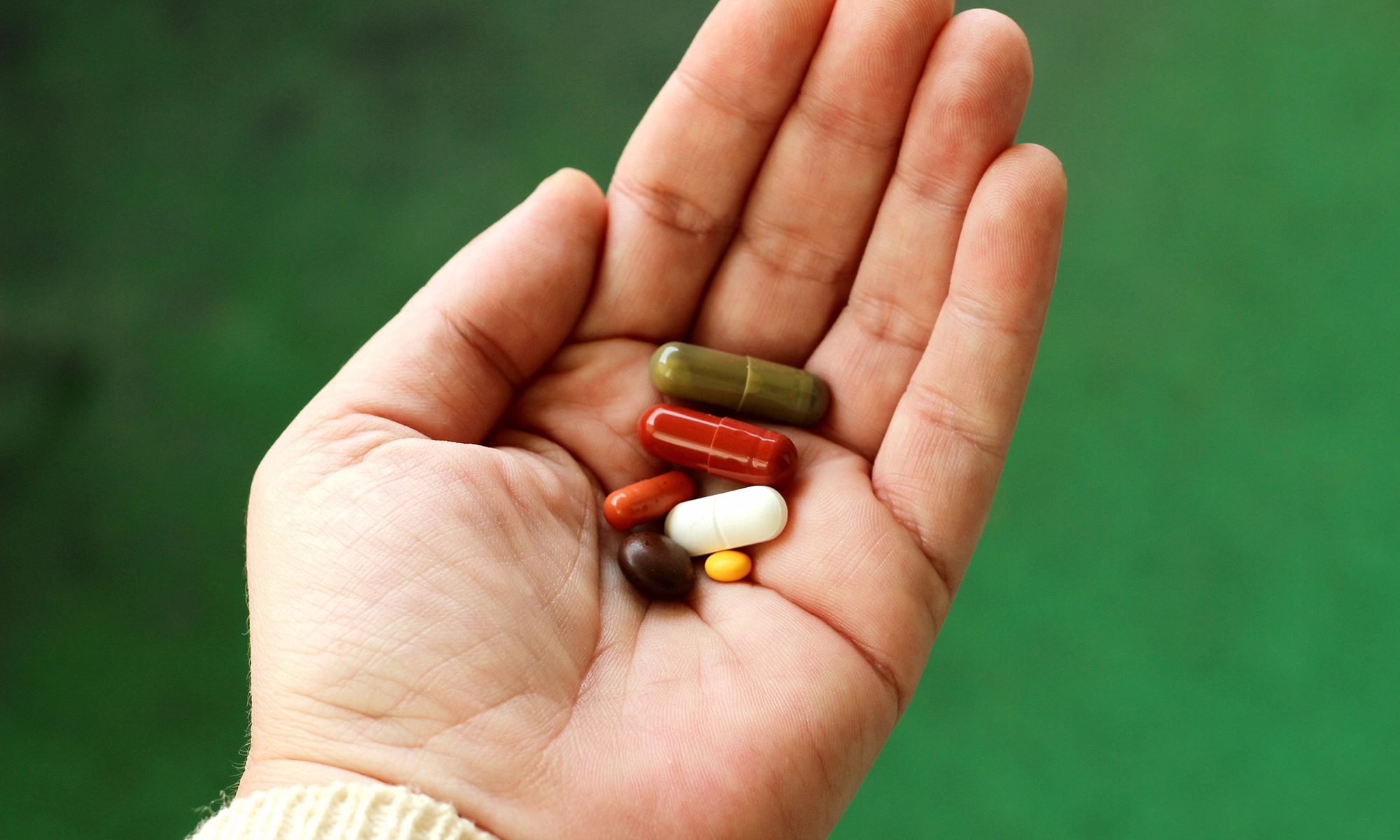
The consequences of self-medication can vary widely. The risks are high, and most of the time patients are not aware of all of them. In this context, it is essential to examine in detail the potential harm and effects that the indiscriminate use of medicines can have on the human body. We selected some of the risks and lasting effects that medication used without prior care can cause.
Resistance
Using medicines improperly and without a prescription can compromise their effectiveness or even eliminate their effects. This caution is especially crucial in the case of antibiotics, since their indiscriminate use can result in genetic changes in bacteria, leading to resistance to the medicine. This phenomenon not only makes treatment more challenging, but also reduces the available therapeutic options.
Drug Interactions
Self-administering medicines can cause dangerous drug interactions when different medicines are combined without professional guidance. Without proper medical monitoring, individuals may inadvertently mix substances that interact harmfully in the body, intensifying or cancelling the effects of certain medicines. These interactions can result in serious side effects, toxicity, or reduced treatment effectiveness, posing a serious health risk.
Severe Side Effects
Medicines, even those regarded as harmless, have the potential to trigger side effects that may vary from person to person, taking into account individual sensitivity, specific organic conditions, and possible interactions with other substances. Self-medication therefore presents another significant risk: the possibility of severe side effects caused by improper medicine use. In addition, when self-medicating, a person lacks the knowledge needed to identify the actual needs of their body.
Poisoning
Medicines contain different concentrations of active ingredients, and the required amount may vary according to each person's individual characteristics, just as the response to treatment can differ even when the same medicine is used. One danger associated with self-administering medicines is precisely the failure to consider these factors, which can result in poisoning. In addition, interactions with other medicines and improper storage of these substances deserve attention, as they can alter their composition and compromise their therapeutic effectiveness.
Dependence
Certain medicines can cause dependence if used improperly or for extended periods. The body may develop a dependence on the substance, leading to a feeling of well-being only when it is administered. This poses a significant risk to overall health and may affect specific organs such as the kidneys, liver, heart, and lungs, for example.