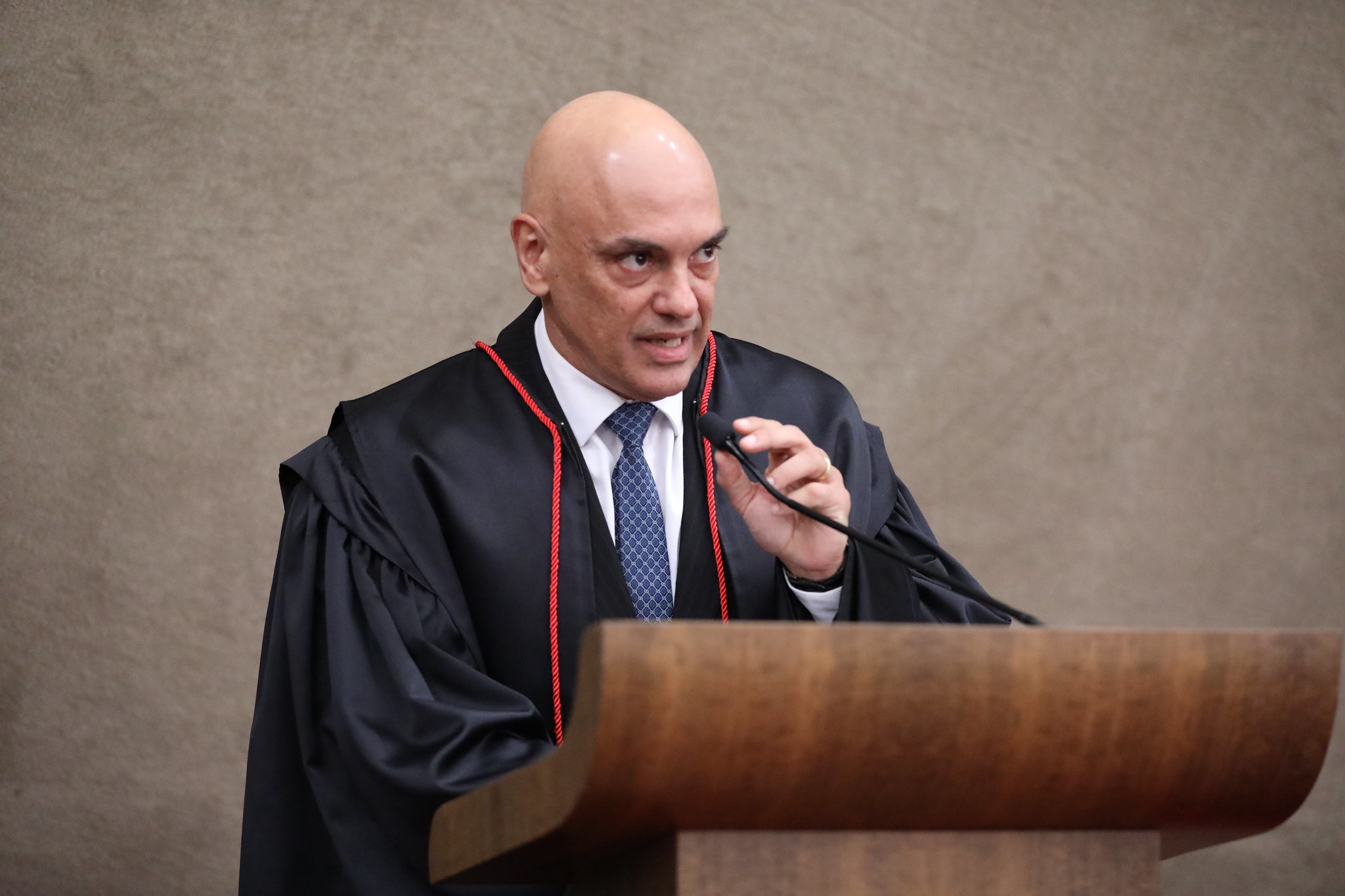
The United States government announced sanctions against Brazilian Supreme Federal Court justice Alexandre de Moraes under the so-called Magnitsky Act, which allows authorities accused of abuses of power and human rights violations to be punished. The measure blocks any assets linked to the justice in U.S. territory and also prohibits him from entering the country.
The decision had immediate repercussions inside and outside Brazil, with opinions divided. The episode, for example, reignited discussions about democracy, institutional independence, and the limits of foreign influence on the country's politics, as well as prompting international debate about the various actions that led to the justice being affected by the law.
The sanctions imposed by the United States are not limited to barring Alexandre de Moraes from entering U.S. territory. In practice, they also affect his financial life, since the justice recently had his Mastercard credit card blocked because of the scope covered by the international “Magnitsky Act.” So that he would not be left without a card payment method, people connected to the field initially suggested issuing an Elo card, which would work normally within the country. But that is not exactly the case, according to CNN specialist Fernando Nakagawa. Watch the full video:
The episode exposes a dilemma for Brazilian banks: comply with the rules of foreign countries or follow national law while facing possible external sanctions and fines. Even though the Elo card originates in Brazil, it remains affected by the Magnitsky Act because of important international partnerships.
Reach of the Magnitsky Act
The Magnitsky Act has an even broader effect because of the interconnected nature of the global financial system. This happens because banks and multinational companies, even those that are not American, have direct or indirect ties to U.S. institutions, which may force them to comply with the law's provisions to avoid sanctions.
Thus, if Alexandre de Moraes holds funds, investments, or any financial operations in banks with international connections, these assets may be frozen or blocked automatically, extending the consequences far beyond U.S. territory.
The possible reach of the law is explained on Tecmundo's podcast with guests Ricardo Marcilio and Ayub:
Another important point is the reputational and diplomatic impact that applying the Magnitsky Act may cause. Once sanctioned, Moraes automatically appears on global restriction lists, complicating possible travel to U.S.-allied countries and reducing his room to act within international organizations. In addition, technology companies, airlines, and even digital platforms that partner with U.S. institutions may restrict their services to the justice as a precaution.