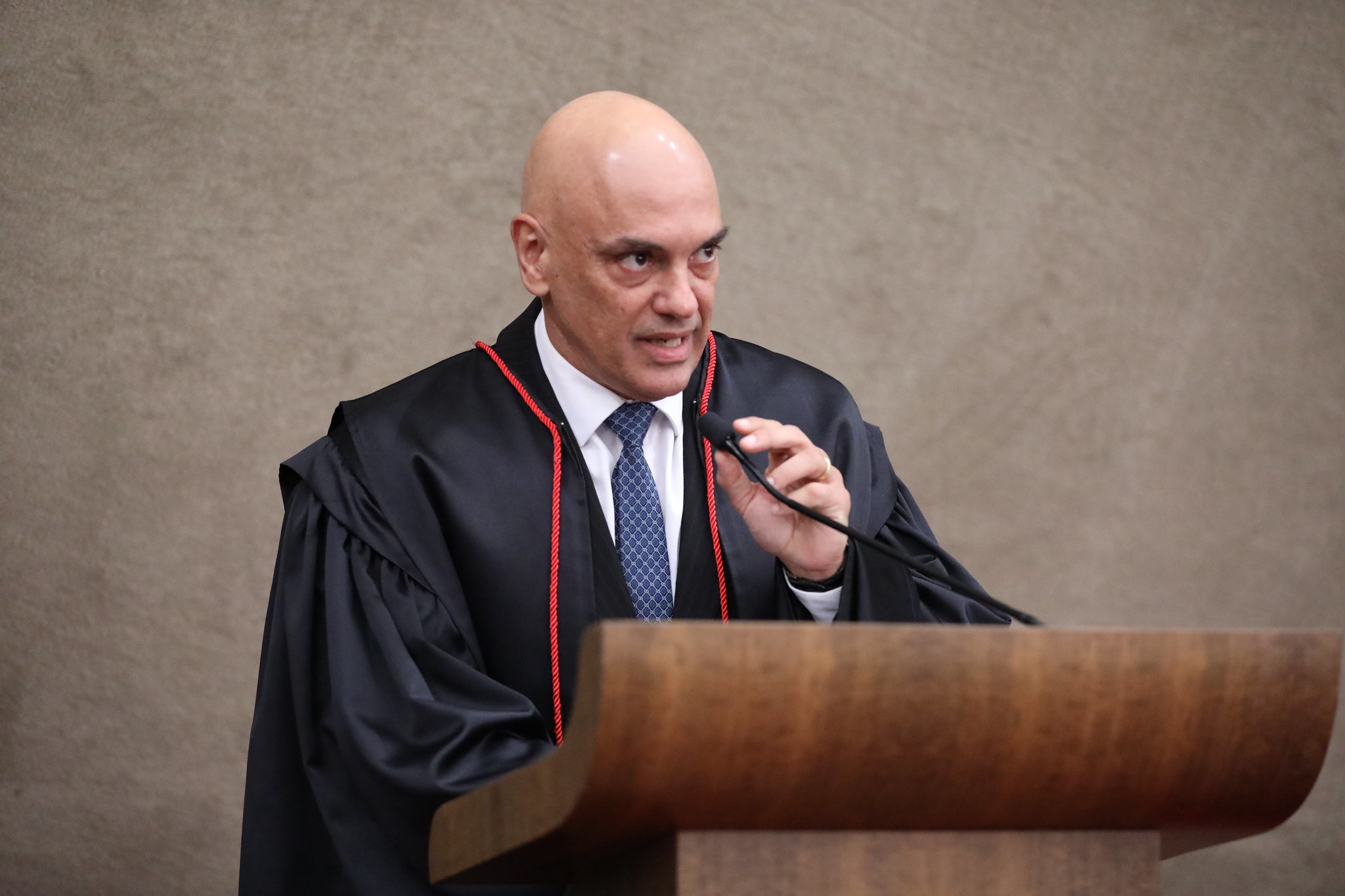
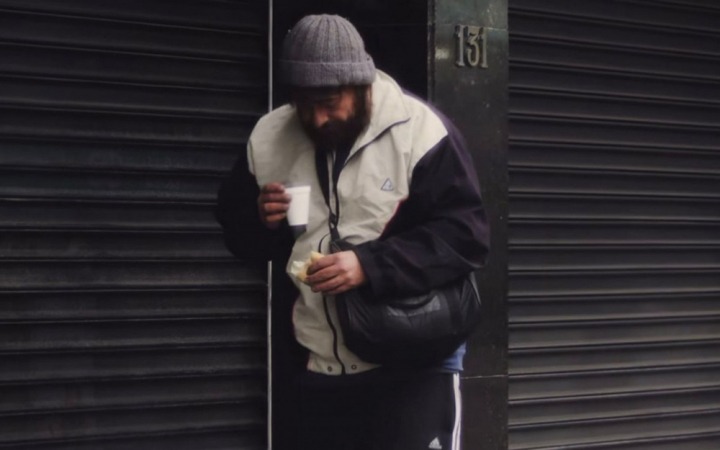
Criciúma mayor Vaguinho Espíndola underwent an unusual experience for a public administrator: he spent almost an entire day disguised as a homeless person. Wearing worn-out clothes and a fake beard and hair, he walked through the city's streets to experience firsthand the difficulties faced by people with nowhere to live. The initiative, which ended after social-assistance workers recognized him, was described by the mayor as a transformative lesson. The experiment, later shared on his social media accounts, drew attention and brought the issue of social invisibility to the fore.
The Experience on the Streets
During the experience, Espíndola asked for help at traffic lights, walked along sidewalks, and spent some time in city squares. Within minutes, he received coins, small amounts of money, and even food from people moved by his situation. A simple gesture, when a boy offered him a cup of coffee, left a deep impression because of the spontaneous display of solidarity.
At the same time, the mayor experienced social invisibility firsthand. His own wife and children passed by without noticing him, something he described as one of the most difficult moments. According to Espíndola, that feeling helped him better understand what it means to be ignored every day by a society that often fails to see its most vulnerable members.
Reflections and Measures by the Administration
The disguise came off when a social-assistance employee approached him and offered shelter. At that point, he revealed his identity and shared the experience, emphasizing that it confirmed the need to expand public policies for the homeless population. He said that although the city has support programs, much remains to be done to guarantee dignity and social reintegration.
According to Espíndola, Criciúma has already managed to reduce the number of people living on the streets in recent months and has increased the services provided by temporary housing facilities and shelters. City Hall also intends to expand its work in areas such as mental health and substance dependence, with more professionals and more places in treatment clinics. For him, the experience reinforced the commitment to strengthening measures that offer new opportunities and genuine conditions for people to change their lives.