
What makes a good game? Many people would probably say: excellent gameplay, beautiful graphics, a good story, creativity, an engaging soundtrack, charismatic characters, freedom from bugs and attention to the smallest details. But what if a game had a positive balance in all those areas and was still called bad by many people, including a large number of critics? Unfortunately, this does happen, and it is the case with the HD version of Sonic Unleashed, released for Xbox 360 and PlayStation 3 in 2008. A commercial success and beloved by a large portion of the public, the game was unfairly penalized by several outlets.
Developed to be the “ultimate Sonic game,” the title brought drastic and bold changes to the path the main saga had followed up to that point. By embracing innovation in gameplay and excellence in every technical area, the idea was to recover the prestige lost after the disappointment caused by Sonic 2006, a prematurely released mainline game that contained countless bugs, below-average graphics, several loading screens, a flawed camera system and, above all, very poor gameplay.
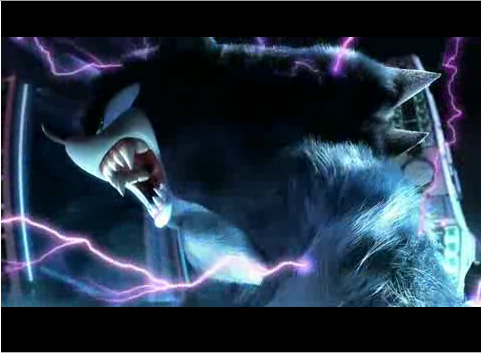
The Night of the Werehog animation, made to promote the game:
As a result, the production of Sonic Unleashed received massive investment from SEGA and featured some major names on its team. Among them were producer Akinori Nishiyama, one of the lead developers of Phantasy Star IV for the Mega Drive, and director Yoshihisa Hashimoto, an employee who had been drawing attention for his good programming work on the two Sonic Adventure games and the Advance series for Nintendo's handheld. Several employees from Sega of America and Sega Europe also joined the production.
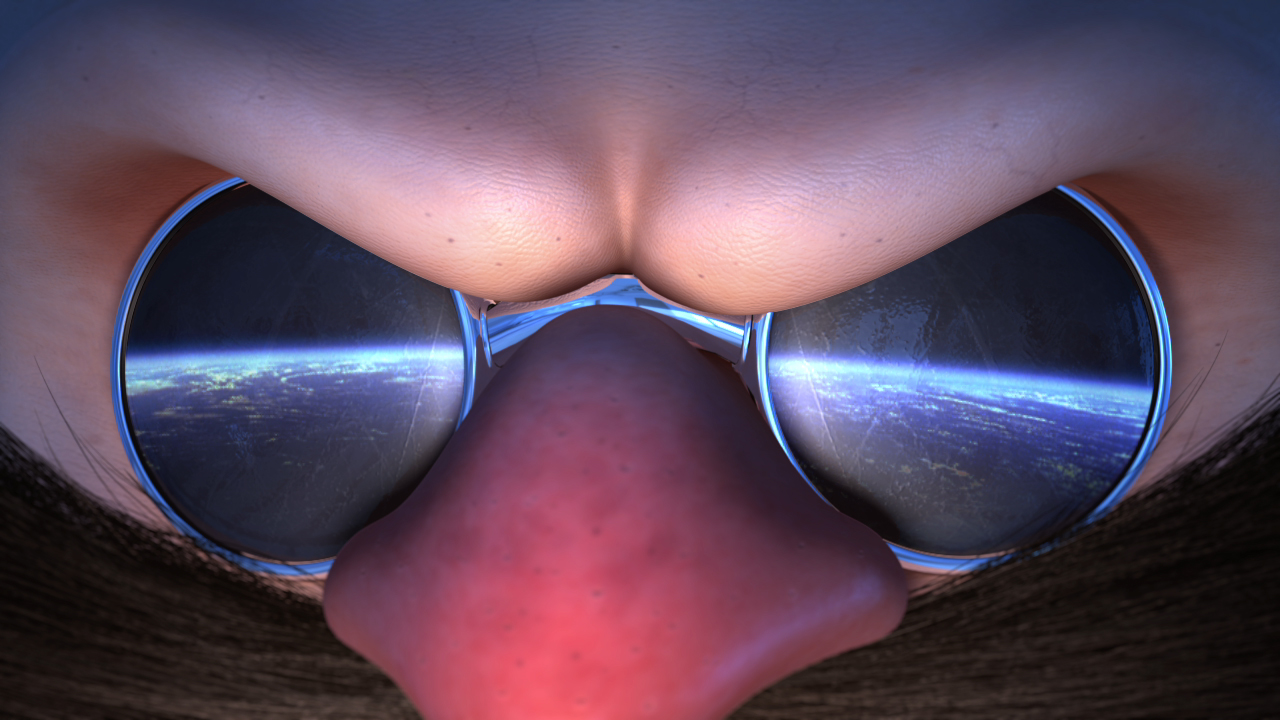
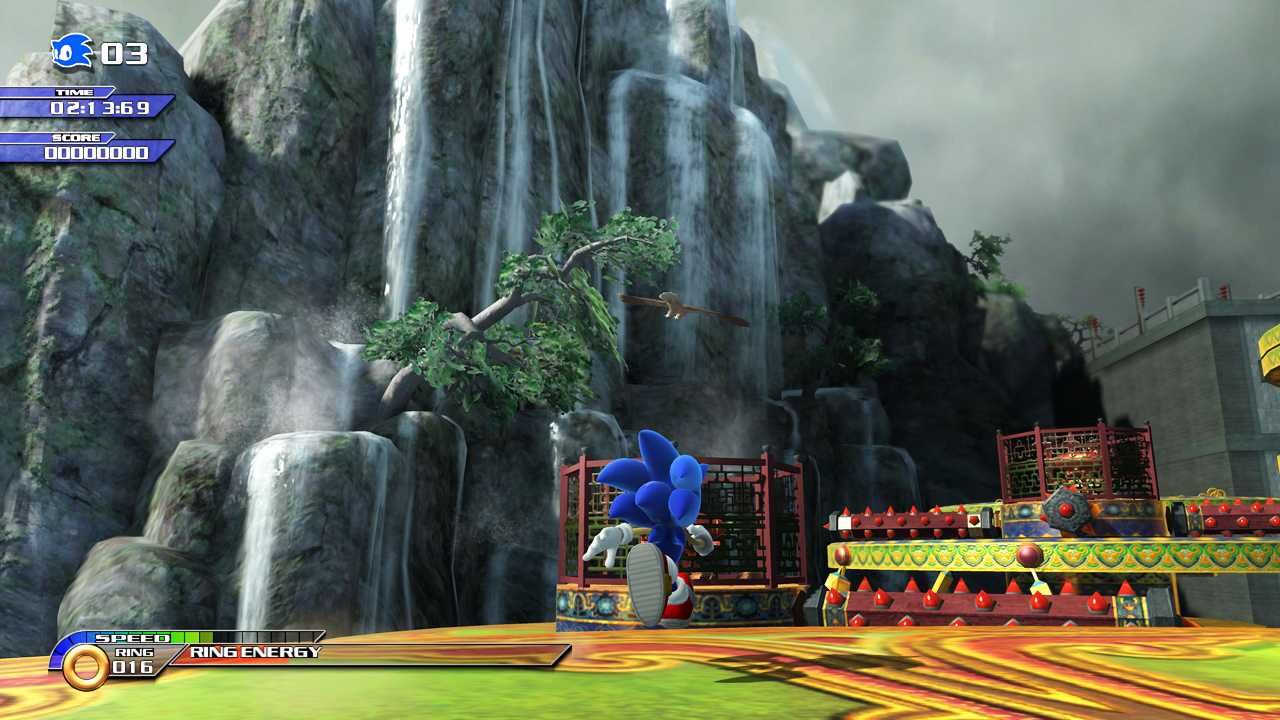
To achieve sophisticated visuals, Hashimoto included a global illumination system that he had developed himself over three years and named the Hedgehog Engine. Basically, the engine allows a light source placed at a given location to reflect off every object in the environment, resulting in hyper-realistic light and shadow effects, something that until then had only been possible in computer-generated films. The engine also features a technology called “Light Field,” making the character's appearance match the surrounding light.
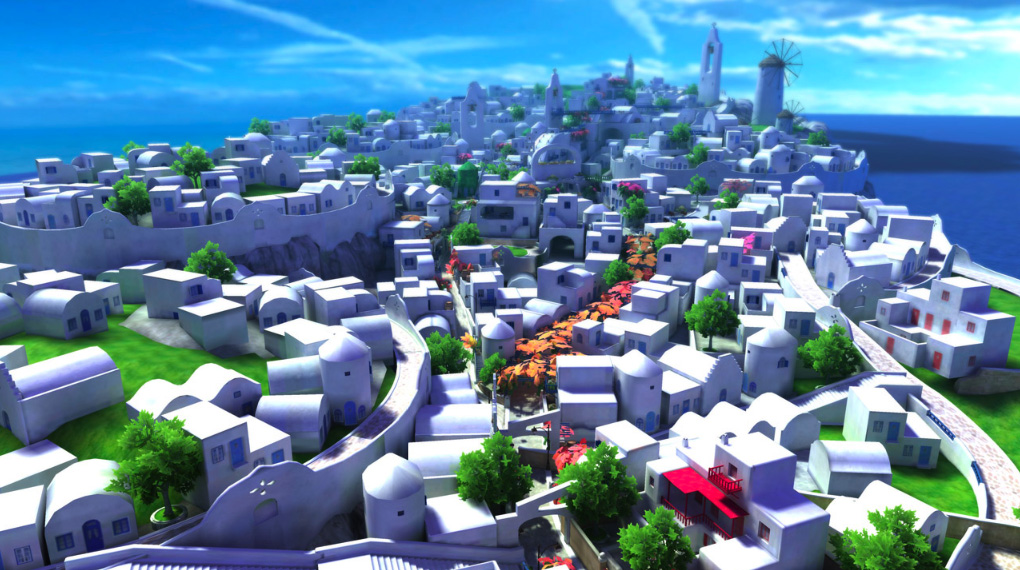
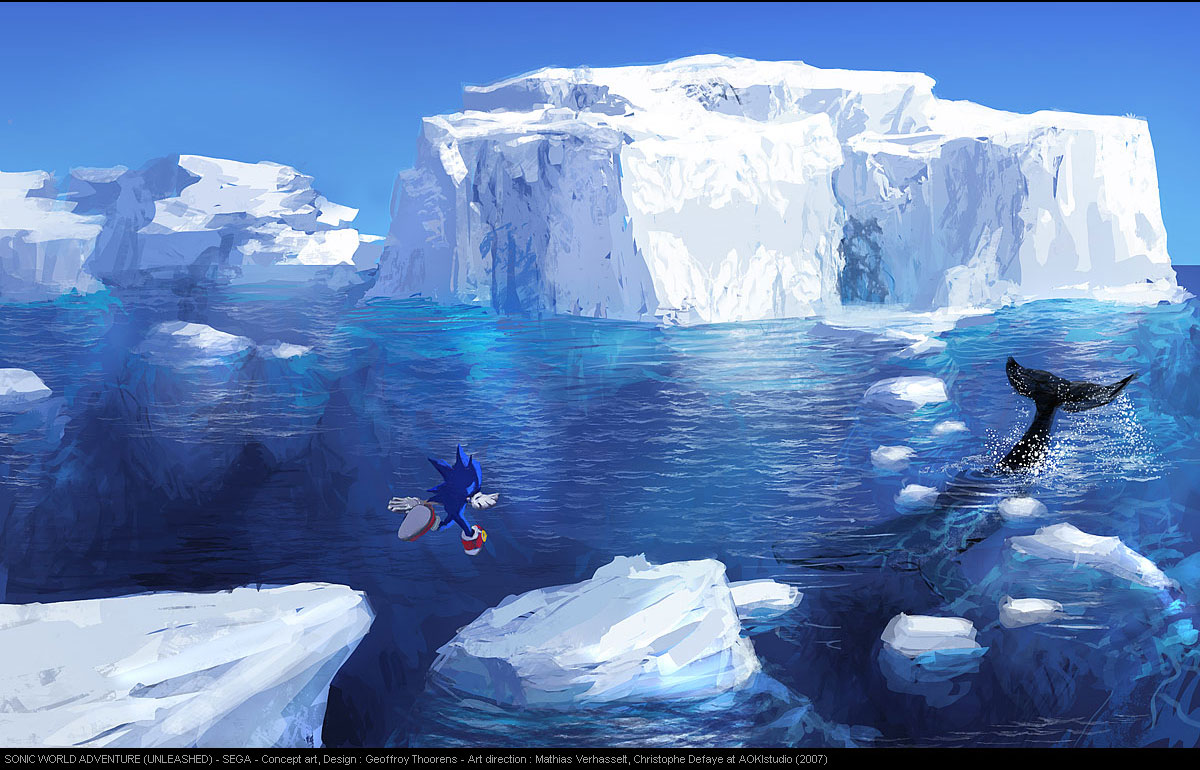
Hashimoto had to distribute one stage at a time across roughly 100 computers, which took two or three days to render the full graphical power of the Hedgehog Engine. To take advantage of the realistic lighting, the team decided that the environments would pay tribute to major tourist destinations around the world, including Greece, China, Southeast Asia, the United States, European cities, Africa, Alaska and Dakar.
The game's lighting treatment was extremely sophisticated for its time.
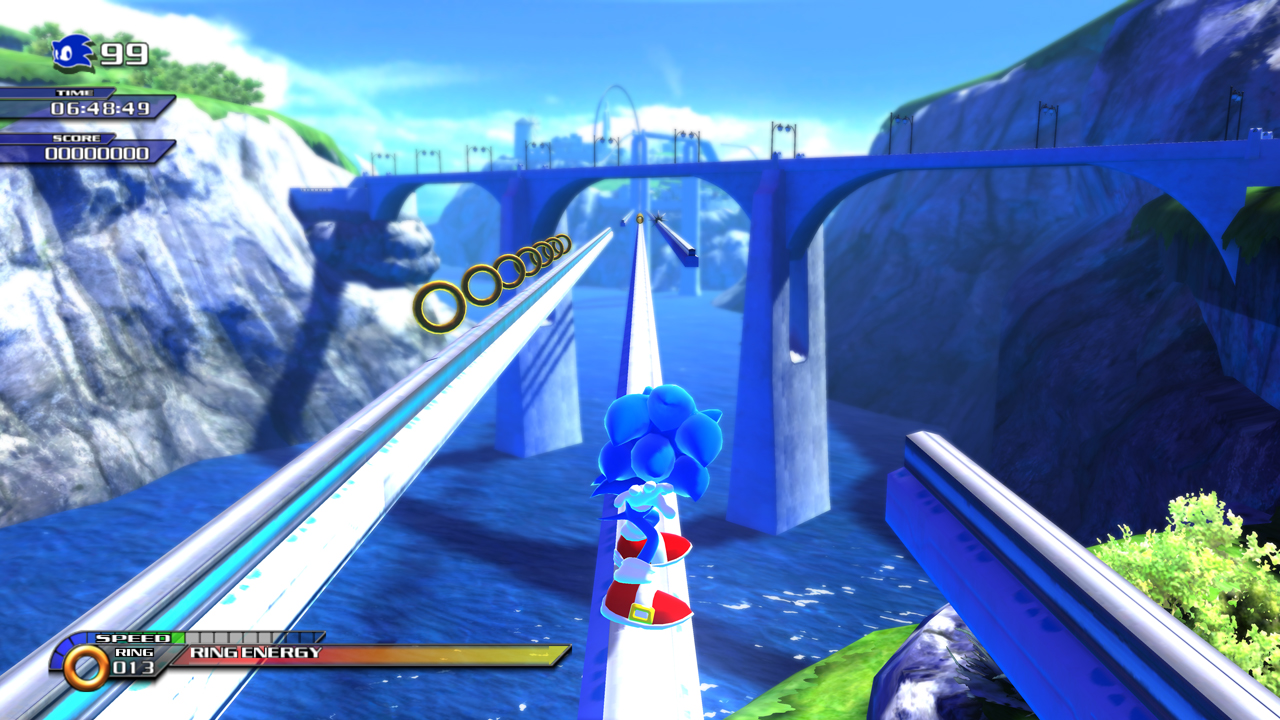
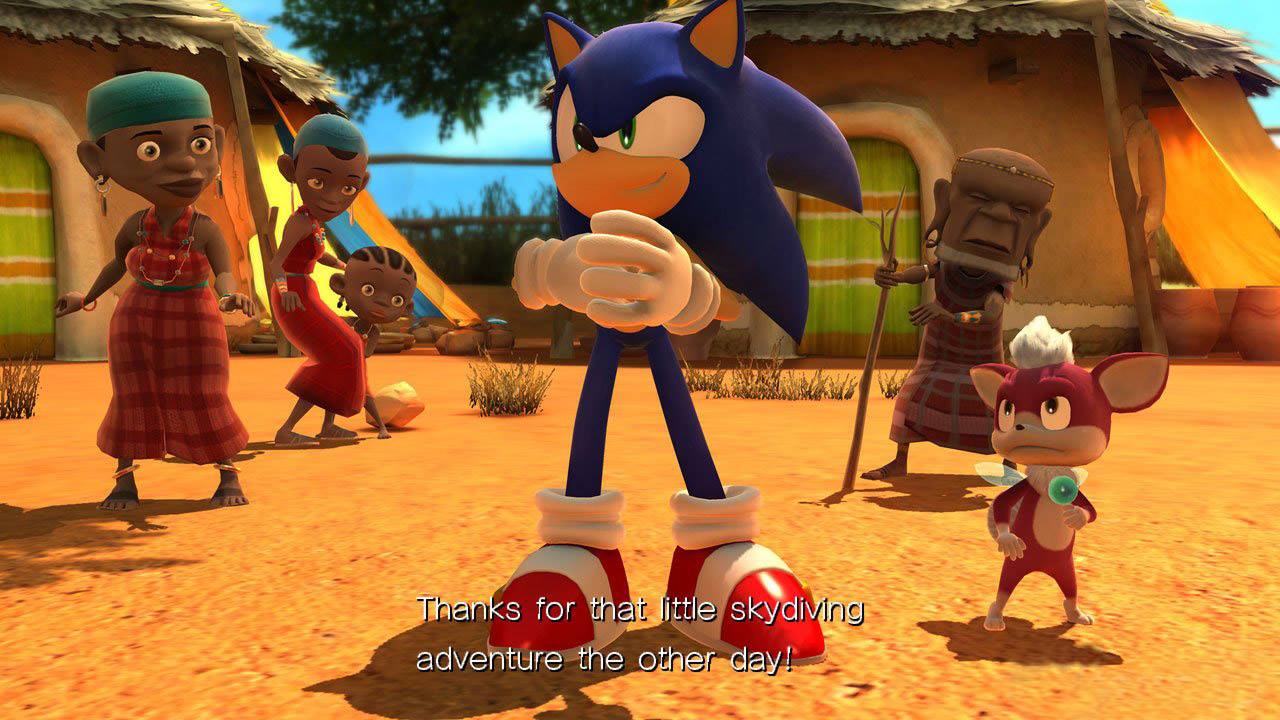
The characters known as NPCs, meanwhile, were given a cartoon style to match the blue hedgehog's universe, exploring the typical ethnic features of each country's people in caricature form and making them very charismatic. Interestingly, Sonic Team, the development team, took care to give each of them an individual design, unlike the vast majority of games, which use generic models for such characters. They also have their own stories that unfold throughout the adventure. This does not interfere with the main story, but it enriches the experience and demonstrates the care taken in production.
Speaking of visuals, Sonic himself was “revamped” to appeal to as many people as possible. Art director Sachiko Kawamura analyzed all the artwork from the series' main games since Sonic the Hedgehog for Mega Drive and wanted to create a middle ground between the classic and modern styles.
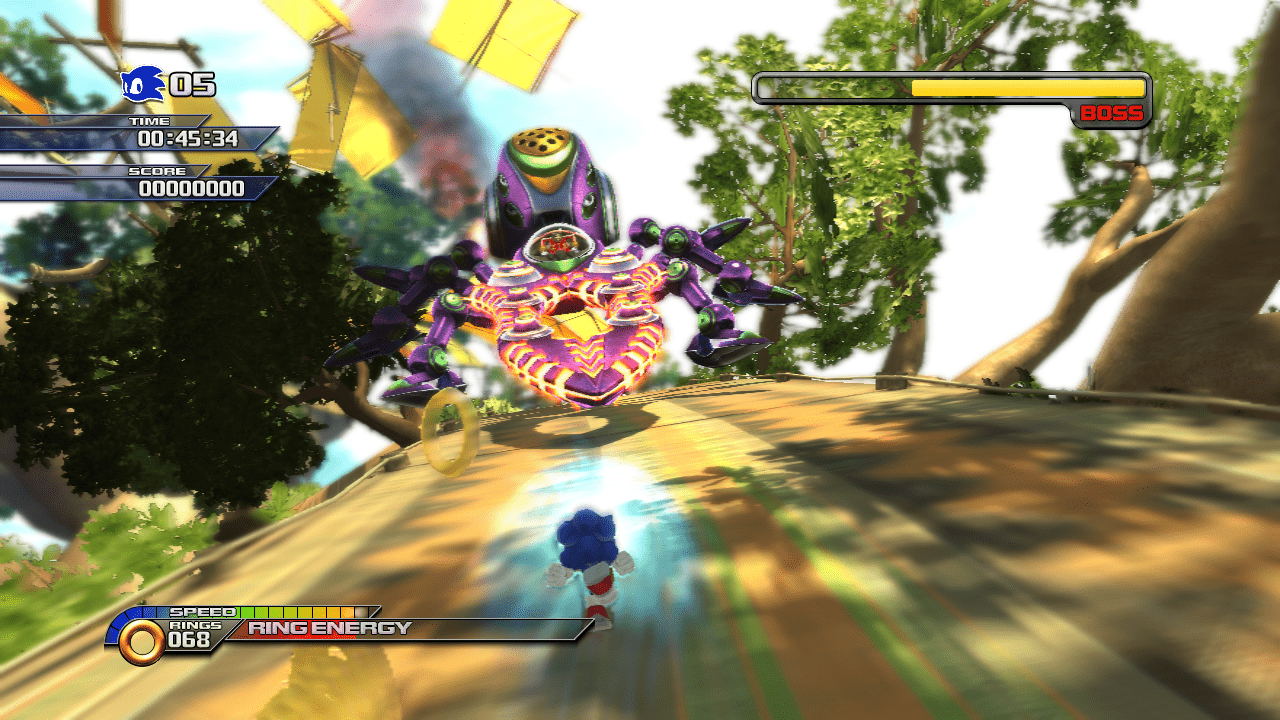
The gameplay is divided into two parts: daytime stages with Sonic in his traditional form and nighttime stages with him in wolf form. For the daytime stages, Sonic Team decided to create a hybrid of the blue hedgehog's most successful games at the time, taking the boost ability from Sonic Rush, released for Nintendo DS, and combining it with the “enclosed” environments of Sonic and the Secret Rings, released for Wii.
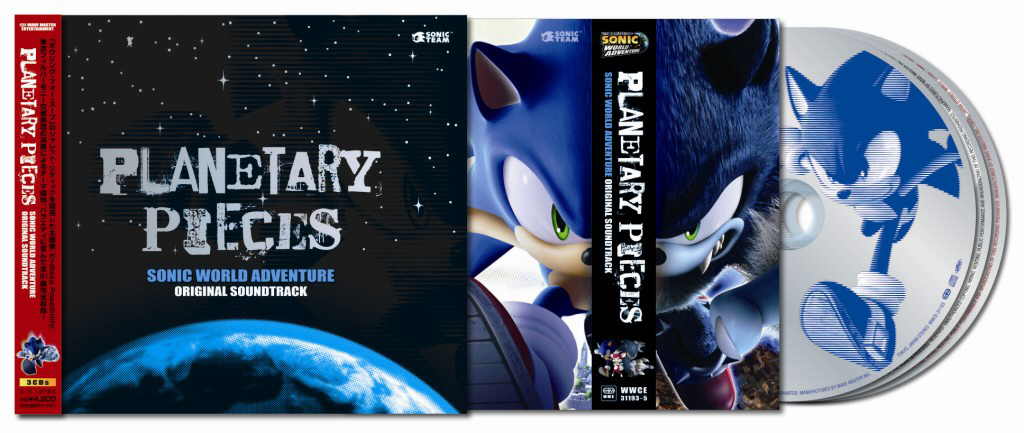
Soundtrack album.
To innovate, they introduced the “Quick Step,” which lets Sonic rapidly dodge left or right, as well as the “Quick Time Event,” which requires players to press a sequence of buttons shown on the screen. They also combine 2D and 3D gameplay through camera work that shifts in the middle of a stage, creating a completely different experience. While the three-dimensional sections focus on breakneck speed, the two-dimensional sections emphasize platform jumping and avoiding obstacles. With this, Sonic Team hit the mark for longtime fans who love the frantic adventures that only the hedgehog's games can offer, delivering extremely enjoyable stages.

Werehog
However, they needed something that would attract a new audience that did not play games in the series and thereby boost sales. This led to the idea of taking the beat 'em up genre from God of War, whose popularity was high at the time, and applying it to the blue hedgehog's game. From there came the concept for the stages featuring the character in his wolf form, also known as the “Werehog.”
In these stages, the mascot loses his trademark speed and must solve small puzzles and fight several enemies. Hashimoto said he knew from the beginning that the gameplay would draw criticism from more purist fans, but hoped most people would be open-minded enough to understand why it was there.
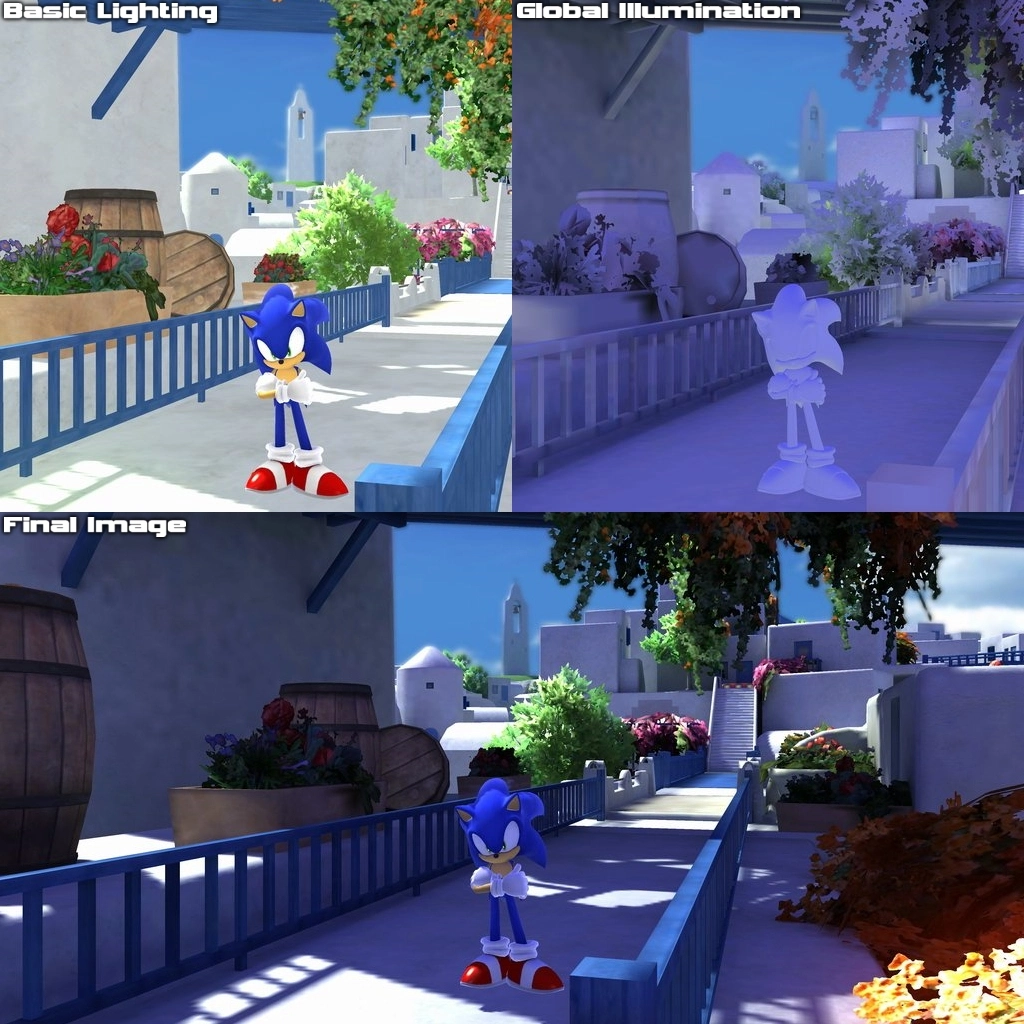
The Hedgehog Engine rendering process.
Well produced, the Werehog can learn a total of forty different abilities; raise the level of his strength, defense, energy bar and other attributes as he defeats enemies; and tackle easy puzzles that do not disrupt the adventure's pace. Many players who are not connected to the blue hedgehog's frantic universe prefer his stages.
There are also hub worlds, cities in which you can interact with NPCs before the stages. There, you can also complete side missions, visit a shop to buy items or explore in search of collectibles. However, for those who prefer to go straight to the stage, the hub worlds are quite small and do not interfere with the adventure's pace.
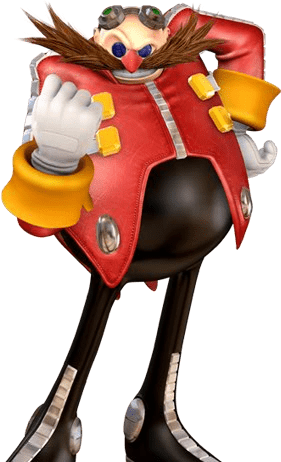
We cannot forget the story, which many consider one of the best in the blue hedgehog's entire saga alongside Sonic Adventure 2. Featuring beautiful scenes, the game goes beyond the cliché of “Dr. Eggman wants to take over the world and Sonic must save it,” requiring players to face an enemy even more threatening than the scientist in an adventure to save a world that has been shattered since the beginning of the game. The exciting final stretch stands out, with epic scenes, beautiful battles and an emotional ending.
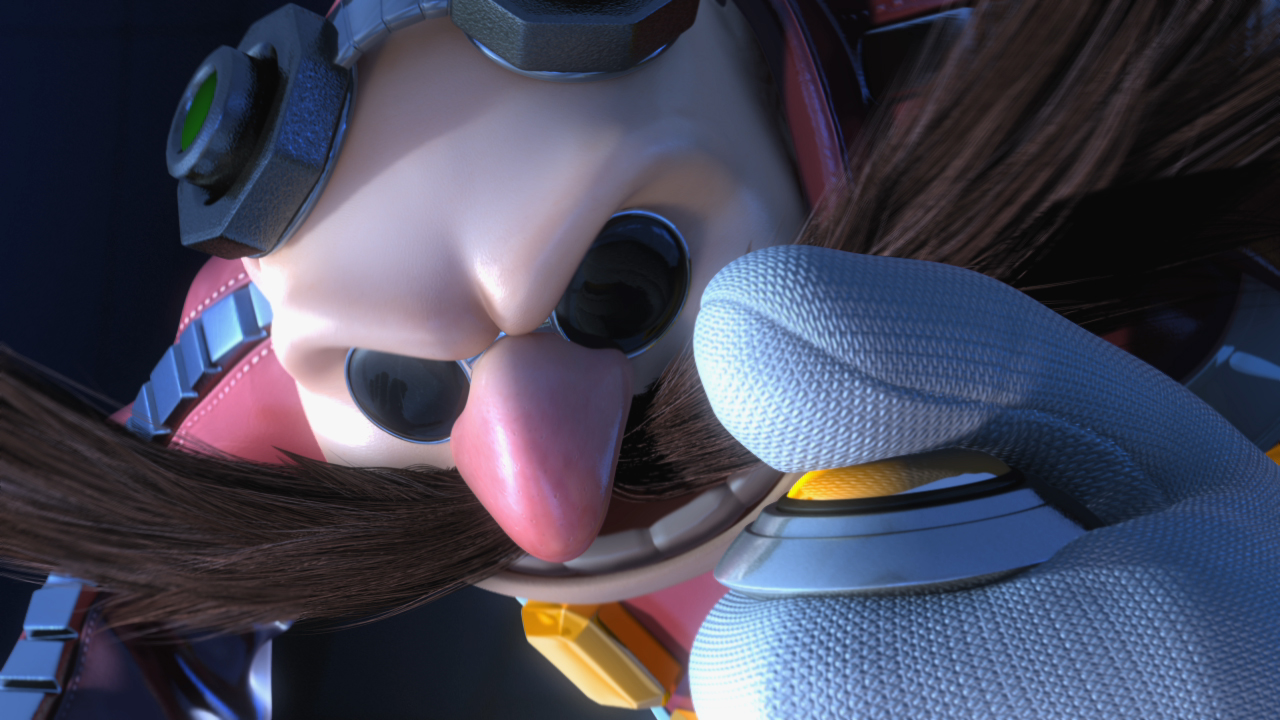
Eggman fulfills his greatest wishes. He “defeats” Sonic and builds Eggmanland right at the beginning of Unleashed.
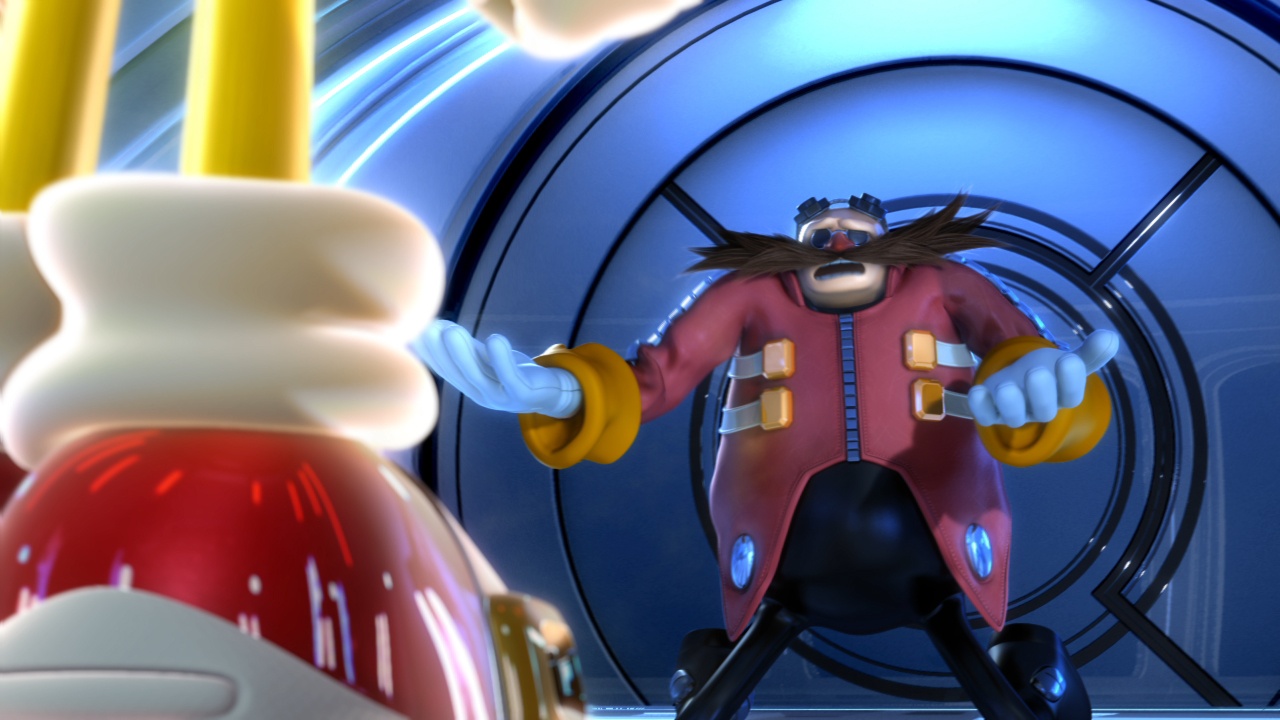
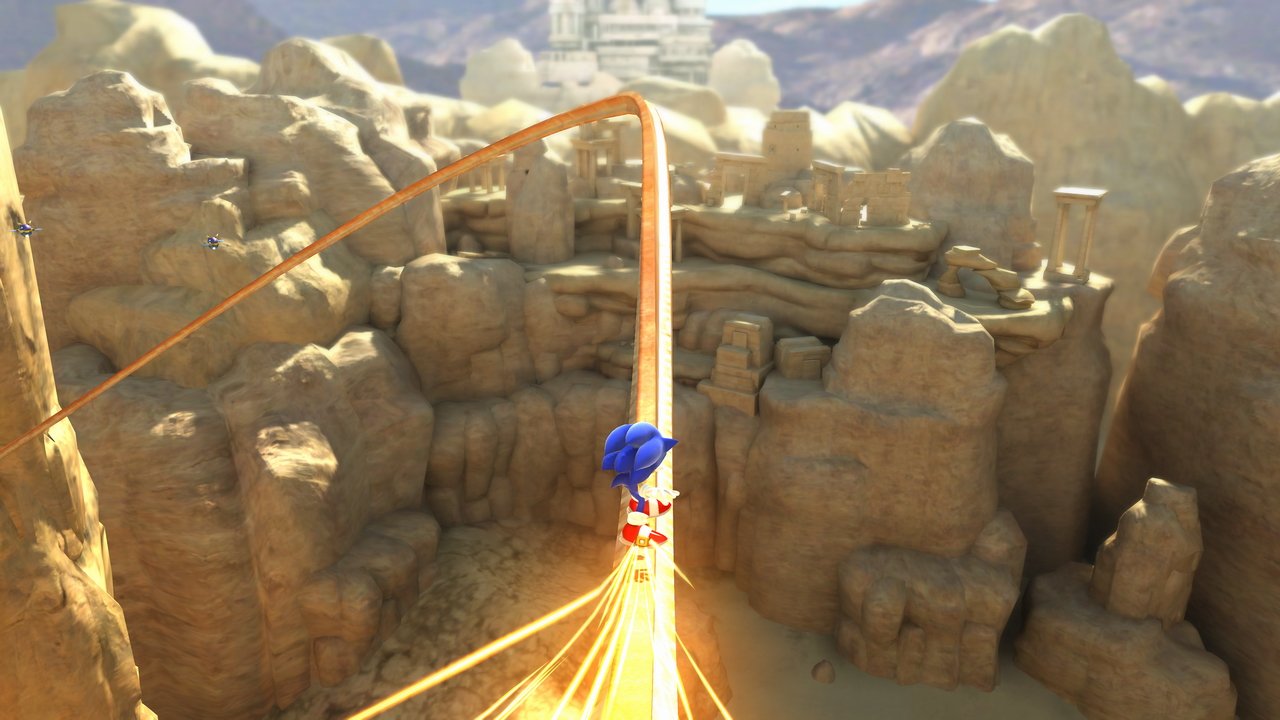
Other successful elements include the boss battles, all of which are very good; the soundtrack, which leaves behind the series' traditional rock and brings in orchestral music that explores the typical style of each country; and impressive video sequences produced by Marza Animation, regarded as one of the best computer-generated video studios in the world.
Even with so much grandeur, the game is not without flaws. The main one is the inclusion of Werehog gameplay because, although well produced, it falls outside what is expected of a Sonic game. The discrepancy is intensified by the high speed of the daytime stages and the slowness of the nighttime stages, including their repetitive battle music. These two gameplay styles are so different that they divide player opinion.
In other words, some people will like only the speed stages, others will like only the slow gameplay and only fans of both styles will enjoy the two. In general, players like both but prefer the fast stages. It is worth remembering that many players complain about the length of the nighttime stages, since they can take two or three times longer than daytime stages if someone gets “stuck” or needs to explore the environment. When played “straight through,” however, they last about as long as the daytime stages.
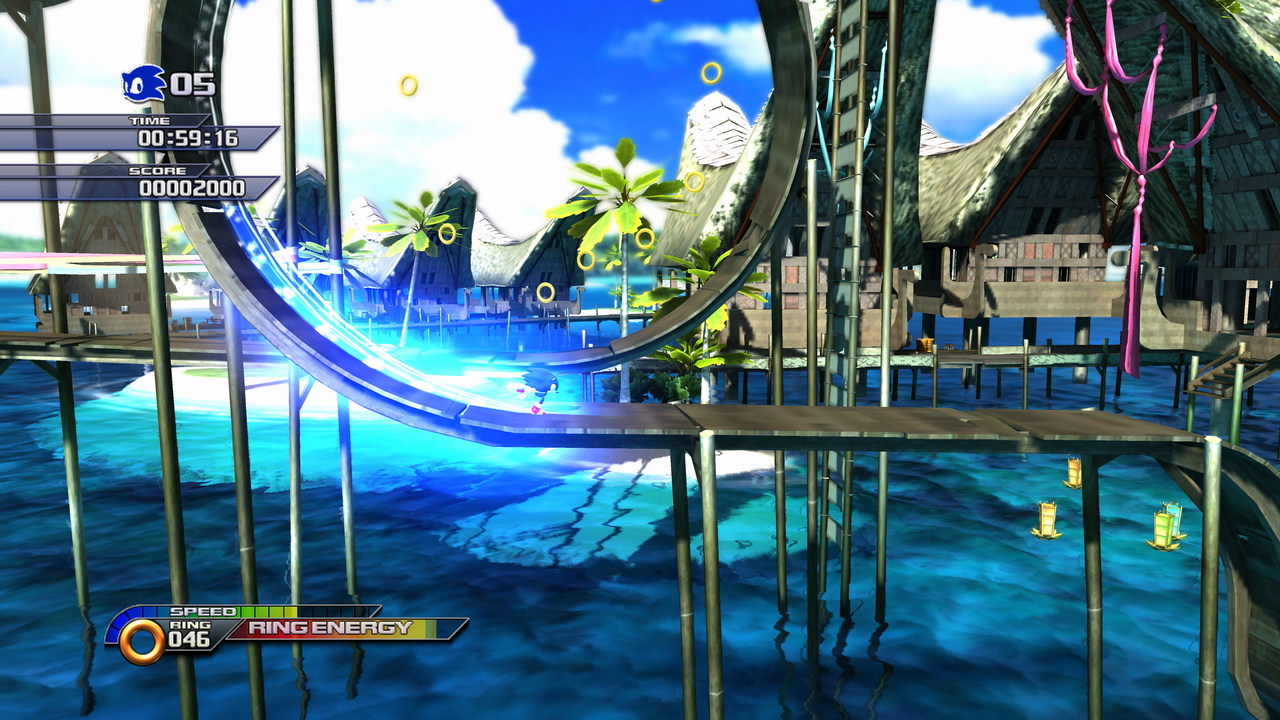
Jungle Joyride


Another bothersome point is the absence of the franchise's iconic characters. Only Sonic is playable, while Tails and Amy Rose appear in minor roles. The idea was to give the protagonist greater prominence, but several characters would have added variety to the gameplay and further extended the game's longevity. Sonic Team also ignored every previous Sonic game released up to that point, since traditional locations such as Angel Island, introduced in Sonic 3 and Adventure, do not appear when we view the world map.
In addition, progressing through the stages requires a specific number of medals collected over the course of the game. The objective was to extend the adventure's longevity, but it ultimately breaks the pace, since players will often need to return to earlier stages or explore the hub worlds in order to collect them.
Finally, there are also small technical problems. At rare moments, the camera adopts angles that do not let you intuitively understand where to go, and the frame rate drops at several points when too many elements appear on screen. Although this does not disrupt the experience, it is a point worth considering. Perhaps it was the price of the game's enormous graphical power.
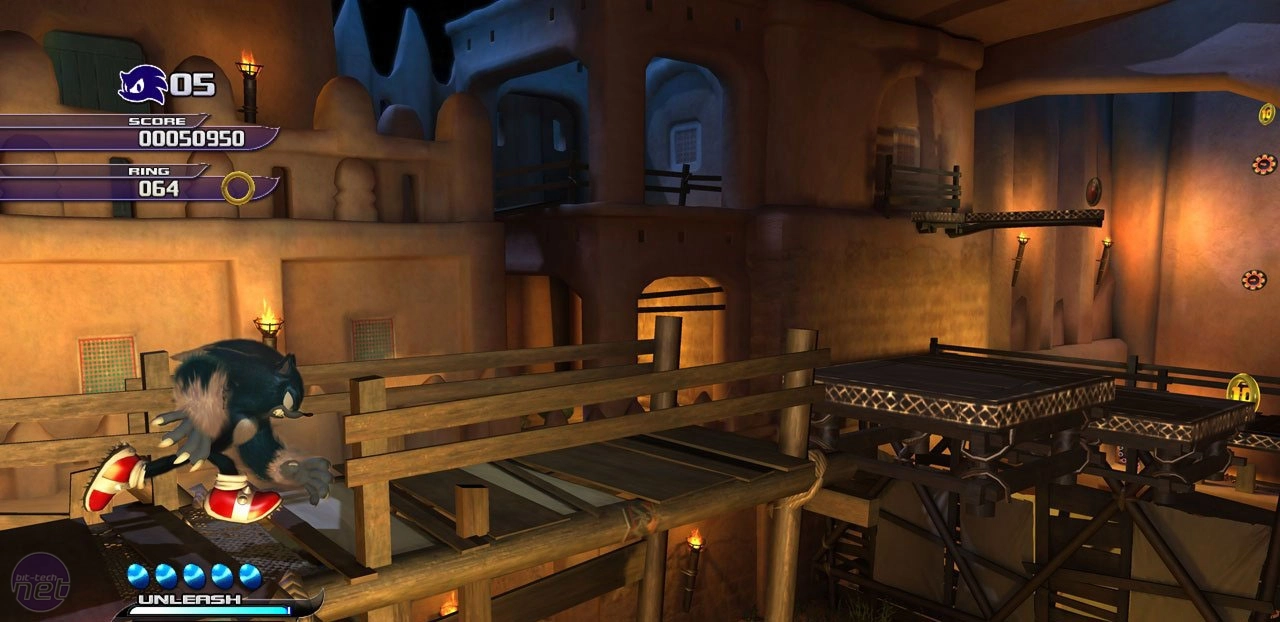
Nighttime stage
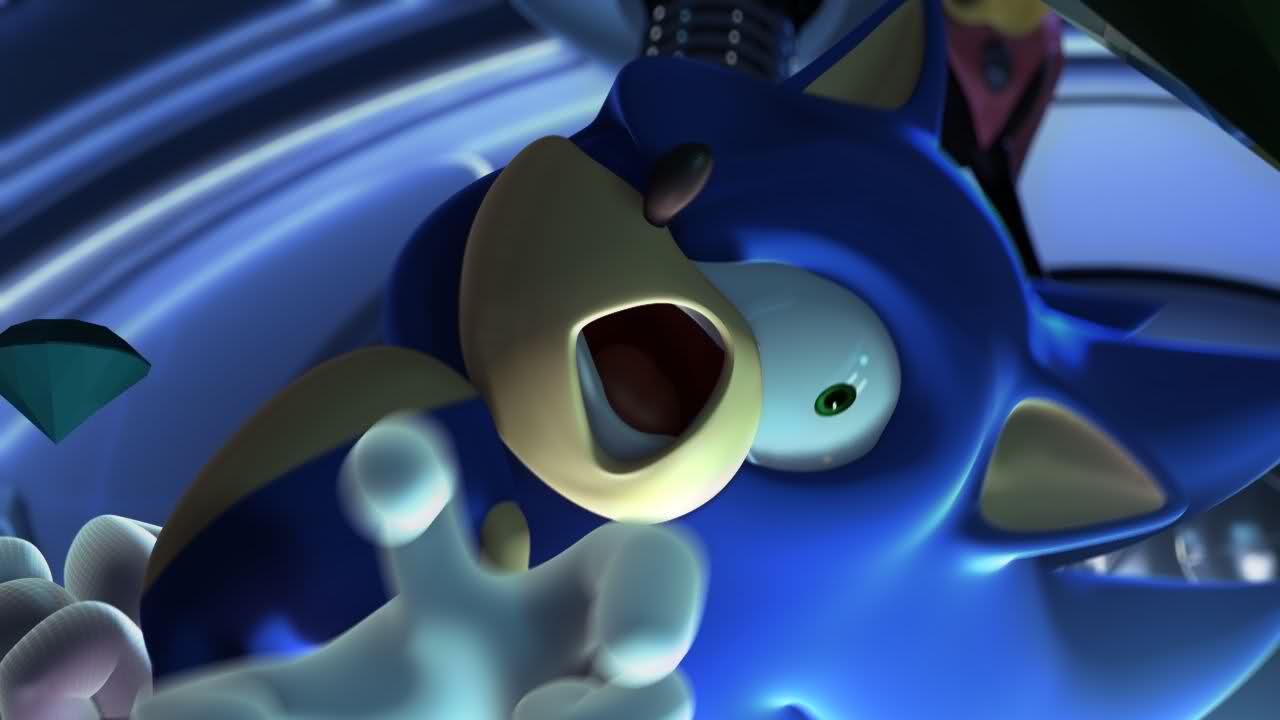
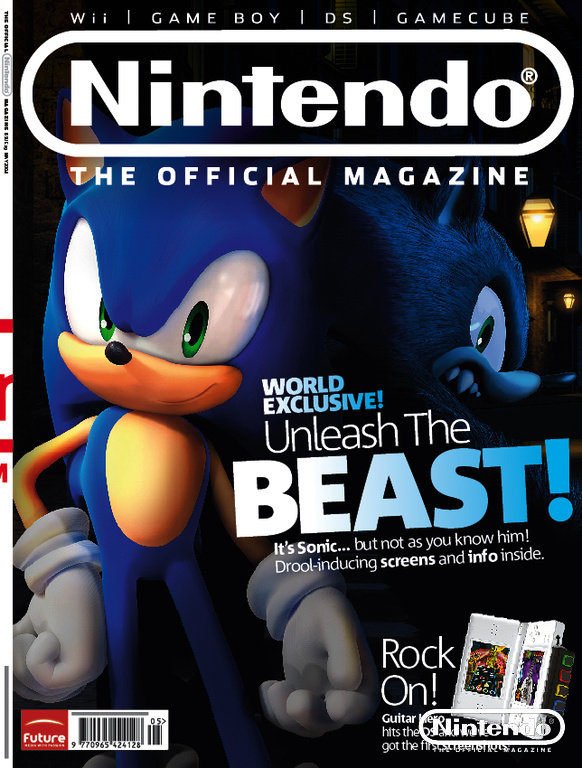
But honestly? The HD version of Sonic Unleashed is one of the hero's most epic games: it is visibly ambitious; it has beautiful graphics made possible by the Hedgehog Engine; one of the best stories in the Sonic games; impressive video sequences; excellent gameplay in both daytime and nighttime stages; an impeccable soundtrack; and a sense of perfectionism in practically every part of the game. It is no coincidence that it is one of the most commercially successful titles in the entire Sonic series and remains one of the most popular among the franchise's fans.
It makes no sense for gaming outlets to rate this game so negatively, even when we talk about the Werehog gameplay. Well produced in every area, the HD version of Sonic Unleashed deserves both the commercial success it achieved and the number of fans the game has. We can therefore “make the call” and say this is one of the most unfairly judged games of all time.
Perhaps the extremely negative reception of the HD version of Sonic Unleashed reflects the resentment many people still feel over SEGA no longer producing video game consoles, almost as if they felt betrayed because the company left the hardware business. It is noticeable that many players, especially those who were children in the 1990s, are bothered by the blue hedgehog appearing on “non-SEGA” consoles. Add to that the fact that the previously released Sonic 2006 was a truly poor experience, and the result is an undeserved bad reputation for one of the most respected and legendary characters in gaming. Those who actually play know what the vast majority of the mascot's games are like and how they continue to entertain countless generations of players today. Learn more about Sonic Unleashed here.
Tested on an Xbox 360 (HD version).