In Brazilian football, clubs have often faced problems with old and unfair models controlling how matches were shown on television and how other rights were handled. This created inequalities among the clubs. To try to resolve the issue and achieve greater fairness, the teams joined together to form organizations that could negotiate these matters collectively.
Libra was the first Brazilian league formed primarily to discuss broadcasting rights behind the scenes in football. The group consists of ABC, Atlético-MG, Bahia, Brusque, Flamengo, Grêmio, Guarani, Ituano, Mirassol, Novorizontino, Palmeiras, Paysandu, Ponte Preta, Red Bull Bragantino, Sampaio Corrêa, Santos, São Paulo, and Vitória. Libra recently negotiated its broadcasting rights with Globo collectively and sought to eliminate the privileges to which major teams had been entitled in previous years.
Besides Libra, there is a group called LFF (Liga Futebol Forte), formed by 11 teams from Série A and B: Athletico-PR, Atlético-GO, Criciúma, Cuiabá, Fluminense, Fortaleza, Internacional, Juventude, Botafogo, Coritiba, Cruzeiro, and Vasco. The two groups have similar objectives, but in this article we will try to make it even clearer what each one is and what they seek.
Why Is It Important to Have a League in Brazil to Discuss Broadcasting Rights?
The structure of broadcasting-rights revenue was far more than outdated; that was an easy conclusion to reach. The idea of creating a league to represent clubs' collective interests therefore emerged in 2022, enabling a more strategic and coherent approach to dealing with issues related to broadcasting rights. Libra and LFF were created in this context.
The importance of creating these leagues lies in the ability to work together, since this gives clubs more bargaining power to obtain fairer and more advantageous contracts with television broadcasters and other media platforms. Strong internal organization within the leagues can also help ensure a more equitable distribution of broadcasting revenue among clubs, thereby promoting greater competitiveness and financial sustainability in Brazilian football.
What Do Libra and LFF Propose?
Libra and Liga Forte do Futebol (LFF) are two different groups with a common goal: unite the clubs to establish a Brazilian League responsible for managing the broadcasting rights to the Campeonato Brasileiro, currently administered by the Brazilian Football Confederation (CBF).
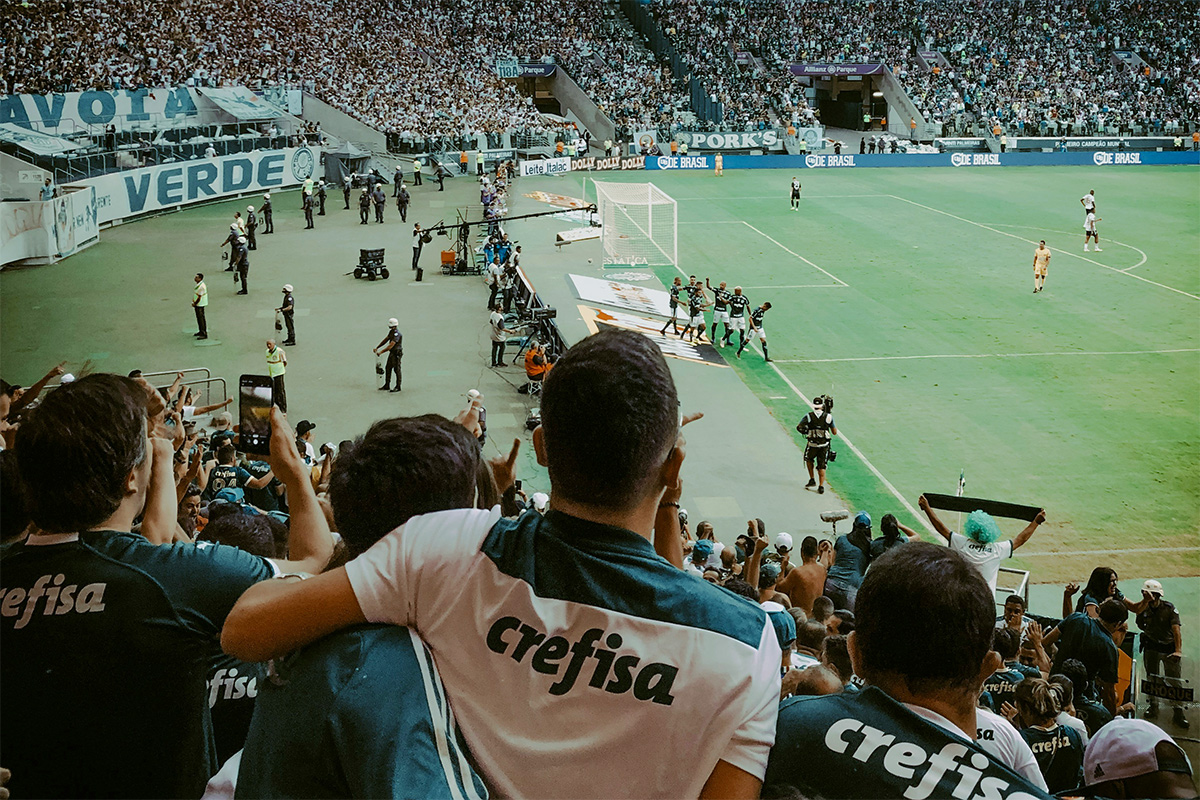
Both sides seek to align their proposals and develop a model that is attractive to Série A and B clubs. The main obstacle, however, lies in distributing revenue among the associations, making it difficult to unify the two groups. Each Brazilian club currently chooses to support either Libra or LFF according to its own interests.
Libra's proposal is to establish balance in revenue distribution over a period of up to five years, known as the transition. During this period, clubs such as Flamengo and other major teams, which currently receive a larger share of television rights than others, will be brought level with the rest. This equalization process will be gradual throughout the transition.
LFF (Liga Forte do Futebol), in turn, proposes that revenue sharing among clubs be implemented from the 2025 season. That is when all teams could sign a new television-rights contract, effectively beginning a new era for television quotas in the Campeonato Brasileiro.
The obstacle to an agreement between the two leagues lies in the disparity in the television-rights revenue each club receives from the Campeonato Brasileiro, which currently reaches as much as six times between teams. Both LFF and Libra seek to reduce this difference to no more than 3.5 times, but each has a different approach to achieving that goal.