Brazilian MMORPGs made entirely in Portuguese have been—and still are—a bet on the market, did you know? This is certainly a genre many people remember, especially in Brazil at a time when players visited LAN gaming centers far more often than they do today. Although the genre no longer has the same strength it once did, some games remain alive and well. Nevertheless, because of a lack of users, games such as Marvel Heroes Online shut down to make room for League of Legends, Fortnite, or betting sites.
Even though MMORPGs are not as present in the routines of most Brazilian players, who have replaced them with a new variety of online games, there are Brazilian MMORPGs in Portuguese that are under development or have already been released and attract considerable attention.
Games developed by Brazilian studios exemplify the influence of an entire generation that grew up playing MMORPGs and is now developing its own domestic games. Here is a list featuring some highlights.
Profane
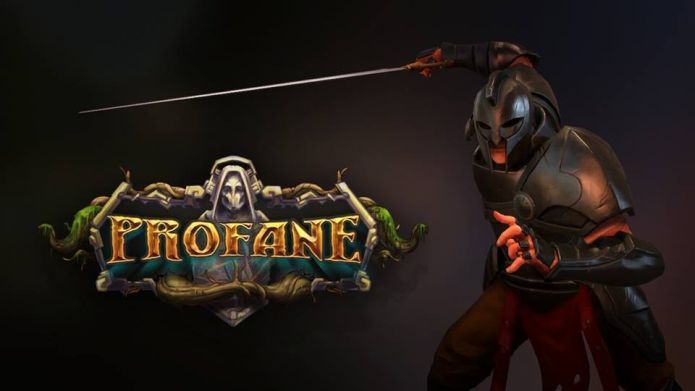
Developed by INSANE, Profane is a sandbox MMORPG that is still under development, but it has an available alpha version and a fundraising campaign to complete the game.
Here, players are not restricted by a class system, nor do they need to endure an endless sequence of character levels. Another huge difference is that armor and weapons are not restricted by use either; in other words, as long as the player owns the item, they can use it while outside combat.
The game's story begins in the distant past, when a god named Irisfel lived peacefully, simply admiring the universe, until he encountered a fragment of a nameless planet—a place that filled him with admiration and revulsion at the same time, causing the entity to split in two: Iris and Fel. The two begin a battle over this newly discovered world that lasts more than 100,000 years. Meanwhile, the player-controlled character must decide which side to support: Iris, who admires the planet, or Fel, whose repulsion is so great that he wants to destroy it completely. Experience the game by clicking here.
Wing of Misadventures
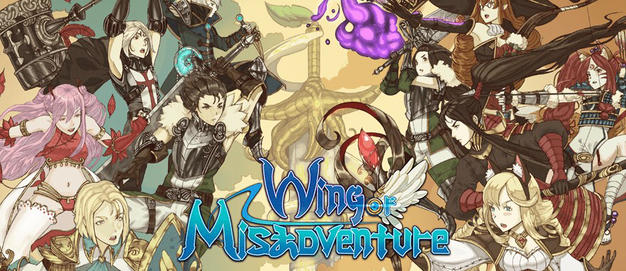
Wing of Misadventures is an indie MMORPG developed by Allyson Souza Bacon. Development began in 2015, but it still has no set release date. Its website, which also serves as a forum for the game, indicates that it is still fundraising for release. However, so that players can get an idea of what the game will be like, an early-access version provides access to the game according to the available donation packages.
The game currently has six types of groups: Elementalists, a kind of mage who can use magic for good or evil; Fearless Berserkers, warriors who manipulate the energy of life to destroy their enemies; Magic Fighters, who use magical strikes but do not carry weapons to defeat their enemies; Hardened Assassins, killers with rapid combos to get the job done; Guardian Knights, knights who fight and kill to protect; and Time-Manipulating Ninjas, cunning mercenaries who carry out executions in exchange for a few coins.
If you want to learn even more about the game, you can visit its website and forum, which feature game news and discussions among players who already enjoy it.
Bloodstone The Ancient Curse
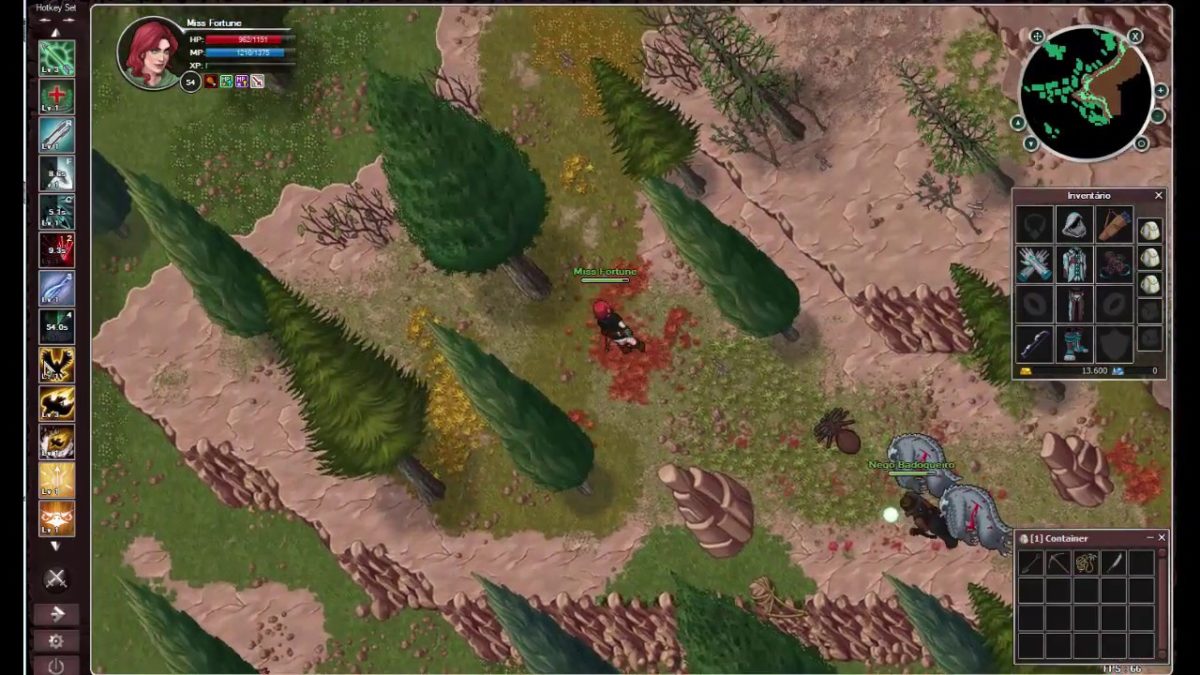
Developed by the studio Streamy, Bloodstone The Ancient Curse swims against the tide in a world of nearly all-3D games by using a completely 2D aesthetic. The game undeniably resembles Tibia Online, which was a major success in Brazil, and it consists of five initial classes: Warrior, Barbarian, Mage, Shaman, and Archer. Players can also join a guild or create a team to gain levels much faster than they could alone.
The game tells the story of a world called Bloodstone, where monsters attack villages constantly, leaving only the Elders to stop their tyranny. However, no matter how often they were defeated, the monsters always returned stronger, and the Elders soon realized they would no longer be able to defeat them. A warrior named Kuroba then decides to seek power, which ultimately becomes an obsession and completely consumes him in the form of an evil energy radiating throughout his body. The player must create a character to save the villages and the world of Bloodstone. The game can be accessed by clicking here.
Erinia
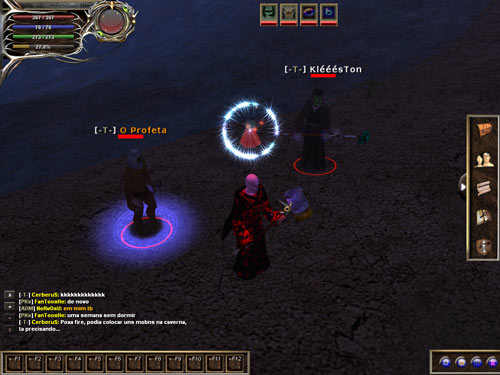
The project began in 2004 and was released in November of that year, making it one of the first Brazilian MMORPGs to launch. The game was produced by Ignis Games, but after it was licensed by Rede Networks, which began a new phase in 2008, it surprised fans by announcing the closure of its servers. It resumed operations only in 2012.
The game consists of creating medieval fantasy characters whose enemies are monsters from Brazilian folklore. It was one of the bets of the time that worked very well, and many players even considered it a game worthy of competing with World of Warcraft. The experience is worthwhile for those interested in discovering one of the major bets from the same year in which Ragnarök Online was released. Access it by clicking here.
Taikodom
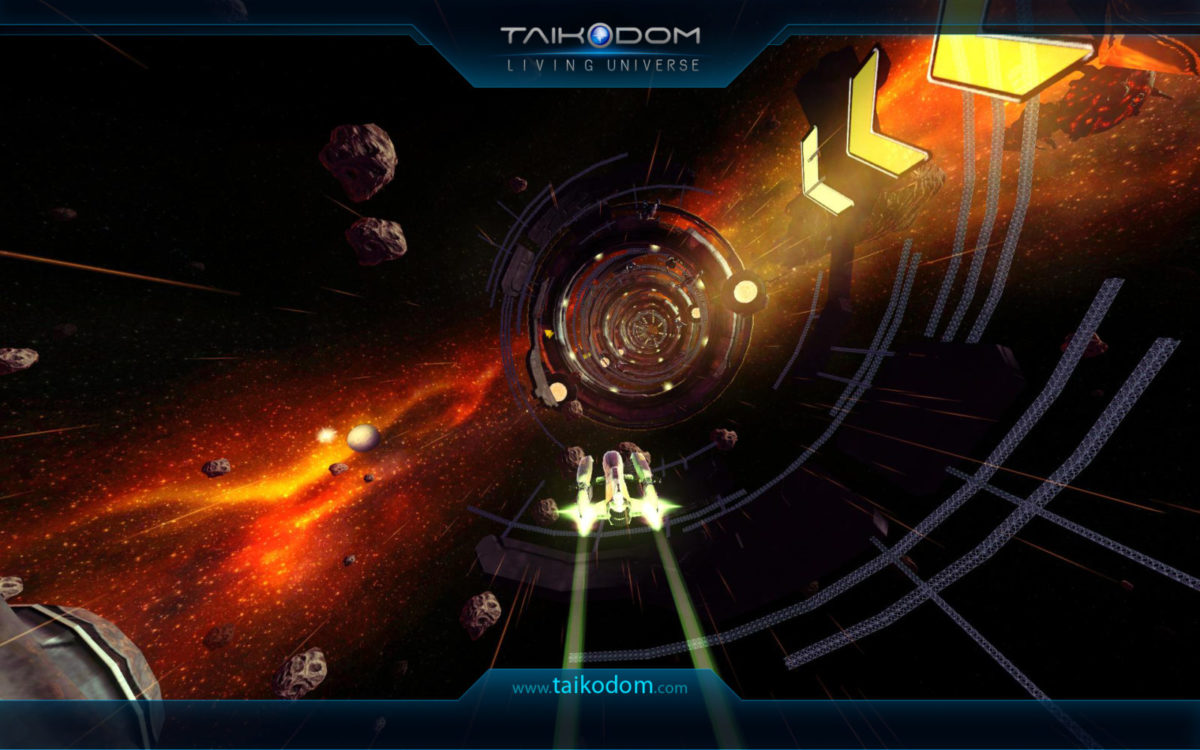
Taikodom was considered by many to be the largest computer game project developed in Brazil. Made by Hoplon Infotainment, the online game is a space simulator set in a future in which humanity has conquered space, and it was released exclusively for PC. The MMO launched in 2008 and shut down in 2011. After the original version closed, a sequel, Taikodom: Living Universe, took its place. Unfortunately, the sequel also ended its operations in 2015.
Players could create characters, customize avatars, and control spacecraft, taking part in activities ranging from mining to combat. These activities could be performed alongside other players or NPCs. Characters could create or join corporations in order to divide tasks, protect themselves, or increase their chances of victory in battle. Missions and specific tasks were entrusted to players by in-game characters called agents.