
Microsoft confirmed the release of Minecraft: Education Edition, a version customized for schools. In short, this edition is intended to let children explore places that exist in the real world, such as ancient Pompeii, the pyramids of Giza, Greek temples, and others.
"One of the reasons Minecraft fits well in the classroom is that it provides a fun and creative space at the same time, a common space for everyone who plays," said Vu Bui, chief operating officer of Mojang, the Swedish company that develops the game.
One of the new features is "mapping", allowing a class to effectively find something specified by teachers. It will also be possible to block certain features so students do not lose focus on learning.
However, Microsoft says the changes will be small and does not want to turn Minecraft into an educational product. It will remain a game, but one that can assist with studies.
The excellent idea of one person
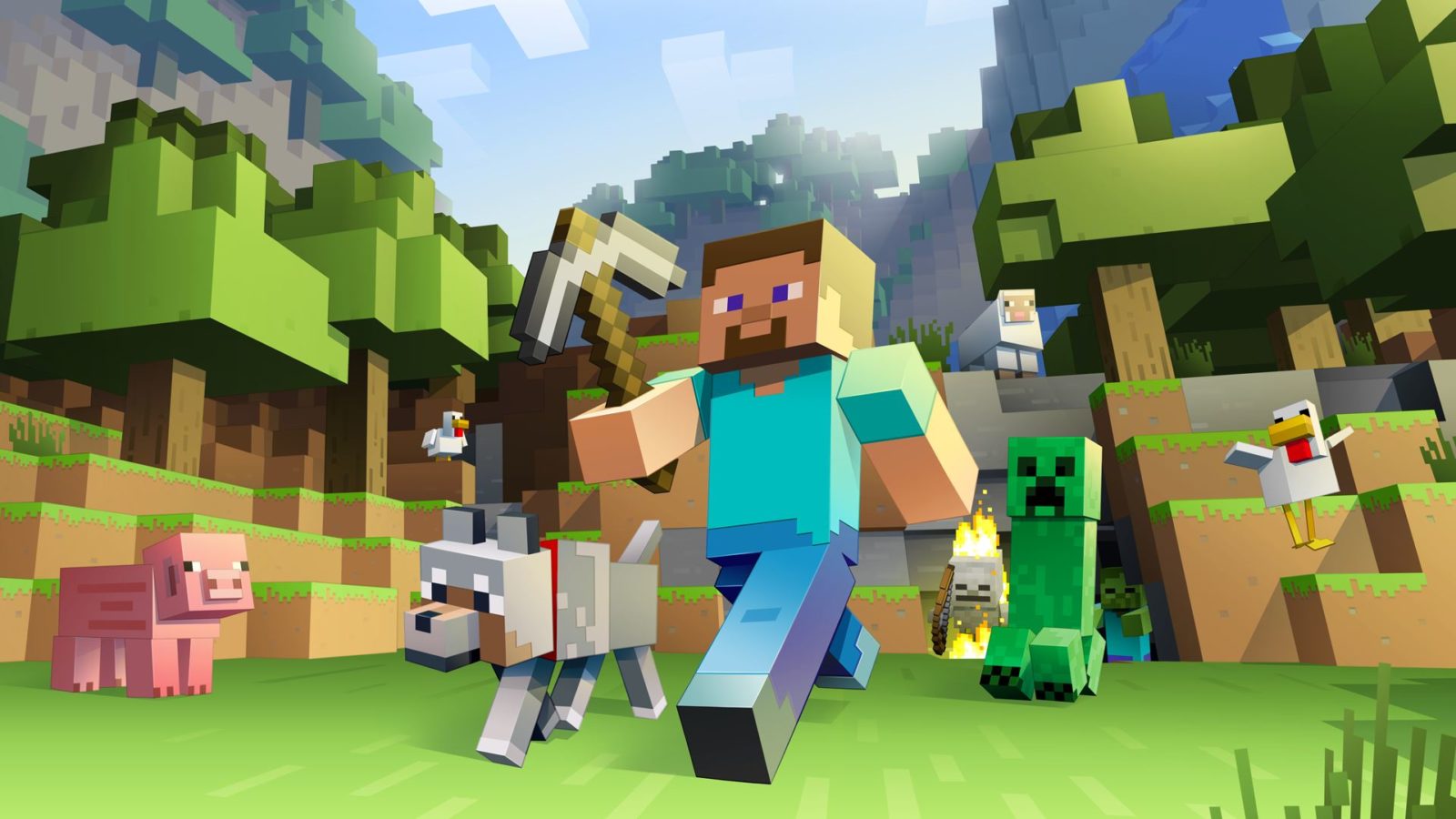
As a kind of digital Lego, Minecraft lets players build entire virtual worlds by joining blocks, with landscapes and most of its objects made from them, and allows those blocks to be removed and placed elsewhere to create structures by stacking them. In addition to mining and gathering resources for construction, the game combines survival and exploration.
The game has no objectives, story, or anything to "follow". The idea is to use it as a creative tool, with players spending their time making constructions. One of the most curious points is that the game was initially developed by one person: Markus "Notch" Persson, as an independent project based on games such as Swarf Frotress and Dungeon Keeper. Soon after its 2011 release, and with little marketing, the game gained unexpected fame and sold more than 70 million copies in four years.