As one of the greatest phenomena in gaming and even Japanese culture, Pokémon—the series created by Satoshi Taijiri on the Game Boy screen, where the franchise was born—led the pocket monsters to have their own anime, movies, toys, cards, and every kind of product imaginable. Even years after the franchise launched, its reach remains immeasurable. From Pokémon GO's resounding success, to Pikachu and his friends printed on the Japanese national team's uniform at the FIFA World Cup, the brand always remains in the spotlight. If you are used to hearing those easy, obvious Pokémon facts, such as Ekans being "snake" backward or Arbok being "kobra," respectively, take a deep breath, let that tension go, and come with us: we at Epic Play have brought no fewer than 63 facts and secrets, including some genuinely shocking details about the immensely profitable pocket-monster franchise.
FACTS ABOUT THE GAMES
Pokémon Red/Blue
63 - Pokémon Would Have Been Called "CapuMon"
The original Pokémon concept was known as Capsule Monsters when it was presented to Nintendo in the early 1990s. That concept was very close to what we know today, including the monsters being kept in balls—hence the name “Capsule Monsters”—and used in battles. The original idea came from Taijiri's childhood experience collecting insects. Influenced by gashapon machines, which dispense a small capsule containing a toy, Satoshi shaped the CapuMon concept. The problem was that the trademark had already been registered, so he had to change it to Pocket Monsters, and that was how Pokémon emerged.
62 - Professor Oak Was Originally Going to Be an Opponent
Professor Oak would have been one of the opponents you faced after defeating the Elite Four champion, but the programming was changed in the final version. His Pokémon would have been a level 66 Tauros, level 67 Exeggutor, level 68 Arcanine, level 70 Gyarados, and the starter that had been left aside—technically, the starter at a disadvantage against yours, since Blue/the rival chose the one with the advantage. It is nevertheless possible to battle Professor Oak because of a glitch.
61 - The First Generation Would Have Had 190 Pokémon
That's right: there would have been 39 more! Those additional 39, however, were held back for the Generation II games. The Pokémon that would also have been part of the first generation include Scizor, Shuckle, Heracross, Sneasel, Teddiursa, Ursaring, Slugma, Magcargo, Swinub, Piloswine, Corsola, Remoraid, Octillery, Delibird, Mantine, Skarmory, Houndour, Houndoom, Kingdra, Phanpy, Donphan, Porygon2, Stantler, Smeargle, Tyrogue, Hitmontop, Smoochum, Elekid, Magby, Miltank, Blissey, Raikou, Entei, Suicune, Larvitar, Pupitar, Tyranitar, Lugia, and Ho-Oh. Why were they not added? Probably because the Game Boy cartridge did not have enough space.
60 - An Impossible-to-Buy Bicycle
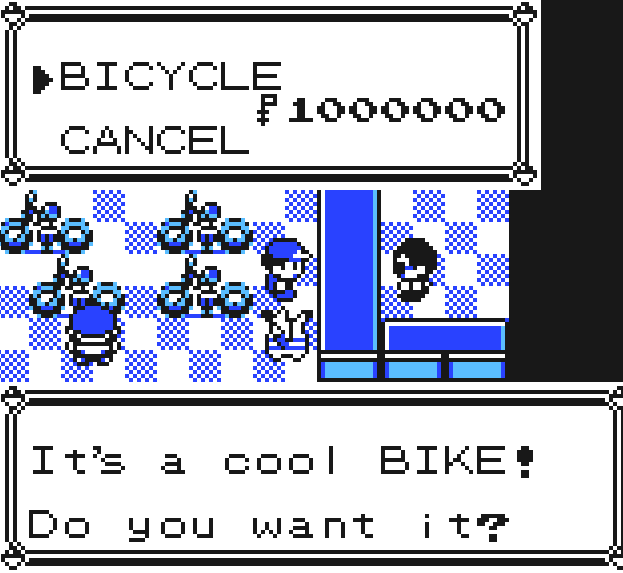 Even if you battle every player in the Generation I games, it is impossible to buy a bicycle. That is because it costs 1,000,000 Poké Dollars, while the most a player can hold is 999,999 Poké Dollars.
59 - A Theory Suggests There Was a War Before the First Game's Story
In the first-generation Pokémon games, your character has no father, and your mother relies on you as the man of the house. Young people occupy positions of power everywhere, and you do not see many adult men who are not in the mafia or the military. Even Lt. Surge says at one point: “Hey, kid! What do you think you're doing here? You won't live long in combat! That's for sure! I tell you, kid, Electric Pokémon saved me during the war! They electrocuted my enemies, paralyzing them! The same thing I'll do to you!” If you want to know more about this theory, we will reveal something important near the end...
58 - Lavender Town Is Known for Making Players Feel Ill
A series of strange phenomena is associated with Lavender Town in the original Red/Blue games. The music players hear while in the town is said to contain isochronic tones, which could be the cause of the illness known as “Lavender Town Syndrome.”
Pokémon Gold/Silver
57 - Pokémon Was Supposed to End with This Generation
The Pokémon franchise was originally supposed to end with the second generation. The idea was for both games to have a story with a definitive ending, but the developer$ decided that would not be $uch a good idea, and the games continue to this day.
56 - The Red/Blue and Gold/Silver Protagonists Would Have Been Brothers
Originally, Red, the protagonist of Pokémon RED/BLUE, would have been the brother of the GOLD/SILVER protagonist, but this idea was changed and Red became a rival in the Kanto region.
55 - Silent Hill and Pokémon
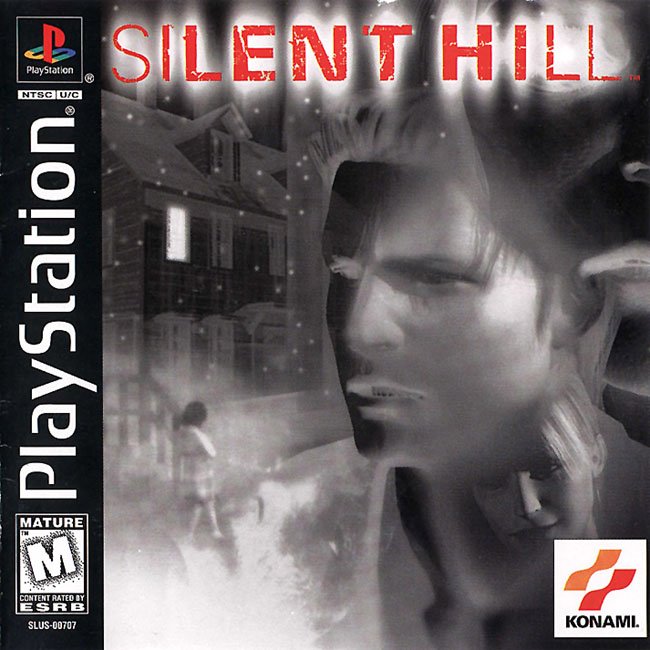 The starting town in GOLD/SILVER was going to be called Silent Hills, but the horror game of the same name came out around that time, so they decided to change it to avoid evoking the horror title.
Other Games
54 - Doduo Flying with Its Feet
It was not possible to teach Fly to Charizard, even though it had Flying as a secondary type and possessed wings. Doduo, however, was able to fly.
53 - Pokémon Puzzle League
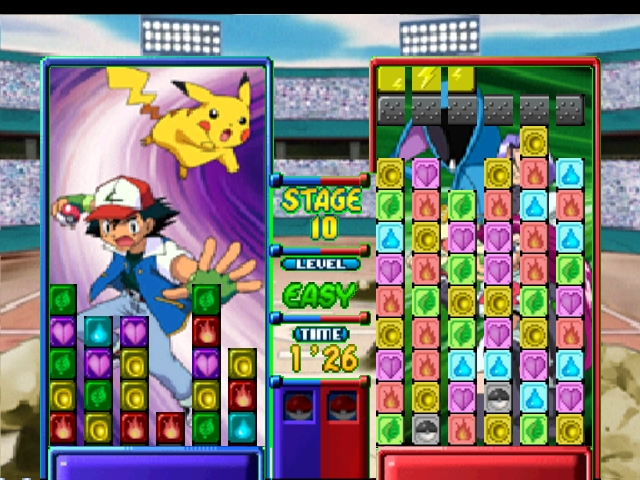
In this Nintendo 64 game, it is possible to unlock Mewtwo. To do so, hold Z and press B, Up, L, B, A, Start, A, Down, R. The code spells "Bulbasaur."
52 - Regions That Resemble the Real World
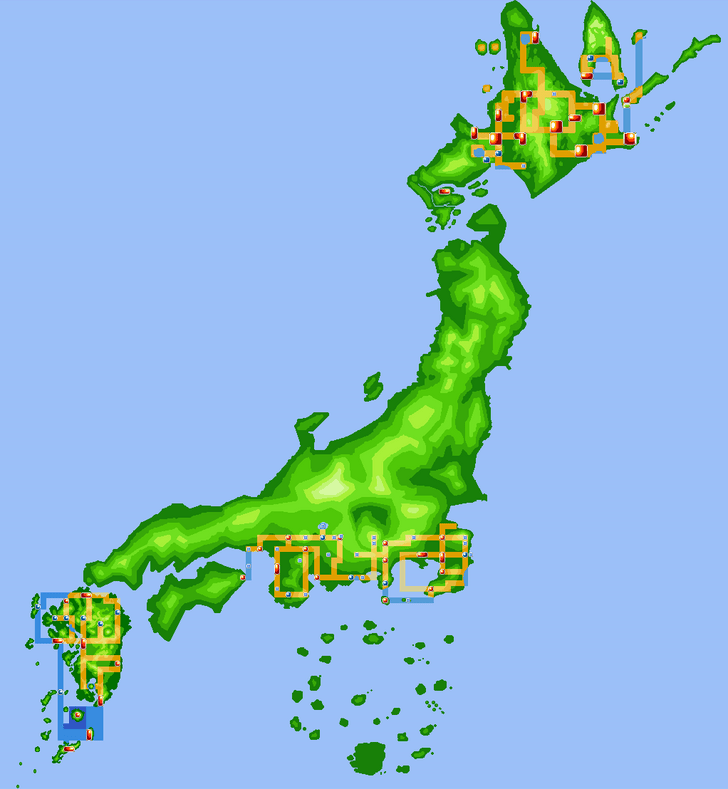 Up to the fourth generation, all of the islands are reproductions of places that exist in Japan. See an original map of Japan.
ANIME FACT
51 - Pokémon Against Terrorist Attacks
The Tentacruel episode went unaired on North American television for a time because of the attack on the Twin Towers. This happened because, in the episode, the Pokémon destroyed the city by knocking down a building with its fins, which evoked the tragic event of 11/7. That was not all: after natural disasters involving earthquakes and a tsunami struck Japan, the writers of the Pokémon: Black & White anime were forced to possibly rewrite parts of the series because its nature, according to them, would "hurt" the people of Japan. The episodes involved themes such as earthquakes and mass destruction. The two-episode special above was canceled.
50 - "Ash's" Name in Japan Honors the Series' Creator
 Satoshi, in one of the few photos of him that can be found online.
Ash came from the original name, Satoshi in Japanese. It was chosen as a tribute to Pokémon creator Satoshi Tajiri.
49 - The Name "Gary Oak" in Japan Honors a Great Master of Games
 Image: Polygon
This modest tribute is anything but random: Miyamoto, the master creator behind successes such as Super Mario and The Legend of Zelda, was Taijiri's mentor. With a teacher like that, no wonder Pokémon was a success!
48 - Jesse and James's Names Are Tributes Too
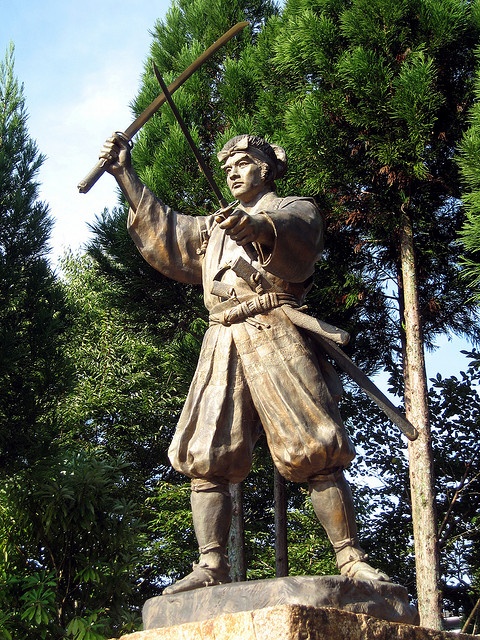 Statues depict one of the most famous duels in Japanese history.
While the United States names of Team Rocket's bumbling pair were inspired by Jesse James, one of the most famous outlaws in the country's history, the Japanese origins of their names are somewhat nobler.
Jesse, the beautiful red-haired “villain,” is called Musashi in the Japanese version of the cartoon. Her name honors the greatest samurai in Japanese history and founder of one of the foremost schools of the way of the sword, Miyamoto Musashi. James, her blue-haired partner, was originally called Kojiro. His name was inspired by Sasaki Kojiro, another famous Japanese swordsman who died fighting Miyamoto Musashi in one of the most famous duels in Japanese history.
47 - Clefairy Would Have Been the Anime's Main Character, Not Pikachu
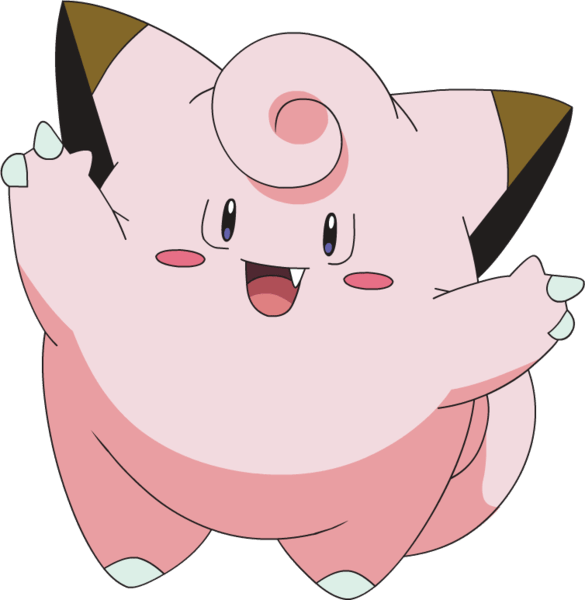
Initially, the anime's creators intended Clefairy to be Ash's main mascot. A few days before work on the cartoon began, however, they decided to replace it with Pikachu.
46 - Ho-Oh Appears in the Anime Before Debuting in the Games!
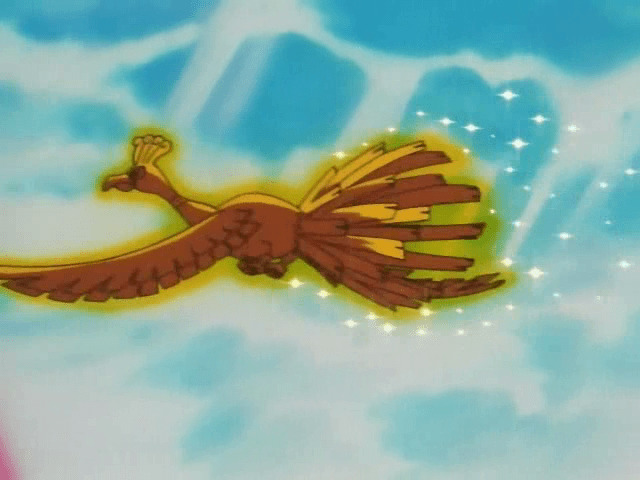
The legendary Pokémon appears at the end of Pokémon's very first episode. It only became part of the second generation of games, however, in Gold & Silver, which was released years later. It would not appear in the anime again until much later.
45 - Brock "Opened His Eyes" Only Three Times
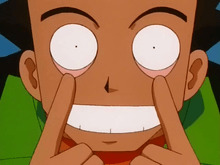
Brock and Misty will always be Ash's best friends, and no better duo will ever join him. The boy is always shown with his eyes closed, and across the entire anime he opened them only three times.
FACTS ABOUT THE POKÉMON
44 - Abra, Kadabra, and Alakazam
Magician Uri Geller, who was known for bending spoons, sued Nintendo over the Pokémon "Abra, Kadabra, and Alakazam," claiming they were based on him. He lost the lawsuit, however, because Nintendo stated that their original name was Yungerer. Despite this, circulation of the Pokémon's TCG cards was halted.
43 - Arcanine
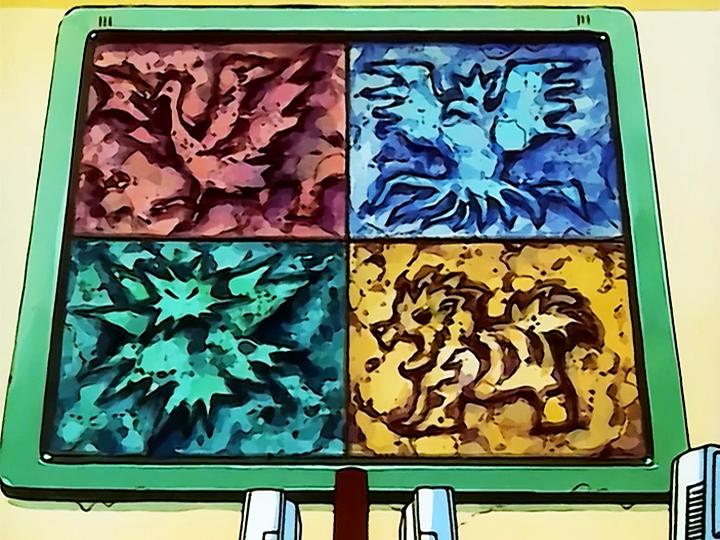 Reference in the anime.
It was originally going to be a legendary Pokémon, but it was replaced by Moltres.
42 - Articuno, Zapdos, and Moltress
Miss Ekans/snake? The three legendary birds also feature wordplay in their names. In the sequence Articuno, Zapdos, and Moltress, the ending of each name follows UNO, DOS, TRES—one, two, and three in Spanish, respectively. In the games, Zapdos's 2D image is also the only one that is always shown flying or in the air.
41 - Azurill
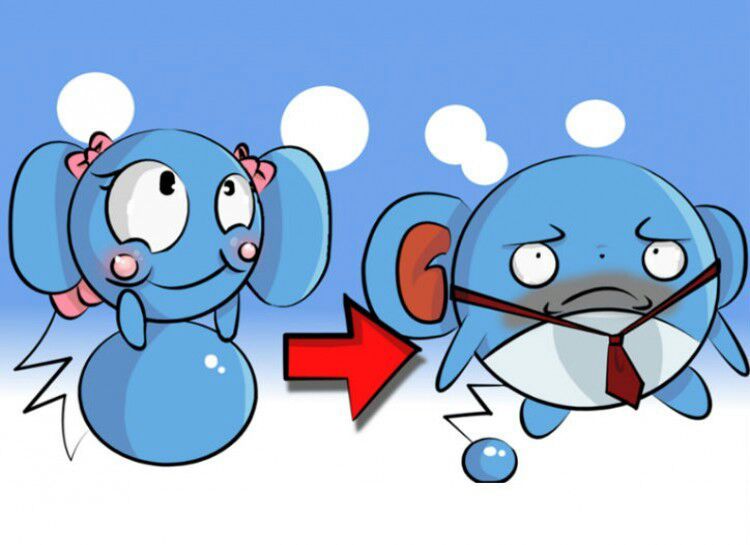 Image: Amino Apps
Azurill has a 25 percent chance of changing sex when it evolves.
40 - Benette
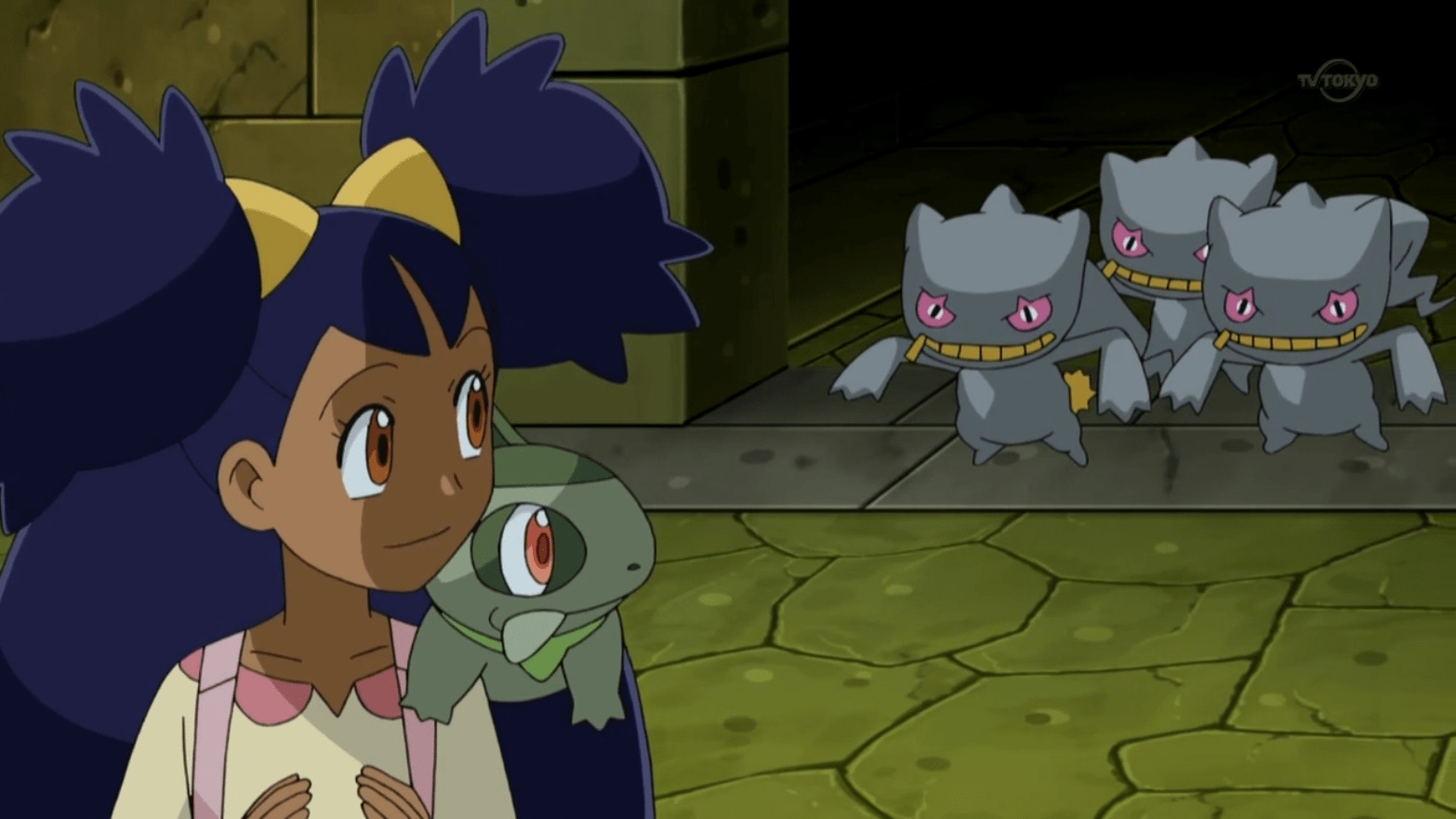
To begin, we have Benette, which first evolved from another Pokémon called Shuppet, a creature “drawn to people's feelings of envy.” But what we really want to discuss is Benette, “a doll-like Pokémon possessed by pure hatred.” Its story says it was not always a Pokémon: in the past, it was a doll driven to hatred by a child who abandoned it.
39 - Clefable and Gengar
Gengar was originally supposed to be an "evil" version of Clefable. This is apparent in Gengar's shape, which resembles Clefable without the wings and with a sinister expression. The idea was clearly changed, and Gengar became Gastly's final evolution.
38 - Cubone
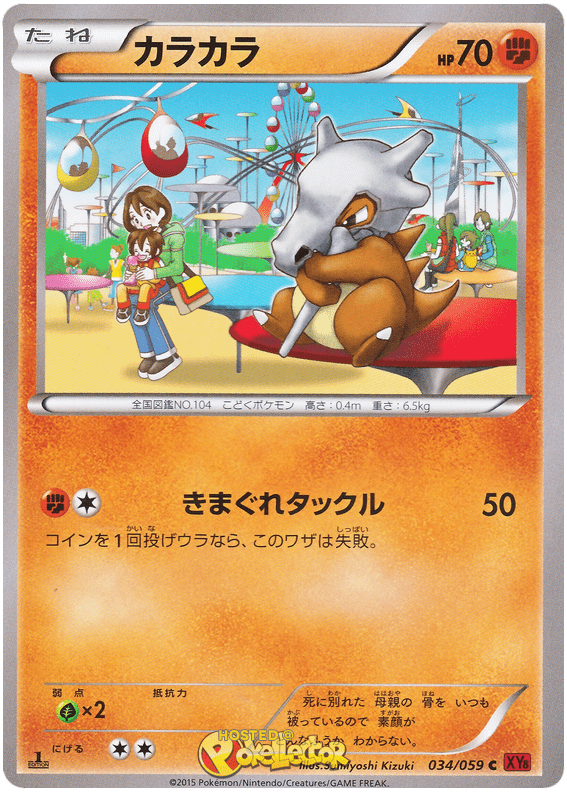
There is a story that the skull on a Cubone's head may belong to its mother, who died. Cubone wears it to remember its beloved mother. Catch a Cubone and take good care of it, everyone.
37 - Cyndaquil
Cyndaquil is the only Fire-type starter Pokémon that remains "pure" throughout its evolutionary line. By that I mean all of its evolutions are Fire type. Every other Fire starter's final evolution is Fire + "?". For example, Charizard is Fire/Flying, Blaziken is Fire/Fighting, and Delphox is Fire/Psychic.
36 - Ditto
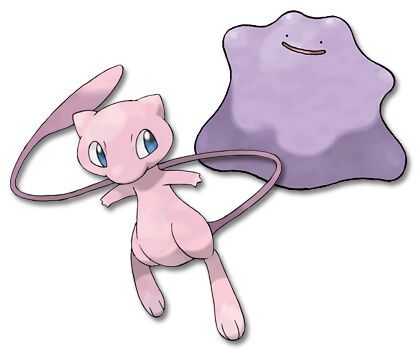
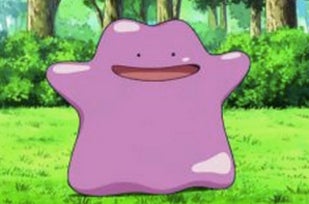
Ditto is believed to be a failed attempt to clone Mew. The Pokémon share similar moves, stats, and coloration, and they are found in the same cave as Mew's successful clone, Mewtwo.
35, 34, 33 - More Macabre Pokémon Stories
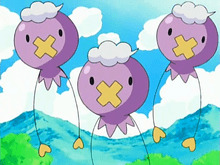
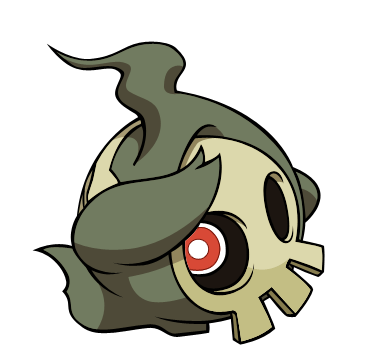
The Pokédex states that Drifloon is a Pokémon that tricks children into thinking it is a balloon, then carries them away through the air.
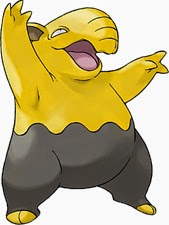
Drowzee is based on the legend of the "Baku," evil spirits that fed on people's nightmares. The Pokédex says Drowzee puts victims to sleep solely to feed on their dreams.
This small Pokémon is entirely inspired by the figure of death—a black hood and skull-like face. In the Pokédex, Duskull is described as a “Pokémon that pursues children who do not follow the rules.” When Duskull evolves, it becomes Dusclops, which is “capable of swallowing anything, never to be seen again.”
32 - Exeggcute
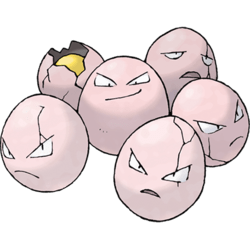
Exeggcute usually consists of six heads, belongs to the "Egg Pokémon" species, has "egg" in its name, and has a color resembling an egg, yet it is still not an egg. Exeggcute is actually made up of plant seeds.
31 - Farfetch'd
One of its Pokédex entries says that humans nearly hunted the Pokémon to extinction, practically proving that people in the Pokémon universe eat the creatures. Ugh.
30 - Gothita
Did you think the "dark" stories were over? Every evolution of this Pokémon is bizarre. Gothita is inspired by Gothic clothing. It is always staring at something only it can see. When it evolves into Gothorita, it likes to abduct people at night. In its Gothitelle form, it begins using its abilities to see the future, especially its trainer's death. Something very basic and ordinary in the life of a Pokémon trainer, nothing bizarre... Yeah, right!
29 - Gyarados
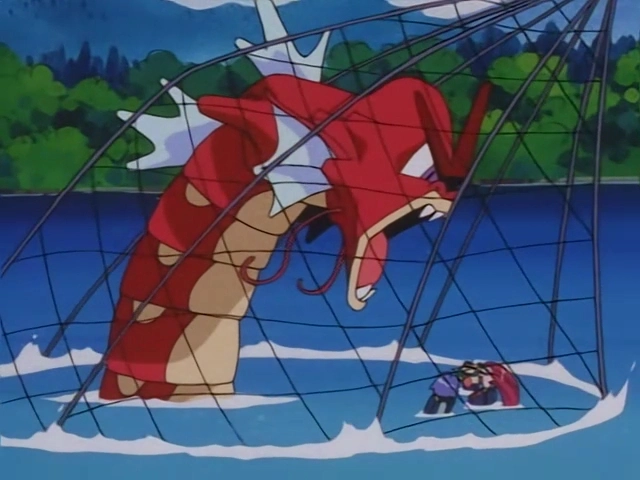
In the Pokémon Red/Blue beta, Gyarados's original name would have been SkulKraken. It would have combined Skull and Kraken, that giant sea squid. Another fact is that Gyarados was the first Shiny Pokémon to become part of the games' story, appearing in Pokémon Gold and Silver, where it could be caught. As a result, Shiny Gyarados was many people's first Shiny Pokémon.
28 - Hypno
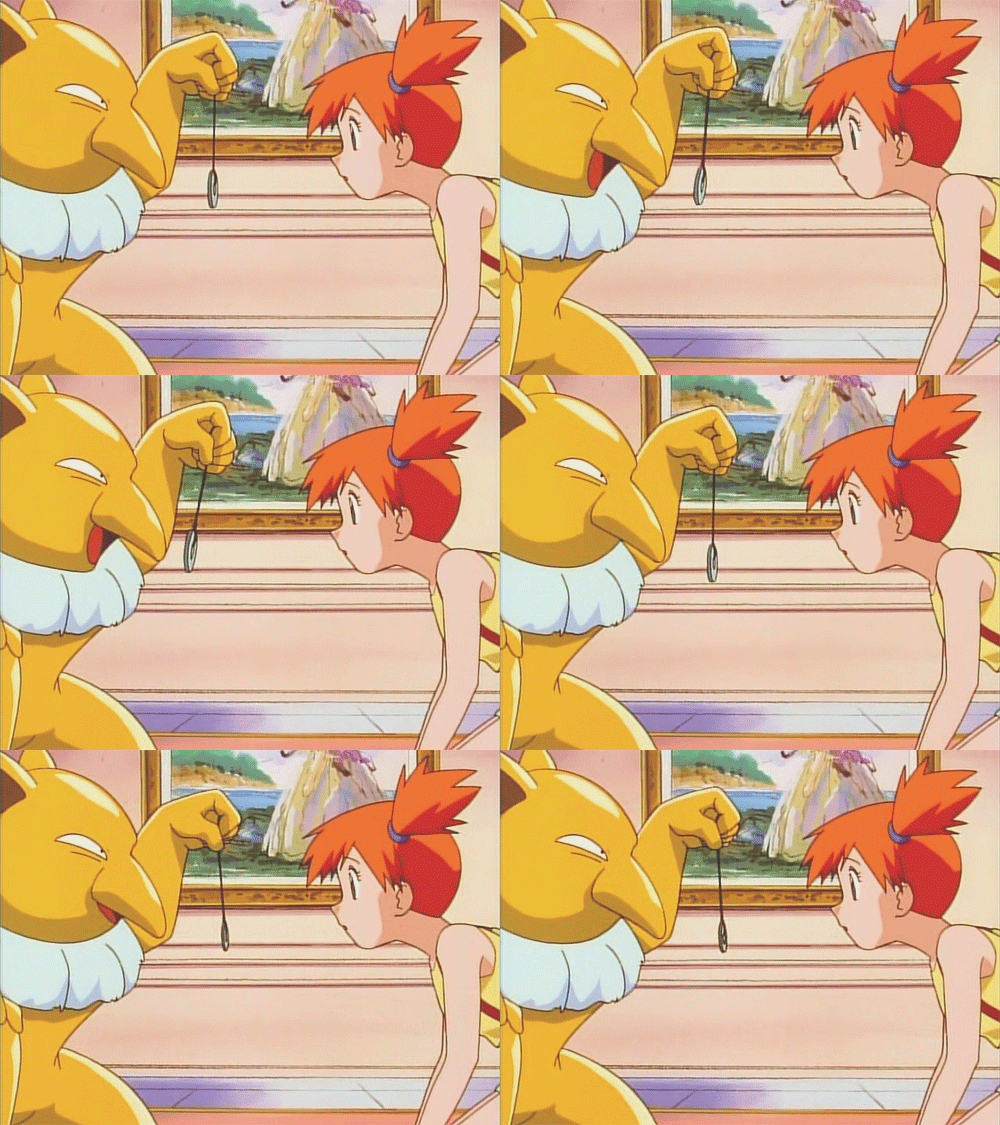
There is a very sinister legend behind the Pokémon Hypno. It says that it abducts children and has a chilling song... Watch this video from our friend Heitor to understand it better. Be warned: it is very sinister.
Its Pokédex description makes everything even more sinister. See: “Hypno will try to put you to sleep using its pendulum. When it is very hungry, it usually puts people to sleep and then begins devouring their dreams, which causes the person physical pain. There was once an incident in which Hypno hypnotized a child and took them to an unknown place...”
27 - Jynx
In Red/Green/Yellow, it is impossible to obtain a Jynx named Jynx, because the only way to get one is from an NPC in Cerulean who named it Zynx. Jynx also had to have its colors changed from black to purple because Nintendo was accused of racism.
26 - Koffing and Weezing
Image: Dreamstime
Koffing and Weezing are named NY and LA, respectively, in Japan, referring to New York and Los Angeles as a "tribute" to the most polluted cities on the planet.
25 - Magikarp
Magikarp and its evolution, Gyarados, are based on a Chinese legend. The myth tells of a dragon gate atop a waterfall: any fish able to climb the waterfall and pass through the gate would become a huge, powerful dragon. Another fact involves the games: the move "Splash" is a mistranslation of the Japanese word "hop," which is why it is a Normal-type move rather than Water type.
24 - Magneton
Magneton consists of three Magnemite, each of which weighs six kilograms. Curiously, the Pokédex says Magneton weighs 60 kilograms!
23 - Mareep
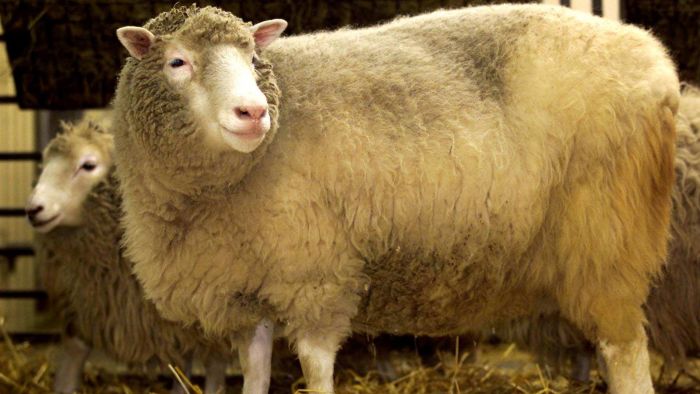 Image: ABC
The Pokémon Mareep is a reference to the science-fiction novel "Do Androids Dream of Electric Sheep?" by Phillip K. Dick. There are also rumors that the Pokémon's design was inspired by Dolly the sheep, the first mammal to be cloned.
22 - Mew
Pokémon FireRed/LeafGreen includes anti-hacking protection under which a hacked Mew will not obey you, regardless of how many badges you have.
21 - Mr. Mime
Mr. Mime can also be female, even though the female Pokémon's name still includes “Mr.”
20 - Muk
According to the Pokédex, a single drop from Muk's body can poison and pollute an entire lake. What a great Pokémon to have!
19 - Nidorino and Nidorina
In the first game's intro, a Nidorino appears, but the sound it makes is Nidorina's cry.
18 - Parasect
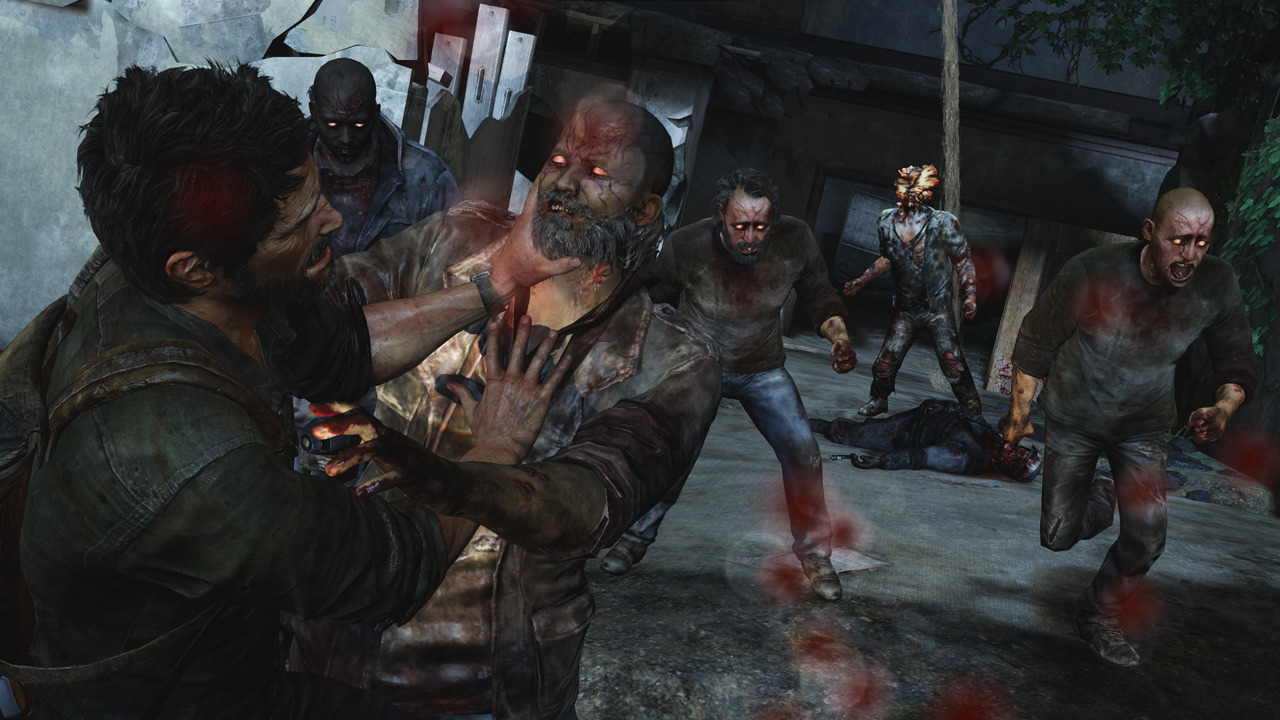 Image: Know Your Meme
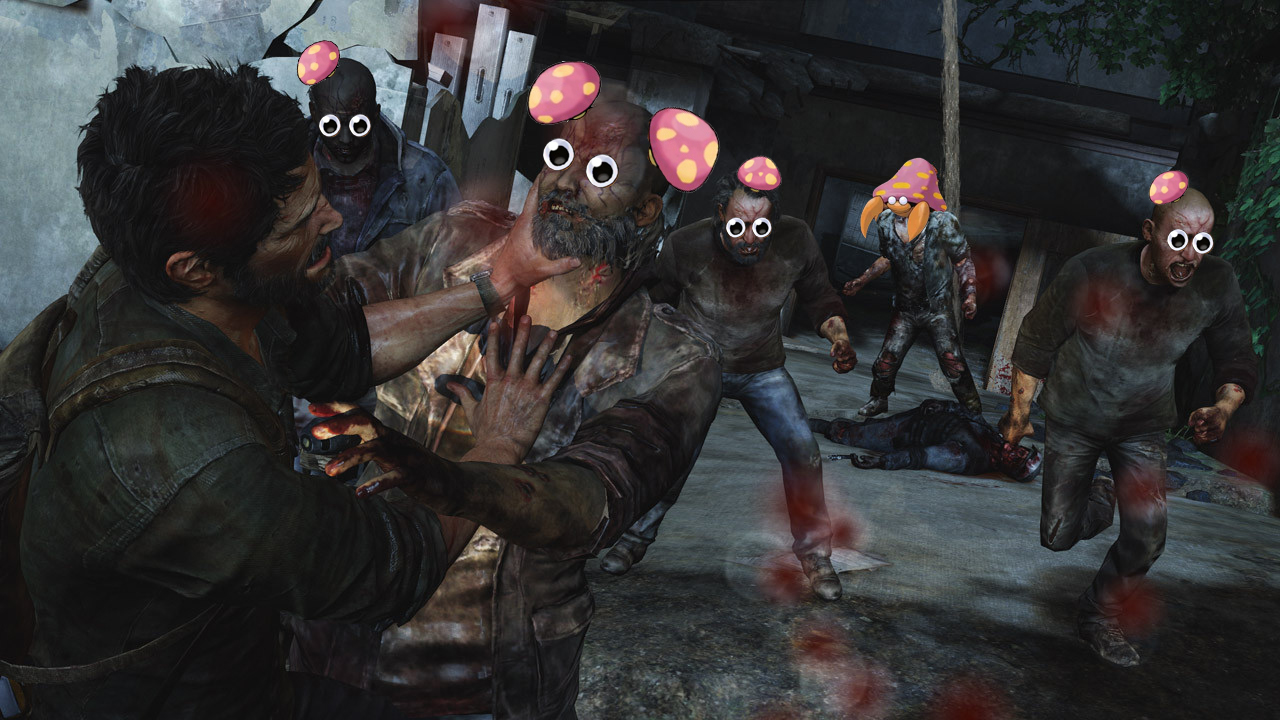
Parasect is actually the combination of two organisms, and the name of that relationship is parasitism—biology is life, right? One is an insect and the other is a fungus. The fungus is represented by the mushroom that grew on Parasect's back until it gained full control of the Pokémon. What you may not know is that this fungus really exists! It settles in insects' brains, taking control of them and turning them into zombies. That same fungus was used as the cause of the incident in the game The Last of Us.
17 - Pikachu
Pikachu—the Mouse Pokémon—has Pokédex number 25, while Meowth—the Cat Pokémon—has number 52. This was intentional: if you reverse the numbers, you can see that they are opposites, just like cats and mice. Have you ever thought about how Meowth and Team Rocket are the villains who "hunt" the mouse in the anime? No? We here at Epic are paying attention.
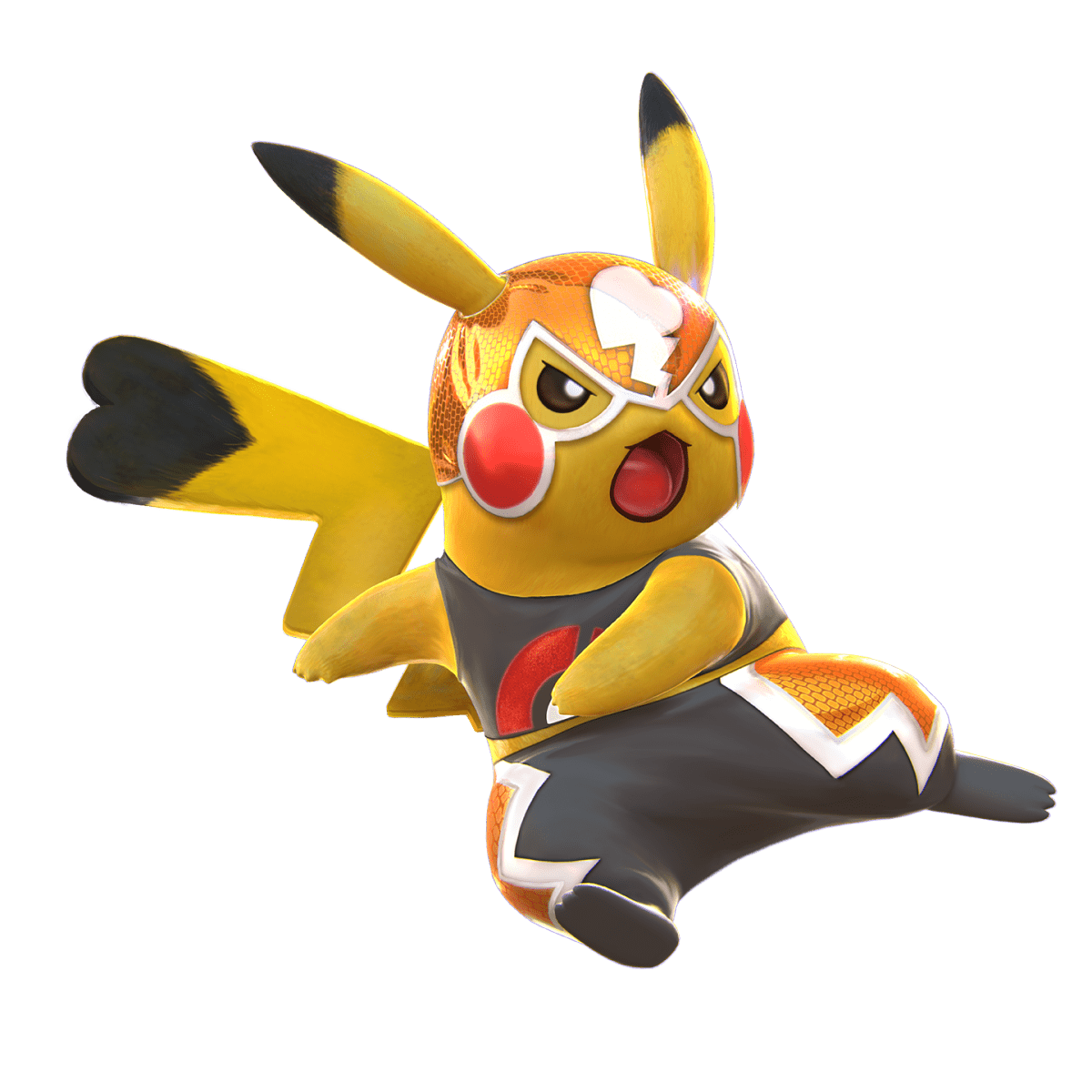
Another fact comes from 2008, when a Japanese scientist discovered a protein that helped carry electrical impulses from the eyes to the brain. Because these impulses are extremely, exceptionally fast, Shigeru Sato decided to name his discovery after the world's most famous electric rodent. And so Pikachurinwas born, combining “Pikachu” with “protein.”
A third fact concerns the island of Niue, in Japan, where people produce their own currency and decided to stamp Pikachu's face on some of the coins. Finally, Pikachu's name combines the Japanese onomatopoeia for a spark, "PikaPika," with the squeaking sound expressed as "chuChu."
16 - Poliwag
The spirals on Poliwag's belly really resemble the intestine of a real-life tadpole.
15 - Porygon
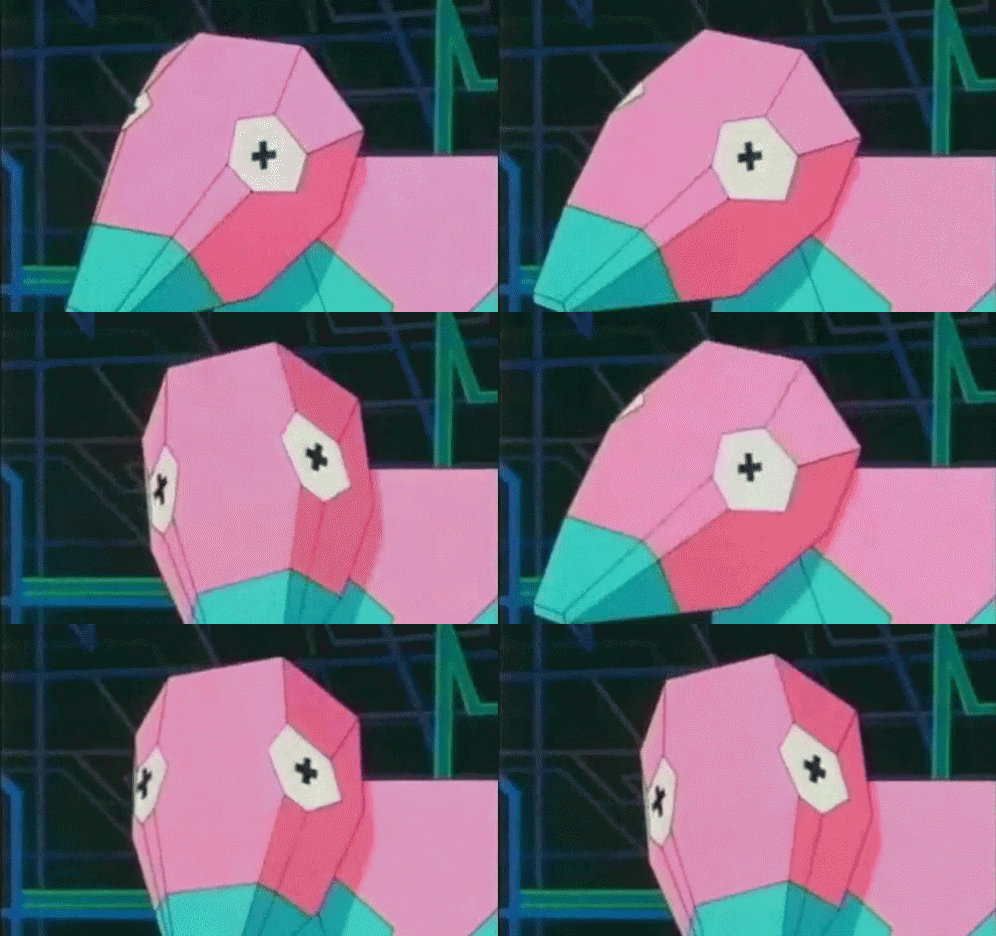
The first game in which we can catch a wild Porygon was the fourth generation's Pokémon Diamond/Pearl! Another fact about this Pokémon is that its episode was banned and even erased in many places around the world because an electric shock released by Pikachu produced an on-screen reaction for a few seconds, with several colors appearing rapidly, sending many children in Japan to the hospital after epileptic seizures. This is a classic story and led many parents and members of the media to accuse the anime of even being demonic.
14 - Rhydon
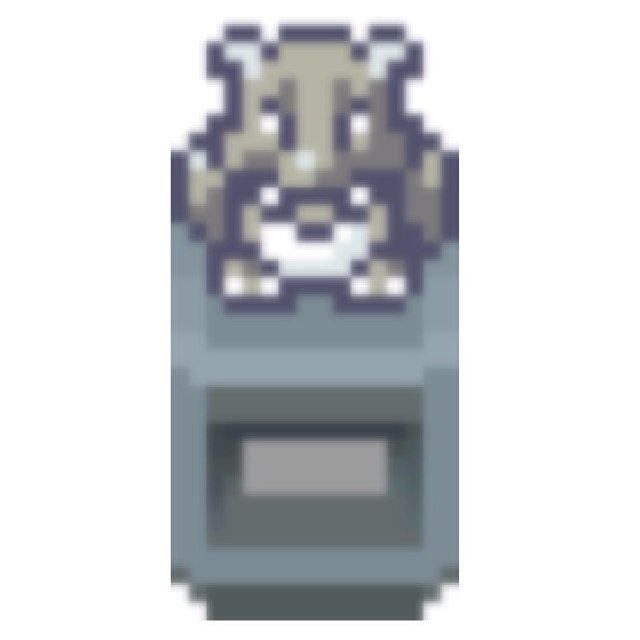
Rhydon was the first Pokémon created! In fact, most games feature statues of the Pokémon across their maps, a tribute to its immense importance to the franchise.
According to Ken Sugimori, the series' lead illustrator: “The first Pokémon were Rhydon, Clefairy, and Lapras. We initially planned to have Pokémon living alongside humans and making their lives easier. So, during the early stages of development, many characters emerged with very clear roles, such as carrying things around or navigating the sea with someone on their back. We also thought about cuter characters, such as Clefairy, to serve as pets.”
13 - Slowking
Everyone knows Slowking is a Slowbro with a Shellder on its head, right? And that this makes it extremely intelligent—but did you know that its maximum stat in this form is equal to the highest stat of third-generation legendaries Groudon and Kyogre? Besides being a "brain," it is very useful in battle.
12 - MissigNo
In Pokémon X/Y, they seem to have played with a dark image of an establishment that closely resembles the "MissingNo" bug from the first games. MissingNo was a cluster of mixed-up pixels that you could catch on the original cartridges. It would come with the same abilities as a Mewtwo. See an image of what it looked like.
11 - Spinarak
Reports indicate that Spinarak was created by a child who was a Pokémon fan during a Trading Card Game tournament in the United States. Pokémon TCG is the franchise's famous card game.
10, 9, 8, 7 - Do Appearances Matter?
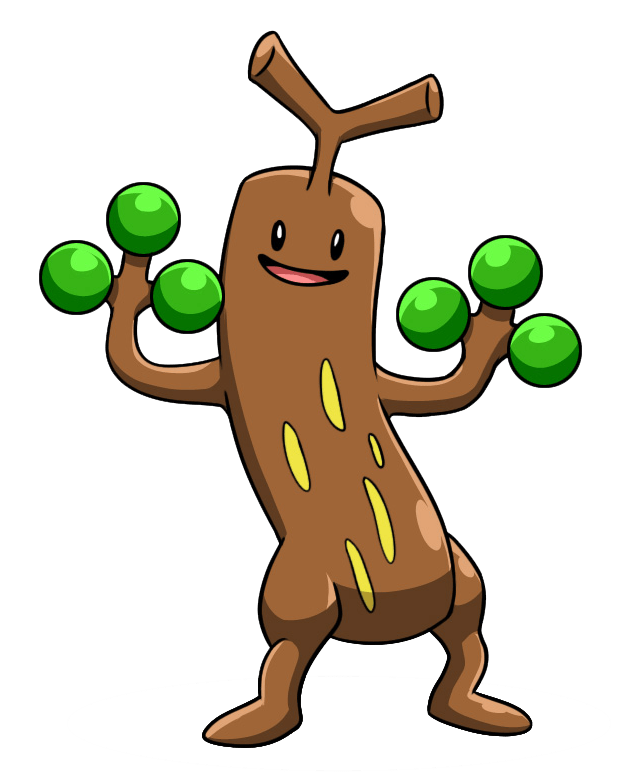
This is not a fact, but a reminder that... the Pokémon Sudowoodo is not Grass type, but ROCK type. Many trainers, including yours truly, thought it was Grass type... But it isn't!
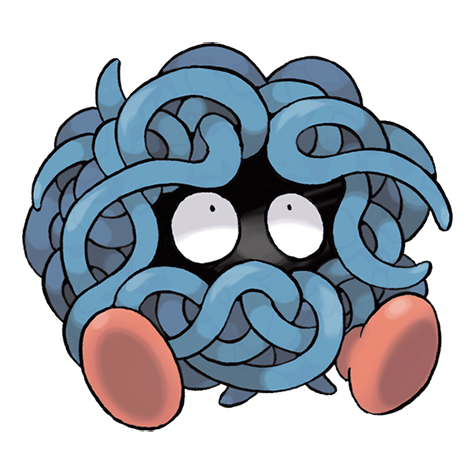
Tangela is the only first-generation Pokémon that is pure Grass —Grass type, in Portuguese—while all the others are Grass/Poison or Grass/Psychic. That is very strange, since Grass-type Pokémon generally make us think they should be green... Tangela is not green, yet it is the only pure Grass type.
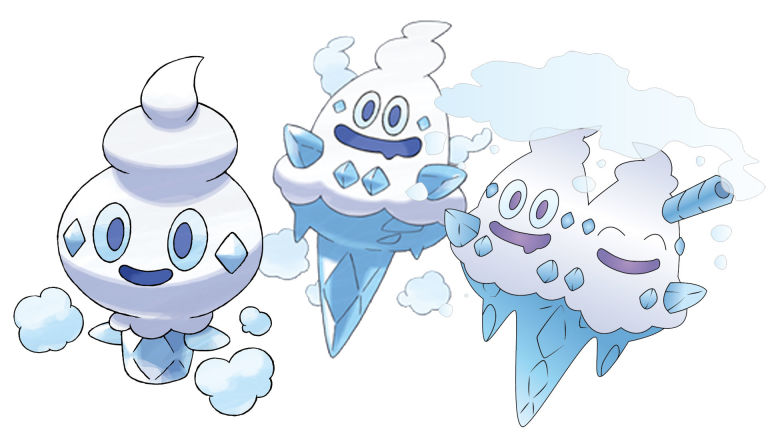
A theory says the faces of Vanillite, Vanillish, and Vanilluxe are fake, while the ice crystals visible near those false faces are their true facial features.
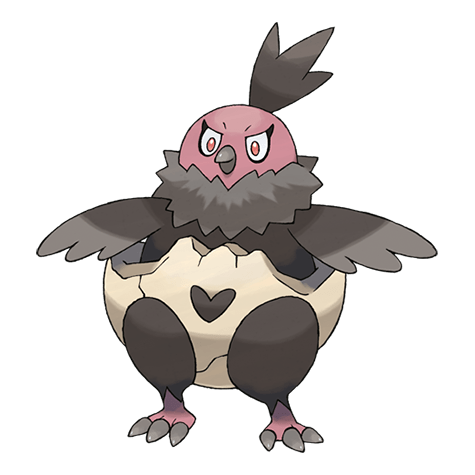
The “diaper Pokémon,” Vullaby, is classified as a Dark-type Pokémon in the Pokédex. This also accounts for why its diaper looks like a human skull. An "evil" baby.
6 - Yamask
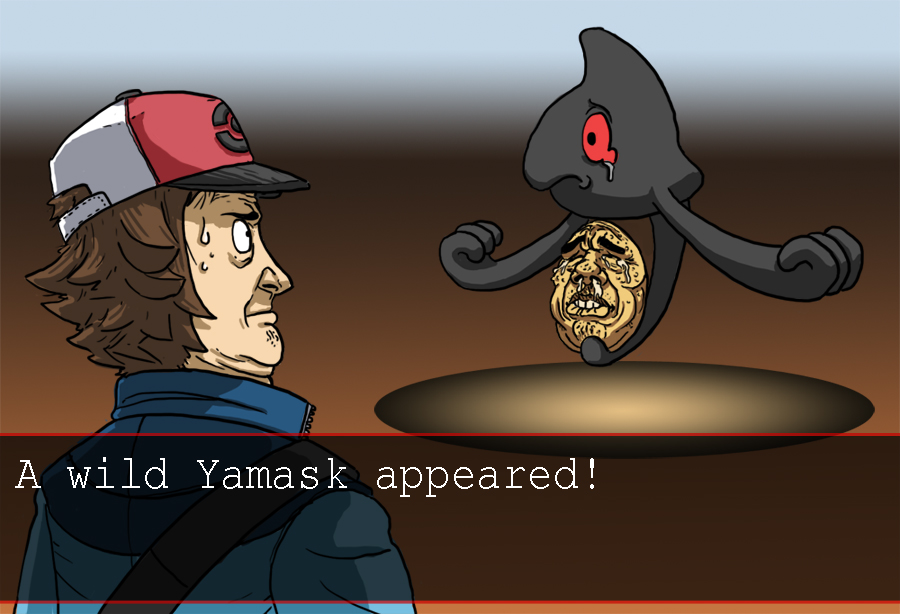 Artist: THDark on NewGrounds.
I saved the final Pokémon on this macabre list, and the most bizarre of all, for the end of this article. Yamask is the ghost of a person who died, whose spirit now wanders the Pokémon world. It carries a mask representing the face of the person who was once alive. When it looks at the mask, it begins to cry, as though reminded that it was once a Pokémon trainer. If you catch it, you are imprisoning its spirit inside the Poké Ball, and if someone wears the mask it carries, that person will be possessed by the dead trainer's spirit. It is all official, everyone. All official.
5 - Wailord
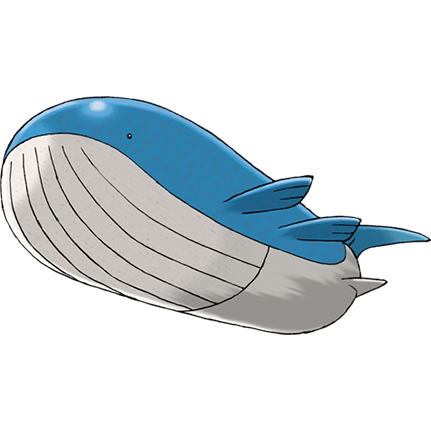
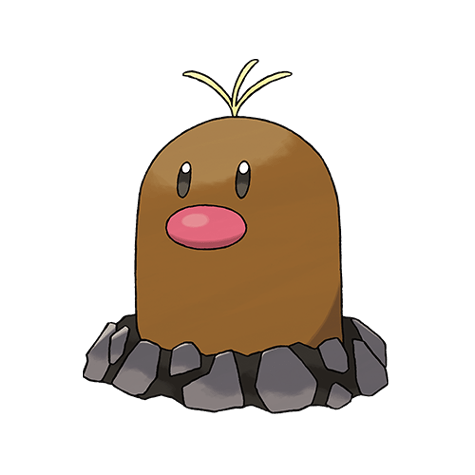
Wailord can breed with a Diglett. That's all.
4 - Wobbufet
Wobbuffet make it clear that what appears to be the Pokémon's body is actually a trick. Its real body would be the small black tail with two eyes. Some of Wobbuffet's Pokédex entries read: “To keep its dark tail hidden, it lives quietly in the darkness. It never attacks first”; “Normally docile, a Wobbuffet strikes back fiercely if its black tail is attacked. It makes its den in caves where it waits for nightfall”; “It desperately tries to keep its black tail hidden. It is said that this proves the tail conceals a secret.”
OTHER
3 - Pokémon Shouting Their Own Names
It makes no sense for Pokémon to shout their own names in human language. Instead, it is thought that human language in the Pokémon universe evolved from Pokémon battle cries. The theory says that humans living alongside Pokémon such as Charmander heard the creature make a call that sounded like “charmander” and applied those sounds to the Pokémon's physical traits. Thus, through its evolutions, the word “char” came to represent something blackened by fire, while “-izard,” for example, became a suffix describing a lizard.
And speaking of the "past," let us recall the theory that Pokémon takes place after a war that decimated part of the Japanese population. In Pokémon XY, a woman says "This palace was built after Kalos won a war with neighboring regions", meaning that before an almost prehistoric war they mention, very roughly speaking, Kalos was at war... With Kanto and other regions? Hmm.
2 - Psychic Pokémon vs. Bug vs. Ghost
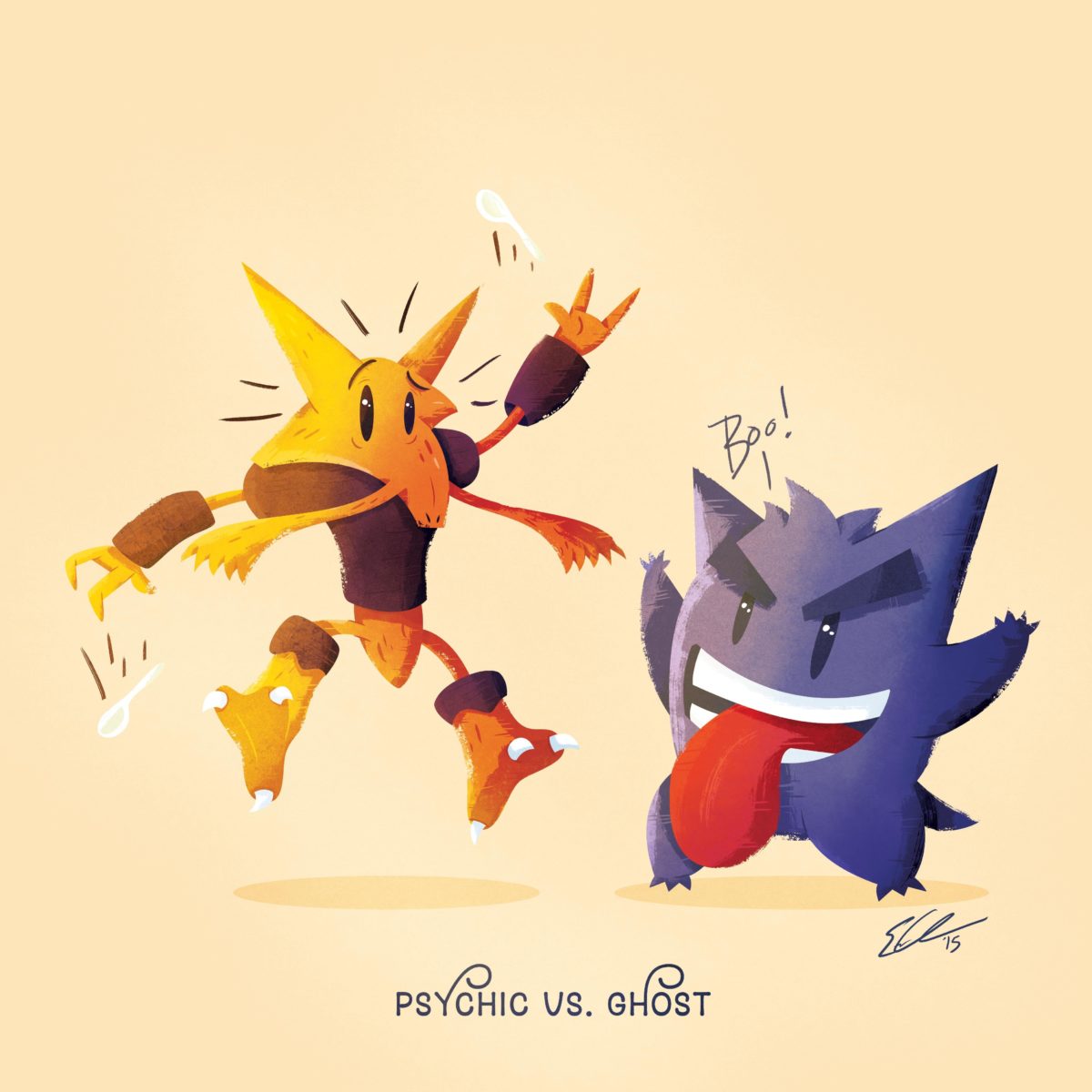 Artist: u/amerikas on Reddit
Psychic-type Pokémon are believed to be weak against Bug, Ghost, and Dark types because those are common fears.
1 - Evolving Through Fear of Abandonment
Some Pokémon undergo major evolutions after being traded. It is believed that these evolutions may be caused by fear of abandonment, with the Pokémon trying to improve rapidly so their trainers will love them again.