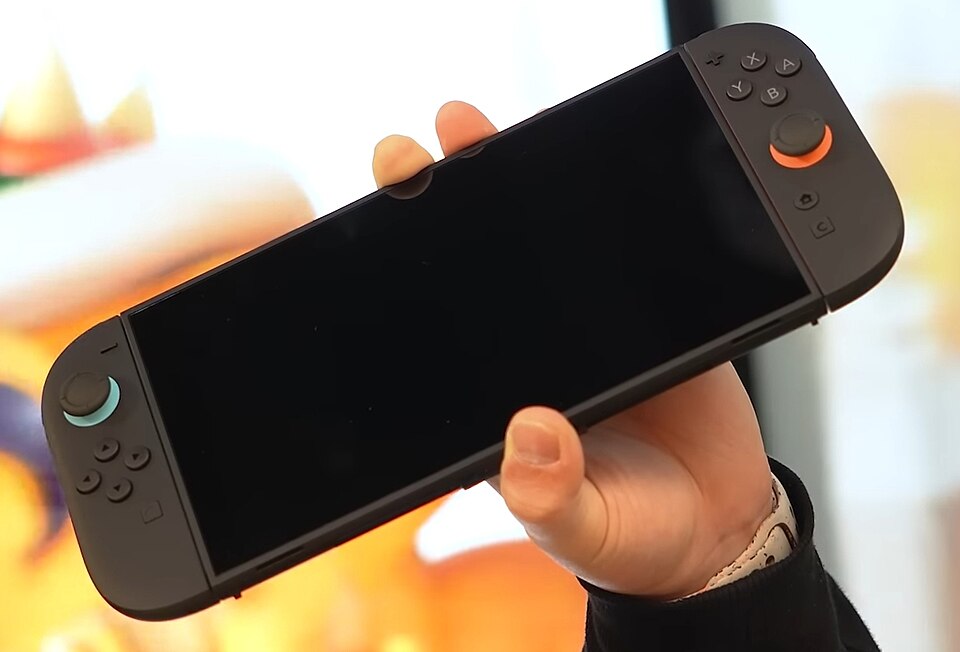
Nintendo is at the center of a controversy in Brazil after updating the terms of use for the Nintendo Switch 2. The new clause in the end user license agreement (EULA), valid since May, allows the company to permanently block consoles that use unauthorized software or accessories. The measure, which is already being enforced, led Procon-SP to officially notify the company over possible abuses of Brazilian consumers' rights.
In practice, the clause gives Nintendo the right to make the Switch 2 unusable for internet access, the eShop, updates, and online modes, even if the console still works offline. In addition, consumers report that their devices were banned after using cartridges such as MIG Switch, even without direct involvement in piracy. The case has raised concerns among users, especially those who buy or sell used devices, since there is no simple way to check whether a console was previously banned.
Procon-SP notifies Nintendo and demands contract changes
Procon-SP's response came at the end of June, when the agency notified Nintendo that it must remove from the EULA the clause allowing the so-called console "brick." According to Procon, the practice violates the Consumer Protection Code by restricting use of a legally purchased product, even in cases where misuse is suspected. The agency also pointed out that Nintendo has no official legal representation in Brazil, making it difficult for consumers to seek compensation for damages. The company has 20 days to present its defense.
Brazilian authorities' concern goes beyond a simple block. Procon considers the clause abusive because it deprives users of access to paid services, such as the online store and multiplayer modes, even though they can still use the console offline. This puts the second-hand market at risk, where banned devices are being sold without warning, harming people who purchase the console in good faith.
Blocks, criticism, and a legal impasse: what is at stake for Nintendo
Several Nintendo Switch 2 users have reported that their consoles were blocked, identified by error 2124-4508, which prevents access to any online functionality, such as the eShop, updates, and multiplayer modes. Many of these cases involve alternative cartridges such as MIG Switch, which allow users to run backups or unauthorized games. Although Nintendo says the measure protects its intellectual property, affected consumers argue that the punishment is excessive, since the console—even when legally purchased—has its functions drastically reduced.
In Brazil, clauses that restrict the use of products already purchased can be challenged, and the case has become a dispute between consumer rights and the company's control over the device. Procon-SP notified Nintendo to change these clauses, and the company has until the end of July to respond. If it does not change its policy, it could face sanctions and lawsuits, creating an important precedent for how far manufacturers' power over products they sell extends.