For the third time, we have a "new" generation of gaming phones.
Companies such as Asus, Xiaomi, and even Razer have started releasing new phones, which are now on their second versions.
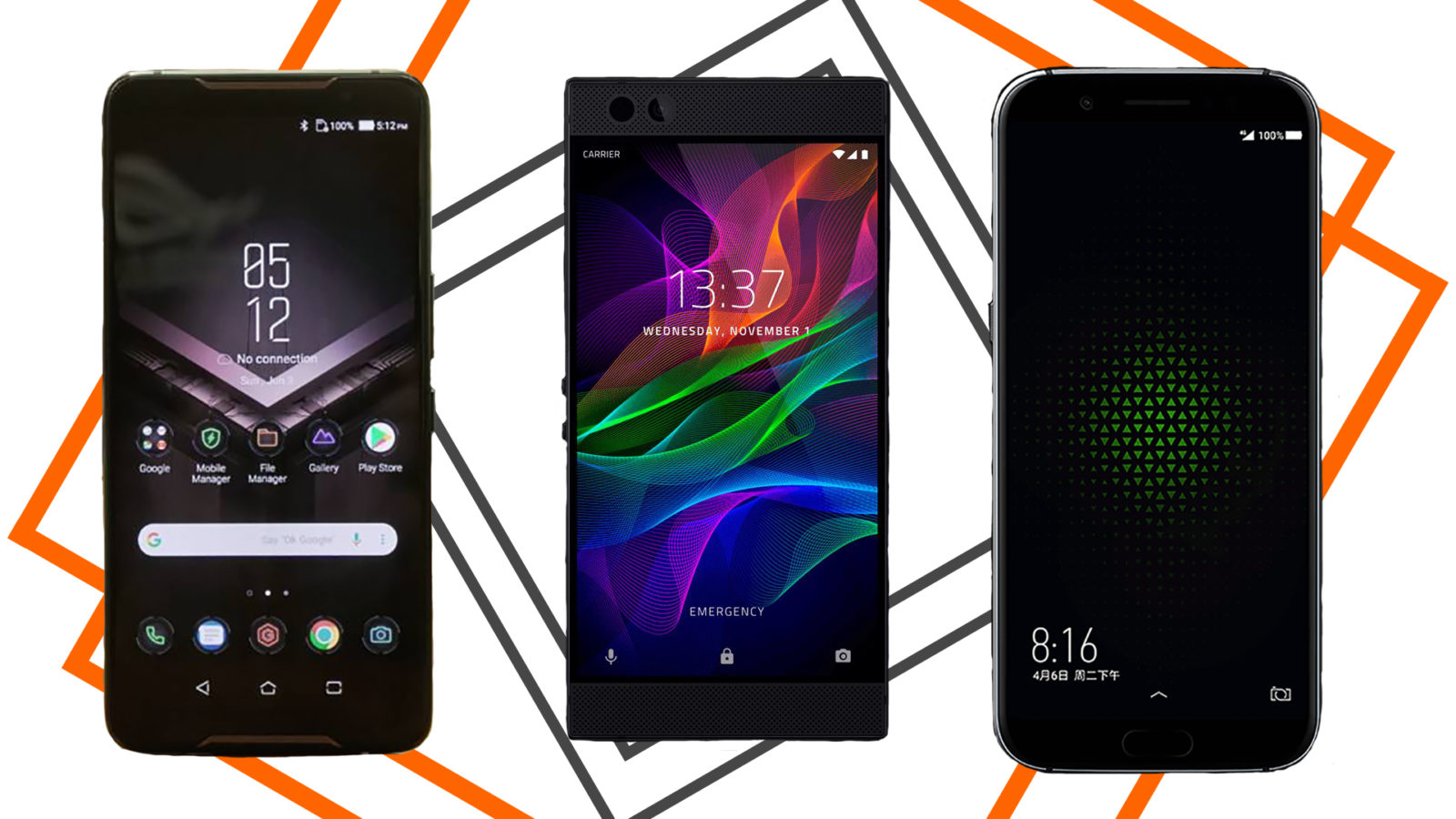 ROG Phone, Razer Phone, and Asus Black Shark revive the gaming-phone war
But will this work?
We must remember that there have already been several attempts to launch phones that blend in the idea of being a handheld gaming device. It is a great idea, but it did not work very well in nearly every attempt. Yes, I said "nearly every."
That is because although many models existed, the vast majority never became famous. One example is LG's SV 360.
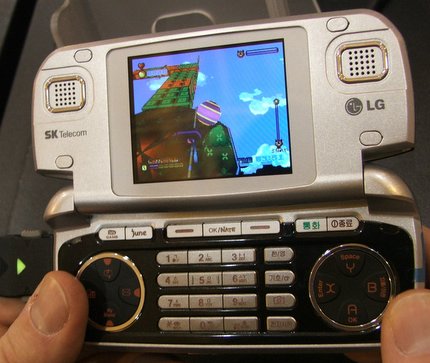 I am sure this is the first time you have seen this phone.
The truth is that most of these phones were actually well received, but the initial problems some of them contained show that these devices did not become memorable for their qualities and games, but for their greatest flaws. To see whether the "new generation" of gaming phones can succeed this time, it helps to understand what happened in the past and brought us to the present.
The best-known old gaming phone among players today is the Nokia N-Gage.
I will be honest: I was a kid who really wanted one of these phones, and if I happened to find one for sale at some random thrift store, I would probably buy it. Seriously. I say this because it was the direct competitor to Nintendo's Game Boy Advance. To give you an idea, many games appeared on both platforms and, more often than not, could even be better on Nokia N-Gage than on Game Boy Advance itself.
Some examples are Crash Nitro Kart, Tomb Raider, and my favorite, Sonic N.
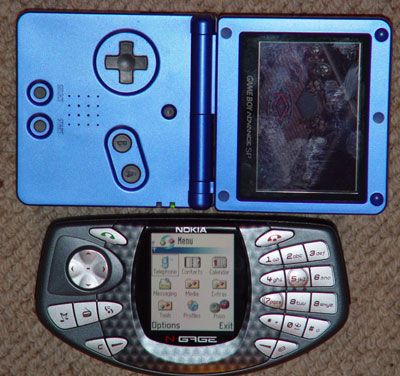 Nokia N-Gage alongside its rival, Game Boy Advance
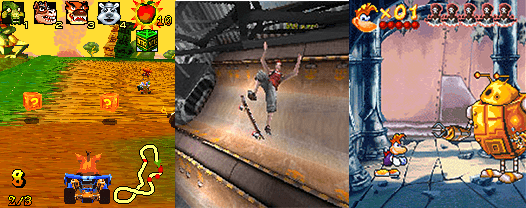 Crash Nitro Kart, Tony Hawk, and Rayman dazzled players at the time with their incredible 3D graphics and beautiful sprites
It also stood out as one of the first systems to support wireless multiplayer, something that only became standard in 2006 with PSP and Nintendo DS.
Thus, in the same way that the phone appeared to be a genuine milestone, it was also a major fiasco. Its usability was truly terrible: to answer the phone, you had to hold it sideways, while changing games practically required opening the phone and removing the battery before swapping the game—and yes, all of that in precisely that order. These usability problems, combined with the high price of R$1,700 or US$300—which would exceed US$700 in today's adjusted value—and a decline in game releases showed that it was not so good after all, and were among the reasons it was eventually discontinued.
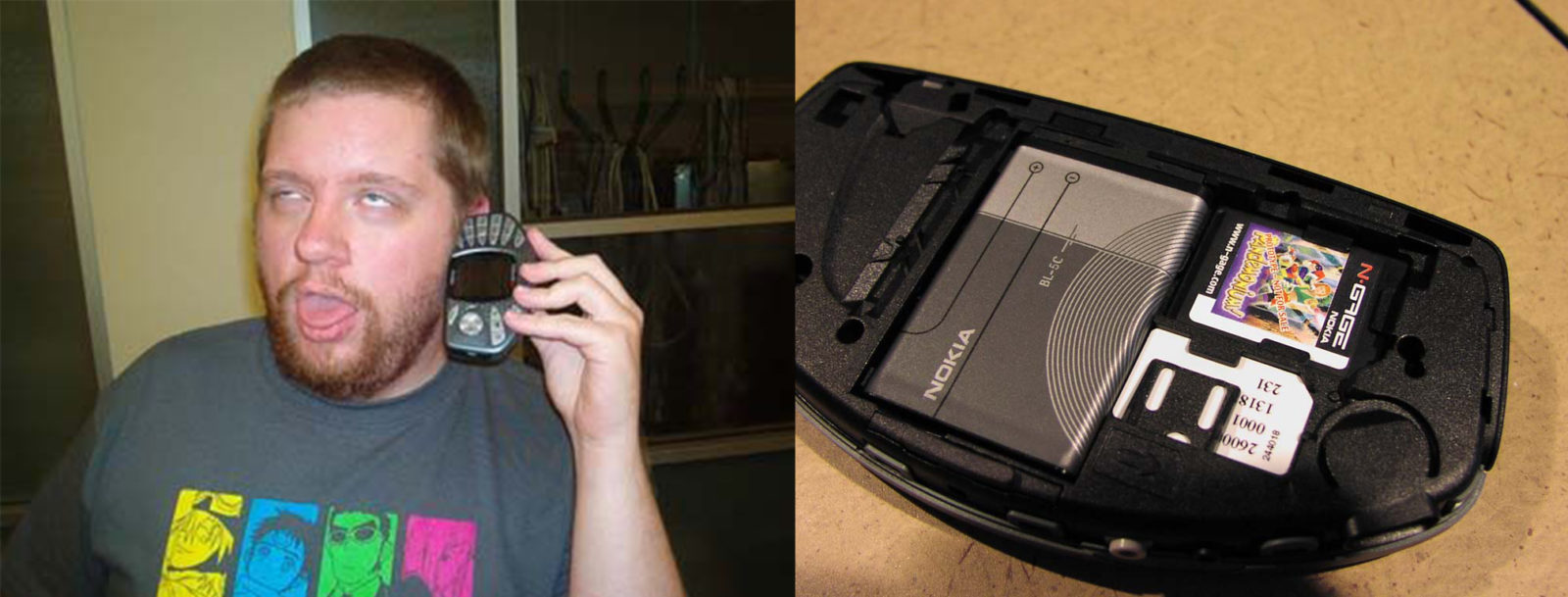 N-Gage and its peculiar way of answering calls, along with its "beautiful" cartridge slot
Practically no other truly relevant phone existed. The truth is that there were attempts, but nothing that genuinely attracted attention. Nokia itself created a portal called N-Gage 2, which brought good, more elaborate Java games to its Symbian phones.
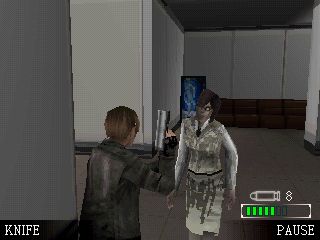 Believe it: a game based on the movie Resident Evil: Degeneration, following the same gameplay as Resident Evil 4, was released for this system
What we can call the second major gaming-phone "milestone" was the launch of Xperia Play.
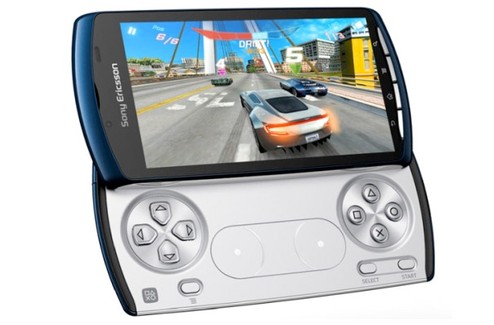 Initially called the PlayStation Phone, but it was not all it was cracked up to be
As every phone at the time used the innovative Android 2.3 and mobile games looked quite promising, Sony itself considered reviving this growing market niche. Back in 2011, it essentially took one of its midrange devices and added a slide-out controller and two PlayStation-style shoulder buttons.
It was something of a success: Sony itself offered emulated PS1 games on the phone, with one or two free games included in the device's package. At its launch in Brazil, it cost R$1,700, which was very expensive at the time. Today it would cost approximately R$5,000 in adjusted value.
Did it work? Apparently so. Many Android games were compatible with its controller, but Google's system did not have a standard in its code for game controllers at the time, so many games worked with third-party controllers but not with Sony's Xperia Play controls. There was another serious problem: this phone was not Sony's most powerful model. Consequently, within about a year it had fallen too far behind to keep up with new games.
It is a "cult" phone, and some people ask for a new version, but that never happened. A few leaked images even appeared, but nothing became reality or progressed beyond mere rumor.
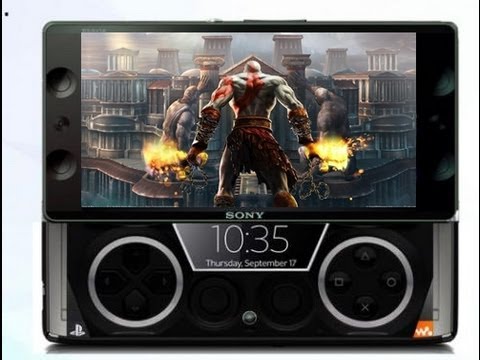 The Xperia Play 2 that never existed
So what is happening now?
Well, I can say that there is indeed a large market niche that has only grown alongside mobile games. We see Google and Apple themselves investing in systems that provide better gaming on their devices, while major companies in the market such as Konami readily declare that the future lies in mobile games. Riding this wave, companies are looking to make phones powerful enough to run the big games now being released.
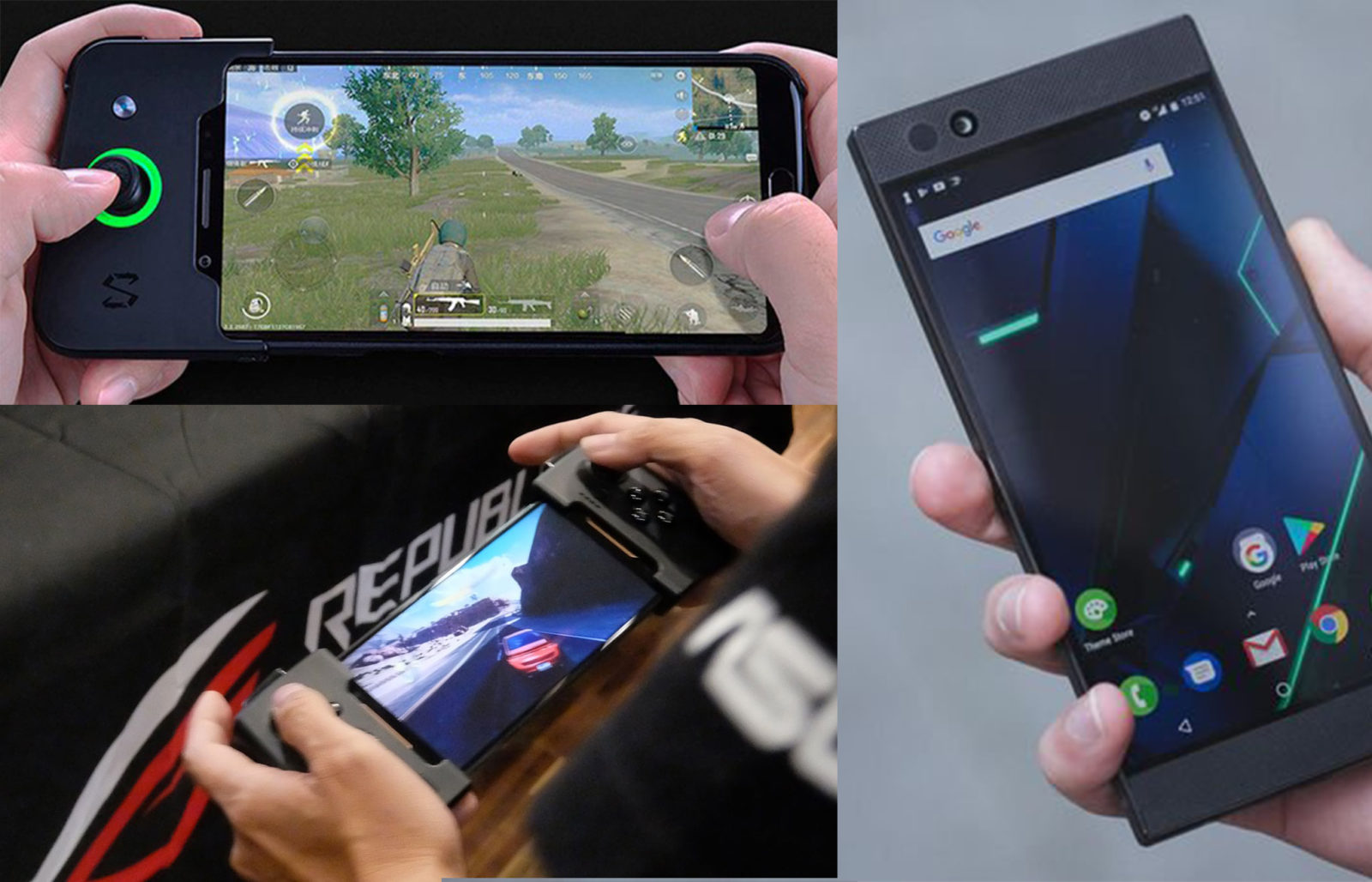 Xiaomi Black Shark above; Asus ROG Phone below; Razer Phone 2 on the right
This trio of phones is currently the market's big bet. To give you an idea, all of these phones now on the market were announced as surprises, something that recently shocked the public, but let us take a closer look at these three devices and brands.
- Razer Phone
By far, this one relies solely on the Razer brand, because if you remove the fact that it is a Razer phone, it becomes as ordinary as a Chinese phone sold by Gearbest. I say that because its "greatest differentiator" is merely a screen with a 120 Hz refresh rate that reportedly makes almost no difference in games, while the phone has many usability problems that Razer tries to update and fix through system updates. Nothing is catastrophic, but it really has nothing else special about it. I believe Razer invested in this market simply to make some money, since as we know, Razer users like to spend.
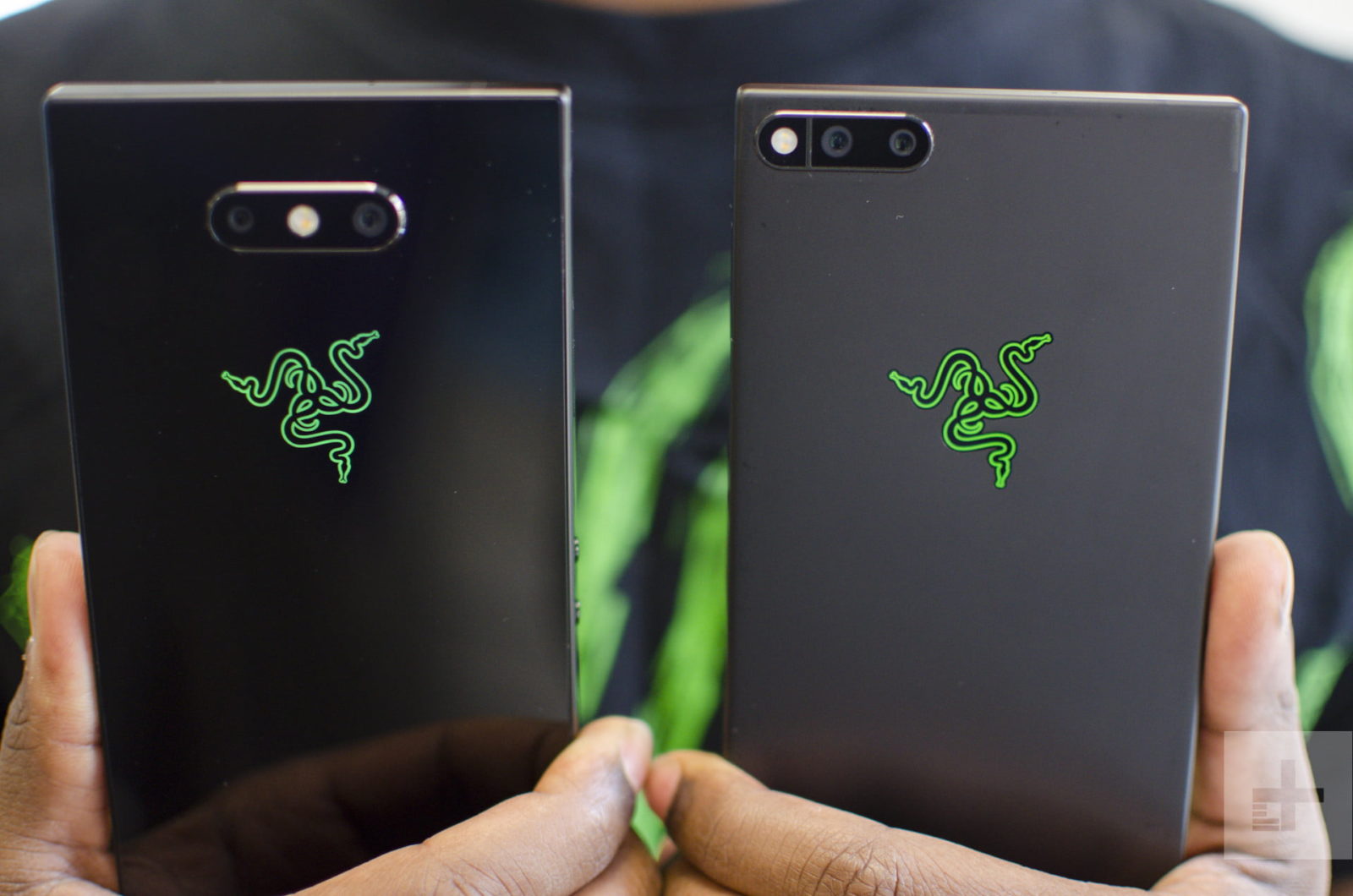 Tip: if you date someone who uses products from this brand, know that you can ask for an iPhone or another expensive gift. #justsaying
- Xiaomi Black Shark
This device arrived somewhat unexpectedly, but the company's history suggests we could have anticipated it. It literally launches everything, from phones and computers to glasses, backpacks, and toothbrushes. This device, however, offers by far the best value and has a better-optimized system than its rival in this article. It is also the only one whose display actually delivers its promised 90 Hz frame rate. That is because its processor is genuinely better optimized, it even has a cooling system, and it was the first to ship with an analog controller that can easily be attached to the phone.
This genuinely stands out because the reality of mobile games today is a lack of standardization in action buttons. The truth is that an off-screen analog stick combined with touch-based action buttons still works well. It is a good hybrid of systems that actually function in a way that makes the investment worthwhile, while remembering that it is the least expensive of the three.
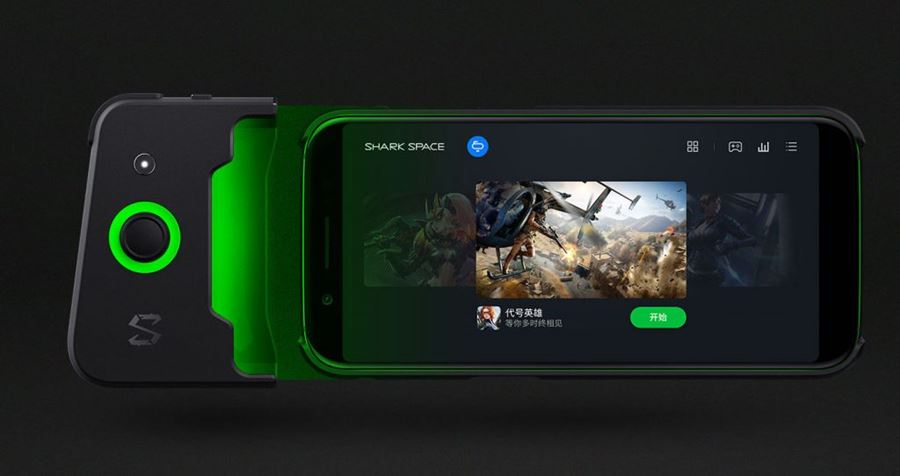 Xiaomi Black Shark and its removable analog stick and triggers
- The "ASUStonishingly" expensive ROG Phone
Asus phones attract attention, mainly because we are talking about a major PC-parts manufacturer that many people know, but its launch is the ROG Phone, part of its new gaming-phone line. The issue is that it comes at a well-above-average price, and we are talking about a phone whose main differentiator lies in several accessories that cost almost as much as the device, initially priced at US$1,000. It is rather expensive but genuinely promising: in addition to Asus quality, it supports accessories that can even turn it into a gaming PC—or rather, a mobile gaming PC. At this price, however, it is difficult to believe the phone has a promising future, because the Android audience does not include many people willing to spend so much on a phone for gaming.
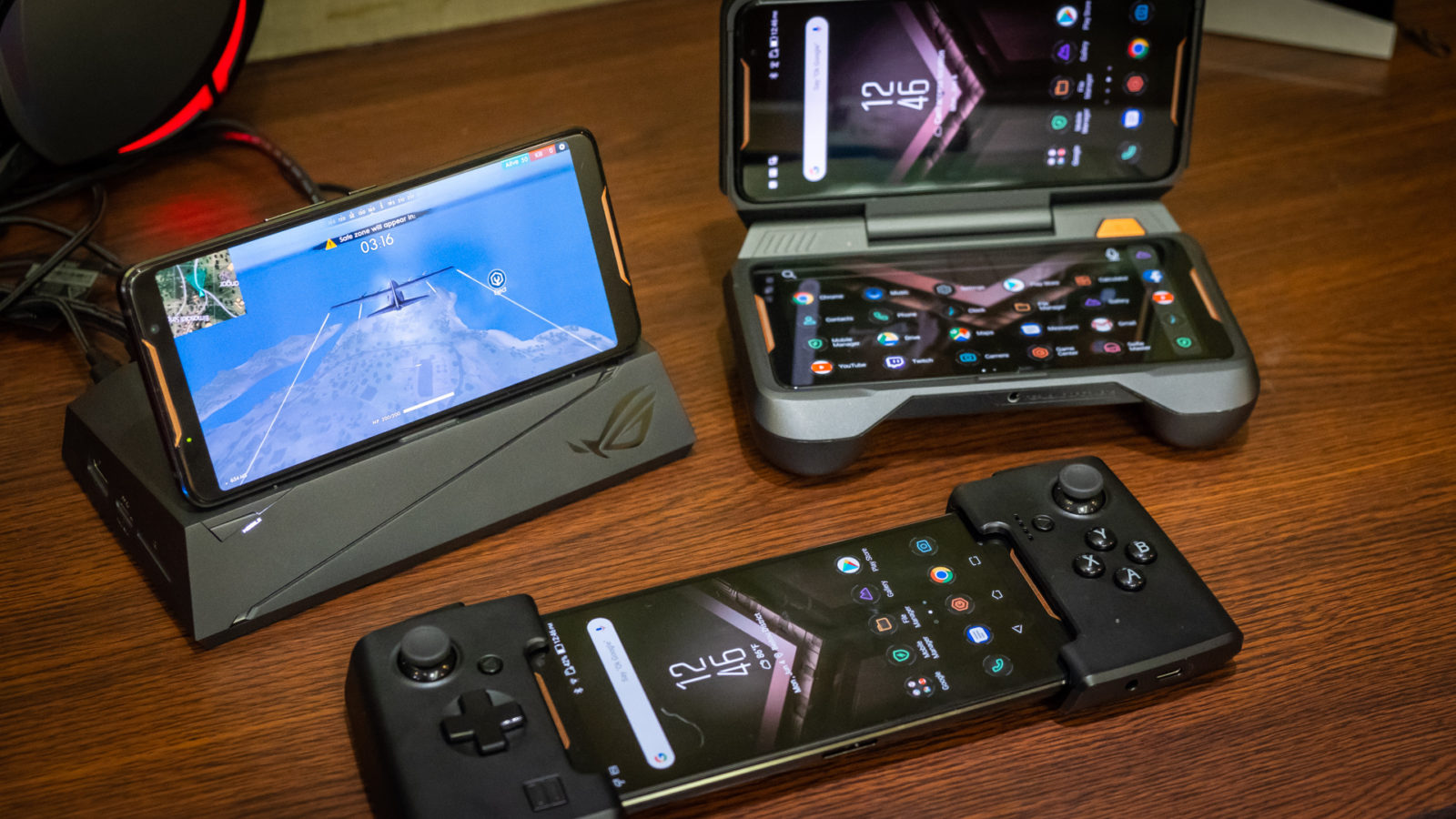 ROG Phone and its promising accessories, ranging from a dock that turns it into a mini PC to a second screen for streaming
And now?
If you are genuinely interested in playing a lot on a phone, I can say that you will not regret buying one of these new devices. They are, however, considerably more expensive than conventional models on the market. I also recommend this comparison between Xiaomi Black Shark and Razer Phone 2 to clear up a few questions.
It is also helpful to know what kind of game you want to play on a phone, since the mobile market has many retro-style games that do not require much processing power, and even an old model may be able to run them. If you want to experiment with emulation, however, it will depend on the phone, as devices can emulate anything from Game Boy through PSP/PS2 and even GameCube and Wii.
It is all a matter of taste because, depending on what you want to play or even how you want to use it day to day, these phones appear to last quite a while. In terms of general use, battery, and performance, I recommend Black Shark, which offers the best value of the three, but both run anything you may want to play.