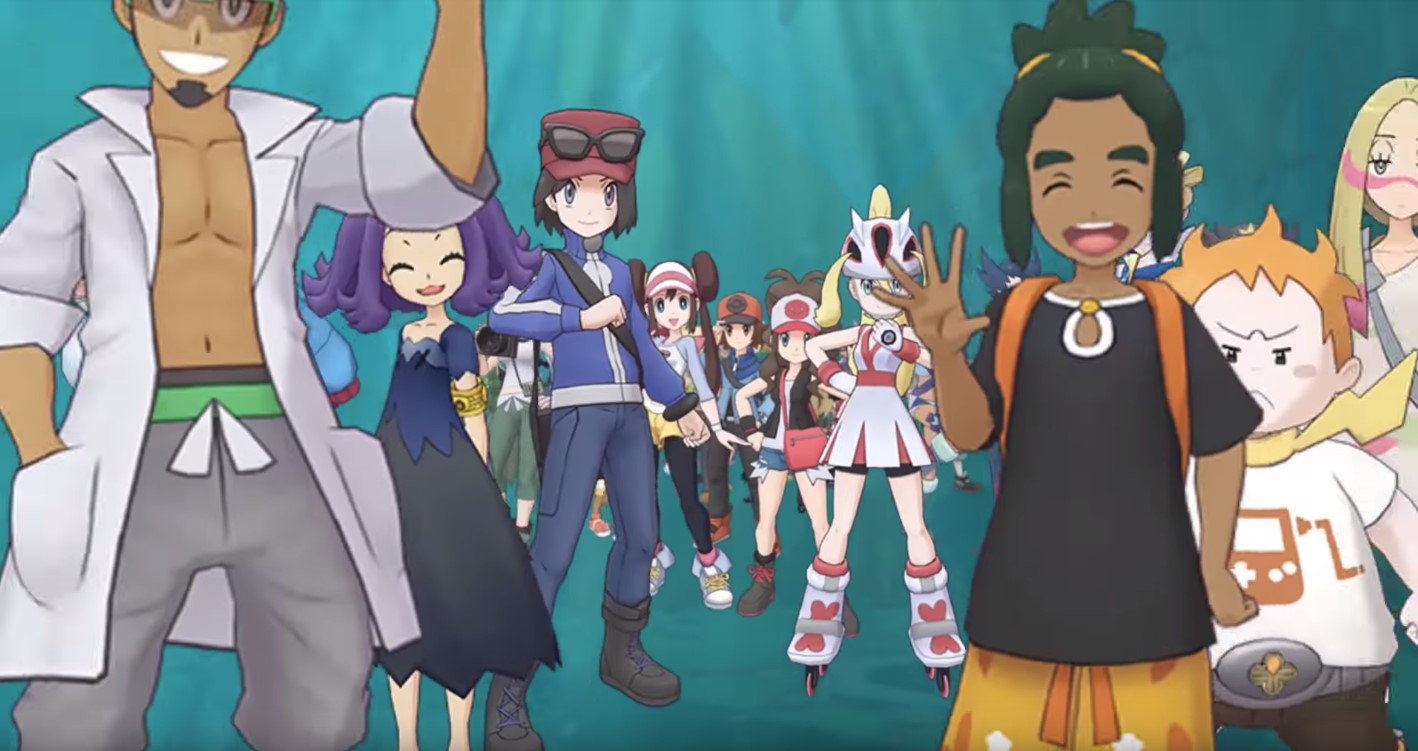
More details about Pokémon Masters have been revealed. They came through a presentation that aired on Thursday morning (27).
The beautiful animation that opens the video makes the game's purpose very clear: to bring together all the principal trainers from the main Pokémon RPGs. Apparently, that truly means everyone, because even Kris, the female trainer from Pokémon Crystal who was "discarded" in Pokémon HeartGold & SoulSilver, will appear in the title.
 ...Everyone's here?
In the game, each trainer encountered will have a single Pokémon used by that character in their original games. The trainer-and-Pokémon combination is called a Sync Pair. For example, Brock from Pokémon Red/Blue will have an Onix, while Rosa, the protagonist of Pokémon Black 2 & White 2, will have a Snivy. Battles will take place in real time between teams of three, with moves that recharge after a certain amount of time.
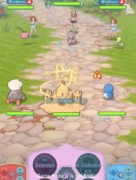 Battle interface
Other game mechanics include Sync Moves, powerful attacks that appear to be heavily inspired by the Z-Moves from Pokémon Sun & Moon, and Mega Evolutions, introduced inPokémon X & Y. These inclusions should bring some relief to fans, since both mechanicsare absent from the upcoming main Pokémon games. But the Pokémon will not be the only ones battling, as trainers can use special moves with various effects, such as changing the little monsters' stats or restoring their HP.
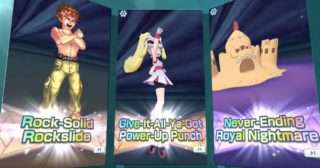 Sync Moves being activated
The game takes place on the artificial island of Pasio, where the player must recruit Sync Pairs to battle other trainers, aiming to collect badges and eventually win the Pokémon Masters League.
 Possible team for the game's story mode
Pokémon Masters explores a concept that has never been used to this extent in the franchise: players' affection not only for the little monsters, but also for the characters encountered on their journeys, who are also full of personality and helped bring the regions and their stories to life.
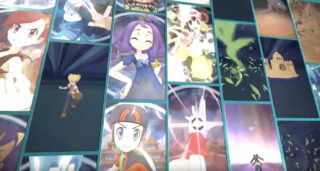 Celebrating another side of the franchise
The game will be released for Android and iOS during the Northern Hemisphere summer, which means our winter. In short: by September.