
Talking about Sonic Generations is not difficult for anyone who has embraced both the mascot's modern and classic eras. If you are one of those people, this can easily be one of the series' best releases. Let us pretend Sonic is a rock star: in his glory days, he released albums that moved young people by presenting a rebellious idol with attitude and work of unmatched sonic quality. In Sonic Adventure, some things changed to adapt to what new consumers and longtime fans wanted at that moment. The change was well received, but it did not hold for long, as "transformations" kept happening constantly in an attempt to find a "new place" for the character, dividing many people's opinions.
Then came that special moment celebrating 20 years of his career, and what did the producers bring? What "any" star or band does upon turning 20: "Let's release a 'Best Of.'" In other words, they made a commemorative collection featuring only the finest moments from such a long career. Put another way, that is Sonic Generations. In gaming terms, it is some of the best moments you have seen, heard about, or played during those years, and everything can be experienced again in remastered form.
Effort in "Almost" Every Direction
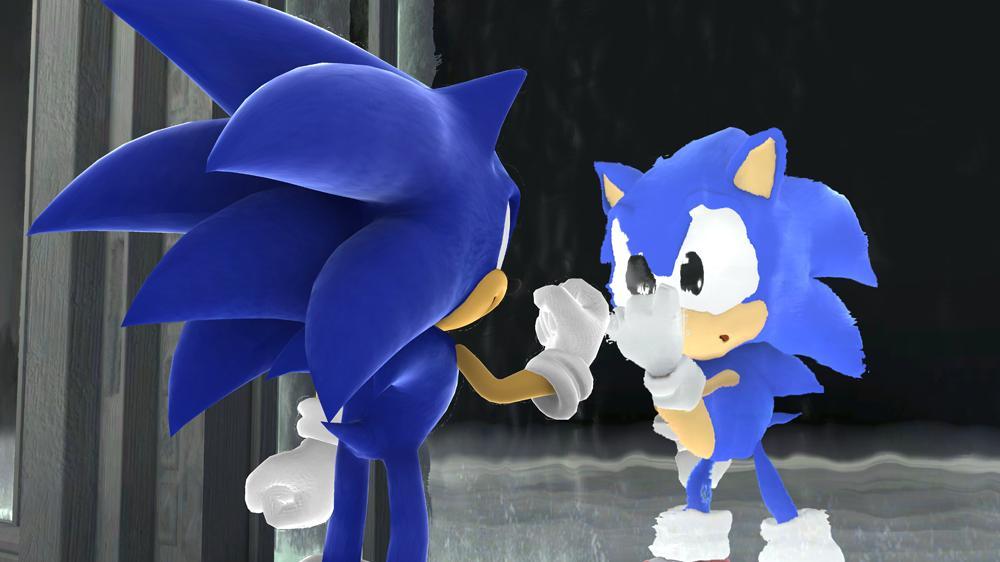
Sonic Team unexpectedly showed genuine effort to ensure that much of the game would be accepted by fans down to the smallest detail, trying not to contradict what they expected from Generations. Perhaps the biggest surprise in this release is that, after years, Classic Sonic is back: a chubbier, silent Sonic so fondly remembered by gamers from SEGA's golden age. Everything is there; it is not merely a younger version of the character. The classic gameplay, a true synonym for quality, remains practically intact. There are changes because of the game's engine, but they are barely noticeable even to someone who spent dozens of hours playing Sonic on the Genesis/Mega Drive.
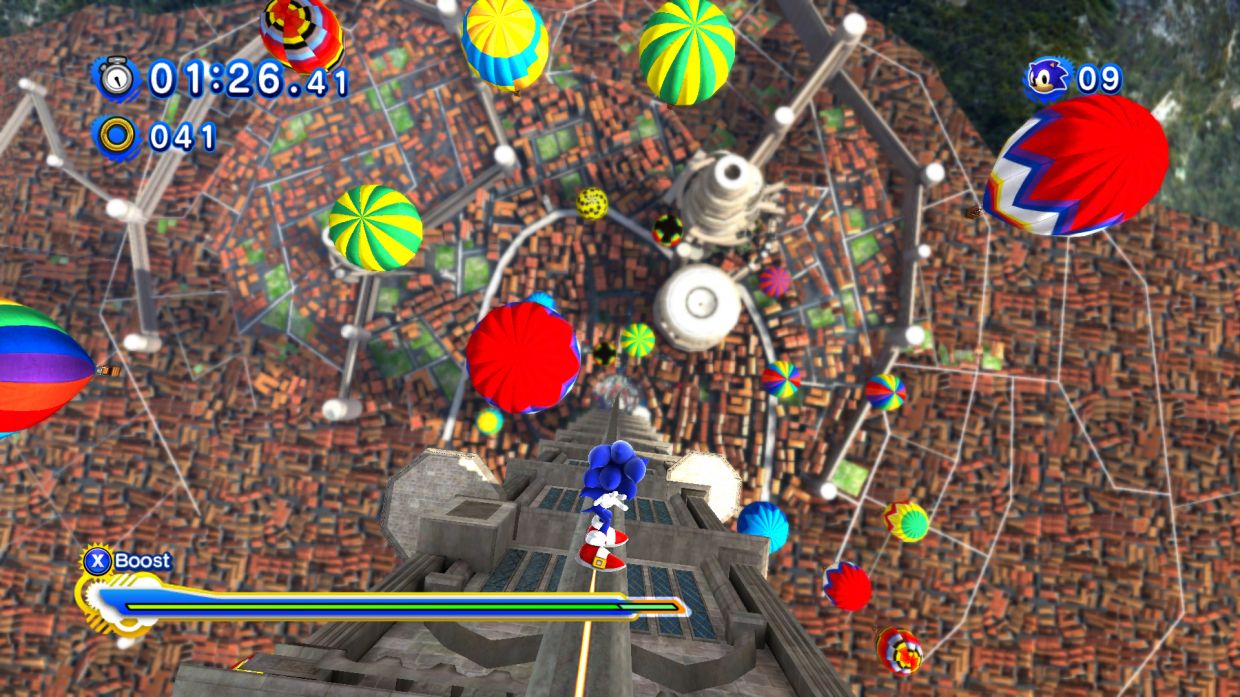
"Freeee faaaall!"
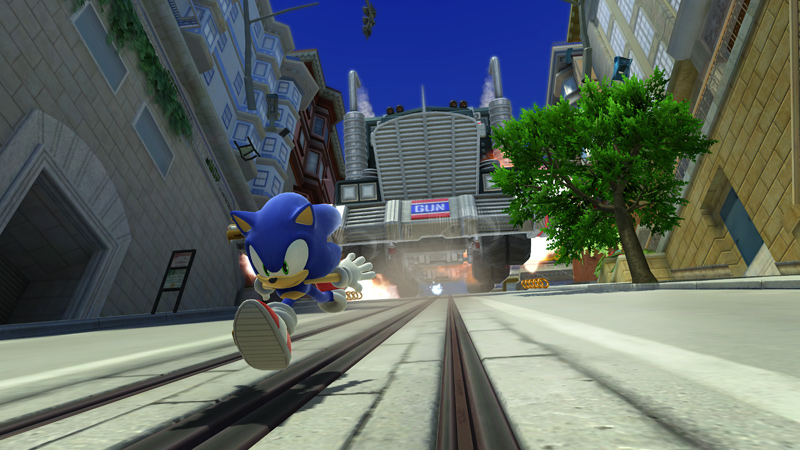
To make a meeting with the Sonic from 20 years earlier make some sense in terms of the story, the game simply uses an element that has been very common in the series since Sonic CD, released after the original Sonic: time travel, or travel between dimensions as well. Time Eater, the story's main villain, is an entity capable of breaking the barriers of space and time, which ends up scrambling the entire "timeline."
While celebrating his birthday with some of his most important friends (I missed Big the Cat; where is he?), Sonic has his party invaded by the main villain, who kidnaps almost every character present and leads Sonic to pursue him. Sonic enters a dimensional portal that takes him to Green Hill Zone, and from that point onward, after meeting his past self, the two must join forces to race against time, collect the Chaos Emeralds, and save their friends.
We are not talking about a complex plot, which may leave fans of the Adventure series missing "something more," but everything must be said to have been included in the right measure for a commemorative game.
Short Only in Its Story
All the stages are themes that appeared in earlier games in the franchise, but they have all been reinvented with new secret paths, strategies, elements, and more.
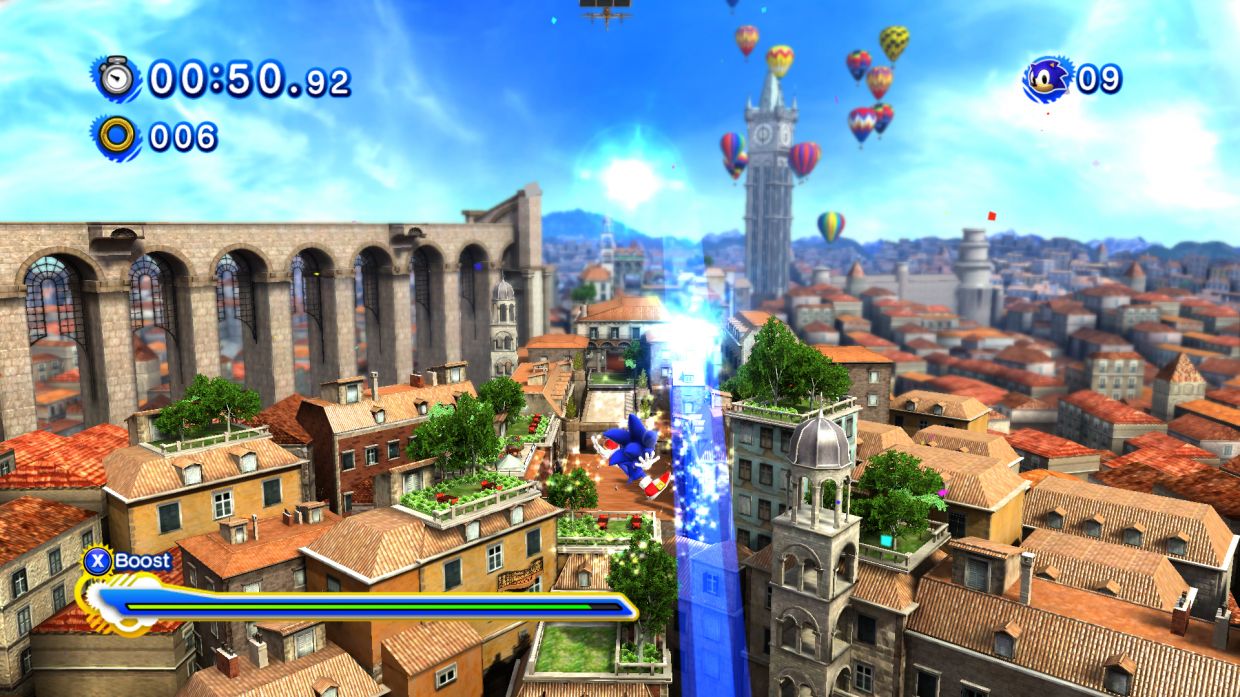
You always need to complete the stages in their classic and modern versions. The basic rules for both are the same, but in the modern version we can play both as a side-scrolling platformer and in three dimensions depending on the section. The level design is highly reminiscent of Sonic 1, 2, or 3: the higher the path, the better. Not to mention that you need to think more calmly to pass certain points instead of running and relying only on reflexes, as in Sonic Unleashed, which gave the impression that all you needed was the boost.
Generations' stages could have been a little more difficult, but perhaps the developers had a moderately challenging game for both children and adults in mind. For me, the result was six to seven hours of gameplay even while completing some extras, which can be considered a negative point. Some extras, however, are genuinely difficult.
Although the game is relatively easy for adults, trying to complete it 100% can mean a real headache and extend playtime to an average of up to 40 hours. Yes, there are many extras.
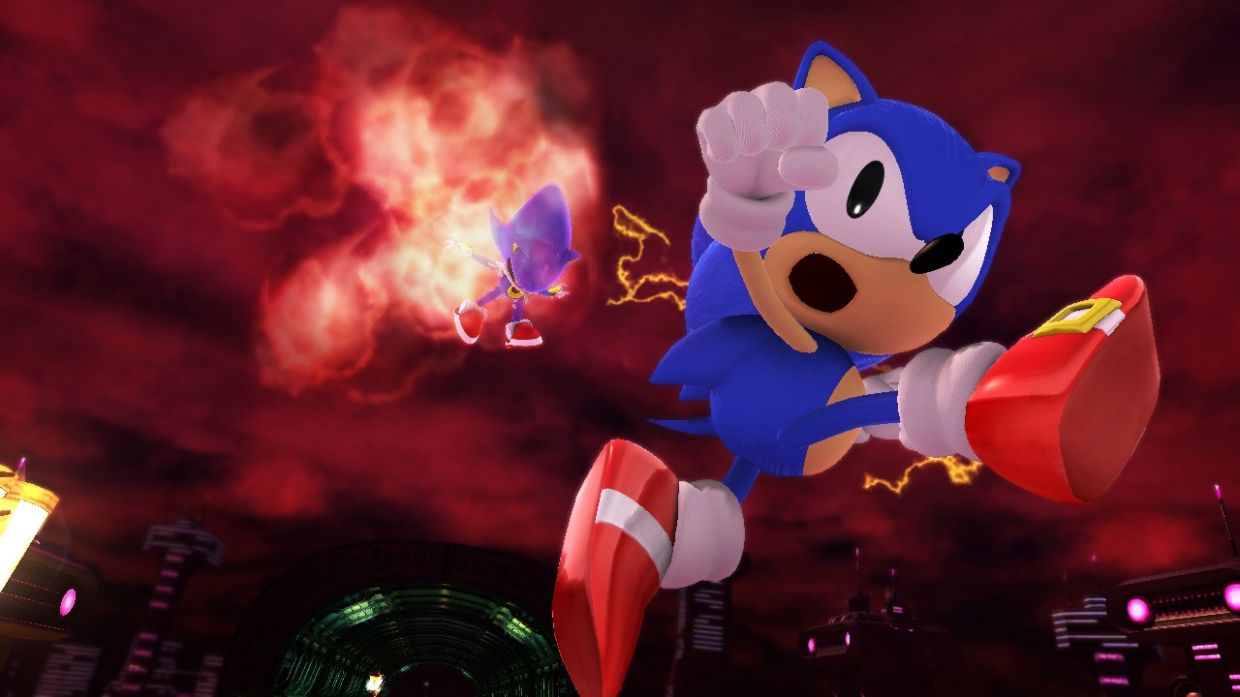
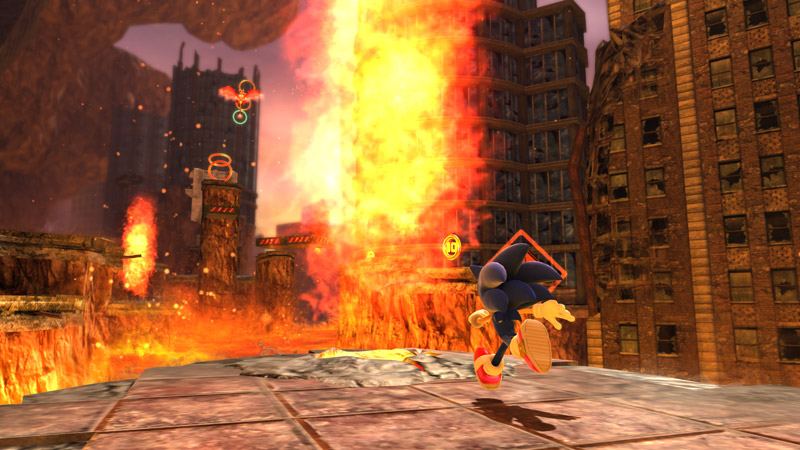
Smashing the "tin can's" mouth.
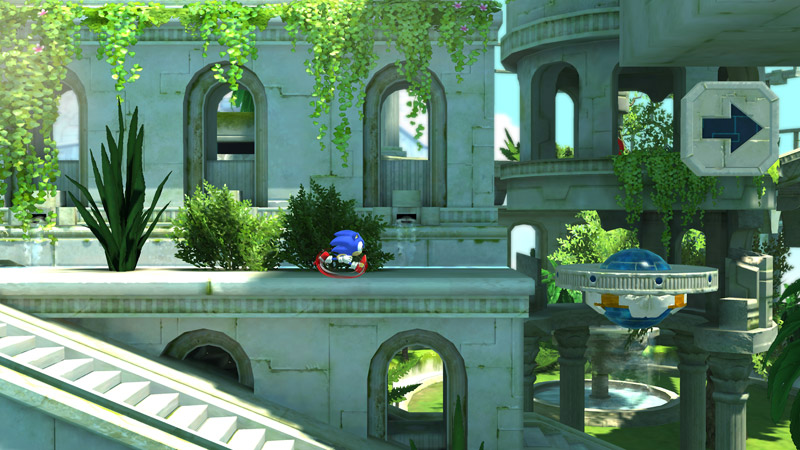
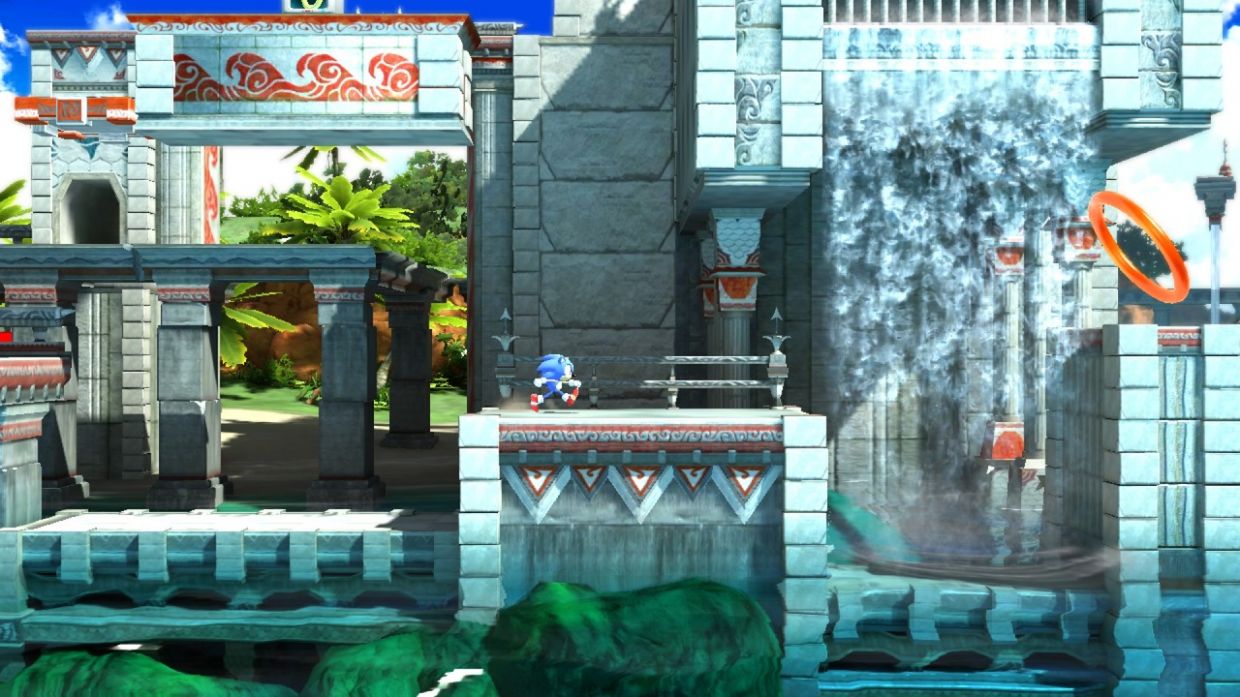
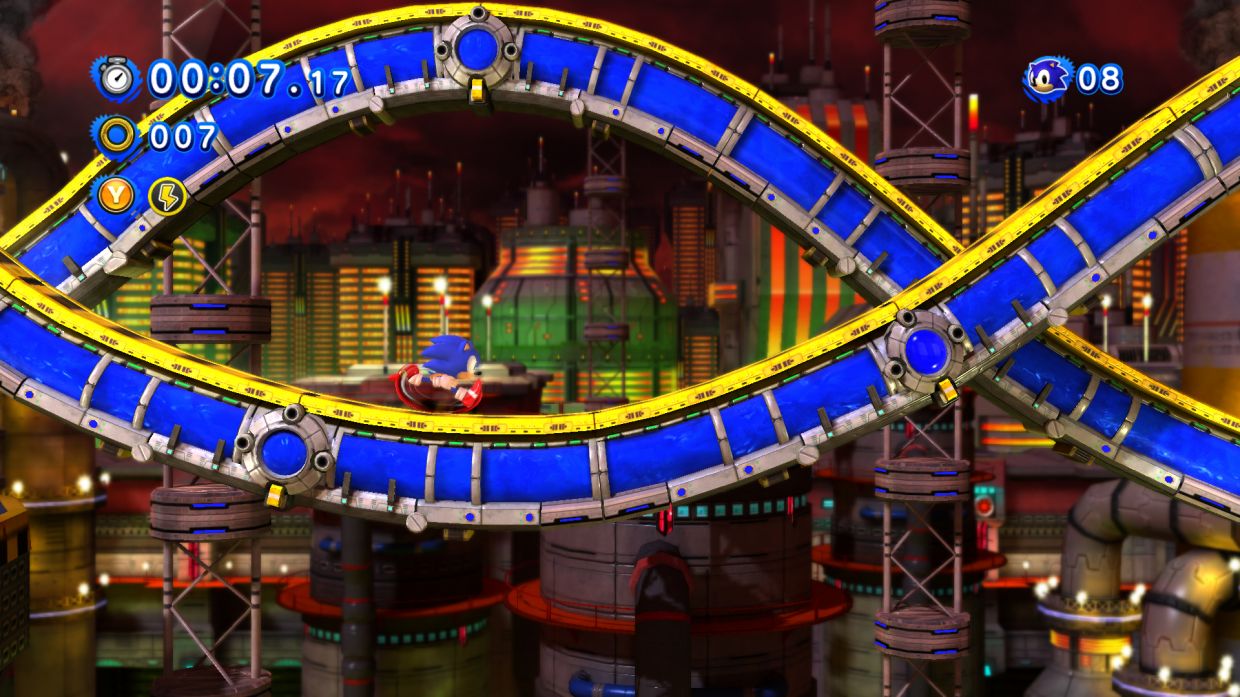
Modern Sonic is much faster than Classic Sonic and has the now-famous "boost" to achieve this. As already mentioned, Modern Sonic's gameplay recalls Unleashed, but improved, as well as the award-winning Sonic Colors, both earlier games. Every main mission can and must be completed with both Classic and Modern Sonic, and some extras may even feature help from Sonic's friends. Going through and revisiting certain stages is very enjoyable, and it is difficult to forget what it was like to step into Classic Sonic's shoes in stages such as Crisis City and Rooftop Run. In fact, this mix of classic and modern gameplay worked extremely well, at least for me.
Meaningful Extras Are Part of Generations' Essence
The franchise's widely praised sound effects and soundtrack are by far the game's most impressive features. Sonic has always been strong in this regard, but in addition to hearing a "classic" and a "modern" version of each zone's music, there are 50 unlockable songs in all, modern or classic, instrumental or sung. The latter include several tracks by Sonic's official band, Crush 40.
No new music was added over the course of the game (apart from the final boss song, which I found weak, incidentally); instead, every track was either rereleased or left intact. Unlockable tracks can be selected for play during stages. More than 130 pieces of artwork, biographies, and other items can also be unlocked, including a secret trophy room. There is a pinball DLC in which Sonic is the ball, and an extra in the console version that lets you play the complete Mega Drive version of Sonic 1.
There is also the list of presents that did not arrive for this 20th birthday, such as the famous bonus stages after completing a level. Here, we automatically obtain an emerald after defeating each boss. This may be the game's greatest omission. Some bosses also lack greater difficulty.
Perhaps this franchise receives so much criticism because none of its games has been a major release on the scale of what SEGA made for its own consoles, creating the impression that something is always missing. Sonic Adventure has a deep story that truly was a direct continuation of the hedgehog's classic plots. The Chao Garden included in the Adventure series was another tremendous success, but it disappeared afterward. And the idea of relentlessly reinventing Sonic's gameplay with every release instead of looking at what already worked does not come across well. Sonic Generations is the result of years of change, but Sonic Team might have taken far less time to reach this point if it had not constantly tried, in one way or another, to reinvent itself or be overly simple with every release.
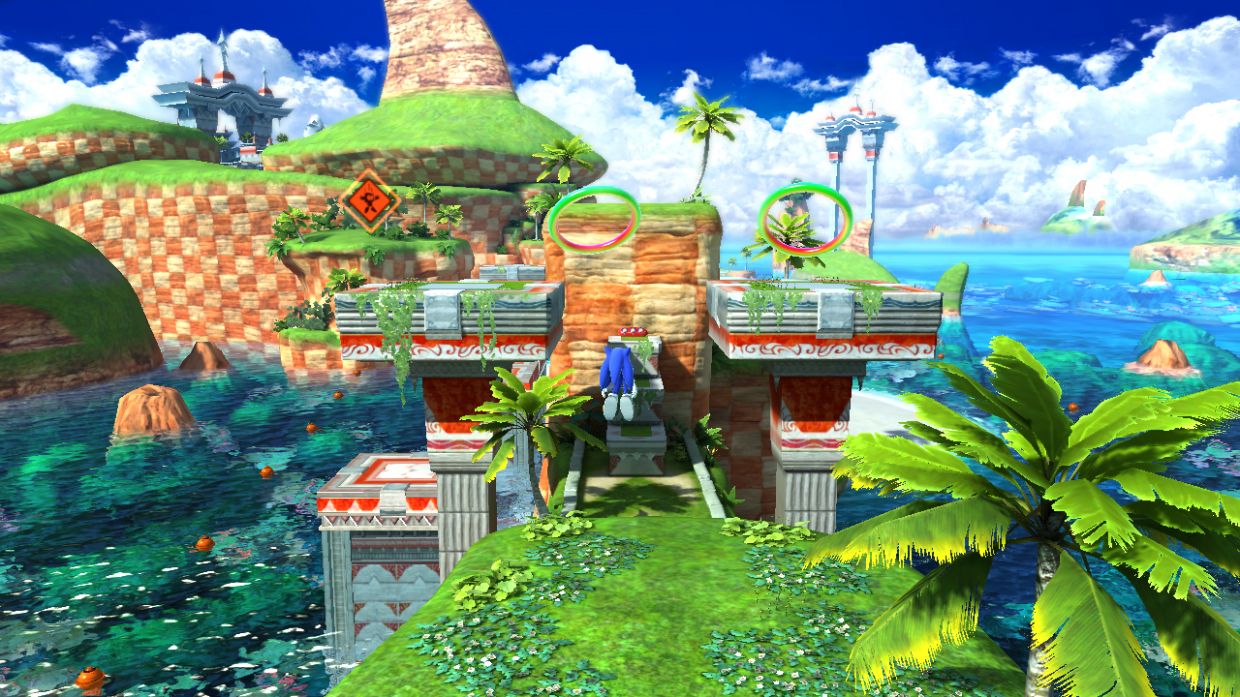
Many paths to travel in every stage.
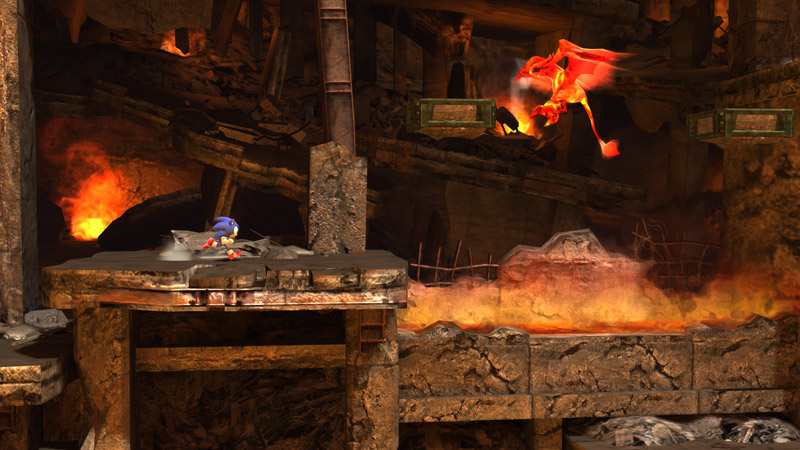
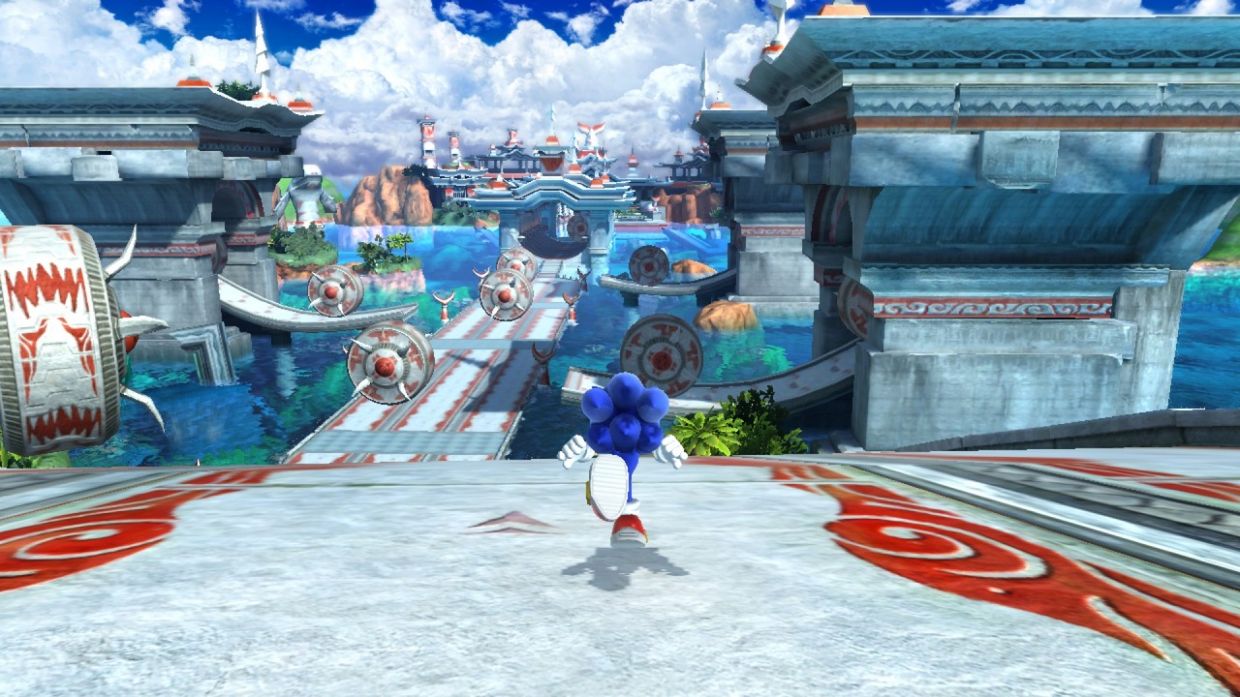
3DS and Finally on PC
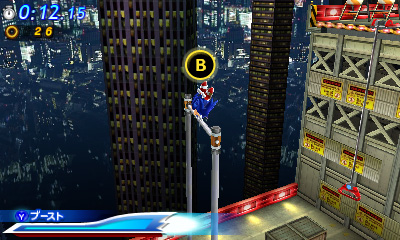
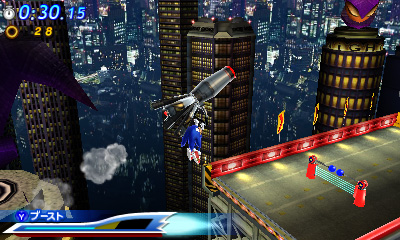
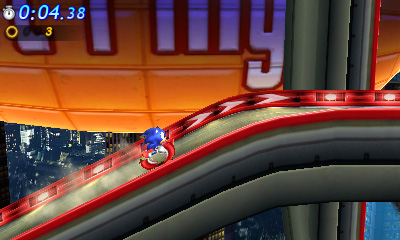
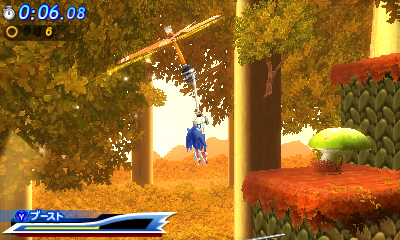
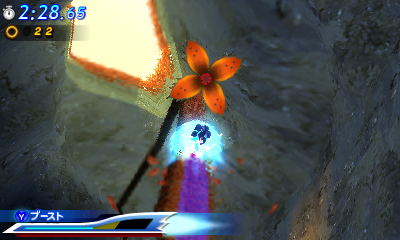
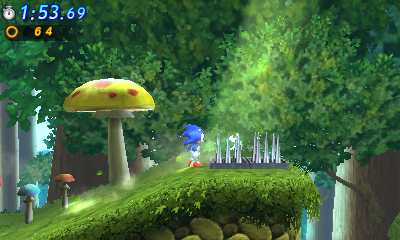
The 3DS version differs from the PS3, Xbox 360, and PC releases. Its engine is closer to the Mega Drive's, so more perfectionist classic-era fans may find the handheld game more appealing in this respect. It also has different bosses and stages, such as Sonic Adventure's first level, the famous one with the whale, and Mushroom Hill Zone. Perhaps the greatest treat of all is the bonus stages for collecting emeralds, which closely resemble those in Sonic Heroes. Multiplayer support is also included. The competitions are simple but fun and always stable online.
There are a few negative points in the 3DS version, as Sonic Generations seems to have less life in this release, with some stages appearing to copy one another and being less creative. Here the chubby Classic Sonic can perform the "homing attack," which should be learned only by Modern Sonic, as it actually is in the original version of Generations. Because of these differences between the 3DS version and the other platforms, it should be remembered that Epic Play's review generally refers to the console and PC version. This section records the main differences on the handheld.
Another new development is that this is the first game in Sonic's main saga in seven years to be released for PC. It was about time... This lets you enjoy excellent mods, new stages, and much more. And remember: Sonic is literally made to be played with a controller, and the Xbox 360 controller is standard for Windows. But if you do not have one available, try to configure the keyboard controls in the way that works best for you, making extensive use of WASD for movement, Q and E, and other nearby buttons for dodging and more.
Tested on the PC version via Steam.