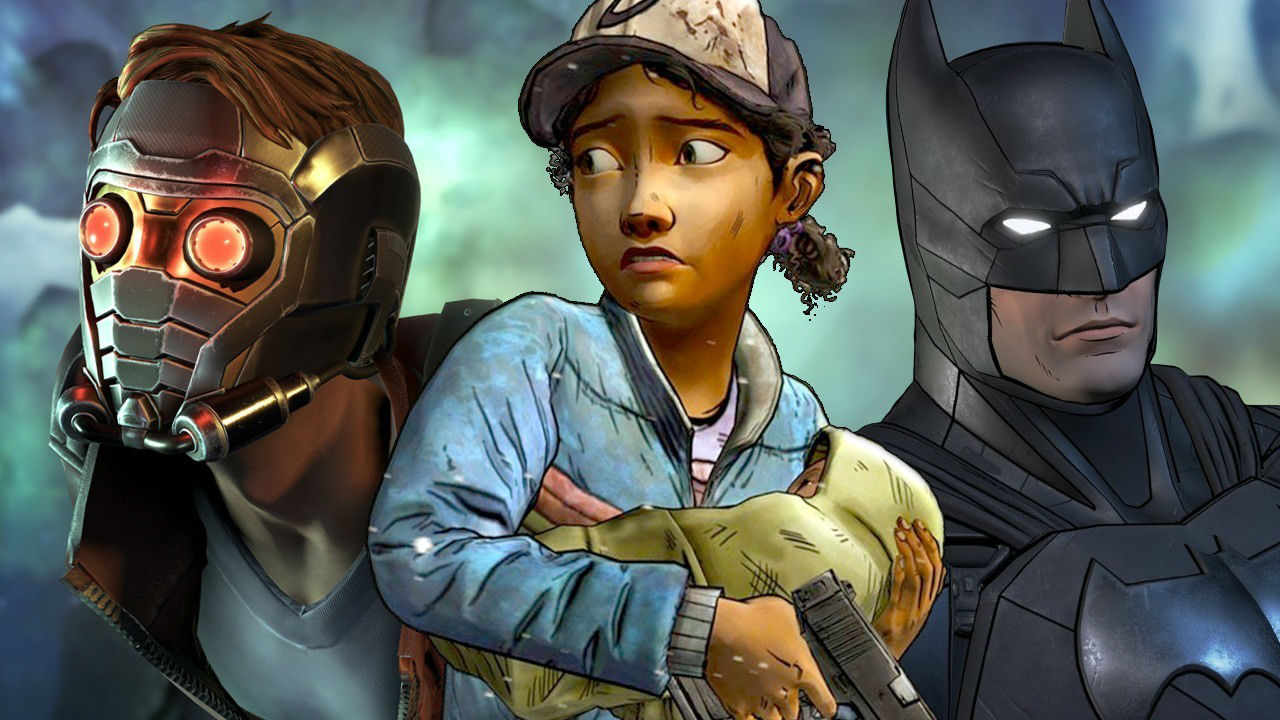
Telltale Games, the studio behind successful games such as Minecraft Story Mode, The Walking Dead and The Wolf Among Us, is "closing its doors." The news came from the company's social media.
https://twitter.com/telltalegames/status/1043252010999410689
"Today, Telltale Games made the difficult decision to begin a majority studio closure following a year marked by insurmountable challenges. Most of the employees were dismissed early this morning, and a small group of 25 remains to fulfill obligations to its board and partners. CEO Pete Hawley gave the following statement:
'It has been an incredibly difficult year for Telltale as we worked to set the company on a new course. Unfortunately, we ran out of time trying to get there. We released our best content this year and received a tremendous amount of positive feedback. Ultimately, however, that did not translate into sales. With heavy hearts, we watch our friends leave today to carry our brand as storytellers throughout the gaming industry.'
Telltale will issue further comments about its product portfolio in the coming weeks."
Promised games such as The Wolf Among Us 2, Game of Thrones 2, and a title based on the Stranger Things series were canceled. The Walking Dead: The Final Season, whose first episode had already been released, faced an uncertain fate, but a few days earlier Telltale itself had asked stores to remove the game from their catalogs, indicating that it would also be canceled.
Following the announcement, major gaming companies showed solidarity with the company's former employees through the hashtag #TelltaleJobs, including Sony Santa Monica, Compulsion Games, and Insomniac. Some studios even said their "doors were open" to the employees, including ZeniMax, Ninja Theory, Guerrilla Games, and Ubisoft San Francisco.
https://twitter.com/UbisoftStudioSF/status/1043258393639571456
"#TelltaleJobs — meet us on Monday, 9/24, at BJ's patio in San Rafael at 4:30 p.m. Let us talk about job opportunities over drinks and food, our treat."
The question that remains is this: if Telltale had several games that were successful with the public and critics and had won numerous awards, why did those games not generate enough financial return to sustain the company?
Telltale was a "new hope" after LucasArts ended
The studio was founded in 2004 by three former LucasArts employees: Kevin Bruner, Dan Connors, and Troy Molander.
During the late 1980s and much of the 1990s, LucasArts became famous for adventure games, also known as "point-and-click" titles, in which you use the mouse to click somewhere in the environment so the character will do something. The goal is to solve puzzles, picking up items "here" to unlock "things over there," while following a story.
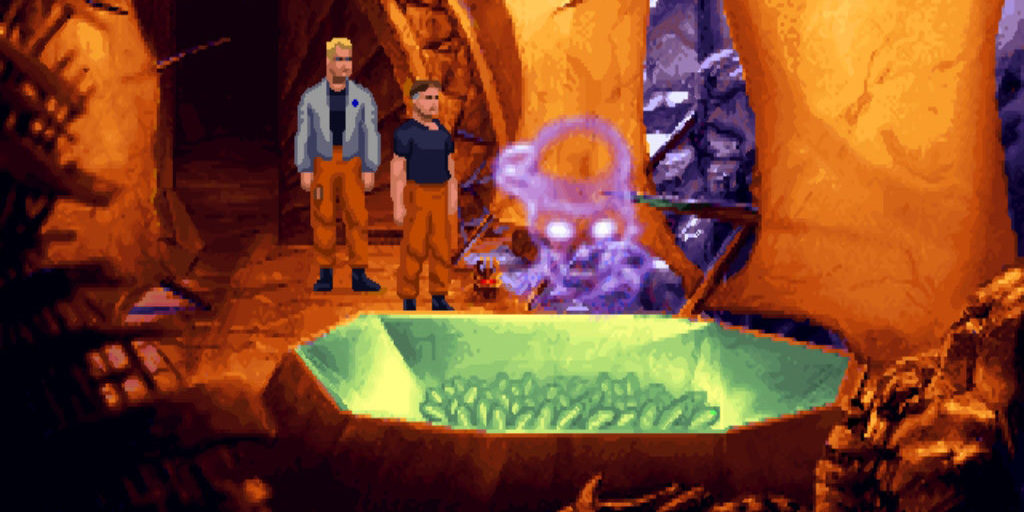 The Dig is another LucasArts classic.
Developers tried to compensate for the limited interaction through other strengths, especially elaborate stories and charismatic characters. Many games also featured voice acting thanks to CD-ROM media, and their visuals were considerably more advanced than those of games for 8- and 16-bit consoles, which helped explain their popularity among PC players. In addition, many titles were based on successful series, such as Indiana Jones.
During the second half of the 1990s, the genre declined due to the rise of games with 3D graphics and increasing demand for interactivity that would give players the ability to "do whatever they wanted," which was not the reality of the genre.
One of LucasArts' final projects was Grim Fandango, a game that found success with the public and critics in 1998 but sold only 500,000 copies, making it a commercial failure. As a result, several projects, including sequels to Full Throttle and Sam & Max, were canceled, and a few years later the company decided that it would no longer make games in the genre.
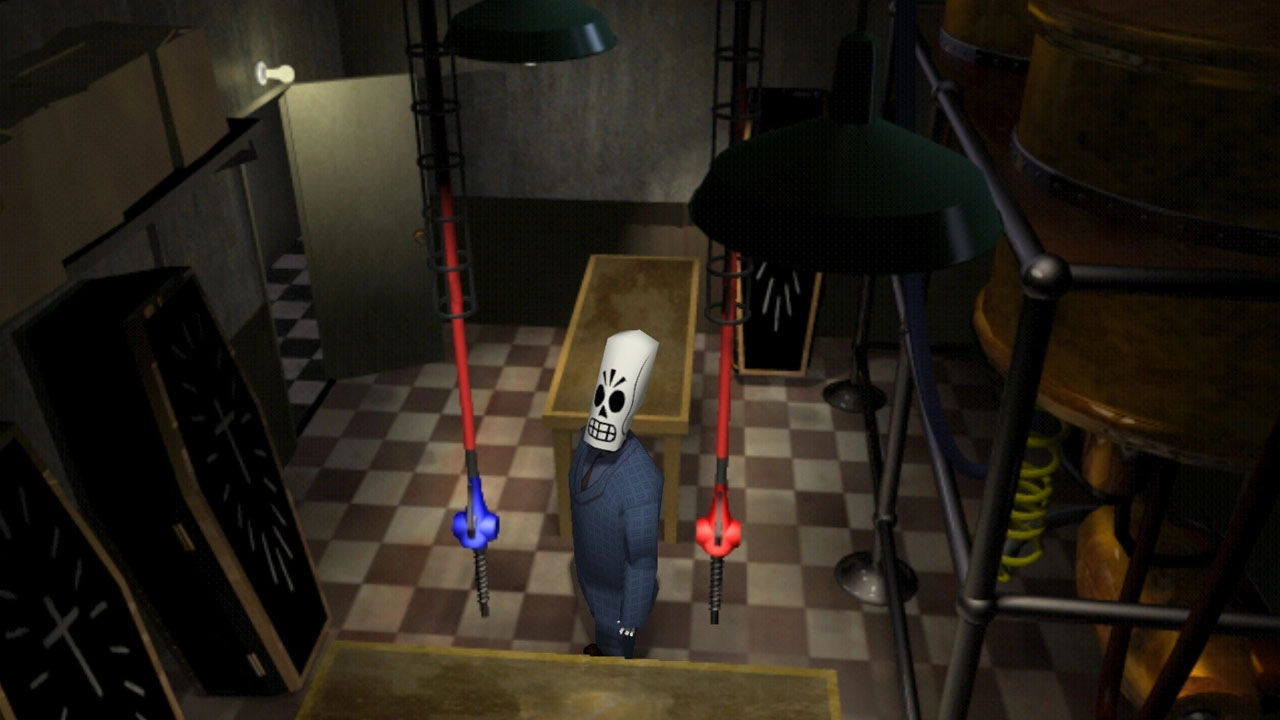 Grim Fandango was a hit with the public and critics and won several awards, but failed commercially (Photo: Reproduction)
That decision motivated the aforementioned trio to found Telltale Games. They presumably believed there was still room among players who wanted games that emphasized narrative and were fun despite offering little interaction, which gave rise to the studio's name: storytellers.
Adapting to the new reality
If the genre no longer appealed to the majority of players, Telltale decided that its games would be released exclusively through digital distribution, which was still in its infancy at the time and would also lower distribution costs.
The games would be released in an episodic format, making it the first studio to do so, and would use its own engine, the Telltale Tool, which would facilitate the development of future games and also reduce their development costs.
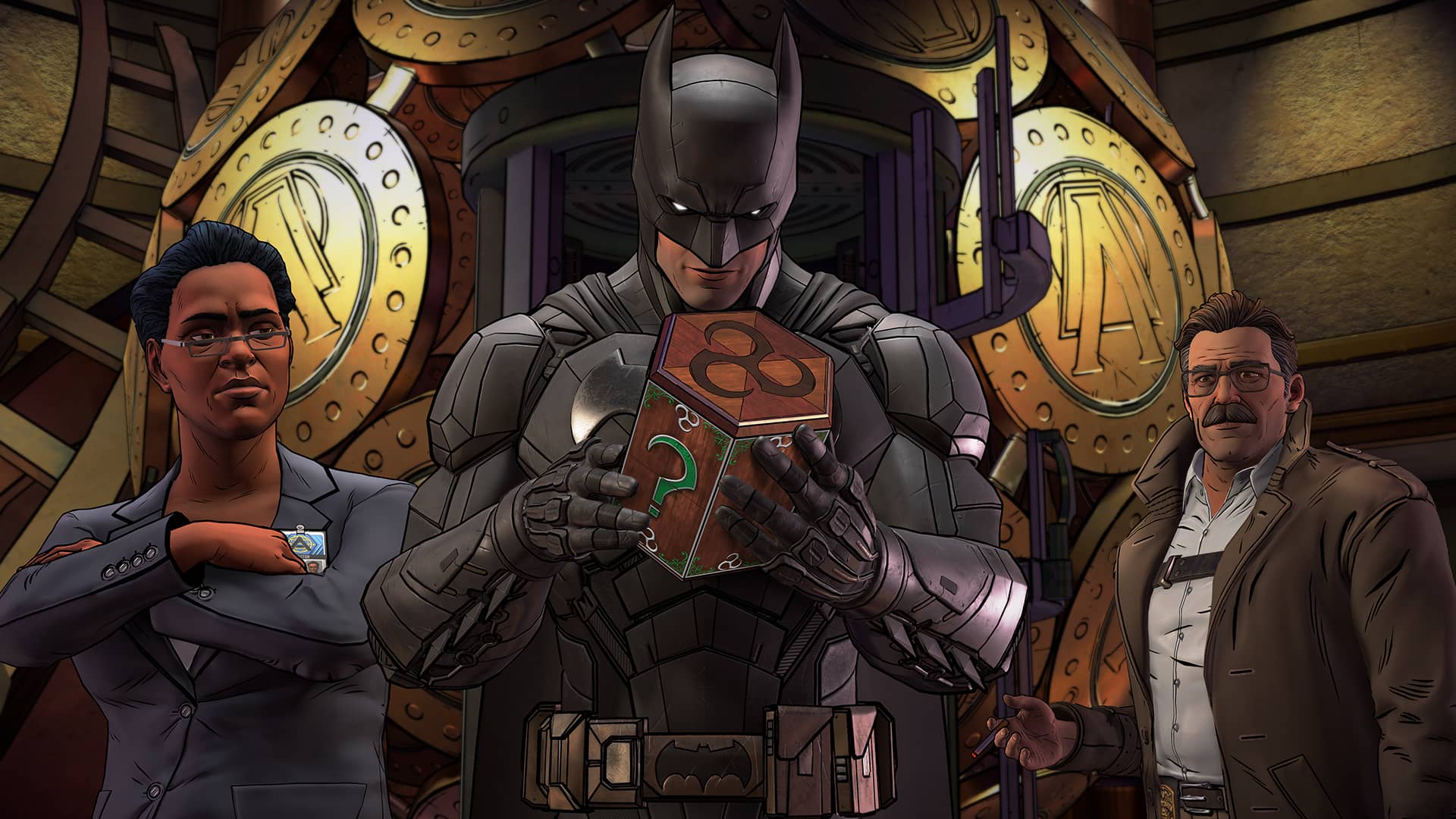 Telltale's Batman uses a proprietary engine, as do the vast majority of the studio's games.
Moreover, because point-and-click games no longer interested the public and were remembered for their good stories by the remaining fans, Telltale decided that its games would focus almost entirely on narrative. In practically every one of its games, the story changes as you choose what the character should do.
Its early games still included point-and-click puzzle-solving elements, however, though these were more streamlined than those in LucasArts games.
Because LucasArts did not produce another Sam & Max sequel, Telltale acquired the rights and developed Sam & Max Save the World. During its early years, it also made games aimed at small fan communities and gradually grew as a result.
Starting in 2010, Telltale entered into more prominent partnerships, creating games such as Back to the Future and Jurassic Park. The latter was the first to have the recognizable "look" of Telltale games, in which puzzles practically disappear in favor of narrative and cinematic presentation.
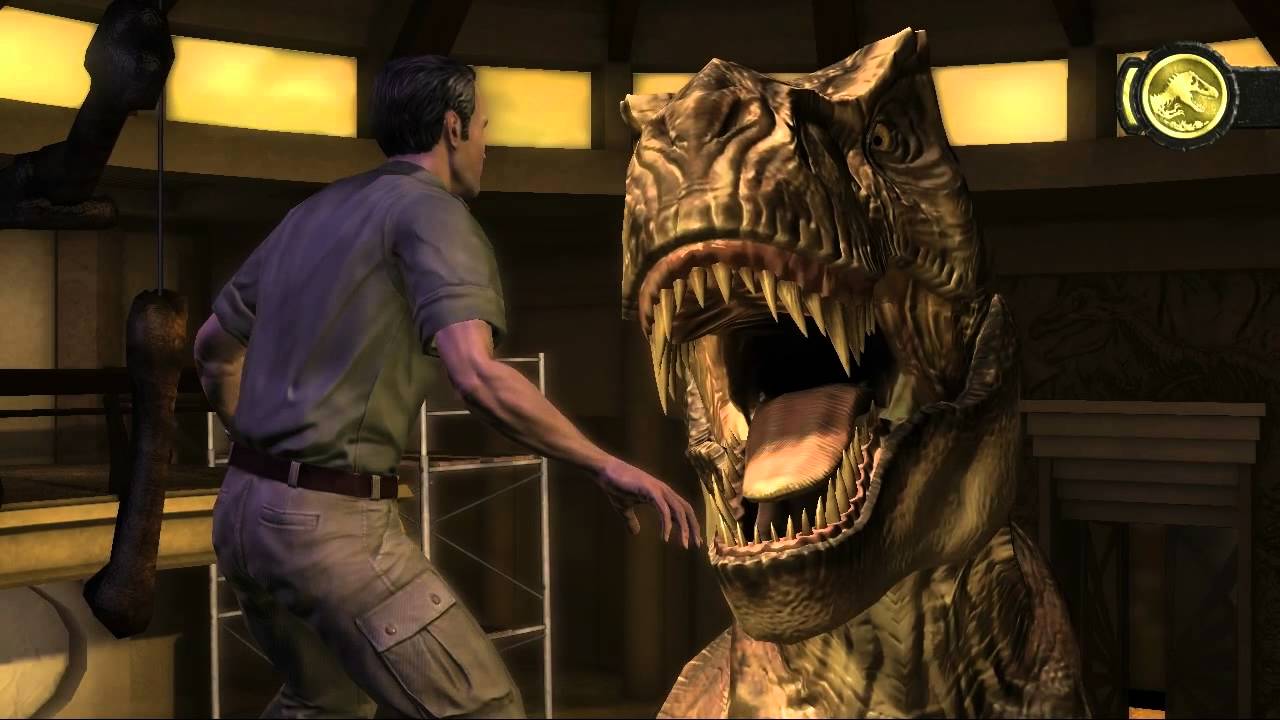 Telltale's Jurassic Park was the first game to feature the studio's characteristic style.
Then came the games most people know, such as The Walking Dead, which propelled the company to "stardom" and revitalized the genre, as well as Minecraft Story Mode, The Wolf Among Us, Batman, and Guardians of the Galaxy, all based on successful series.
The studio's controversies
After reaching the height of its popularity and employing more than 400 people in the second half of 2015, the first crisis came in 2016: of the many games it had released, only The Walking Dead, Minecraft Story Mode, and 7 Days to Die (for which it served as publisher) were generating profits.
The other games on the market were losing money, most notably Batman: The Telltale Series, one of the company's biggest commercial failures, which was also heavily criticized for its bugs.
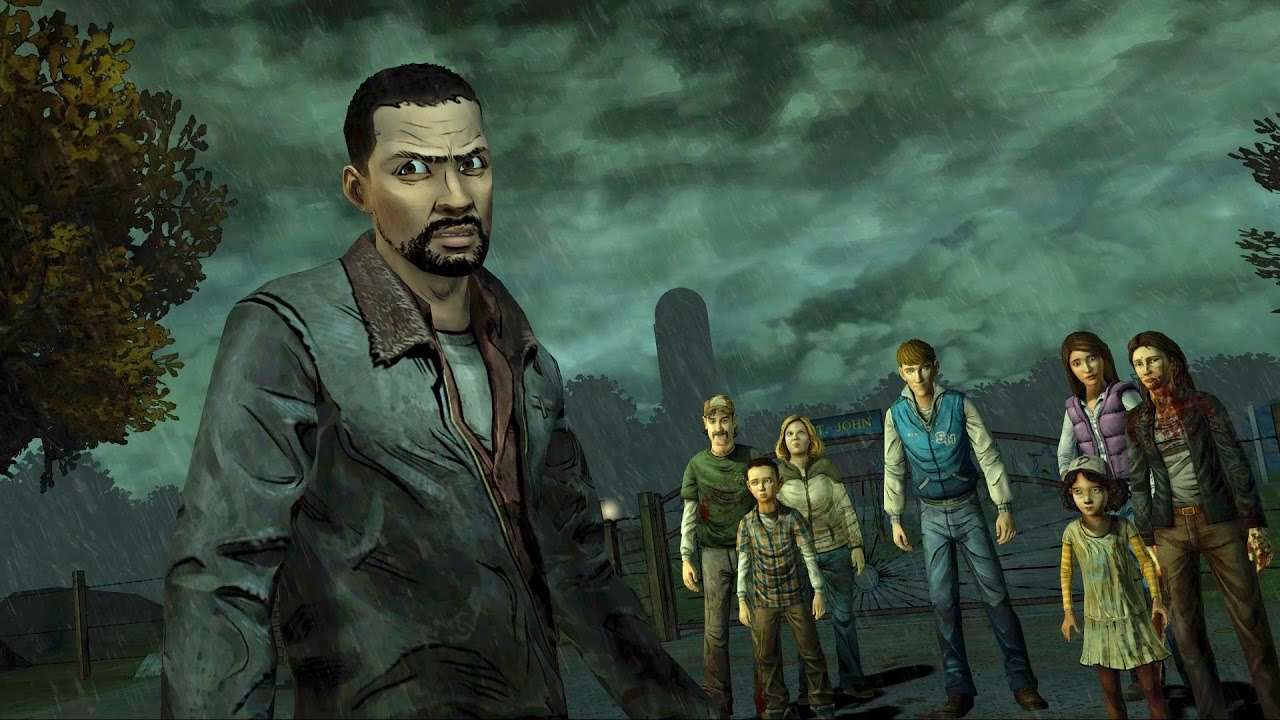 Telltale's The Walking Dead is one of the studio's most important games.
The studio therefore went through a restructuring process and dismissed 90 employees, aiming to release fewer games with smaller teams but higher quality.
Former employees also complained that Telltale's leaders wanted them to use the format established in The Walking Dead in its entirety, without the freedom to make any changes to the formula.
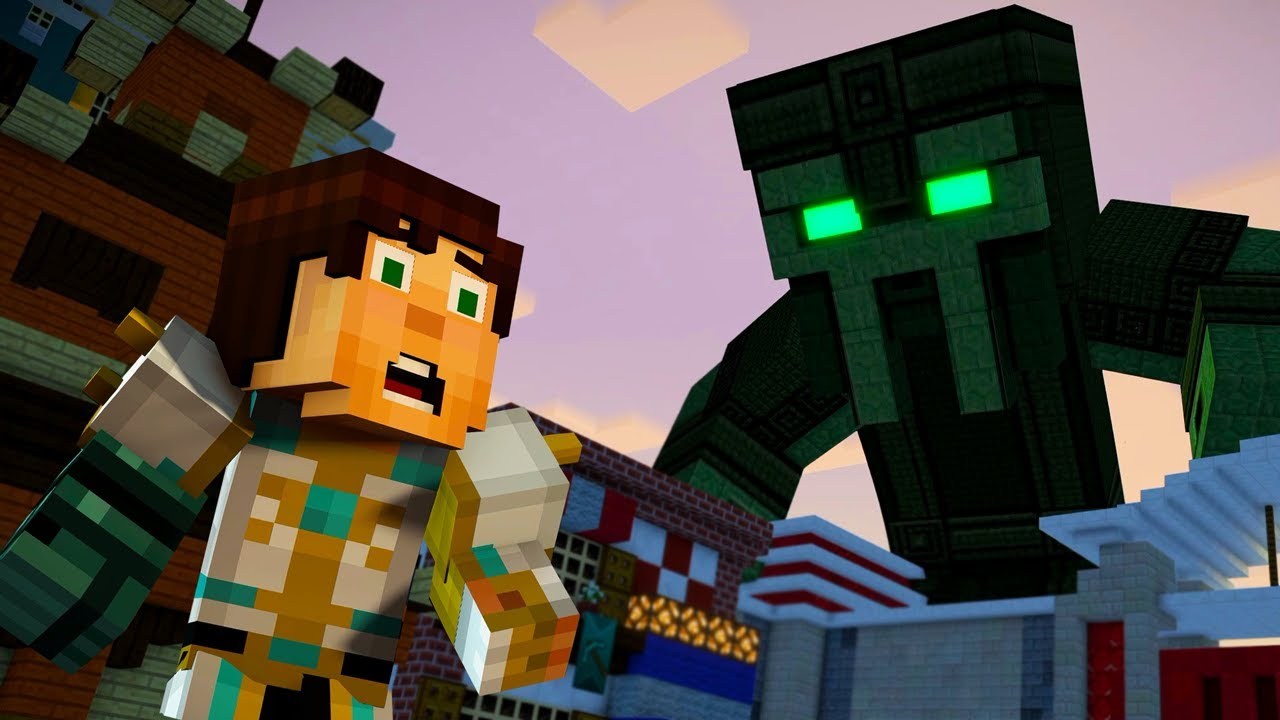 Minecraft Story Mode is another highly popular Telltale title.
In June 2018, one of Telltale's founders, Kevin Bruner, filed a lawsuit alleging financial losses and claiming that the board had removed him without prior notice.
Time passes and history repeats itself
The similarities between Telltale's history and LucasArts' are striking:
- LucasArts canceled the anticipated sequels to Sam & Max and Full Throttle; Telltale canceled the anticipated sequels to The Wolf Among Us and Game of Thrones, as well as a Stranger Things game;
- Both became famous for using well-known properties: LucasArts with Indiana Jones and Star Wars games, and Telltale with The Walking Dead and Minecraft;
- LucasArts had its own engine, SCUMM, and Telltale had the Telltale Tool;
- Both had trouble adapting to changes in the gaming world;
- Both left the market with a significant legion of fans.
Every ending is a new beginning
At a time when successful games are those that "bet" on open worlds, where players are free to do whatever they want whenever they want, it is a challenge for companies to create games built solely around narrative.
There are nevertheless people who want this kind of game, creating an opportunity for another studio to see "the light of day" and continue the legacy left by Telltale and LucasArts.
As long as players exist for a genre, studios will exist to develop it.