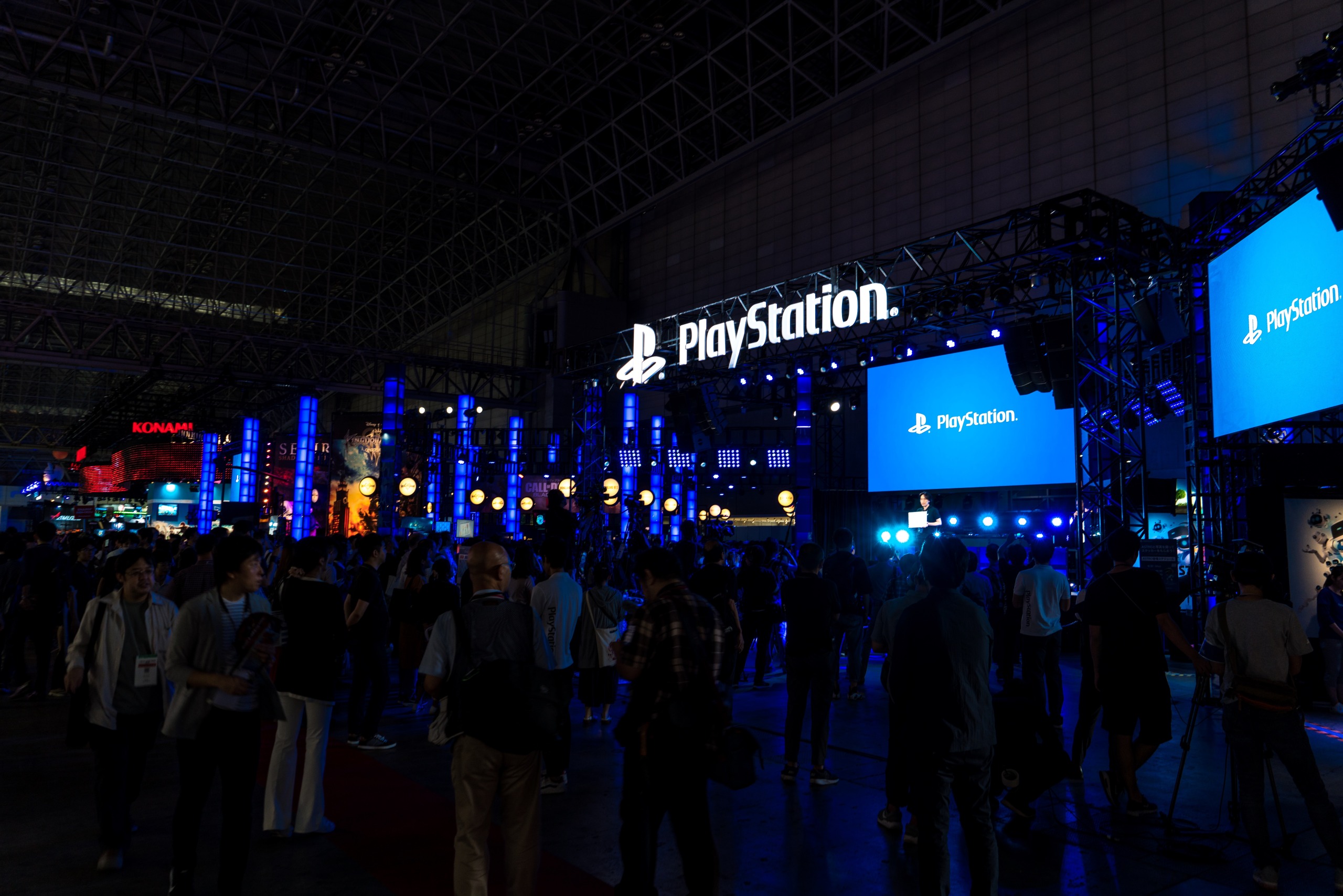



Selected Indie 80 is Tokyo Game Show's program for independently developed games, offering the chosen developers free exhibition space at the show. In 2026, its committee reviewed more than 1,500 submissions. It gives smaller projects a chance to reach players and the industry alongside the event's major releases.
The selection ranges from PC and console games to experiments that use cameras and projections as controls. Among them is Brazil's Paradoxical, which began as an experiment with movable portals. Not every game is available to download, but you can already try some at home, including demos of Finding Polka and Selfie Worm.
Paradoxical: how a Brazilian portal puzzle game began
The project is led by Gustavo Braga, known as gubebra, a Brazilian developer with a computer engineering degree from Insper. Its Steam page lists gubebra and Venn Studios as developers, with Venn also handling publishing.
The idea came from changing an experiment Braga had been working on for years. His portals were fixed to walls, until he tried picking one up, carrying it and passing objects through it while moving. In his account for the TGS catalog, he describes that test as the beginning of Paradoxical.
It became a first-person puzzle game in which you carry portals and reposition them to connect spaces and find a way forward. When the two openings differ in size, anything passing through them changes size too. A robot named Eko accompanies you through the ruins of a civilization that mastered this technology and helps activate mechanisms.
In a November 2025 interview with Insper, Braga said he was working on the project with two artists helping to create its models. He also described a challenge: making the optical illusions understandable without players assuming the image is broken. Both the programming and puzzle design have to account for that.
Release is planned for 2027, with Brazilian Portuguese interface text and subtitles listed on Steam. The demo announced by Venn is for TGS; that announcement does not confirm a downloadable version for home use.
Face UFO and ANRI turn body movements into controls
In Takahiro Miyazawa's Face UFO, your expression controls the spaceship. A Nintendo Switch 2 camera recognizes up to four players' faces: smiling makes a ship rise, while an angry expression pushes it forward. There is also a beginner mode with simpler expressions.
Team Gehanashi's ANRI projects light onto your hands. Opening and closing your fingers lets you gather and release that light, changing music and voices in real time. Instead of simply following a prerecorded track, you create a different musical performance each time you play.
Both games are among the eight finalists in Sense of Wonder Night, a competition where developers present their ideas and explain what makes their games different. The presentations take place on September 17.
A single “not” can change the rules
In Studio ZeF's No door can Not be opened with a Non-black key, collecting keys and opening doors depends on sentences that govern the level. You can remove the Japanese negative “nai” from one rule and attach it to another. Something forbidden becomes possible, or the reverse, changing the puzzle's solution.
Published by Marvelous, the game combines 2D action with these sentence changes. Since language is part of the challenge, note that its Steam page lists Japanese only. Neither English nor Portuguese is listed for this version.
Legacy Code: building creatures out of objects
In Room127's Legacy Code, you assemble a creature from living and nonliving parts to explore a distant planet. The game calls these artificial creatures Mechanimals. Their abilities depend on the parts you choose and the shape of their bodies.
Defeating other creatures gives you new parts to add to your own, changing what it can do as you explore the planet. The game is another Sense of Wonder Night finalist.
YARETA: exploring ruins without combat
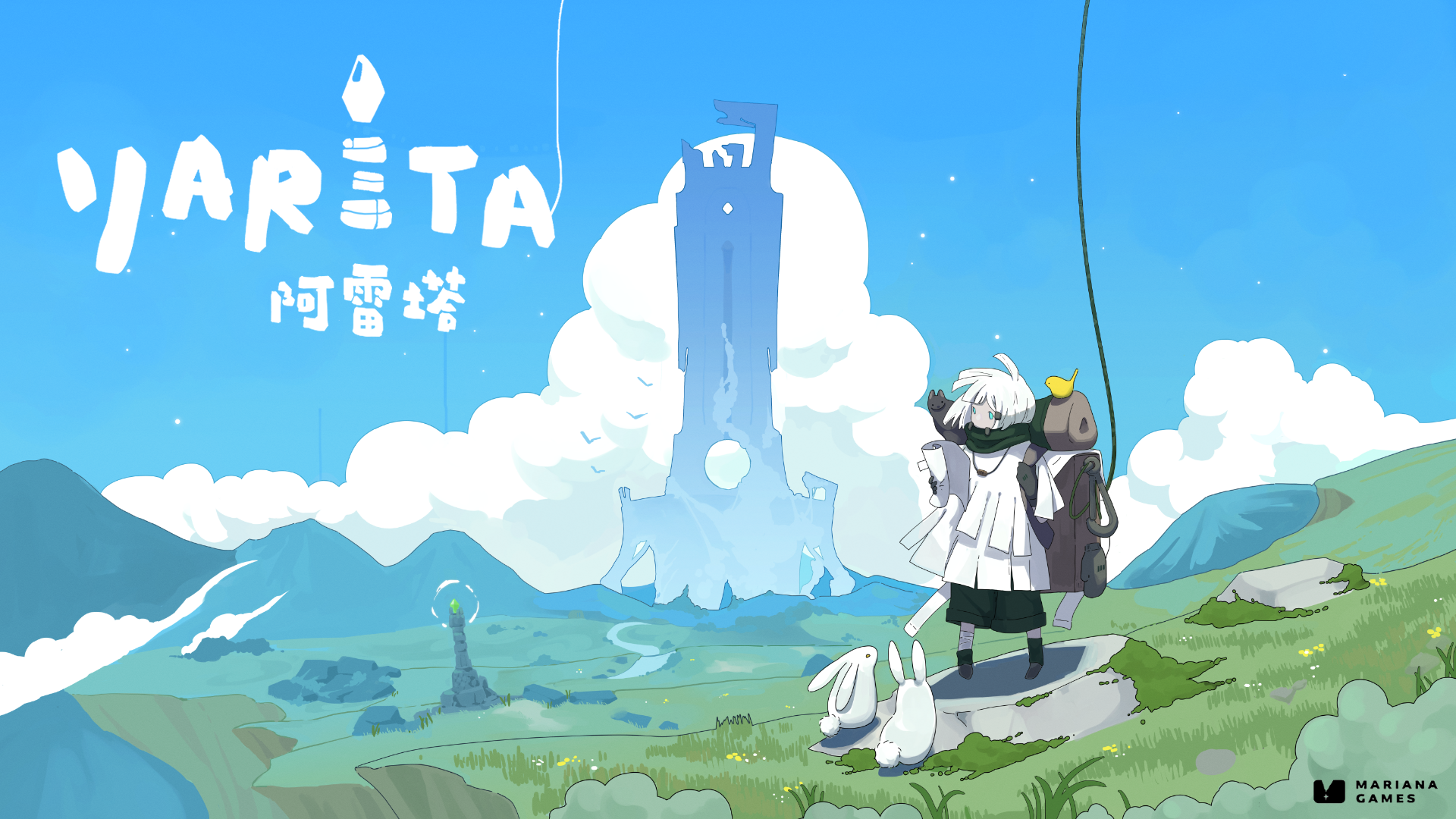
The game in the cover image is YARETA, from Taiwan's Mariana Games. You play an investigator from the World Library, searching ruins, forests and mountains for traces of a lost civilization. The adventure combines exploration and puzzles without combat.
A rope lets you attach to high points and swing through the landscape. Studying inscriptions, objects, plants and creatures also helps you find routes and understand the place. Its Steam page offers registration for a development Playtest. You need to request access; this is not an unrestricted demo download.
Finding Polka: exploring without dialogue
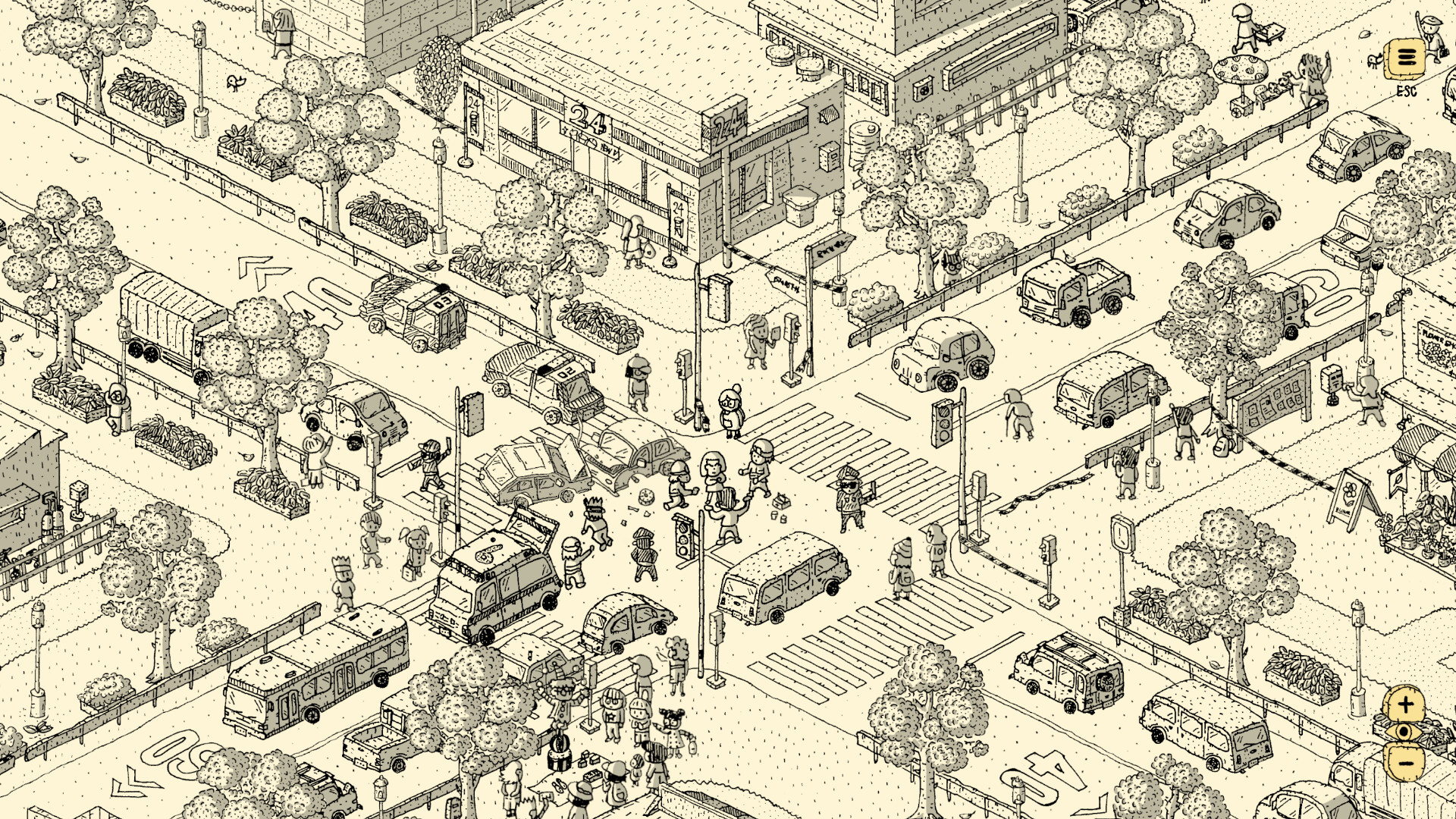
Developed by lidlocks, Finding Polka follows a search for a dog in a world drawn with a ballpoint pen. You explore the map and help characters to make friends, communicating through expressions, gestures and sounds instead of dialogue.
You can explore this world now through the Steam demo, without waiting for the show. The full game is sold separately.
Finding Polka received the Platinum award at the SI80 Excellence Awards. Introduced in 2026, these awards recognize creativity and polish among the selected games, while Sense of Wonder Night focuses on presenting ideas. They are separate honors.
Trying Selfie Worm and Stuck Together at home
Another game with a Steam demo is Straight Banana's Selfie Worm. You control a stretchy worm through 2D environments with physics-based movement, taking photographs to bring color back to the surroundings and reveal parts of the story. It is also a Sense of Wonder Night finalist.
In Hugecalf's Stuck Together, you and another player control two connected toys escaping through their owner's house. You need to coordinate your movements to climb, swing and grab handholds, playing locally or online. If you are worried about starting over after a fall, a difficulty option lets you resume from checkpoints, as the official description explains.
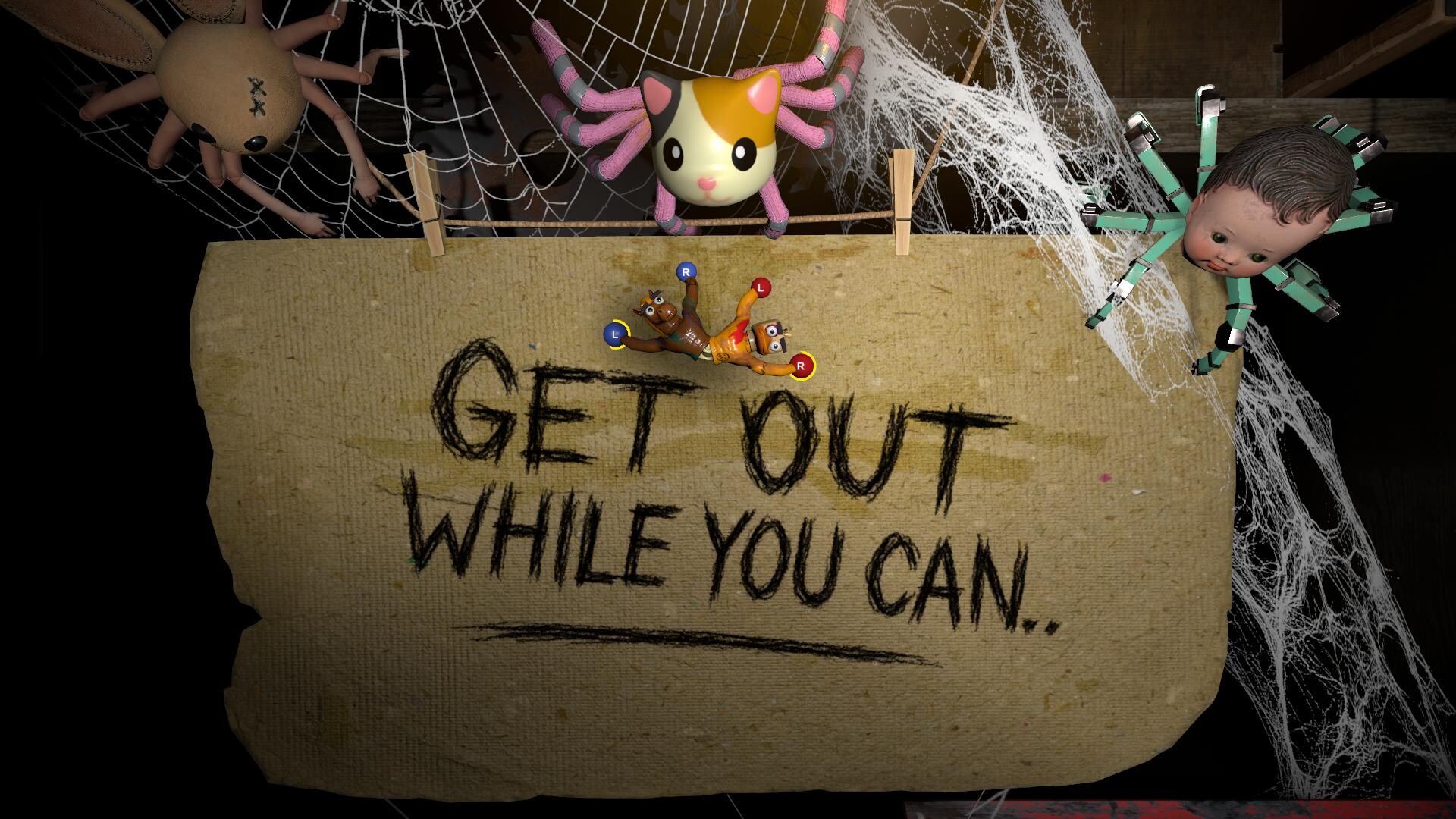
On PC, the Stuck Together Friend Pass lets you join someone who owns the full game, hosts a session and invites you. The pass is not a standalone demo.
Stuck Together also received SI80 Gold.
The full published Selected Indie 80 list
Although the program is called Selected Indie 80, the official catalog listed 78 games on September 7. They appear below in the organizer's published order. The catalog's individual entries also include descriptions, teams and project links.
- Proyecto EXO
- No door can Not be opened with a Non-black key
- Hubert
- Bahgonia
- YARETA
- Legacy Code
- One More Plate!
- TETE
- ANRI
- DON'T STOP SMILING
- AI Pixel Battle
- SHIBUYA SUSHI MASTER
- MeloMisterio -play your melody-
- Identifile: Desktop Dungeon
- Maestro
- IN SILICO
- 字獄 JIGOKU
- EthrA
- CorocoroFriends
- Physical TRAIN: Chamland National Railway
- A Tiny Wander
- Conductus
- Finding Polka
- Face UFO
- Adap+ation
- TONIN: 兎忍
- Invisible Room
- MASK IT
- Pawtential Disaster
- slapTrax
- Sweet Home
- INTERSCAPE
- Re:Connect
- HAUNTED STREAMER
- JNR Ueno Station 1979
- Konfronto
- Become
- Paradoxical
- Unknot!
- Hand Heads: Rock, Paper, Sciessors Tag Esports
- CRAZY SONIC
- BLIND SILENCE
- Mama
- OMEGA PHENEX COMMENCED PROJECT SIX
- MOSKEYBOARDOON
- Go Slimey Go!
- Spook-A-Boo
- Rita
- Bits & Bops
- Some Goodbyes We Made
- Restore Your Island
- i want to be a tree (but life has other ideas)
- Stuck Together
- Pain-T
- Children's Garden
- DDoD
- Mutter
- We Are So Cooked
- Puzzle Deck
- XERME
- Worship
- An Eggstremely Hard Game
- FILO: Something Filamentous
- SELLCT
- Truckful
- Smash 'N Grab
- Bad Magpie
- Selfie Worm
- Teach My Little Sister How to Drive
- Nientum - Op.ZERO
- Becoming You
- TSAREVNA. Age of Tales
- Traces from Auralis
- WONDERFALL
- RIFTSTORM
- DONUT PANIC
- BARKOUR
- Artificial Extinction 2
This selection does not cover every indie game at Tokyo Game Show. Others appear at their own booths or with companies including PLAYISM, Kakehashi Games, room6 and Happinet.
Our team's indie game, EDEN'S FRONTIER, will also have an exclusive demo at the event, at the Brazil Games booth.