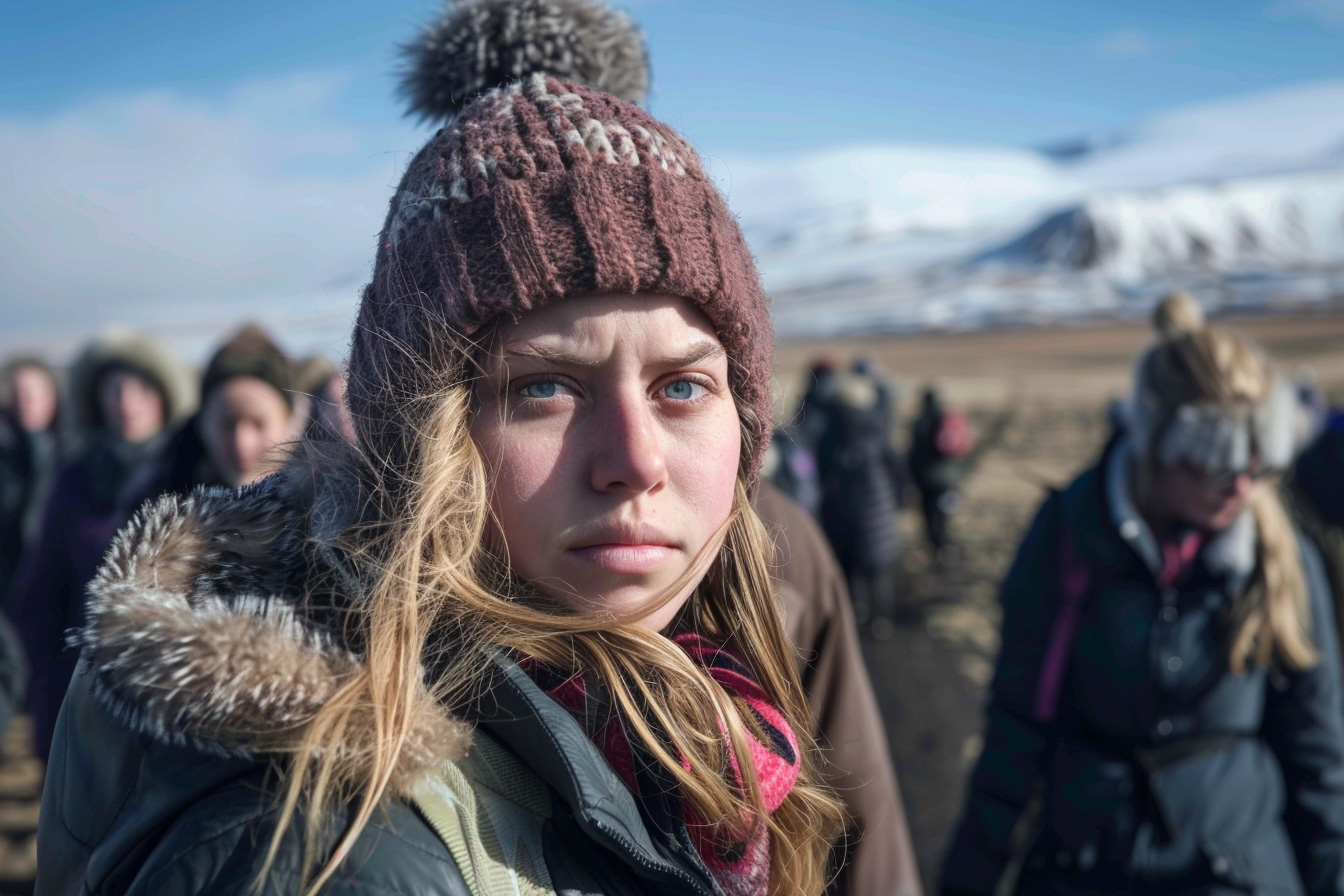
With only 372,520 inhabitants according to the 2021 census, Iceland is considered by many today to be a leading example of progressive leadership, having earned, for example, the title of the country with the smallest gender pay gap in the world. Even after a recent strike by the country's women for greater equality—which the prime minister joined—Iceland remains the world's greatest example of an egalitarian country when it comes to gender.
For Iceland's inhabitants, this is certainly a source of pride: for 14 years, Iceland has led the ranking that measures the level of equality between men and women, according to the World Economic Forum's Global Gender Gap Index. According to 2023 data, the Nordic country managed to close 91.2% of its gender gap.
What is the secret of its success and the lessons learned throughout this process in Iceland? And, most importantly, what policies were adopted that achieved such effectiveness against gender inequality?
The 2008 Crisis and the Subsequent Achievement of Gender Equality
Several years ago, Iceland suffered greatly during the 2008 global financial crisis. This crisis had a profoundly negative impact on the country's economy, causing a major currency devaluation, banking crises, and a severe economic recession. At that time, the country had to adopt austerity measures and seek international financial assistance to overcome its economic challenges.
Amid the chaos caused by the crisis, an opportunity arose to advance the fight for gender equality. One of the prevailing arguments was that "men had led the nation and its companies disastrously." An opportunity then emerged for women to assume more prominent leadership positions. New policies were created to promote women's participation in leadership roles, resulting in significant progress in the pursuit of equality.
Iceland's success, however, is due to a combination of factors specific to the country, such as the women's movement, which had already existed over decades of history, the common presence of women in the labor market, and the political will to pass laws that promoted this equality.
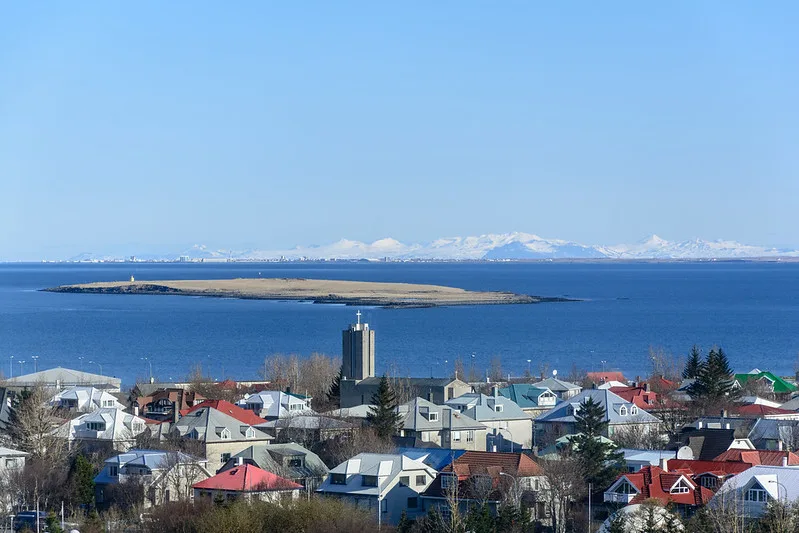
Iceland's leaders recognized gender inequality as an issue rooted in society and therefore adopted a systematic approach to confronting it, using the state apparatus as an instrument of change. This proved highly effective over the long term, and important lessons can still be drawn from this process today.
Through a major political movement and laws that made it easier to eradicate gender disparities, Iceland became the first country in the world to implement a law requiring equal pay for men and women. The legislation came into force on January 1, 2018, and proved to be a positive tactic on several fronts for the market at the time.
What Lessons Can Other Countries Take from Iceland?
A country with just over 370,000 inhabitants can have much to teach the nations of the "free world." Depending on the country, gender policies are either rarely discussed or face very strong resistance from political opposition. However, something can be learned from the Icelandic process of dealing with these problems.
The Importance of Equitable Political Representation
Iceland has one of the highest levels of female representation in parliament, highlighting the positive impact of women's leadership in promoting gender equality. The presence of women in positions of political power not only inspires future generations of women but also shapes policies that can benefit society as a whole.
Adopting Equitable Parental Leave for Men
Implementing independent parental leave for both parents marks significant progress on the journey toward gender equality. By encouraging equal participation by men in raising children from the earliest moments, Iceland is challenging stereotypes and promoting a more equitable distribution of family responsibilities.
Equal Pay Law
As mentioned earlier, the equal pay law is one of the country's most important laws, especially when discussing this subject. The law requires both companies and institutions with 25 or more employees to obtain an "equal pay certificate" demonstrating that they pay employees the same amount for similar roles.
Iceland is not the only country with an equal pay law. However, unlike elsewhere, the burden of proving equality or inequality in the country falls on the company rather than the employee. This means that the company must prove that it pays its employees fairly and equitably.
Strong Childcare Subsidies
Investment in childcare and early childhood education in Iceland not only benefits children but also enables more women to remain in the labor market after parental leave. When children reach one year of age and both parents' parental leave ends, according to OECD data, more than half of them are already enrolled in childcare. This figure rises to 80% when children turn two.
This allows mothers and fathers to work regular business hours without major problems. In a society that often ends up "sacrificing" women's work outside the home, minimizing the penalty associated with motherhood helps build a society in which men and women enjoy equal opportunities to reach their full potential.