
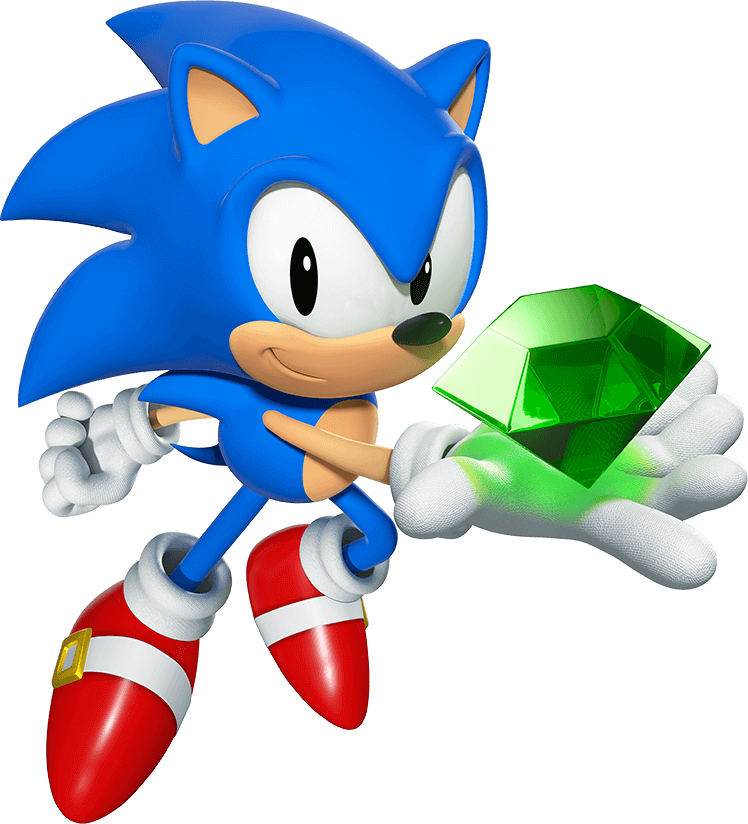
SEGA mascot Sonic the Hedgehog has an enormous variety of themes across his playable stages. This variety is already well known to fans and, in a way, follows a consistent pattern in games featuring Classic Sonic. That is the same round-bellied, light-blue Sonic seen on Mega Drive, who represents a "younger" version of the present-day Sonic more widely promoted in the media.
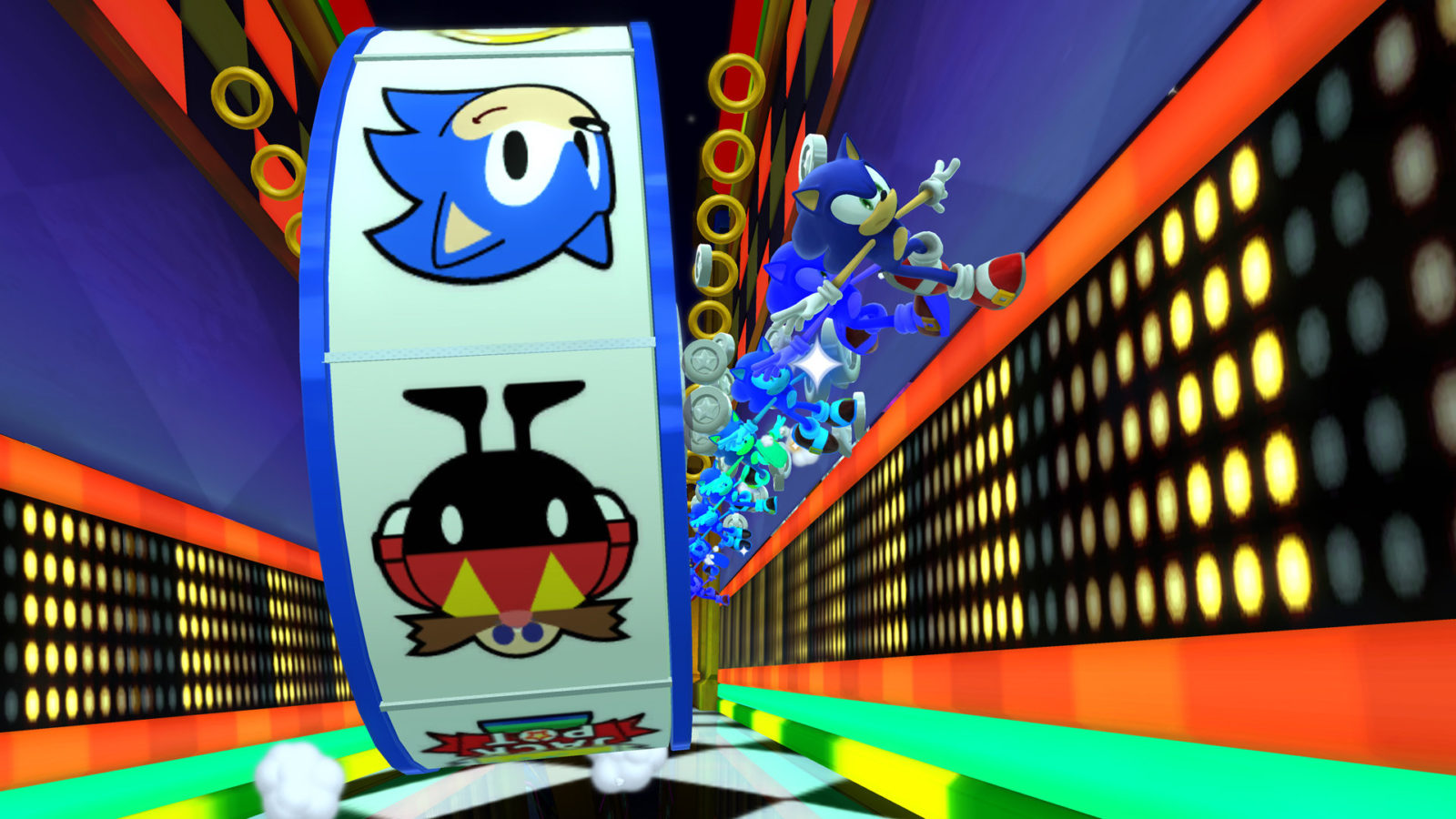
Among the classic stages, tropical themes, ultra-technological stages, "ice" stages, and casino-themed stages are common. Yes, that is right. Casino stages recur with extraordinary frequency in Sonic games, and it even makes sense. When Sonic becomes a "little blue ball," he can reproduce the gameplay of pinball games, casino roulette wheels, and even more complex pachinko games.
Few people know, however, that SEGA has always been a major representative of gambling games in Japan. To be more precise, SEGA has a sector more profitable than video games: the gambling sector involving pachinko machines.
Whether as a way of representing this side of the company that is so prominent in the Far East, or simply because the colorful, flashing, frantic stages suit Sonic so well as he runs at super speed or scores points in giant machines, casino stages genuinely recur throughout the franchise.
Let us look at some games that feature the theme:
"Casino Night" (Sonic Drift 2, Generations 3DS, Fighters, and Sonic 2)
The legendary Sonic 2 stage is the most famous "casino stage" and also the one reinterpreted most often. Who remembers its melody? It is so famous that, in addition to being reinterpreted in games, it has appeared in various orchestral performances around the world and in remixes, for example, because its music is so catchy.
Sonic the Hedgehog 2 is a platform game developed and published by SEGA for the Sega Genesis—or Mega Drive, as it was called in Brazil—released worldwide in November 1992. It is the second game in the Sonic series' main storyline and introduced a new companion for the protagonist, the famous "little yellow fox" Miles "Tails" Prower, also known as Tails. A second player could control him on the classic consoles. After all, did you know Sonic 2 could be played by two people? Well, now you do.
We can say that Sonic 2 has 10 stages if we consider that the final two, despite having different names, are the same stage. Each is divided into two acts and features Sonic's eternal battle against Dr. Robotnik, or Eggman as the blue hedgehog "affectionately" calls him.
If you pay attention, you can see many buildings glowing with colorful neon lights in the background of Casino Night, displaying words such as "Sonic," "Casino," and "Sega," along with palm trees, flowers, luxurious buildings, and every kind of decoration common in Las Vegas. They become major references of the sort found in guides and books about the city on which the stage was based.
"Casinopolis" (Sonic Adventure and the DX version)
Sonic Adventure was released in Japan in 1998 and became an instant worldwide success, receiving several rereleases later. Sonic's first main 3D game also had a casino stage, where you can interact with another SEGA classic: the character NiGHTS.
The game's plot takes place several years after the classic series, and Station Square, where the game begins, is threatened by a legendary beast mentioned in an ancient prophecy belonging to an ancestral people descended from another famous franchise character, Knuckles the Echidna.
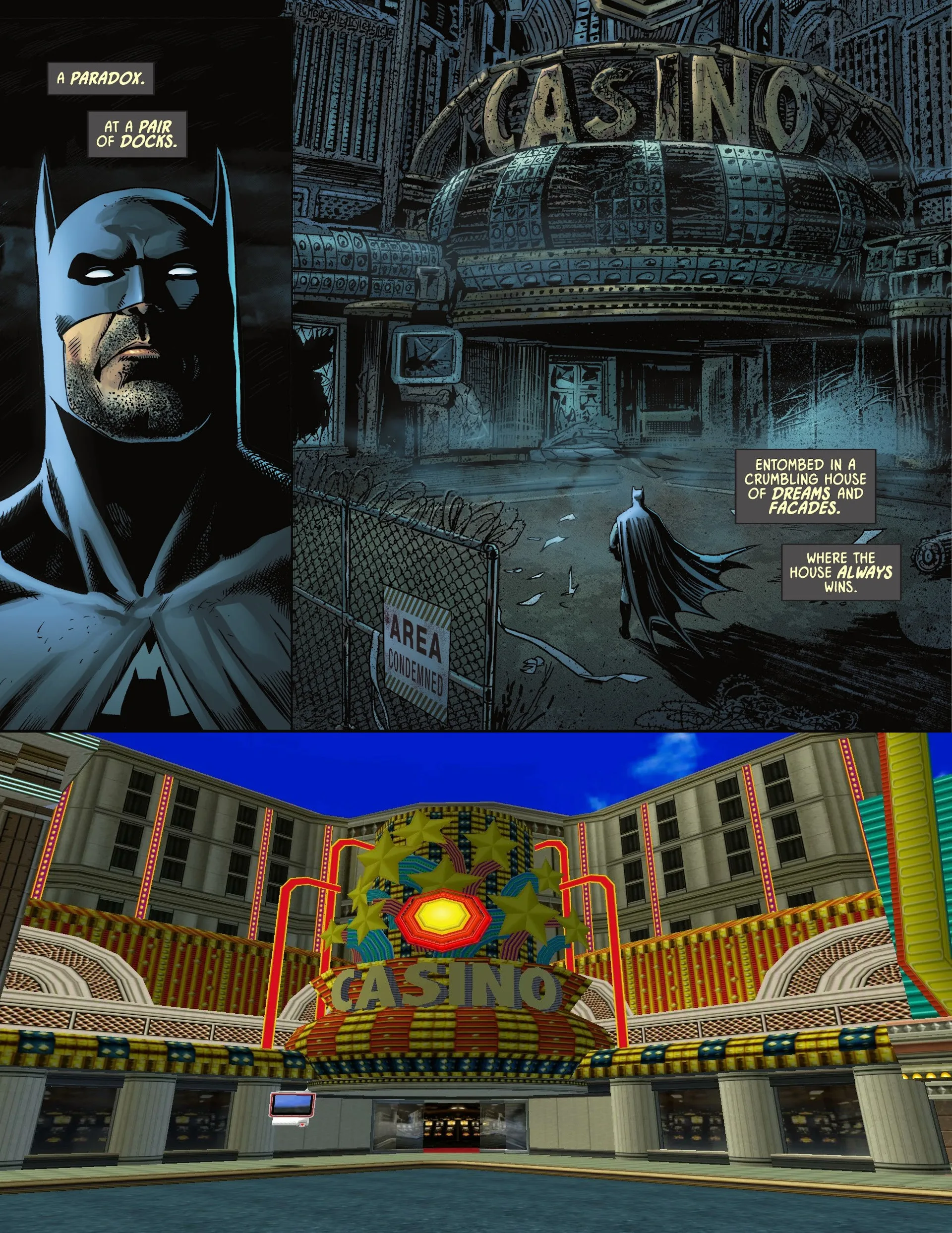
The Casinopolis stage introduced in the game is literally a casino full of games and references such as slot machines, bingo, and a giant pinball machine. There are two pinball tables: the main one themed around Sonic and another around NiGHTS. The setting also offers several other attractions, including a bingo carpet and machines that drop rings when struck. These can later be deposited in a hall to earn enough points and retrieve an Emerald, thereby completing the stage. An incredible idea, is it not?
"Bingo Highway" (Sonic Heroes)
As the second act of the casino-themed stage in Sonic Heroes, its name suggests what happens: your characters curl into balls through the Spin Dash ability and slide through the stage. By forming a certain combination of numbers in a kind of bingo game, you can collect more rings and extra lives, as well as earn points for the stage ranking.
It was Sonic's first multiplatform game, released for PlayStation 2, GameCube, Xbox, and PC, and became one of the franchise's best-selling titles to date.
Sonic Heroes also marks the return of the Chaotix Detective Agency characters, a group who work as detectives, except for Mighty the Armadillo, who would later appear only in Sonic Mania Plus, the expansion to the much-loved Sonic Mania.
Casino setting in the Knuckles series
The first two Sonic the Hedgehog theatrical movies were highly successful, consecutively breaking records in the United States at release, including the highest box office for movies based on games. Such success would not go unnoticed by Paramount and SEGA, which formalized a streaming series derived from the films.
Knuckles follows the character's adventures in the movie universe against a new enemy. The echidna joins the comical police officer Wade Whipple and passes through places that reference the games, including a casino that recalls the stages' classic theme.
List of other stages with the same theme
Of course, we have mentioned only some of the most memorable. Below is an extensive list of other casino-themed stages included in games from the franchise:
"Balloon Park Zone" and "Carnival Night Zone" (Sonic 3)
Exclusive to Sonic 3's multiplayer mode, Balloon Park has springs and balloons, leaning more toward the recurring "carnival" and theme-park style than a casino. Carnival Night Zone, with its famous giant barrel, also could not be left off this list.
"Carnival Town" (Sonic & SEGA All Stars Racing)
A kart game starring Sonic had to have a casino stage, and Sonic & SEGA All Stars Racing is no exception.
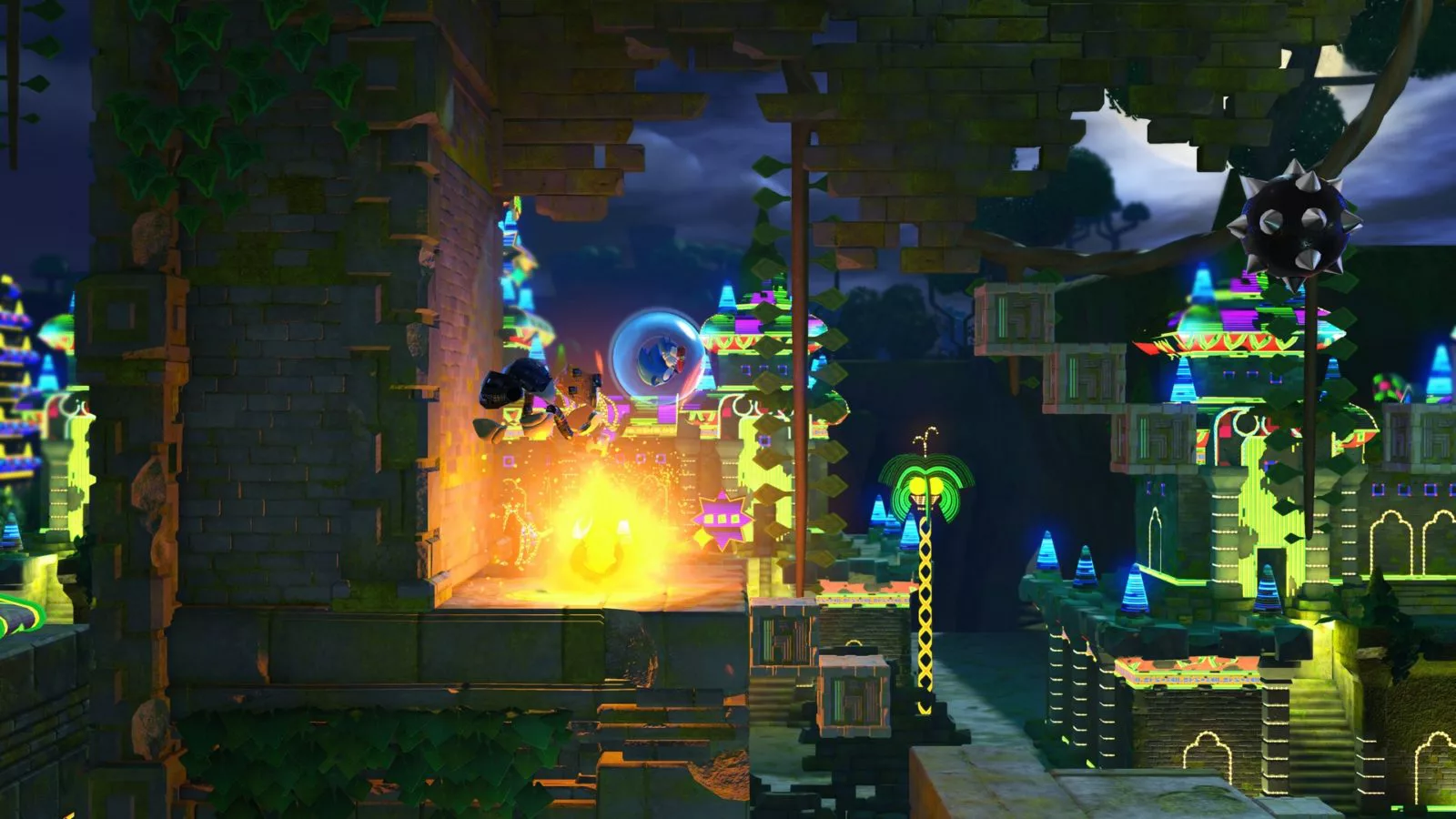
"Casino Forest," "Eggman's Facility," or "Luminous Forest" (Sonic Forces)
Blending forest and casino themes, Casino Forest in Sonic Forces places Classic Sonic in another casino stage.
"Casino Paradise Zone" (Sonic Advance)
Sonic Advance also had a casino stage, complete with a reference to Walt Disney's castle in the background.
"Neon Palace Zone" (Sonic Rivals 2)
The PSP racing game between franchise rivals also has a stage in the genre.
"Casino Park" or "Bingo Party" (Sonic Heroes and Sonic & SEGA All Stars Racing, Team Sonic Racing)
The first act of Sonic Heroes' casino stage also appears on the list, complete with pinball tables. Team Sonic Racing was not left out.
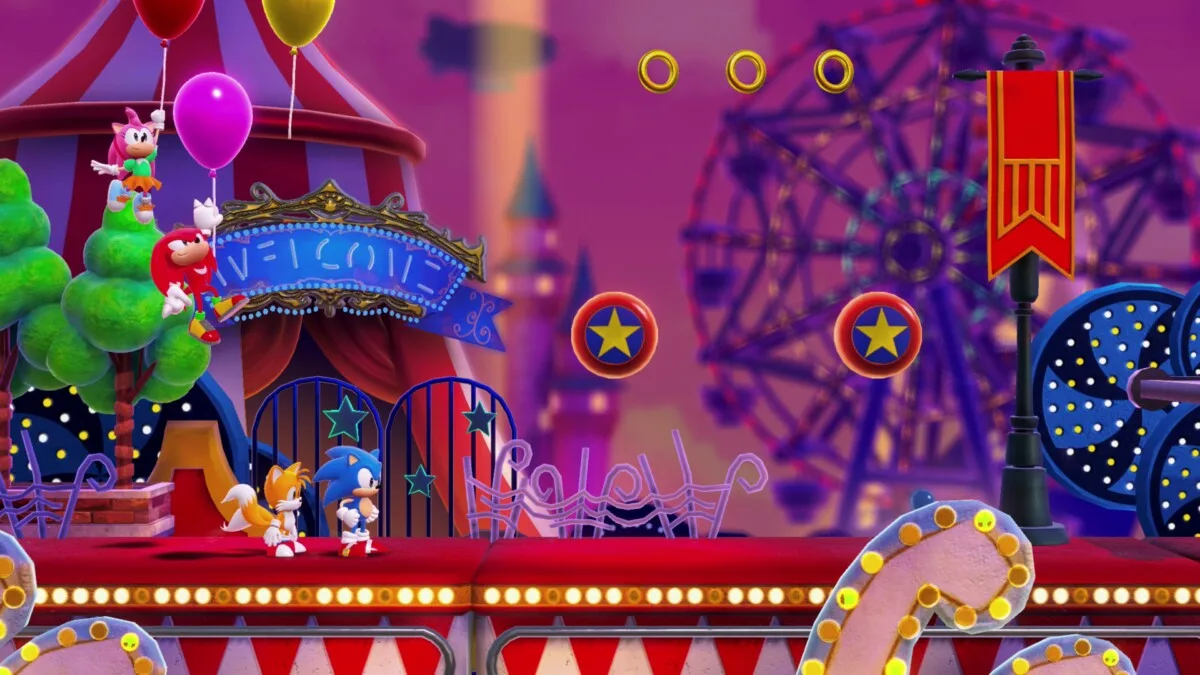
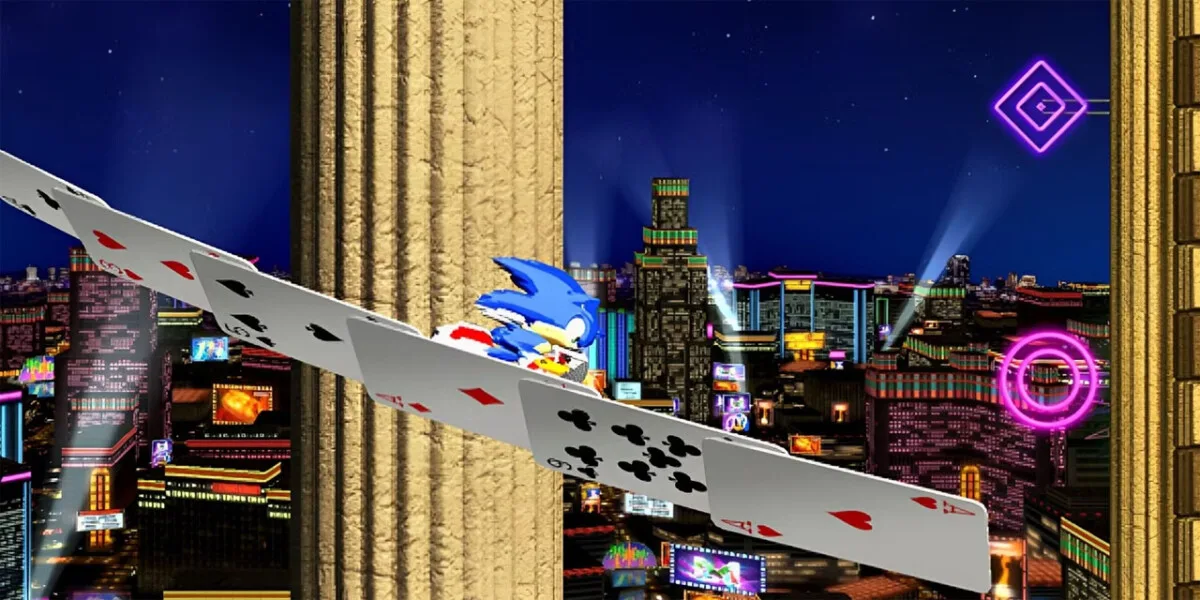
"Casino Street Zone" (Sonic 4: Episode I)
Despite the different name, Casino Street from Sonic 4 is a new incarnation of Casino Night from Sonic 2.
"Circus Park" (Shadow the Hedgehog)
In Circus Park, from the game starring Shadow, the franchise's antihero, you must help Tails collect a certain number of rings.
"Collision Chaos" (Sonic CD)
Reinterpreting Spring Yard Zone from Sonic 1, Collision Chaos in Sonic CD contains pinball, bumpers, and other elements typical of the blue hero's casino stages.
"Cosmic Casino Zone" (Sonic Pocket Adventure)
Relatively "underground," Sonic Pocket Adventure reimagines the stages from Sonic 2 with the soundtrack from Sonic 3. Cosmic Casino is therefore another stage that reinterprets Casino Night Zone.
"Frozen Factory" (Sonic Lost World)
An ice stage in the middle of the list? One of its acts pays tribute to Casino Night Zone from Sonic 2.
"Night Babylon" (Sonic Battle)
Quite unusual compared with the others, Sonic Battle does not necessarily have stages, but hub worlds where the characters interact. As expected, Night Babylon is a casino-themed hub.
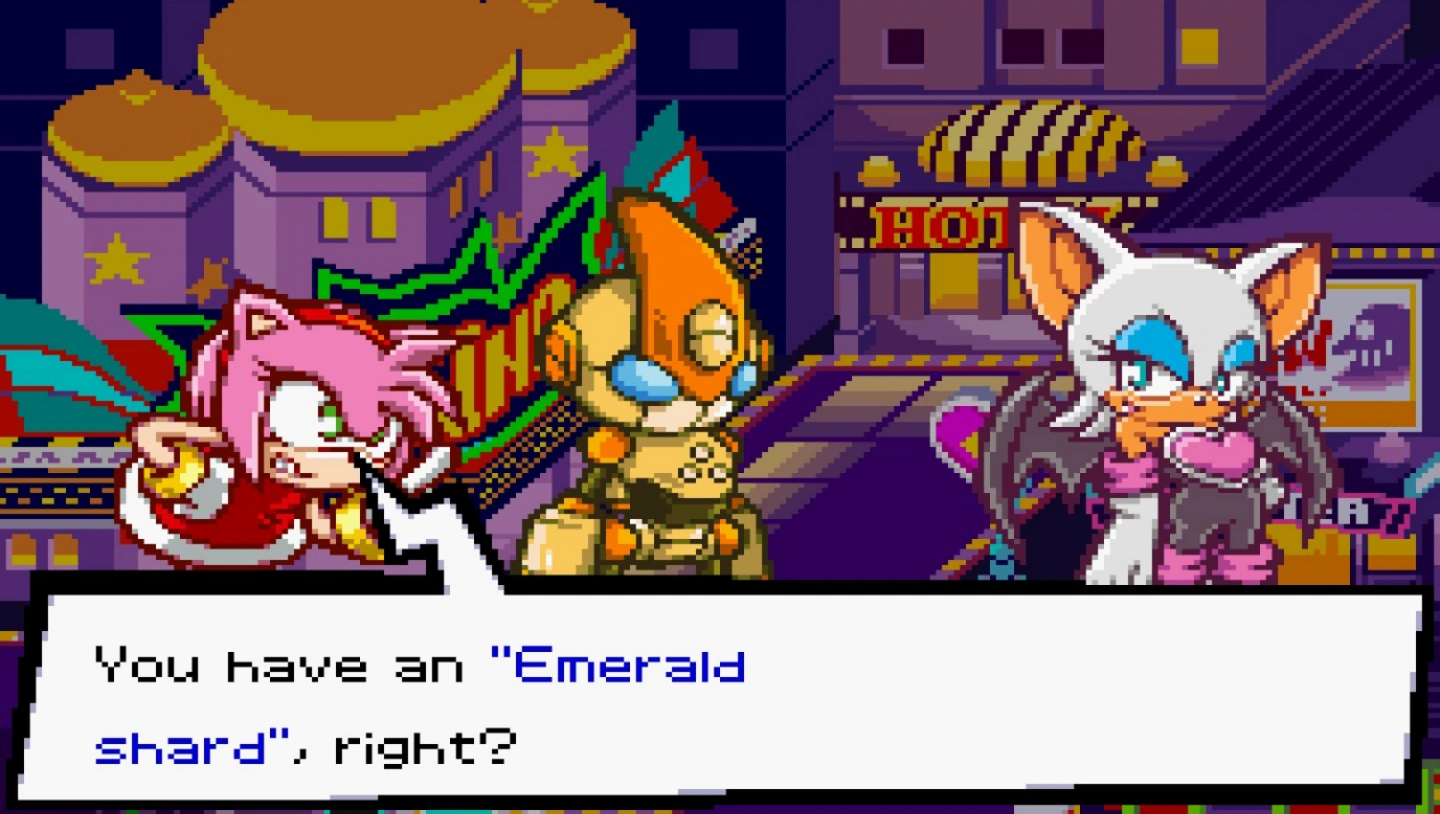
"Night Carnival Zone" (Sonic Rush)
Sonic Rush innovates by introducing the boost formula—in which pressing a button gives Sonic an absurd burst of speed—and using both Nintendo DS screens to expand the view of stages. It also plays within the "safe zone," however, repeating several themes common to Sonic games, including a casino stage.
"SEGA Carnival" or "SEGA Illusion" (Sonic Riders)
Sonic Riders is a racing game played on flying boards that strongly resemble the hoverboards seen in the famous Back to the Future film franchise. It also includes carnival/casino-themed stages.
"Spring Stadium Zone" (Sonic 3D Blast)
Sonic's farewell on Mega Drive also had a casino stage.