The United States government recently approved a bill aimed at banning TikTok in the country. One alternative to prevent the platform's ban, however, is a requirement that it sell its U.S. operations within six months. The country has more than 170 million users of the app.
According to ByteDance, the video app's parent company, the decision forcing it to leave U.S. territory violates several aspects of the U.S. Constitution and conflicts with the freedom-of-speech protections established by the First Amendment. Disputes between the company and local authorities began in 2020 during Donald Trump's administration.
How Did the Conflict Begin?
In mid-2020, while he was still president, Donald Trump issued an executive order in August of that year aimed at banning TikTok in the United States, based on the allegation that the platform represented a threat to national security. At the time, two federal judges overturned the measure, and it was not challenged.
Trump's allegation was "based" on the fact that the video platform is owned by the Chinese company ByteDance and that, amid the trade conflict between the United States and China, TikTok could be used to share U.S. users' data with the Chinese government. ByteDance denied sharing any data with China's government, but the commotion was enough to begin a "crusade" against TikTok in the United States.
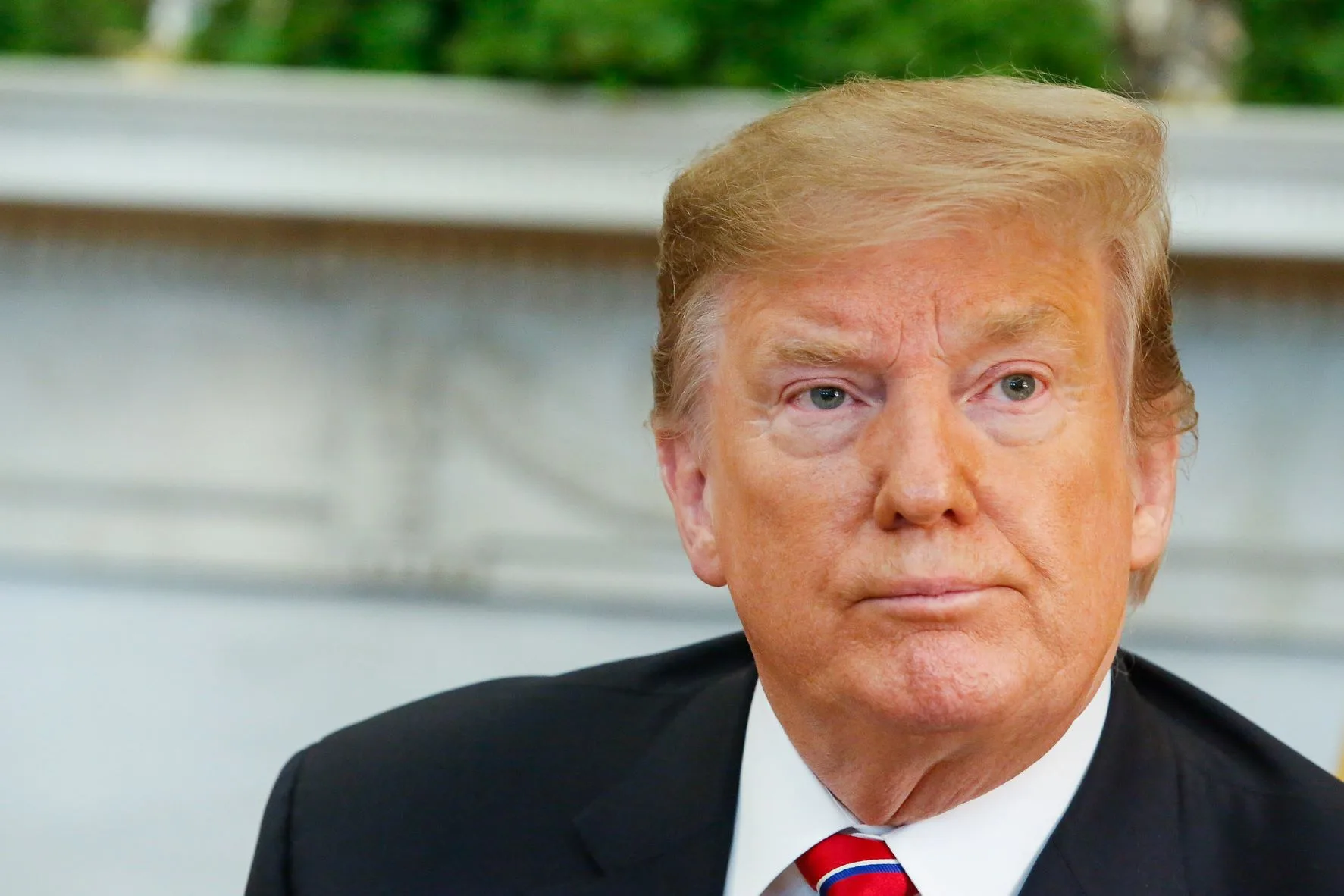
Even after Trump's term ended, many members of Congress from both parties clearly expressed a desire to ban TikTok in the United States. Following the narrative created by the former president, they fear that the Chinese government could pressure ByteDance to provide data on TikTok's 170 million U.S. users.
This brings us to May of last year, when Montana became the first state in the country to ban the platform from operating in its territory. The ban became law after Governor Greg Gianforte signed it. The measure was seen as a kind of "test" for a possible national ban, something members of Congress in Washington had already been requesting.
Will the Law Actually Ban TikTok from the United States?
Under the bill signed by Joe Biden, ByteDance is required to sell TikTok's U.S. operation to a company that is not Chinese. If that does not happen within nine months, the law requires the app to be banned from the country's app stores and servers.
If the app is not sold within the deadline established by the authorities, the U.S. government could prohibit TikTok from being available in Android and iOS stores. Users who have already installed the app will no longer be able to update it or fix problems, while those who have never installed it will no longer find it available.
Even after the law is signed, the process is expected to continue into 2025 because U.S. law includes a kind of "grace period" of around three months after the official document is signed. It is worth noting that the United States will hold a presidential election in 2024 and, if it is in the new president's interest, the bill could return to Congress and be reconsidered.
A New Legal Battle
TikTok has already said that it will challenge the measure and has begun a high-stakes and potentially lengthy legal battle. The dispute will test the company's argument that any such law would violate the free-speech rights of millions of people.
Despite the platform's enormous efforts to stop the proposal—such as instructing users to file complaints about it with representatives in Congress and running ads on the platform itself highlighting TikTok's data-security efforts—lawmakers were not dissuaded in the days before the final vote, and the bill remained alive until President Joe Biden recently signed it.