
In video games, terms such as “Remake,” “Remaster,” and “Reboot” are frequently used to describe different kinds of rereleases of older games. These definitions are not always clear, however, causing confusion. In this article, we will explain in practical terms what each one means, based on the characteristics accepted by the media and a large part of the public.
Below, we have analyzed the meaning of each term and identified their distinctions.
“Remaster” or “Remastering”
This is the most common category—and probably the one you use most—often also called an “HD” version. It refers to updating a game from an older platform to a newer one and may or may not include improvements to its presentation.
The improvements can range from simple aspects such as a higher resolution/FPS to more complex additions, including new features, enhancements to old features, new lighting effects, and more. One striking example is the remaster of The Elder Scrolls V: Skyrim, which brought visual improvements while preserving the experience of the original game and adding existing DLC and mods in a single package. Another highly successful case is GTA V, which received remasters for generations following the PS3, its original console.
Remake: A Reinterpretation of a Work
Unlike a remaster, in which only technical aspects of the game are improved, a remake, as its name suggests, recreates a work from scratch.
A remake thus represents a form of artistic expression that transcends a mere visual update. When a work is remade, every element is reimagined and rebuilt. This encompasses not only the graphics but also the soundtrack, game mechanics, and occasionally even changes to the narrative. The intention is to offer a completely renewed experience while preserving the essential elements of the original work.
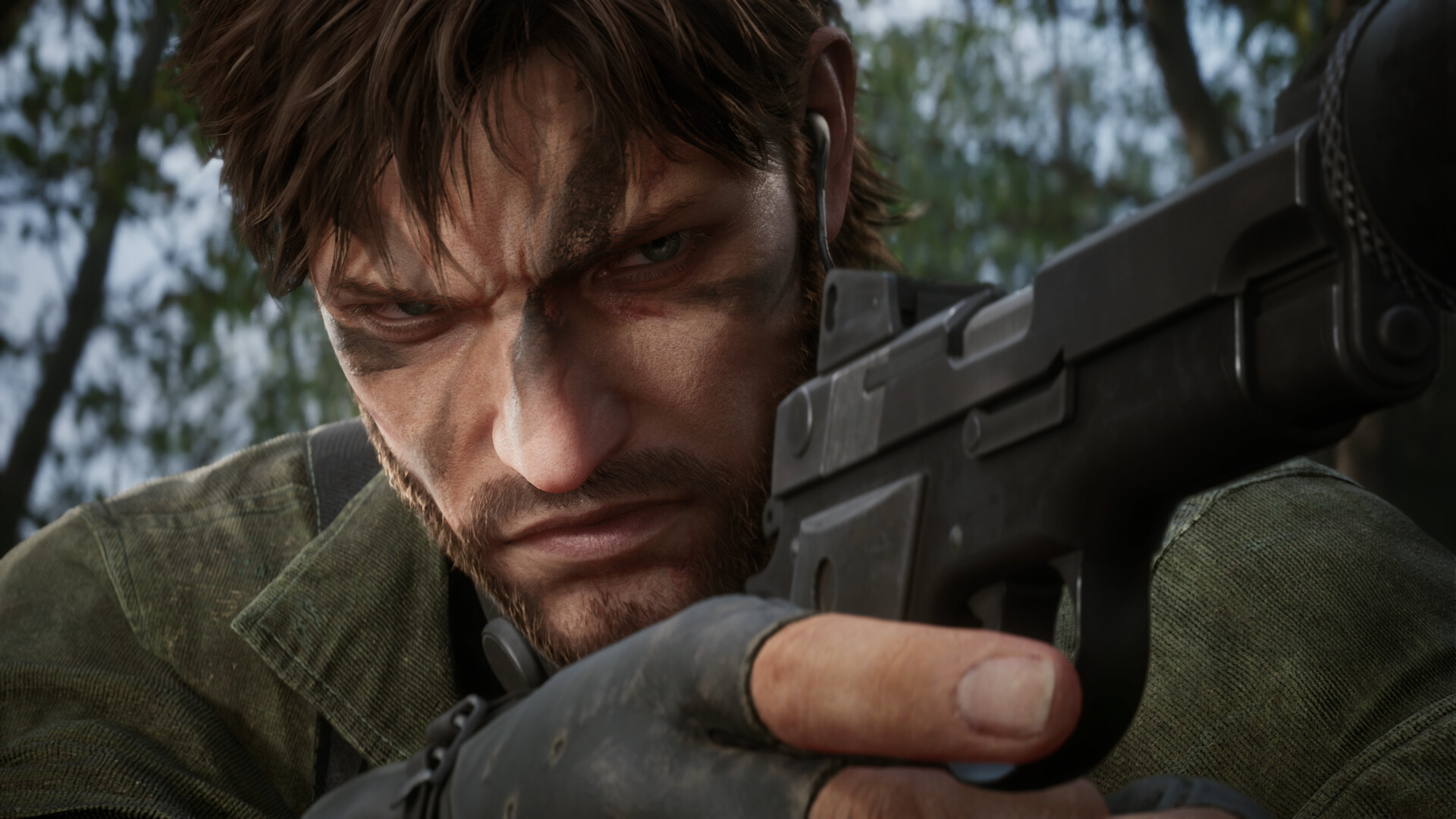
A great example of a remake is Final Fantasy VII, which not only updated the visuals to a modern aesthetic but also expanded and reformulated the narrative in an effort to captivate both longtime fans and a new generation of players. Resident Evil 4 also underwent this process and was highly successful with the public.
Reboot: What Does It Mean?
A Reboot is a restart of a franchise or game series. This means the story, characters, and gameplay are partially or almost completely “recreated” to provide a new experience based on an earlier original series. This can involve a change to the story's atmosphere, the characterization of its cast, or even the setting. The intention is generally to revitalize the franchise to attract a contemporary audience.
And what is the real difference between a reboot and a remake? A reboot involves restarting the franchise or game series, with the story, characters, and gameplay reimagined to create an updated experience. Generally, this means the narrative may be reformulated, the characters may be reintroduced with different traits, and the setting may be significantly altered.
A remake, meanwhile, is a recreation of an old game that remains faithful to several elements of the original work, such as its story or the “core” of its gameplay, for example. In other words, while a reboot seeks to revitalize the franchise with a completely reinvented approach, a remake attempts to preserve the original game's central elements.
In short, a reboot is generally a complete restart of a franchise, while a remake is actually a recreation that remains faithful in several ways to the release on which it was based, bringing possible improvements or new content and being made in a new engine, whatever the case may be. Another example of a remake would be “Crash Bandicoot N. Sane Trilogy.”
A successful example of a reboot, meanwhile, is the 2013 game “Tomb Raider,” which revitalized the franchise with a renewed narrative and game mechanics, presenting a new universe compared with previous games in the series and leading to two other great titles.