Many secrets and facts surround Shadow of the Colossus , developed and distributed by Sony for PlayStation 2. Undoubtedly one of the console's most acclaimed titles, it is an artistically magnificent game, an epic adventure in which we challenge colossal beings in an attempt to save a soulless girl.
With the masters Fumito Ueda as director and creator, Kenji Kaido as producer, and the team that produced and brought us the same “world” as ICO and The Last Guardian, Shadow of the Colossus features battles in a mysterious environment, while questions arise with every new moment of the adventure.
It is interesting to know that this was initially going to be a direct sequel to ICO. The physics and gameplay, the environments, the colossi themselves, and many other things we know nothing about changed over the years of production. Our knowledge therefore includes: ICO, NICO, the final-version demo, and only then Shadow of the Collosus —hold on, we will get there. This incredible work contains a vast number of facts, mysteries, and secrets, and with help from Sheyla Marques, we at Epic Play have brought you this text with details about the work that you may not have known.
The Story of an “Empty” World
Full story spoilers: The story of Shadow of the Colossus essentially concerns a protagonist named Wander and his faithful mare Agro, who invade the “Forbidden Land” to save a girl named Mono, reportedly sacrificed because of beliefs that she possessed a cursed spirit. The game's setting consists of a diverse valley in a mountainous region overlooking the sea to the south. Wander is searching for Dormin, a bodiless entity that, according to his people's legend, can return souls to this world.
Upon arriving at the Shrine of Worship, Dormin—portrayed by two voices, one male and one female—explains to Wander that resurrecting Mono would require him to bring down all 16 idols, which are embodied as colossi and can only be destroyed using the Ancient Sword that Wander stole from Lord Emon.
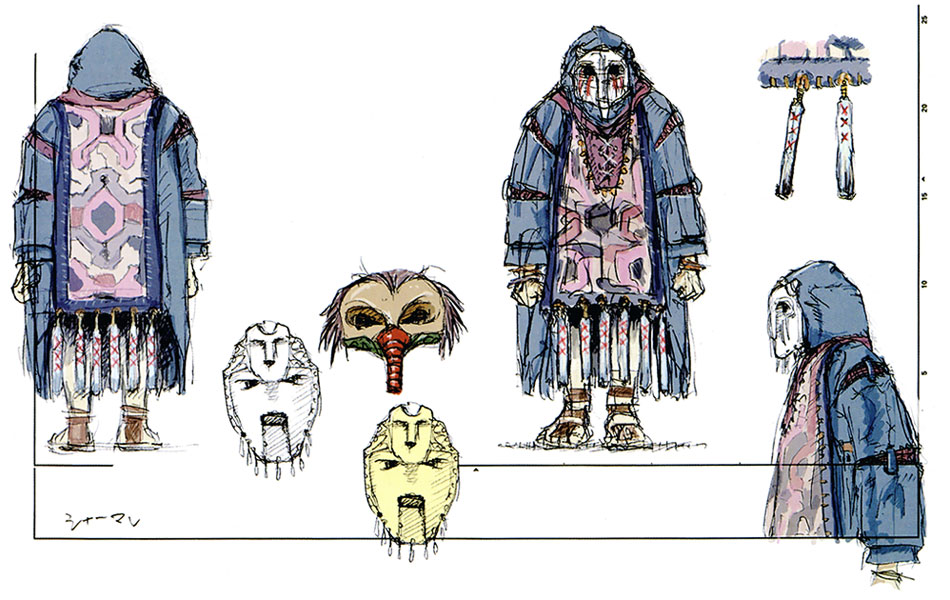
Lord Emon is a respected shaman who commands the power of magic and possesses extensive knowledge of Dormin. At the beginning of the story, he joins several warriors in an effort to stop the protagonist from accomplishing the feat and pursuing his desires.
As the game progresses, Wander's body changes with every destroyed colossus, acquiring marks and horns while Mono takes on a more vivid appearance. But that was not the only price of bringing her back. At the end of the game, Dormin's true intention is revealed: the 16 colossi were not idols limiting its power but seals imprisoning its demonic spirit. The story ends with Wander being possessed and reborn as a horned baby. Mono will apparently care for the protagonist after the ending.
From ICO to Shadow of the Colossus
Let us set aside the PS4 remake of Shadow of the Colossus, because apart from Dormin's secret sword and a silly reference that leaves a The Last Guardian barrel in a cave, it added nothing new to these mysteries—while much was actually "lost" from the original—which is a shame. Many nevertheless speculate that Shadow of the Colossus would in fact be the sequel to ICO, which came earlier in 2001. In the story's timeline, however, the game belongs to ICO and even precedes The Last Guardian.
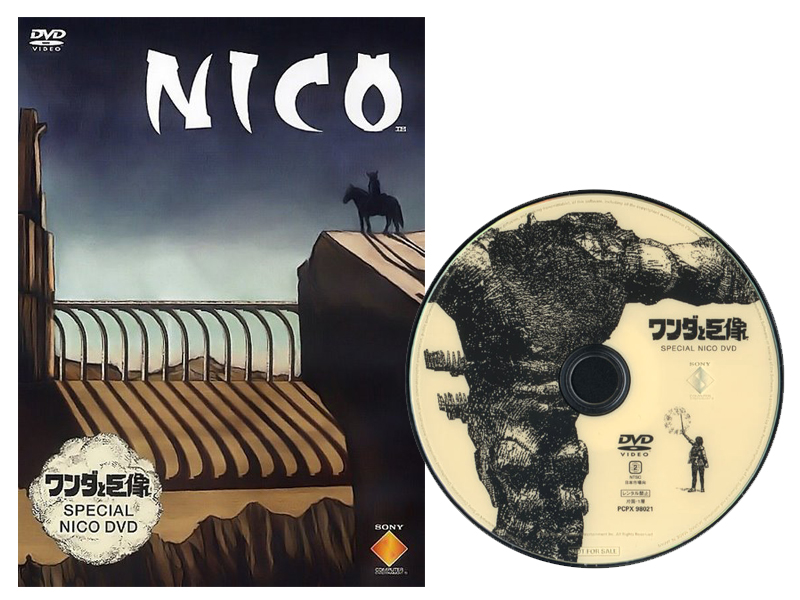
At the beginning of the project, Shadow of the Colossus was called “NICO”—from the Japanese “Ni,” meaning “two.” NICO was developed for PC and presented at an event in 2003, showing mounted characters fighting a colossus. Curiously, the people had horns, just like the protagonist of ICO and, later, Wander. The environment also shows an incredible resemblance to Shadow of the Colossus, though with very flat terrain and only a few rocks.
The mountains existed only to limit the game's environment. Some preorders were even taken in Japan for NICO , which would have been a special edition including a DVD about the project. Fumito Ueda, however, decided to steer this ICO sequel elsewhere, and the project followed a different direction. As a result, NICO was considered the preliminary version of Shadow of the Colossus.
Watch NICO, the "beta" of SotC:
During production, the team changed the game's physics to focus on something much more realistic. For example, players could walk across a colossus depending on the slope of its back or other surfaces, Wander moved and swayed according to the creature's movements, and the mare Agro now had more realistic AI. “A real mare... does not always obey you,” Fumito Ueda said.
Ueda also showed concern for the game's environment, lighting, and color saturation to convey the region's sense of a “forbidden zone,” combining them with the soundtracks to express the character's solitude. Interesting, isn't it?
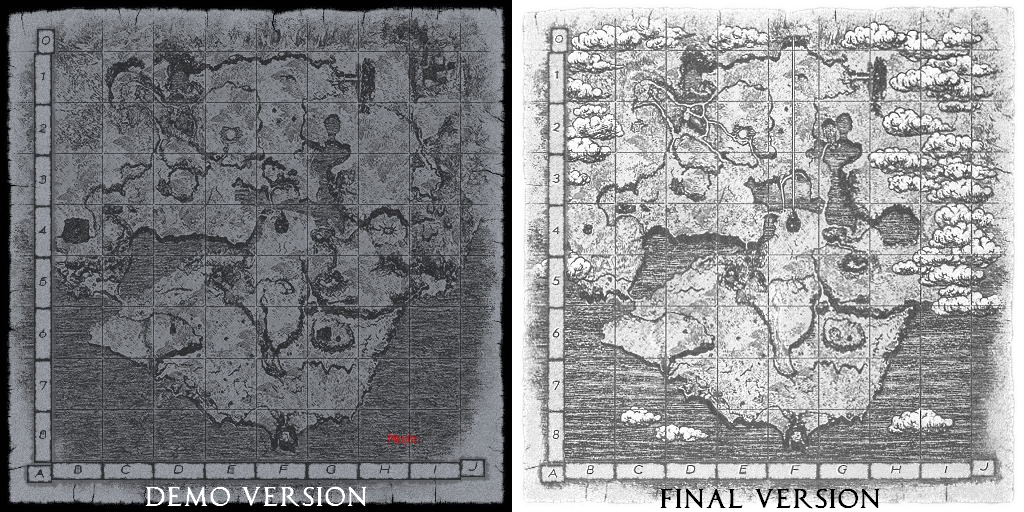
But the changes do not end there. There was also a promotional demo for Shadow of the Colossusitself, through which several of the series' mysteries were discovered. Players with access to the demo could explore the game on a relatively different map and walk through areas that were inaccessible and blocked in the final version.
See this version below:
Only then did we receive the original PlayStation 2 version, which, like it or not, inherits several aspects of the earlier versions and even ICO itself. Today, Shadow of the Colossus takes place in the same setting as ICO , and Wander is an ancestor of its protagonist.
What Was Left Behind in the Beta Version
Removed Colossi
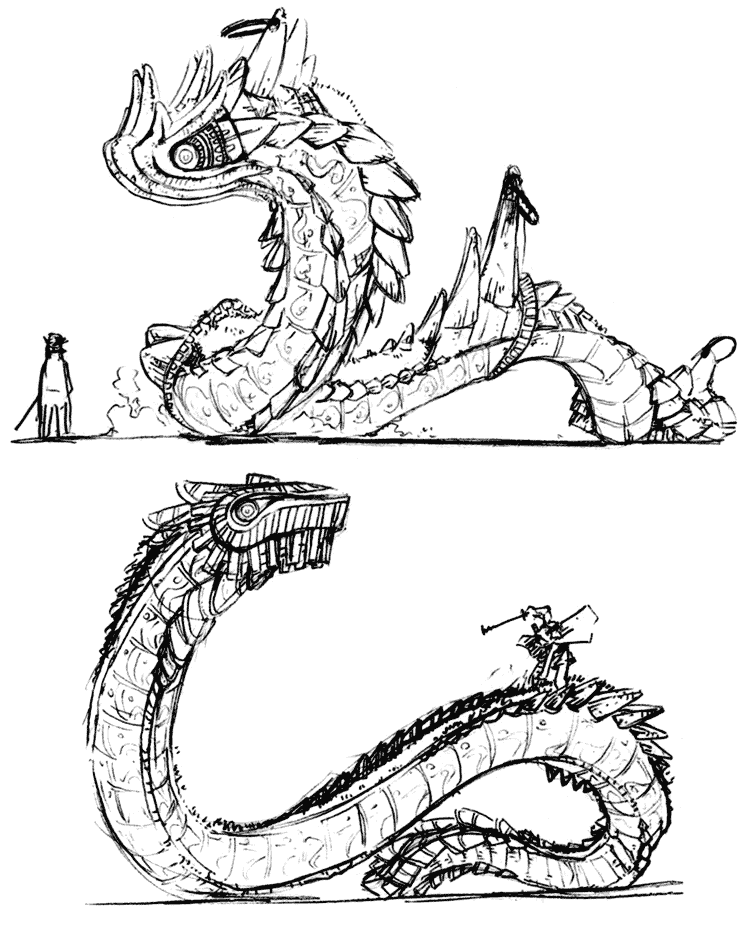
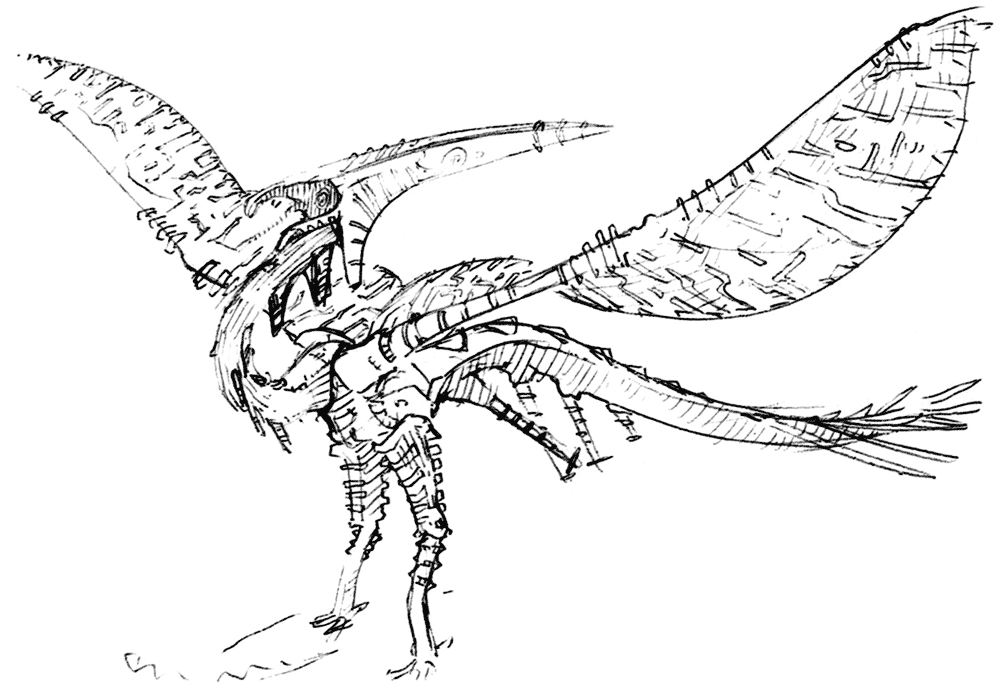
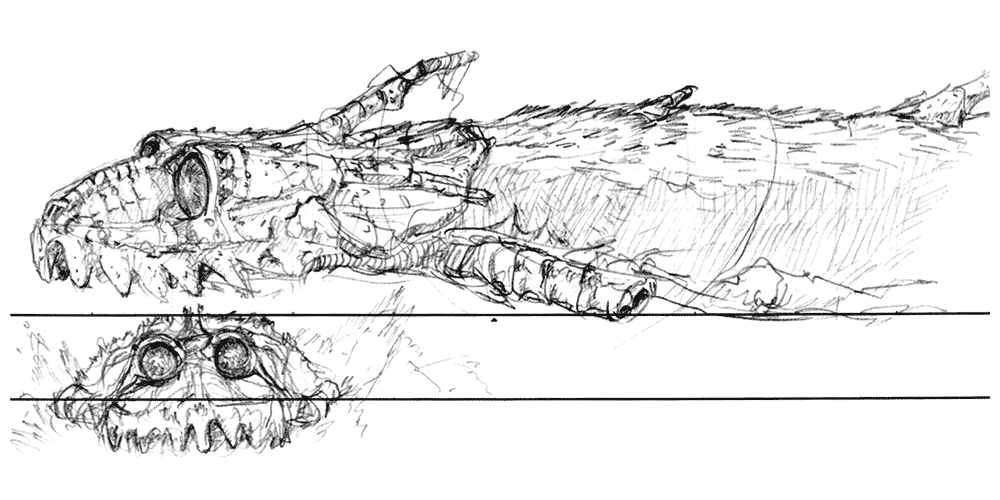
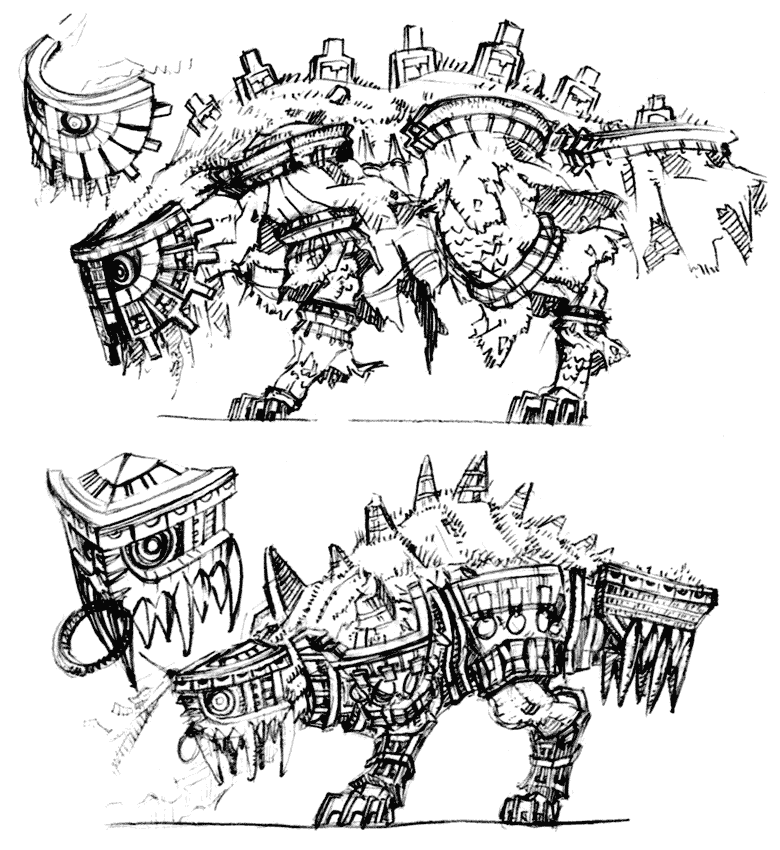
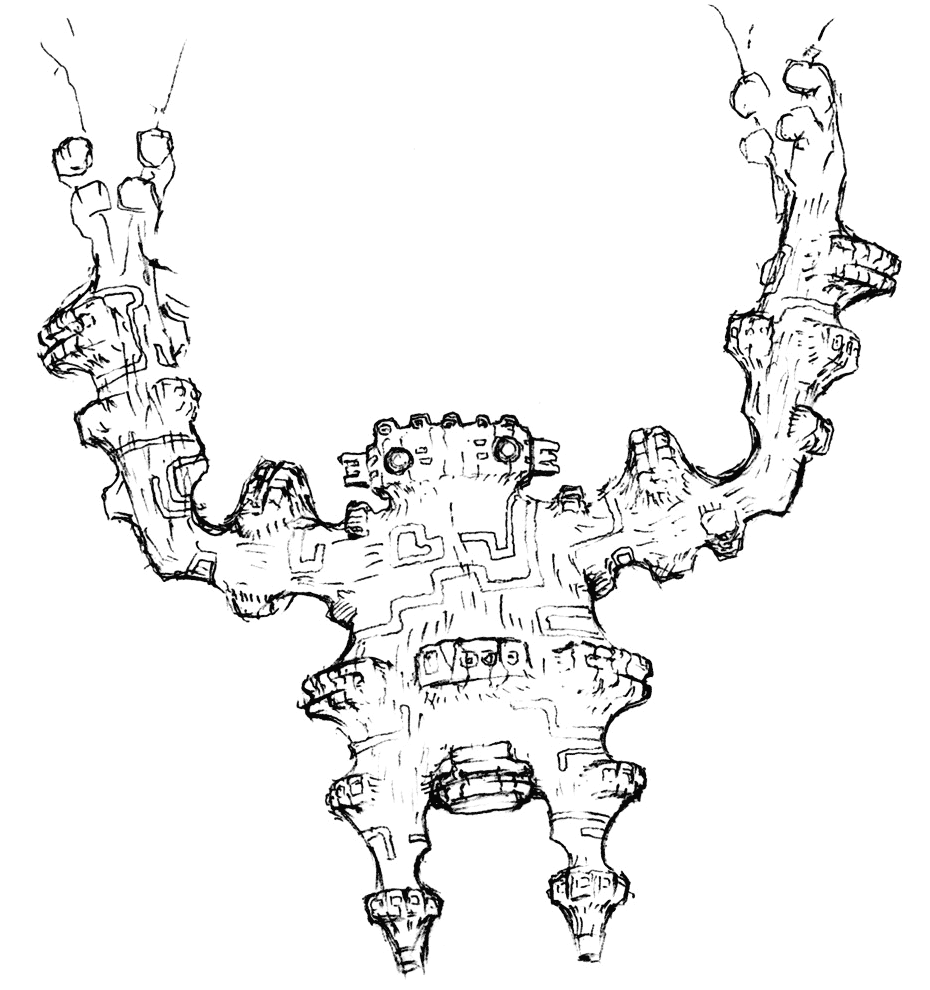
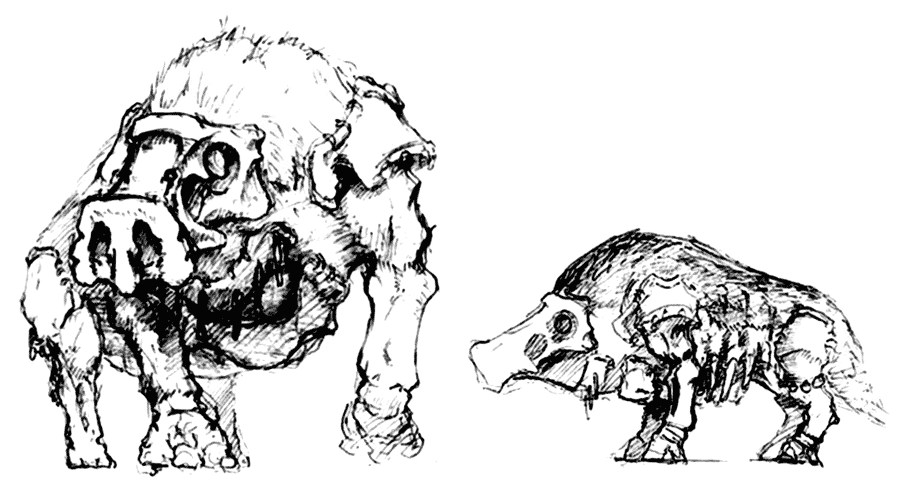
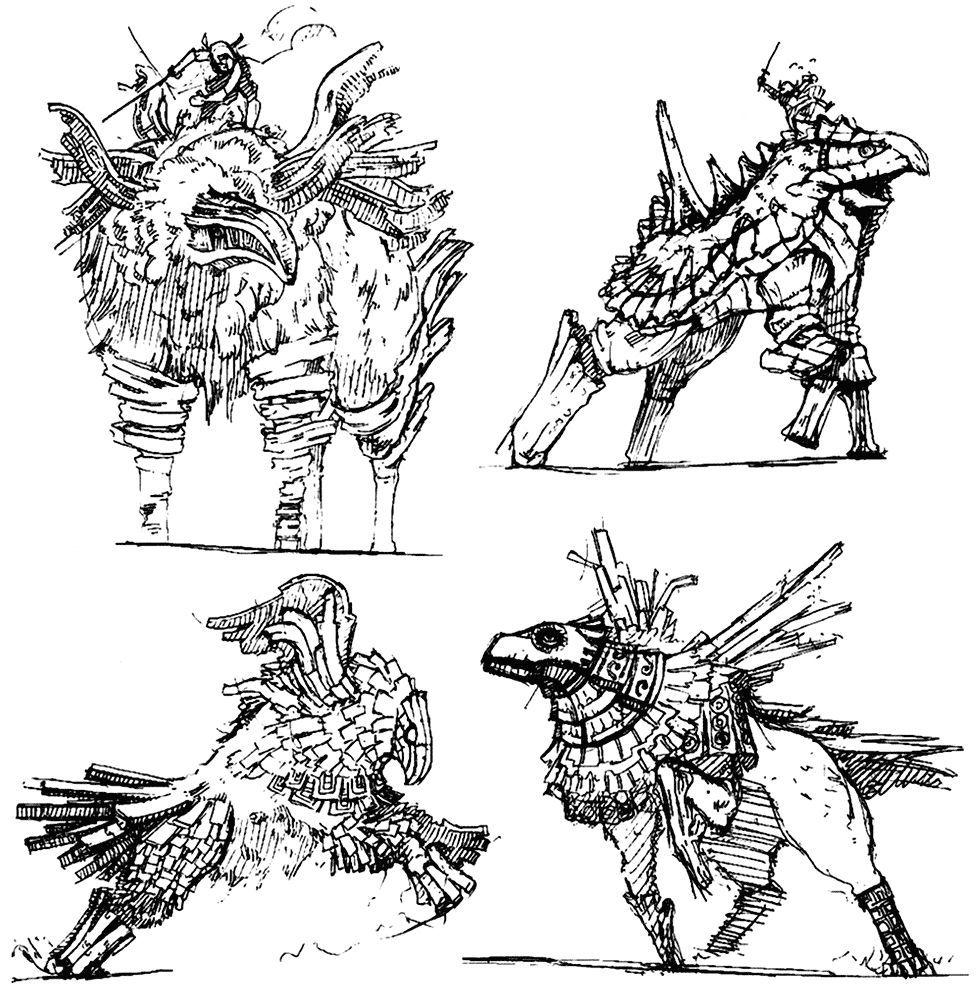
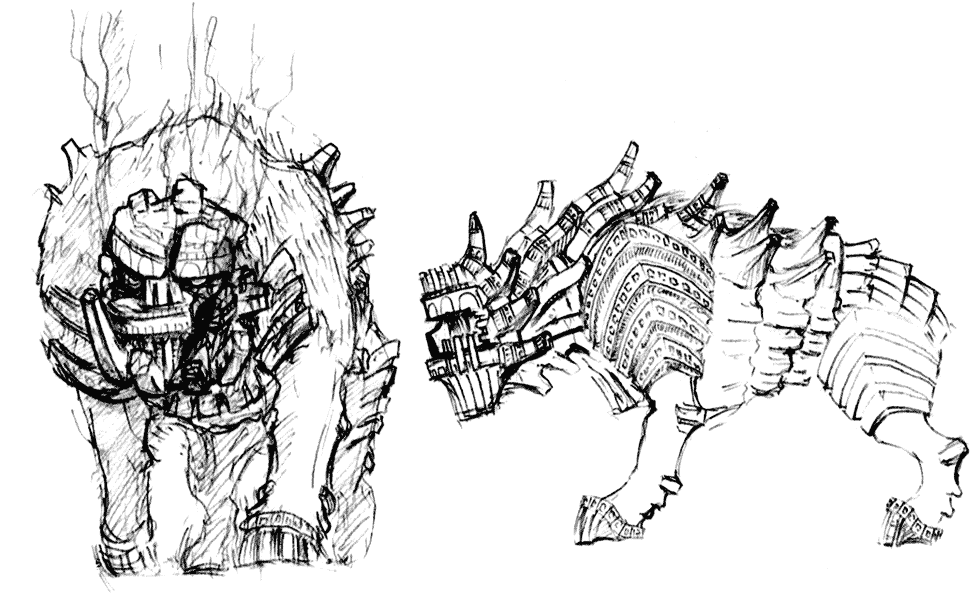
Fumito Ueda had 48 different colossi in mind, with a total of 32 planned for the initial project,NICO. In the final project, 24 were created for Shadow of the Colossus, but only 16 were released. We have images, clues, traces, and several other pieces of information about these colossi.
Certain beta-version files named “dead.sts_cp3” are numbered in sequence, but some numbers are missing: these correspond precisely to the removed colossi. Eight of 24 files were removed from the game. At least their images and information were revealed in the art book. See below:
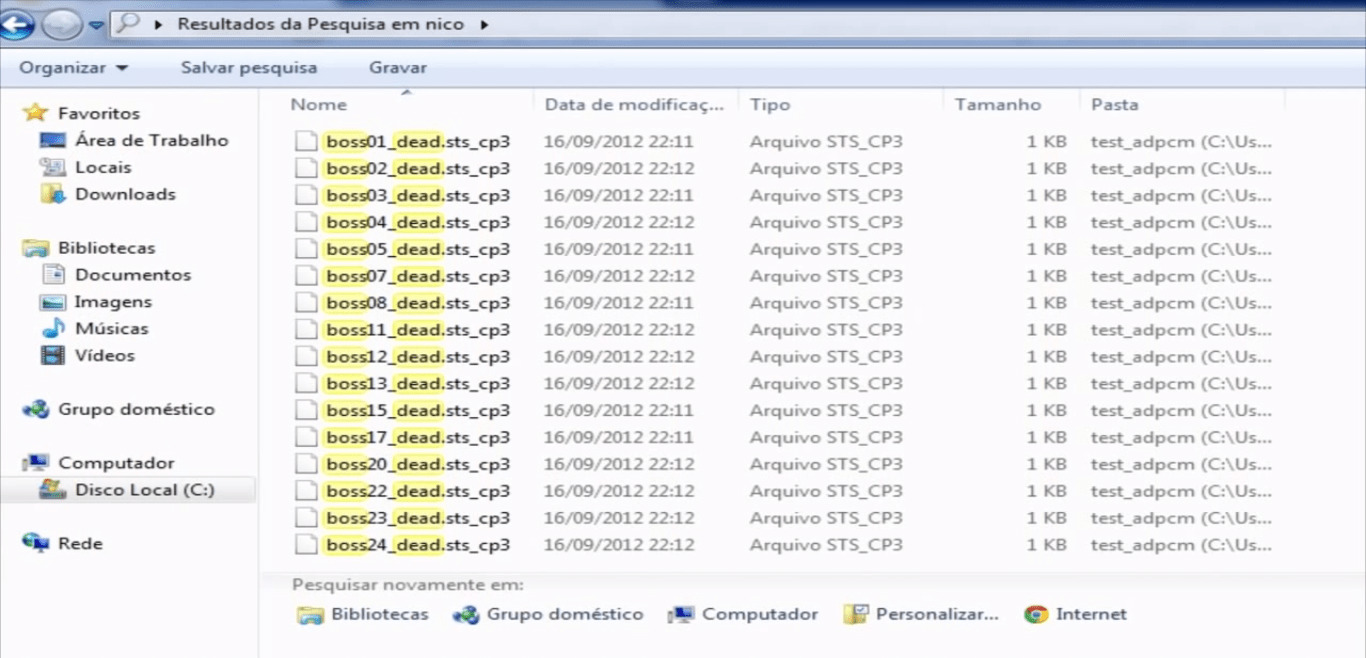
- Devil
Also known as Pholux, this gargoyle-like creature would have been a small colossus. After enraging it, players would have needed to use the grass to hide and then climb onto its back.
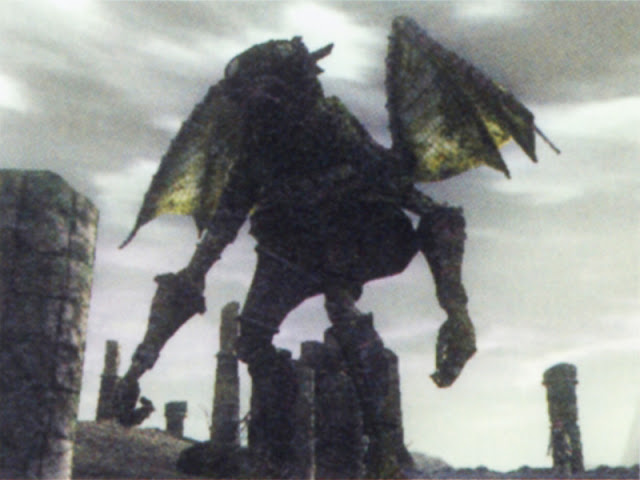
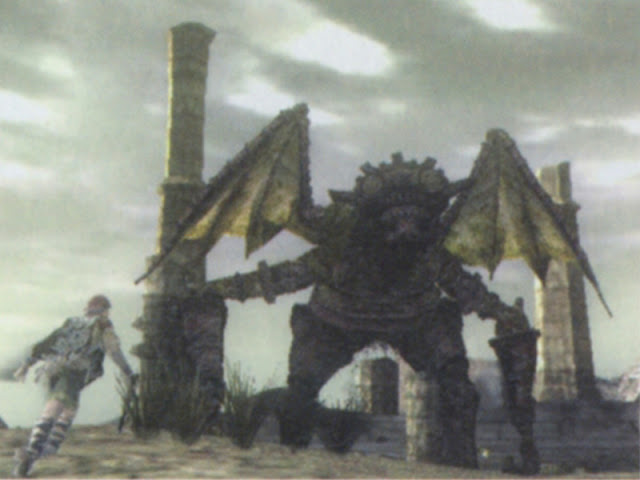
- Griffin
Named Kyos by fans, it could have been fought using Agro, and its weakness would have been a fear of fire. Although the name "Griffin" refers to a griffin, it could not fly, and the rumored reason for its removal was that the battle became overly repetitive and frustrating because it was difficult to remain on top of it.
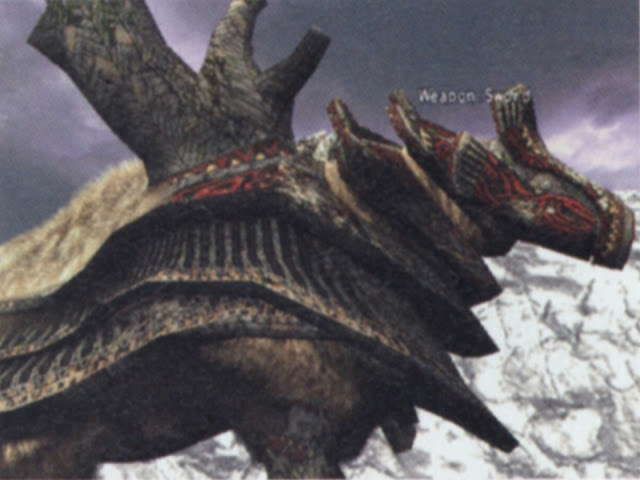
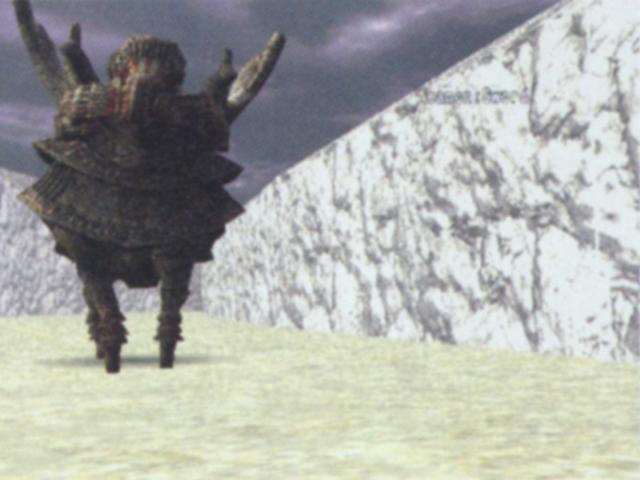
- Monkey
The so-called Monkey would hang from a cave ceiling, and Wander could attack it when it fell, though it is not known how. Monkey would probably release its grip to attack the player.
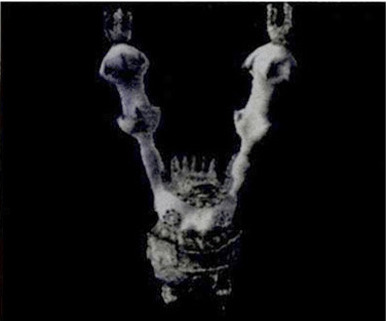
- Phoenix
Also called Adar Flam, it resembles an ostrich more than a phoenix. Its body would nevertheless become engulfed in flames, and climbing onto it would require sinking it in a lake.
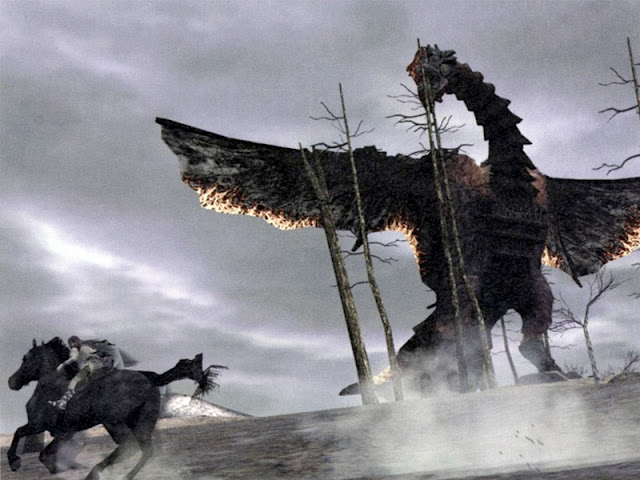
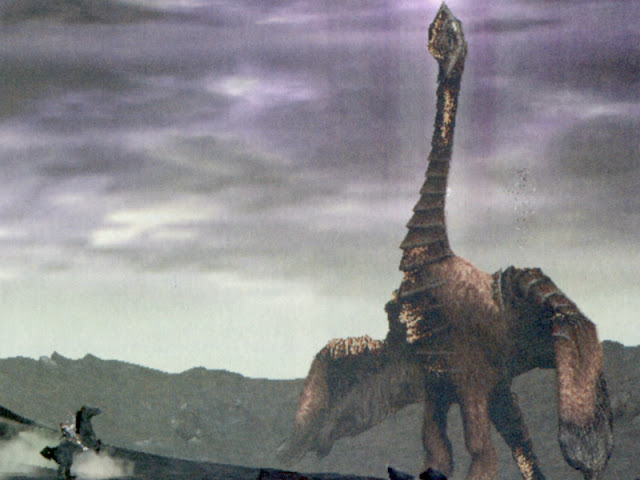
- Roc
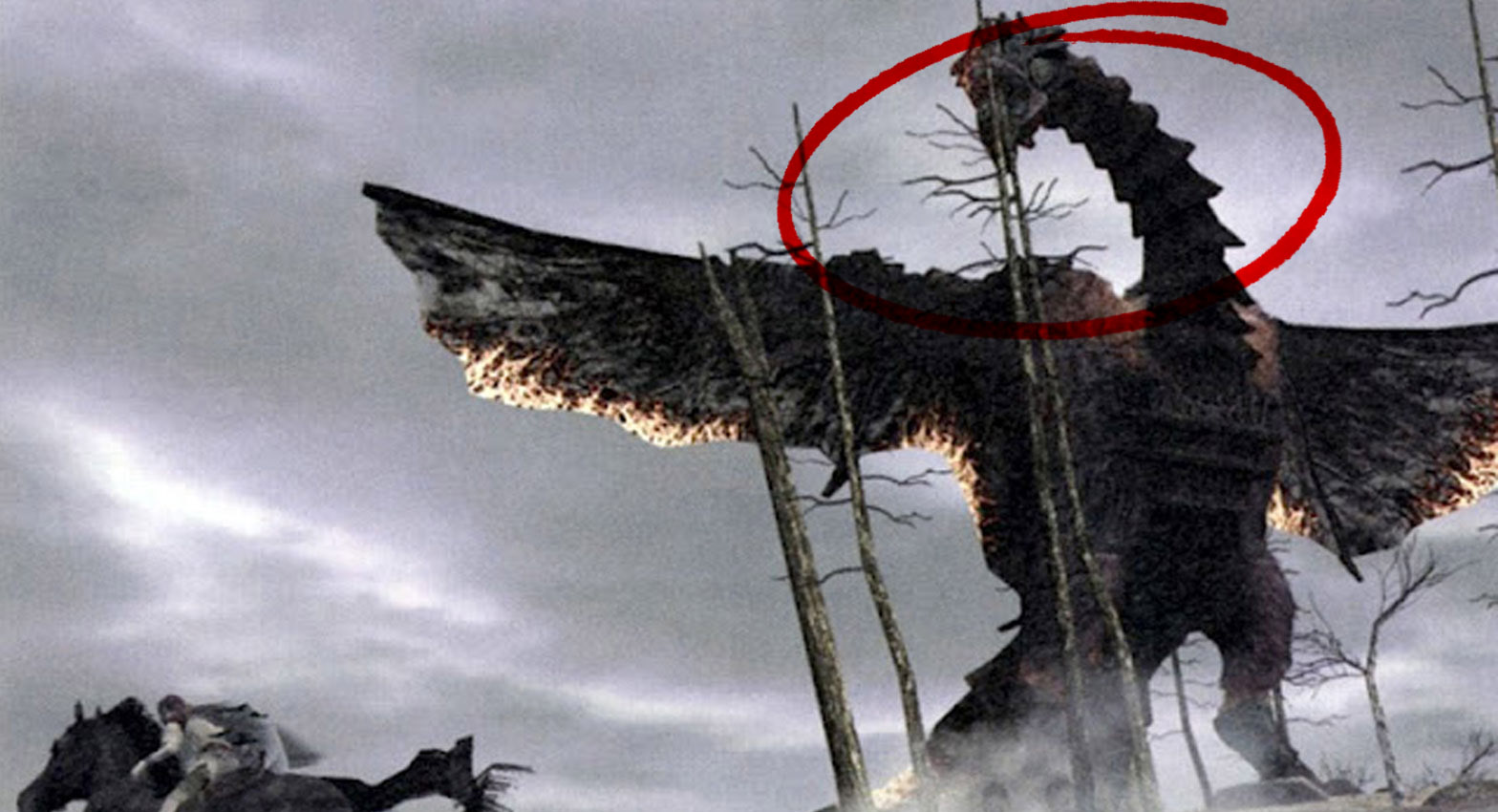
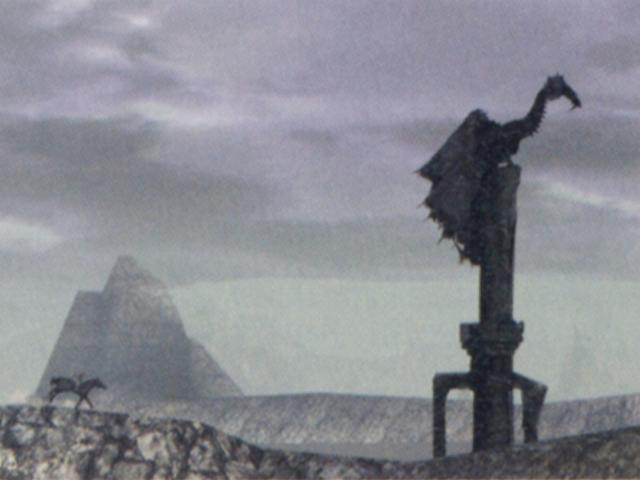
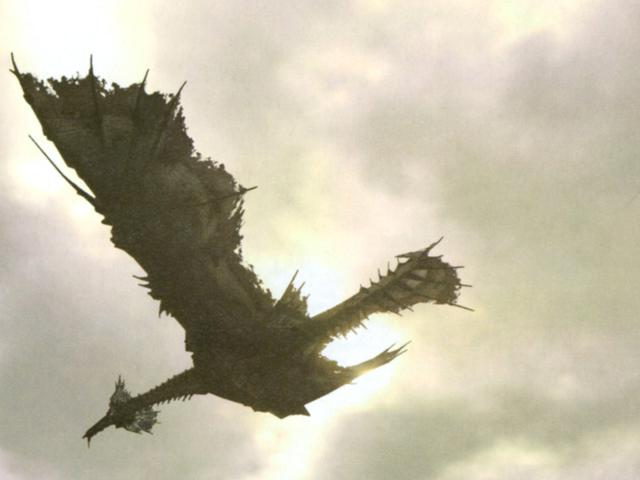
Also known as Avus or “Black Bird,” it is the most famous removed colossus because it appears in one of the final game's own trailers. Players would bring it down with a bow and Agro's help. It may have been removed because it looked too much like two other colossi: Phalanx—the sand serpent—and Avion—the fifth colossus, which resembles an eagle. Watch a few-second video of this colossus below.
- Sirius
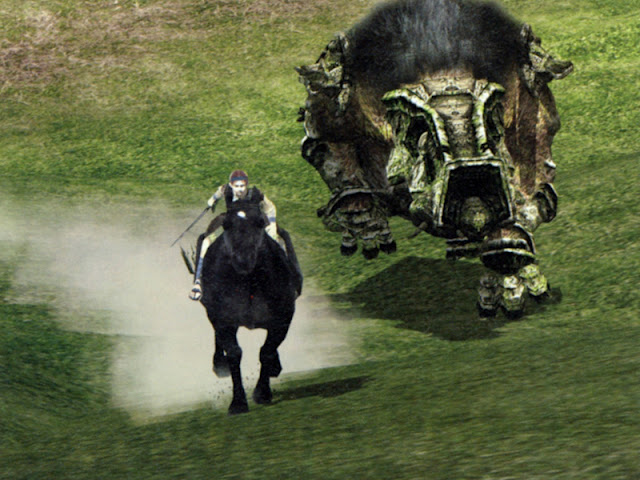
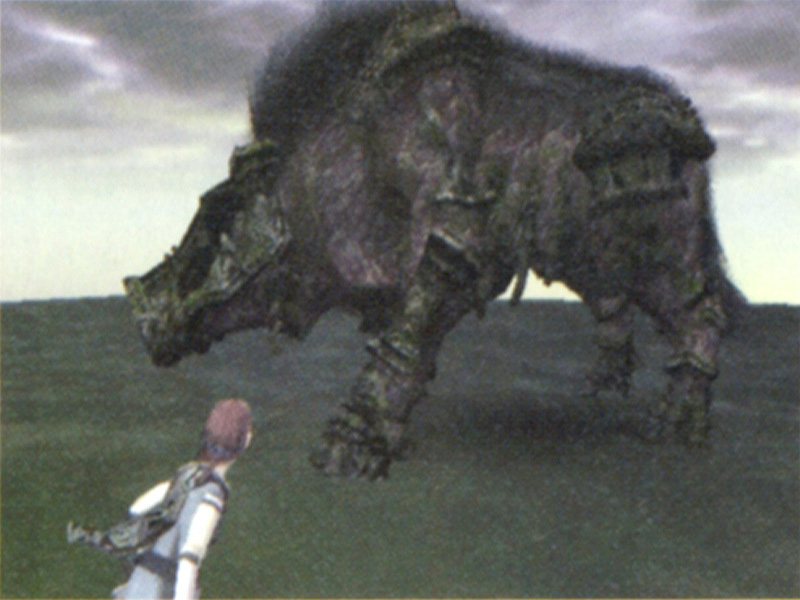
It would have been a relatively small, highly aggressive colossus. Resembling a boar, it would have an open arena with few obstacles, so the player would need to trap it against nearby stone monuments, some in the same style as those seen in the current game.
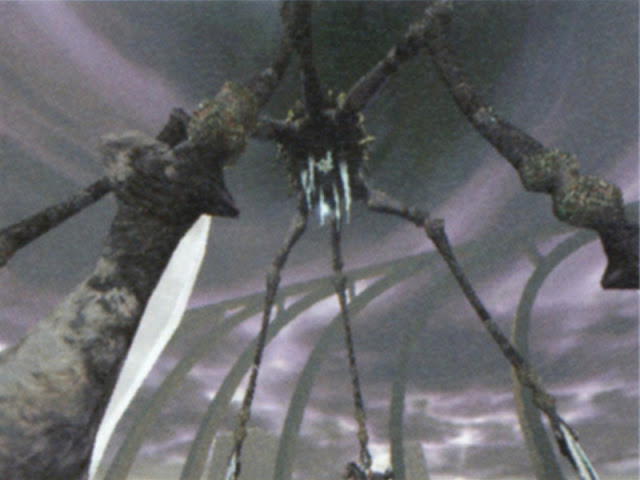
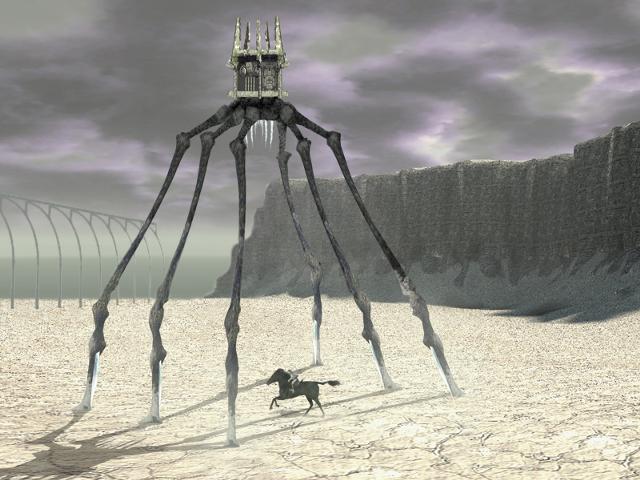
- Spider
Called Aberth by fans, this colossus had the strongest reasons for removal. According to Fumito Ueda, facing it would require an exclusive attack. There was also the matter of its immense difficulty: its weak points would be on its legs, and players would need to use Agro to strike them with the sword. Agro's gameplay would not help much, while the colossus would also have an instant-death attack when it struck precisely with its legs.
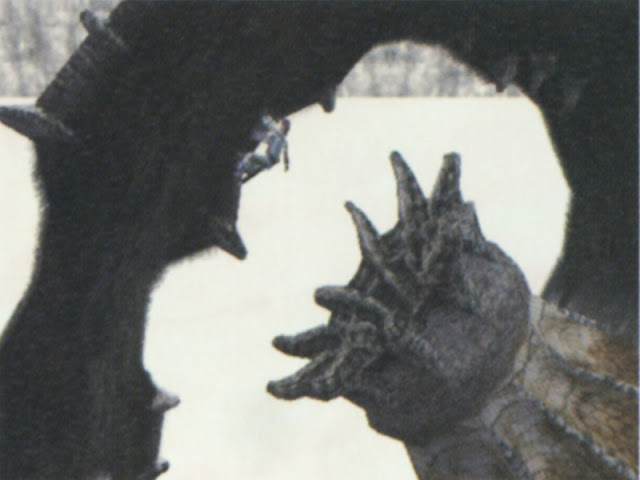
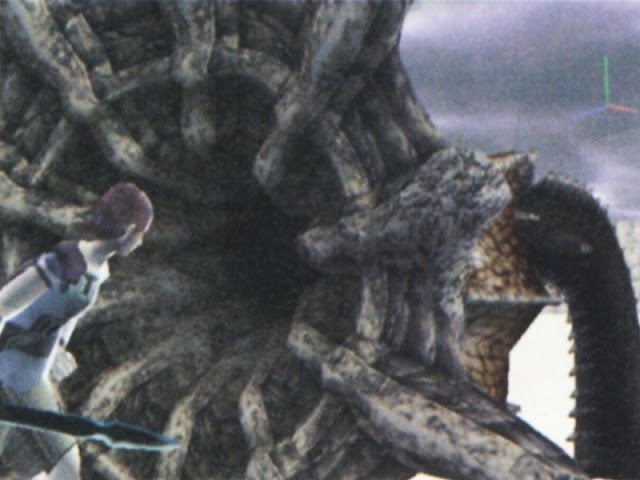
- Worm
And finally the last one, also named Dionin. Little is known about it. Its removal is also speculated to have resulted from its difficulty, since it required a very large arena and its weak point would probably have been in its own mouth, which was essentially how it attacked.
- Possible Arenas
Dozens of videos are available online showing hacks that somehow explored, and continue to explore, regions that were still under development or could have served as other colossus battle arenas beyond the 16 we know. Some of these regions can only be found in the demo version, while others are scattered across the map of the current Shadow of the Colossus .

- Extra Attacks and Elements
The demo includes an exclusive attack that lets players strike with the sword while riding. This attack would probably have been used against some of the removed colossi, especially Spider, according to speculation.
Another interesting element present in the demo and later removed is the “Eye of the Colossus,” which would have functioned as an extra camera. It would let players see the field of view of the colossus they were fighting.
What Is in the Final Version?
- Secret Garden
The Hidden Garden is at the top of the Shrine of Worship, the sanctuary where the game begins. Behind the temple is a mossy path along the wall that you can climb. It is a difficult journey, however, and before ascending you should collect as many white-tailed lizards as possible from various places around the map. There is no point trying to climb without a large stamina meter, because you will not make it. At the top are the so-called Forbidden Fruits, which, unlike the others, reduce your HP bar if eaten.
There is considerable speculation about an alternate ending connected to this. The theory is that collecting every fruit and white-tailed lizard on the map, then climbing to the Secret Garden, eating the Forbidden Fruits, and fighting the final colossus would unlock a different ending. This does not appear to be truly possible. Rest assured that many people tried and never managed to prove such an ending.
In the PS3 version, reaching the Secret Garden earns you an achievement trophy.
• Extra Modes
Finishing the game for the first time unlocks three new modes:
– Hard Mode: The difficult mode. Here, the colossi have more vital points, are sometimes even harder to reach, and require more strikes.
– Reminiscence Mode: After defeating a colossus, you can visit its area and activate this mode to fight the creature again.
– Time Attack: Fight every colossus within a set amount of time.
• Unlockable Items
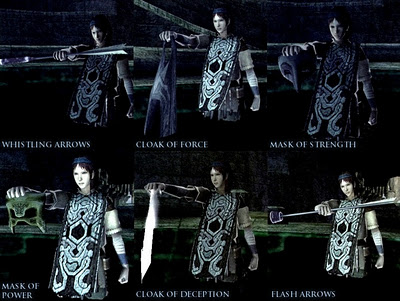
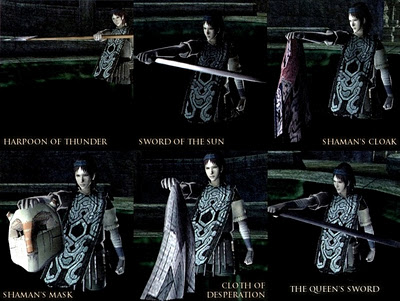
Every two colossi defeated in Time Attack unlocks a secret item, which varies according to your selected difficulty. The items, in order and with their names translated:
Normal Mode:
1 - Sound Arrow;
2 - Cloak of Force;
3 - Mask of Force;
4 - Lizard-Detecting Stone;
5 - Fruit-Detecting Branch;
6 - Mask of Power;
7 - Cloak of Invisibility;
8 - Explosive Arrow.
Hard Mode:
1 - Thunder Harpoon;
2 - Sword of the Sun;
3 - Fruit-Detecting Branch;
4 - Shaman's Cloak;
5 - Lizard-Detecting Stone;
6 - Shaman's Mask;
7 - Cloth of Desperation (parachute);
8 - Queen's Sword (the sword from the game Ico).
- Different Agros
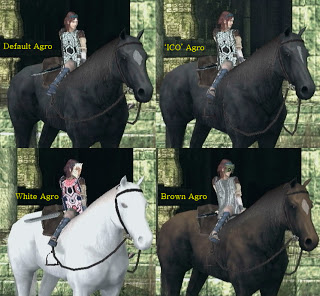
Agro can also be unlocked in other forms:
Ico Agro - If you have a save file from ICO on your memory card, an Agro with an “I”-shaped mark on its forehead will be unlocked when you create a new game. Not confirmed on PS3.
Brown Agro - Defeat all 16 colossi in Normal Mode with Time Attack. Then go to the initial screen, hold Square, and press X.
White Agro - Defeat all 16 colossi in Hard Mode with Time Attack. Then go to the initial screen, hold Circle, and press X.
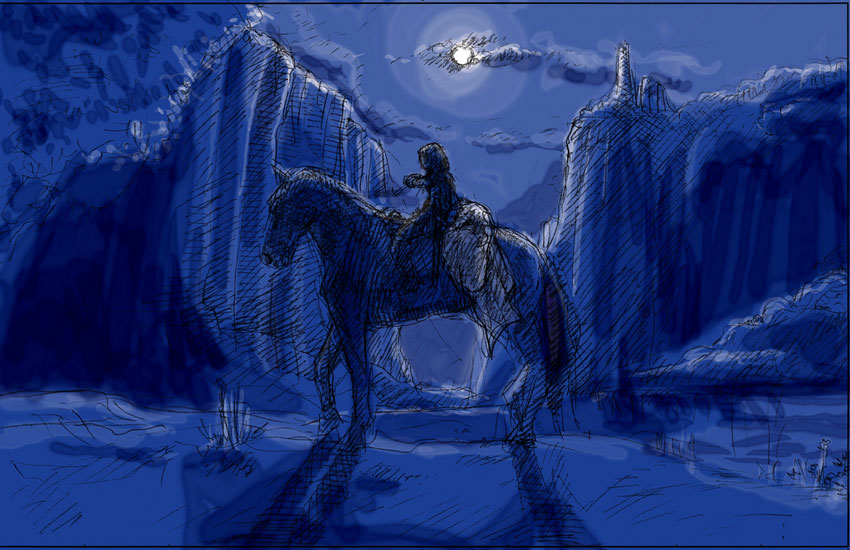
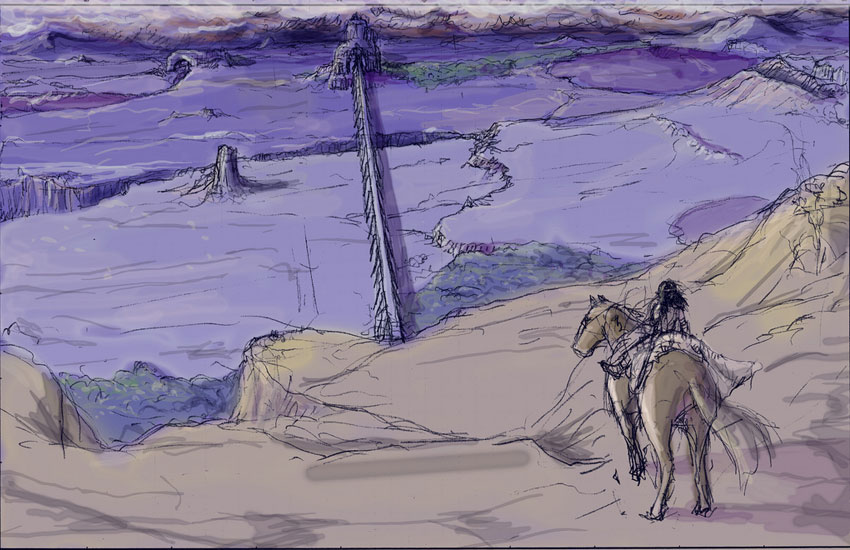
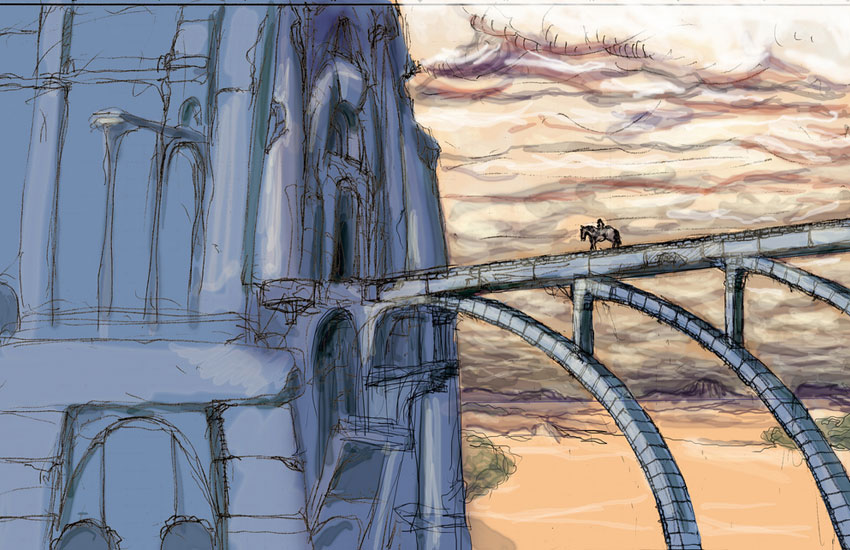
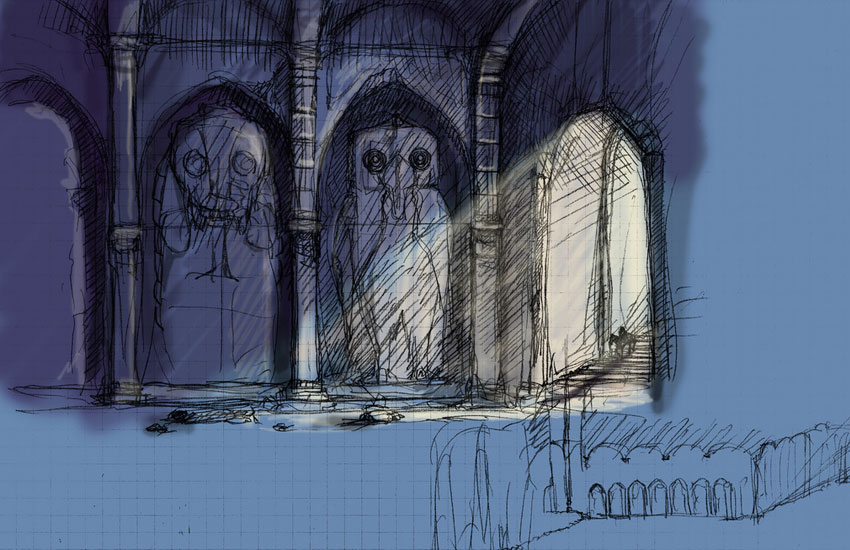
Concept Art
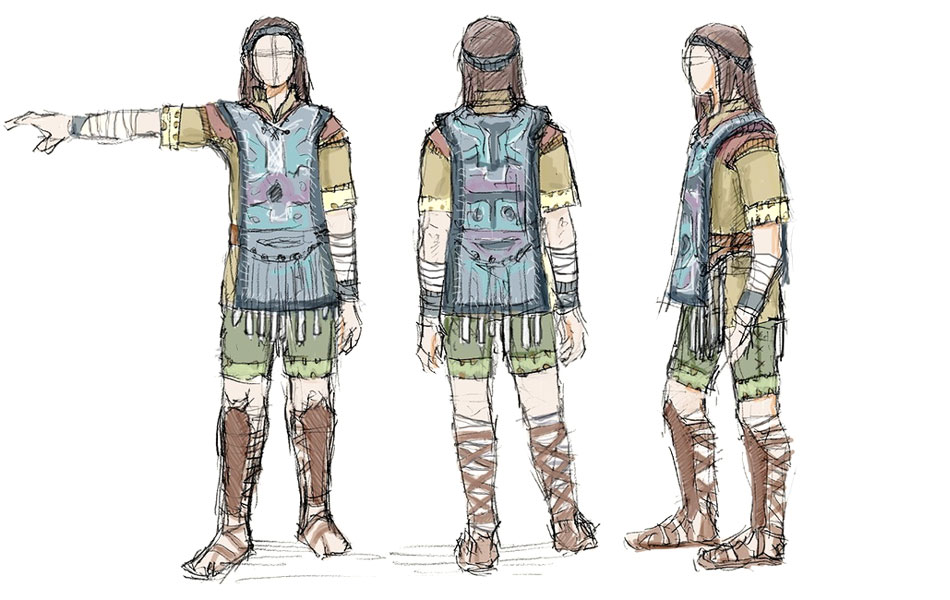
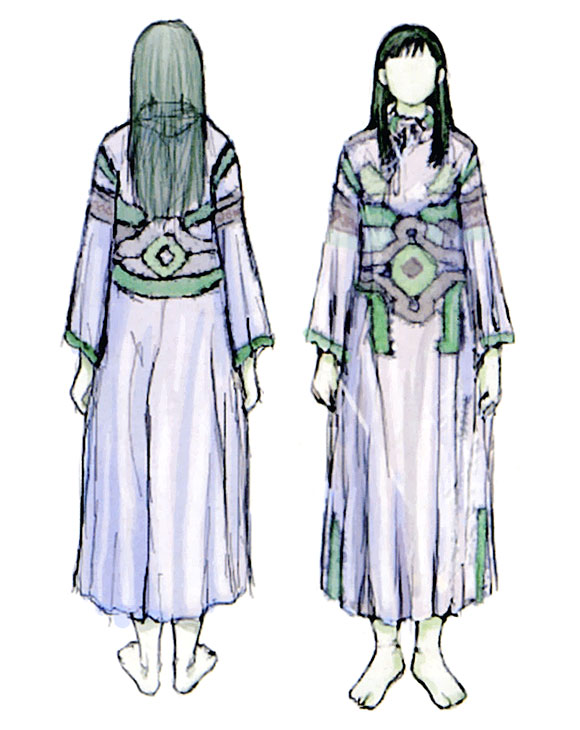
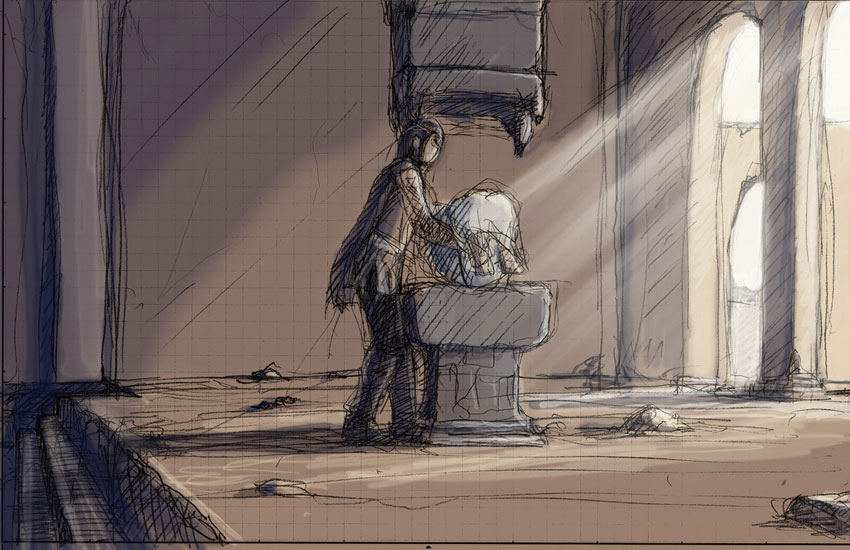
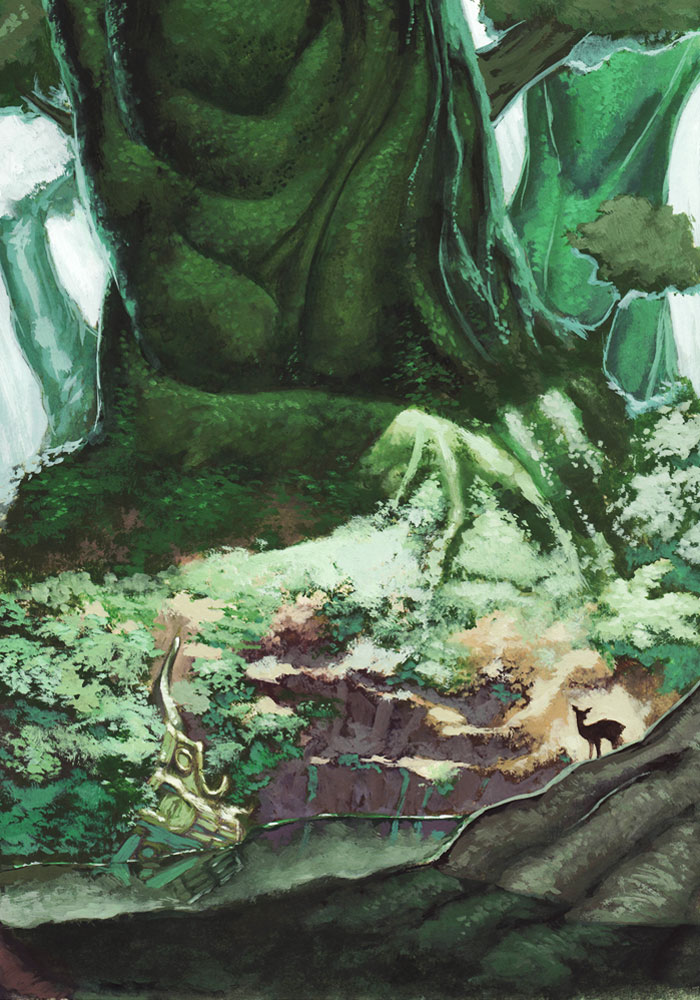
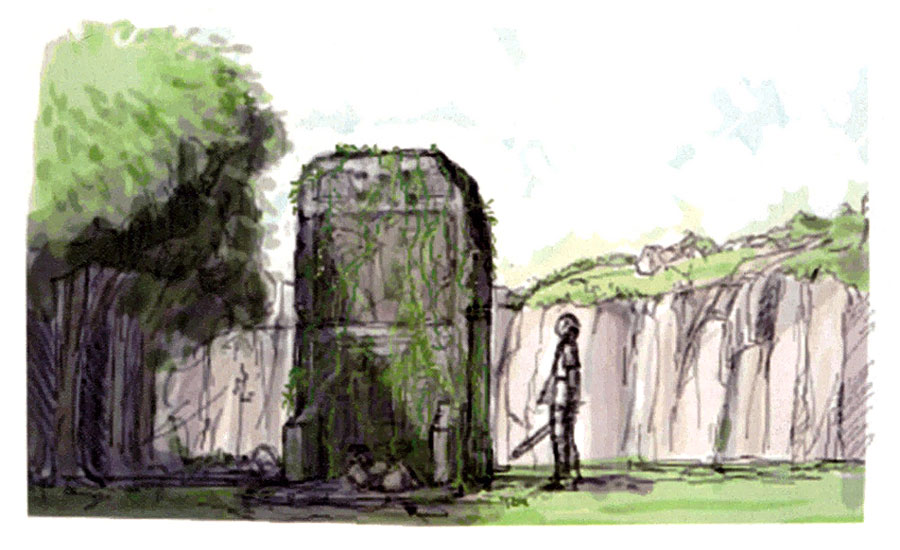
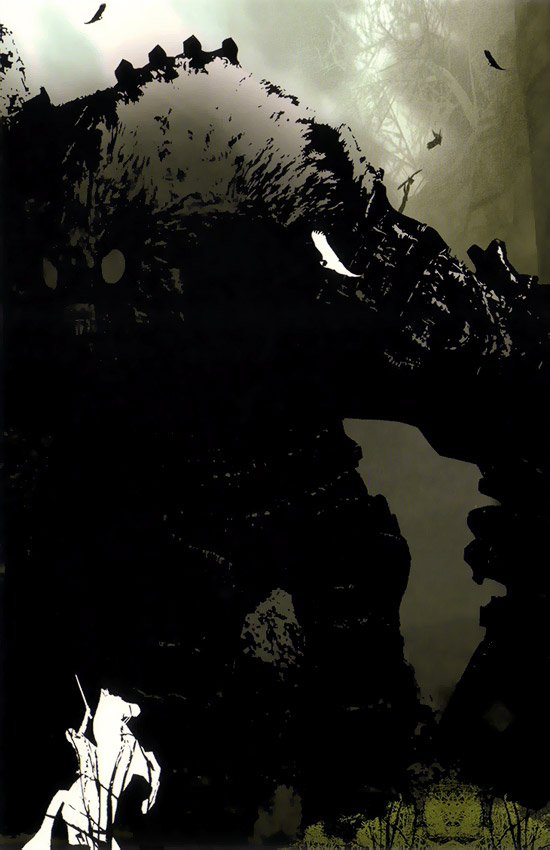
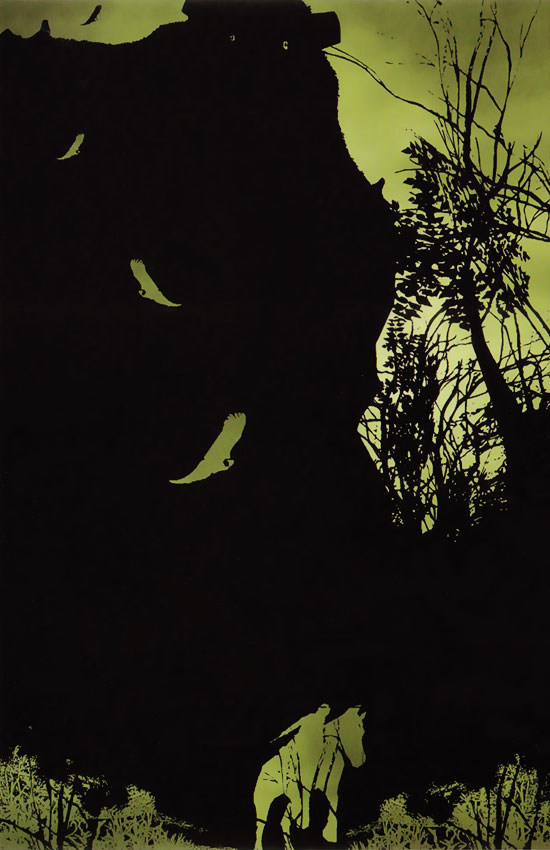
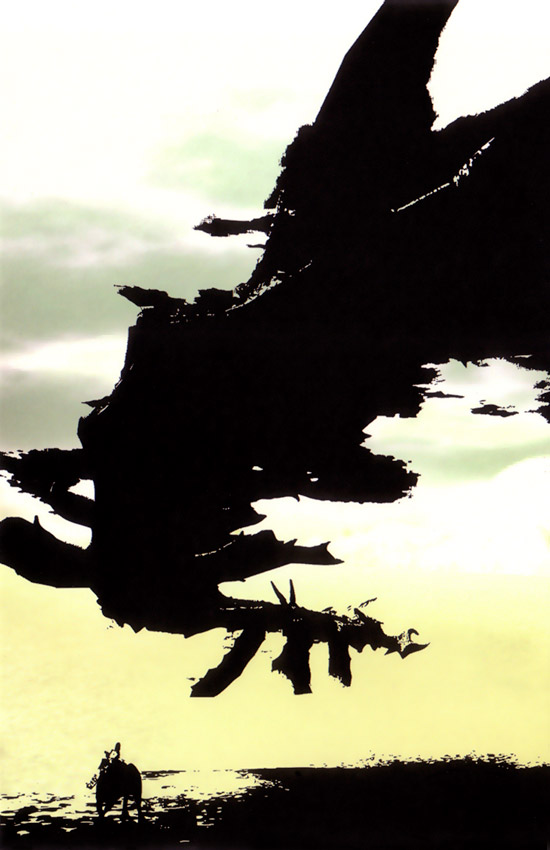
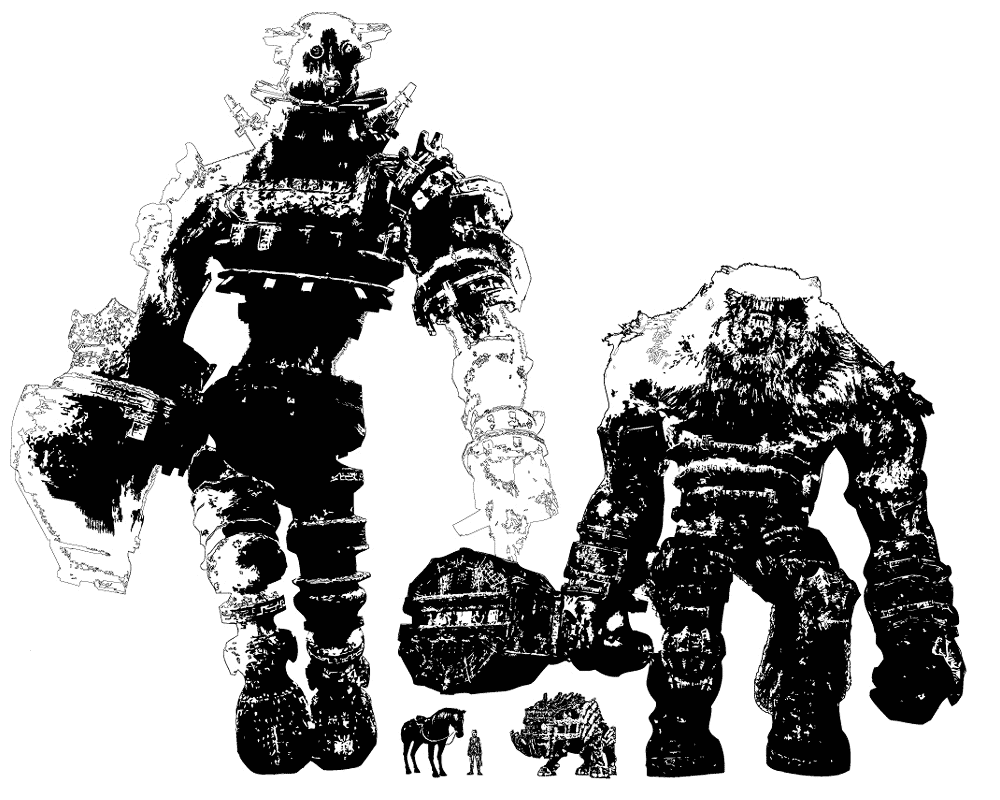
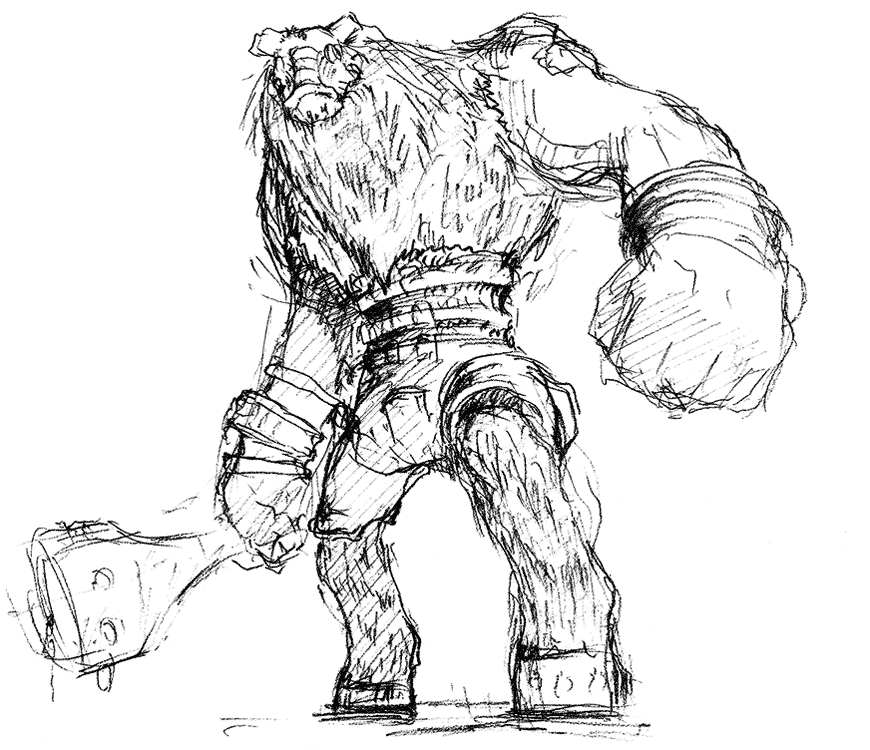
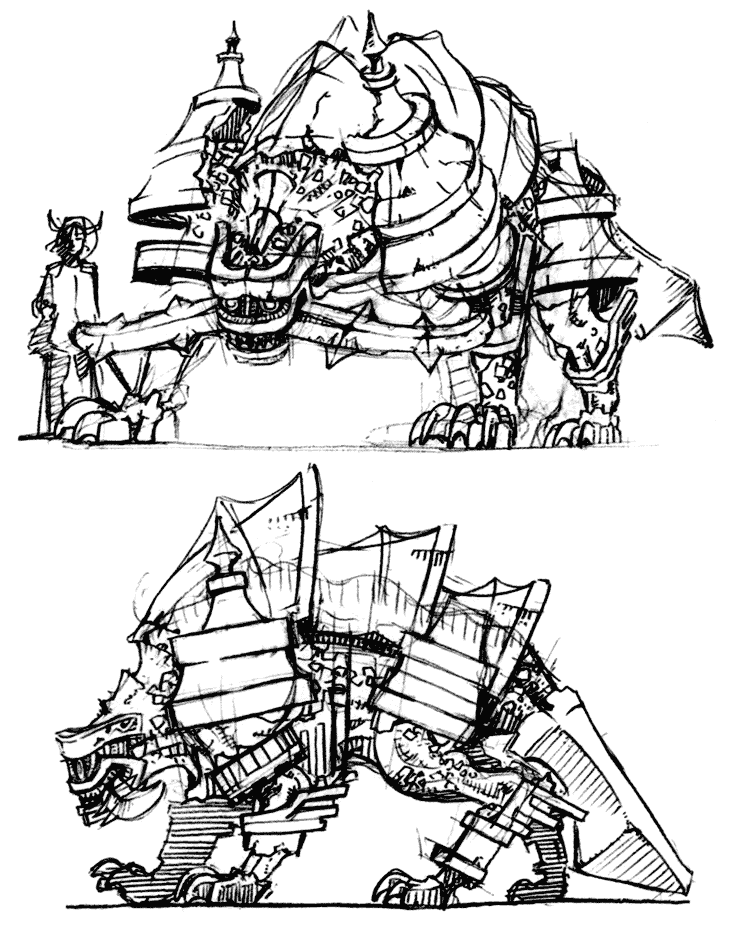
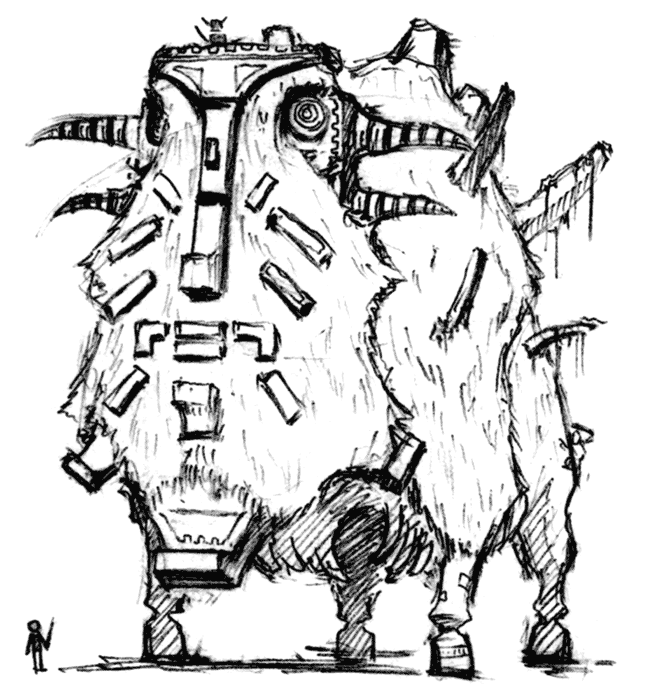
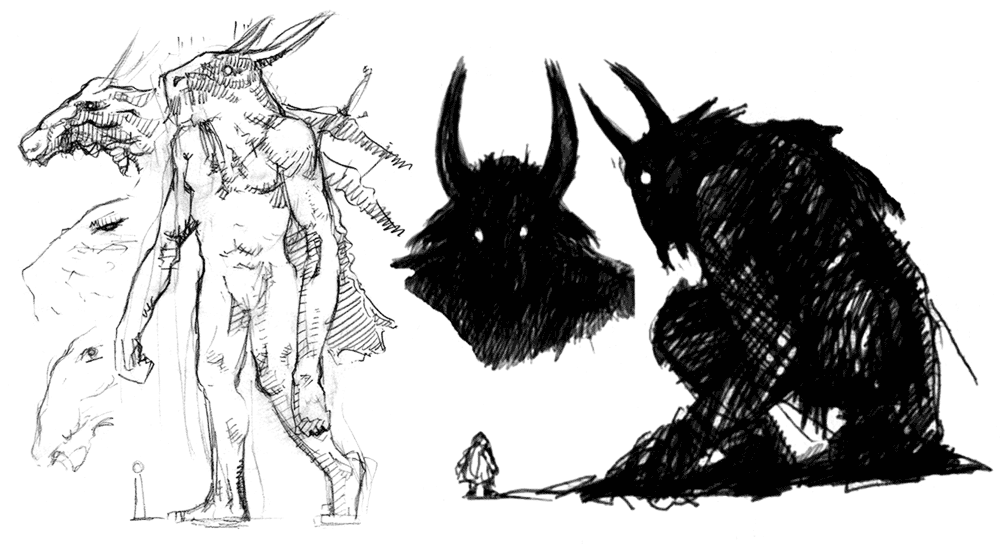
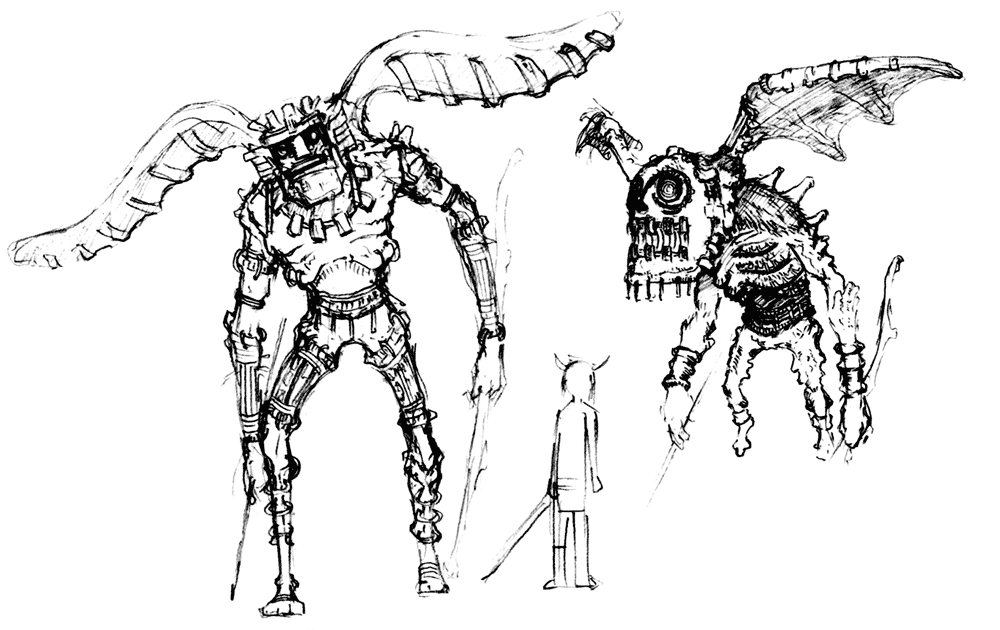
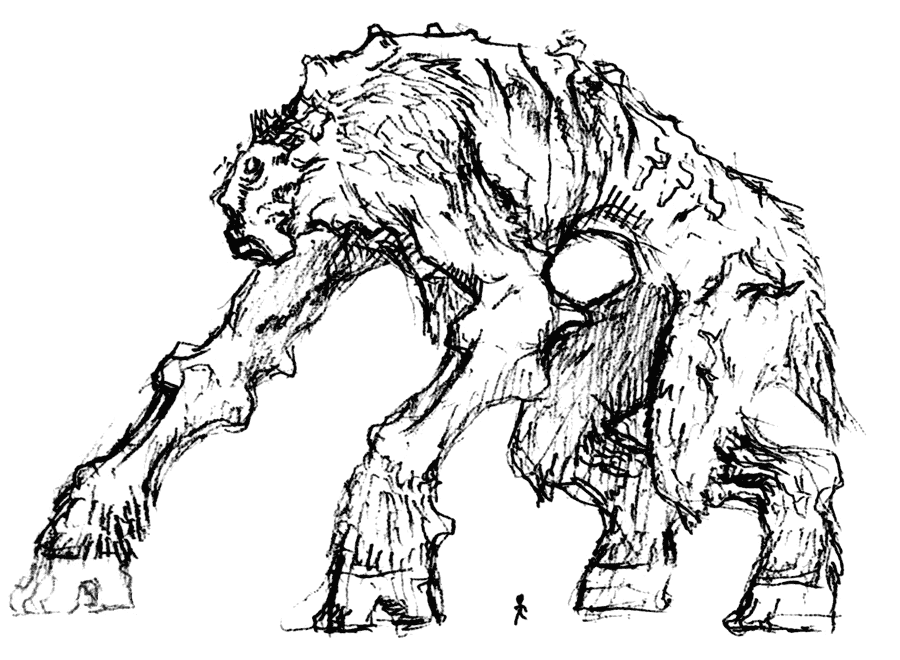
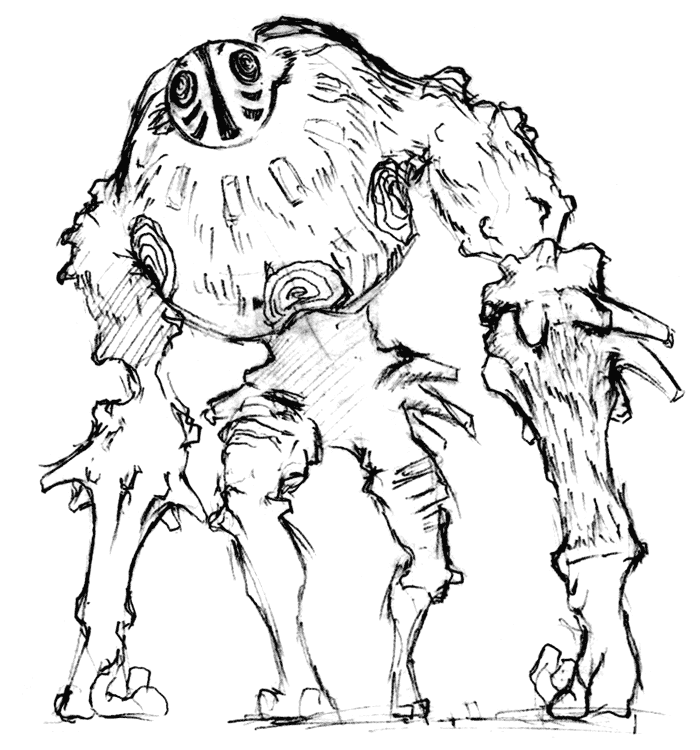
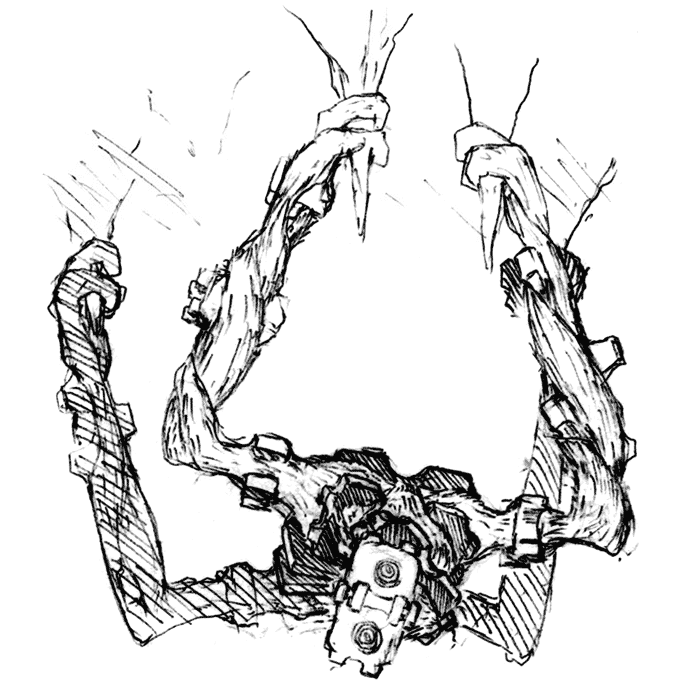
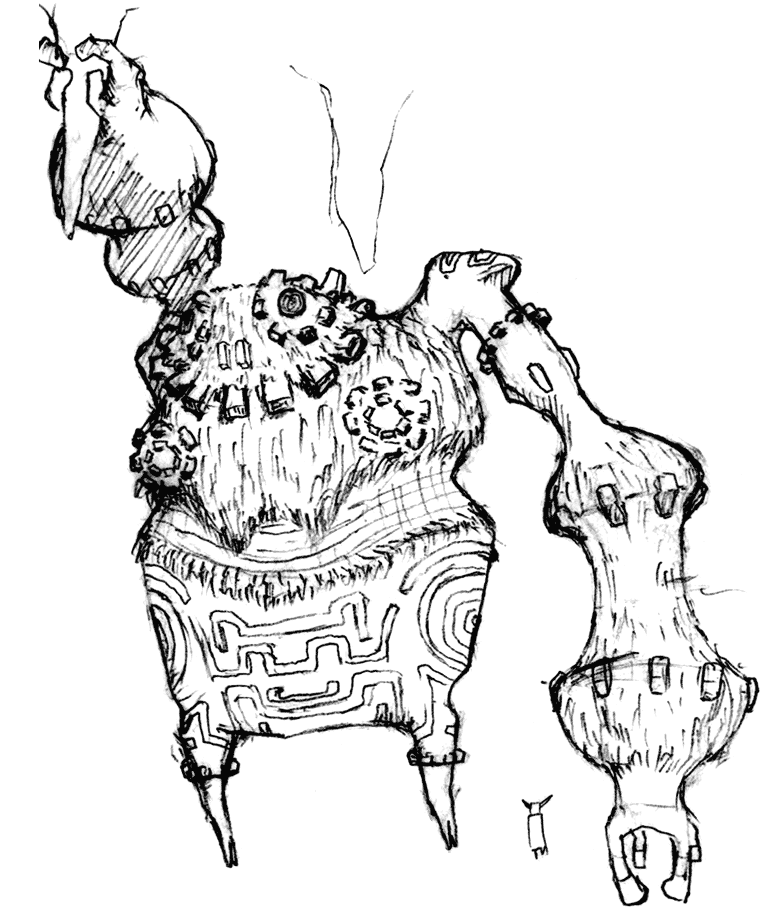
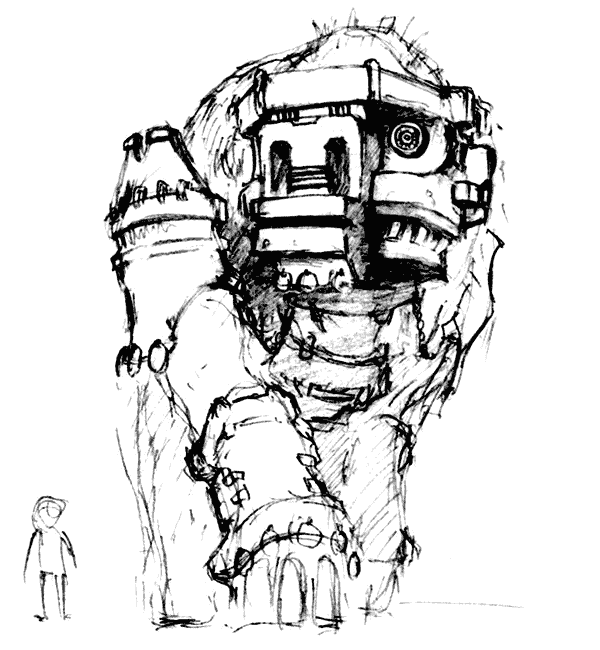
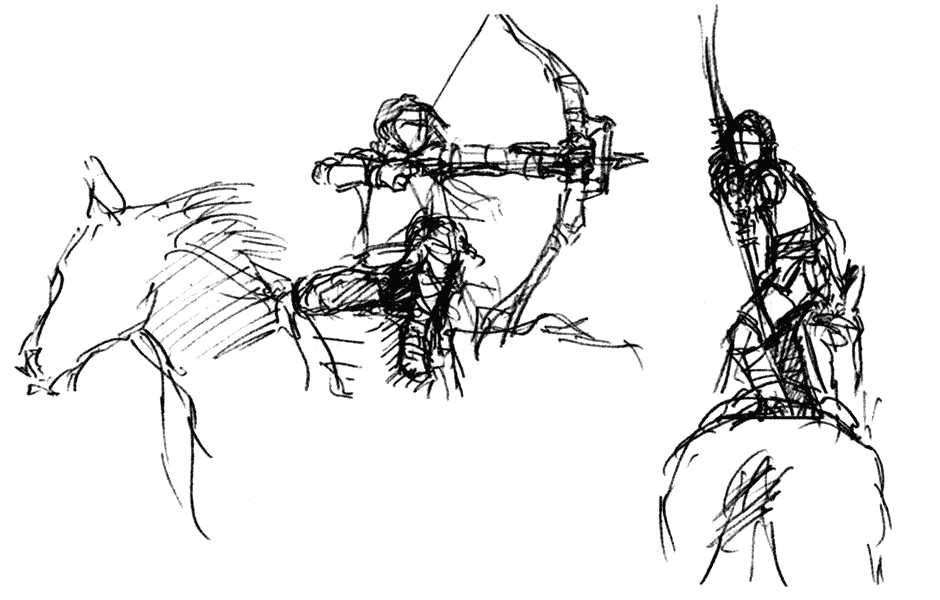
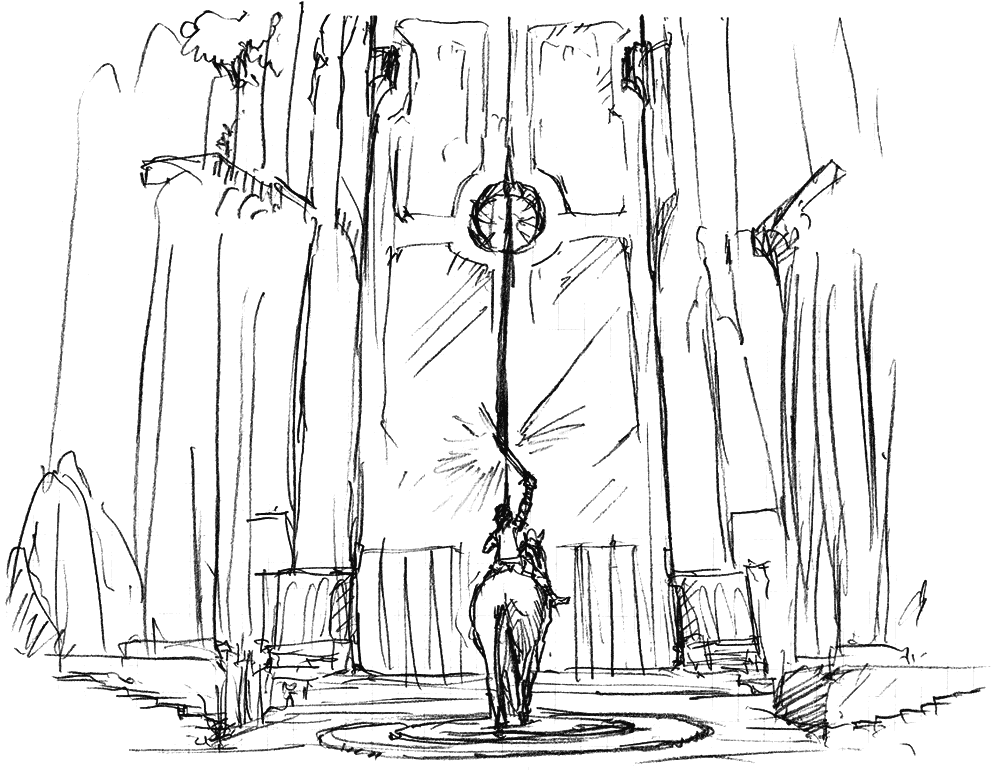
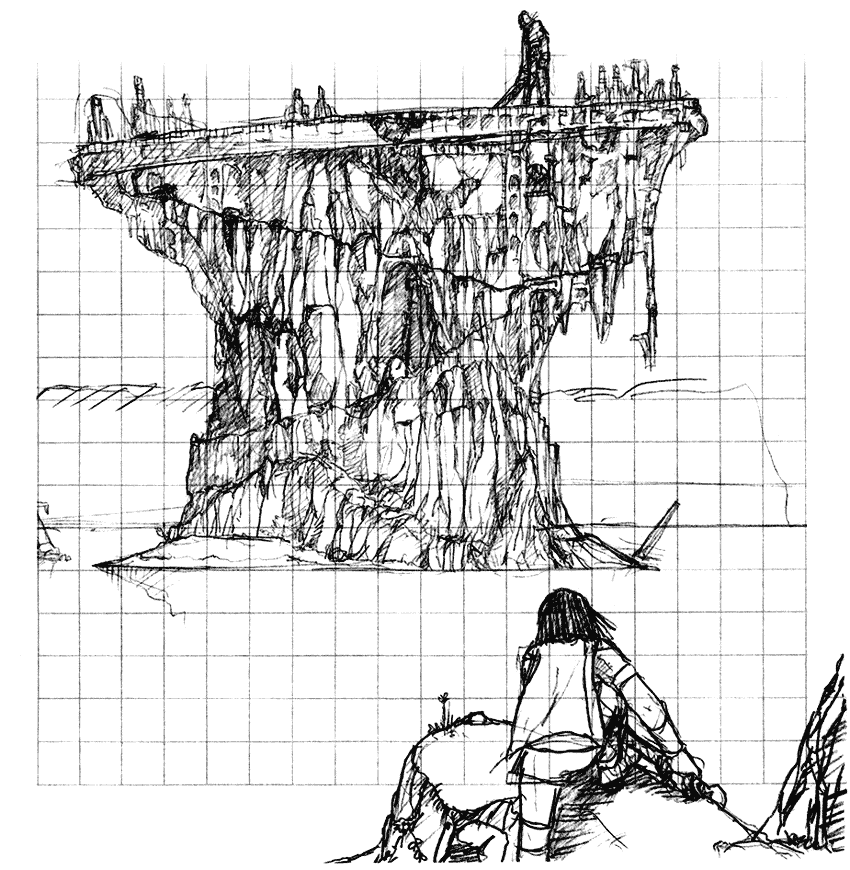
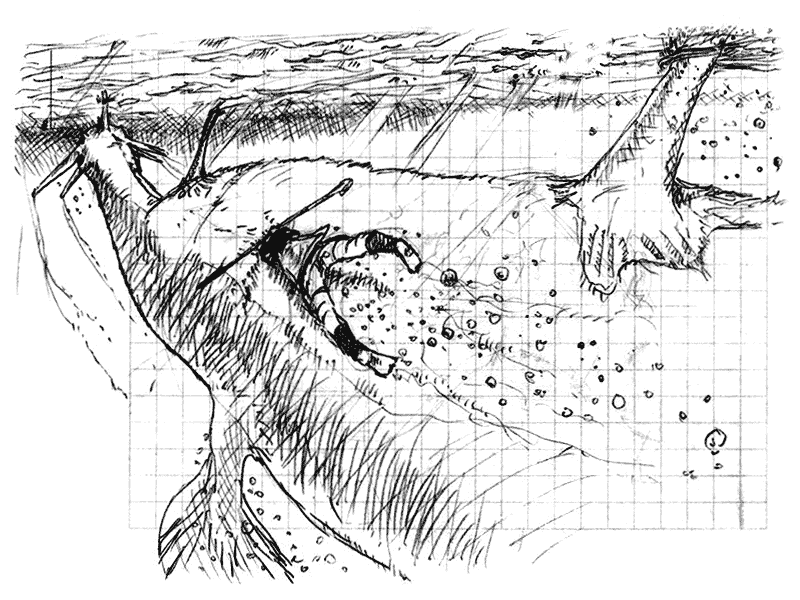
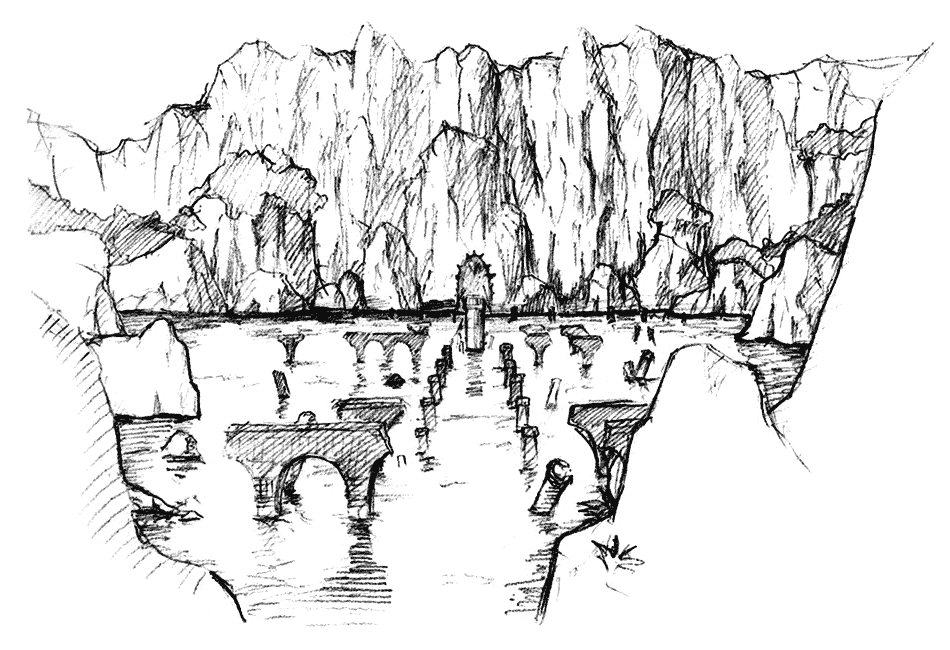
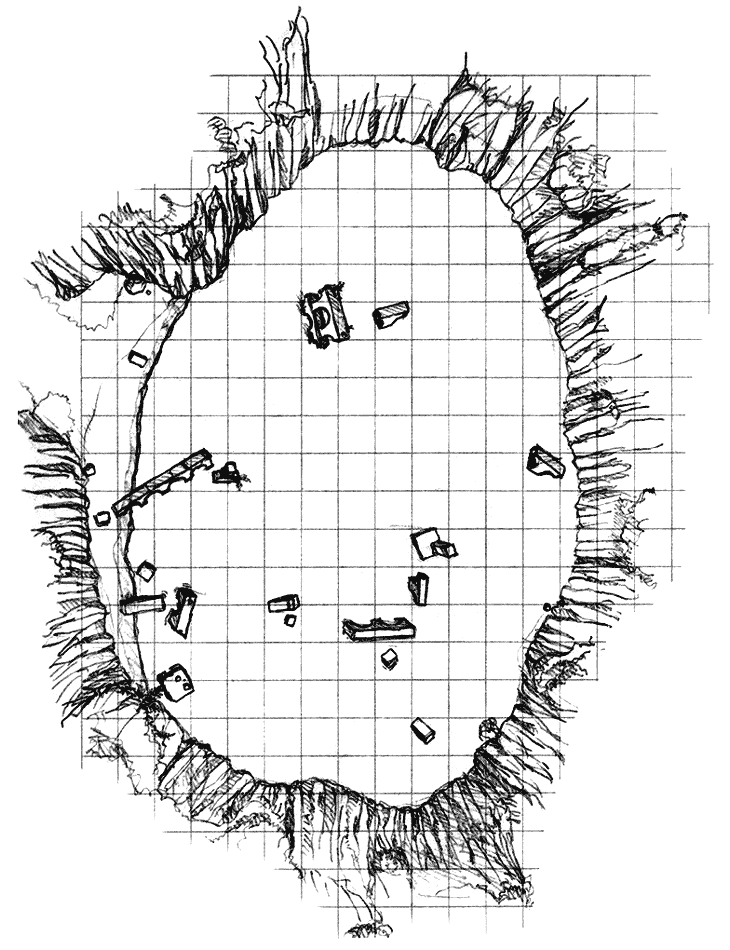
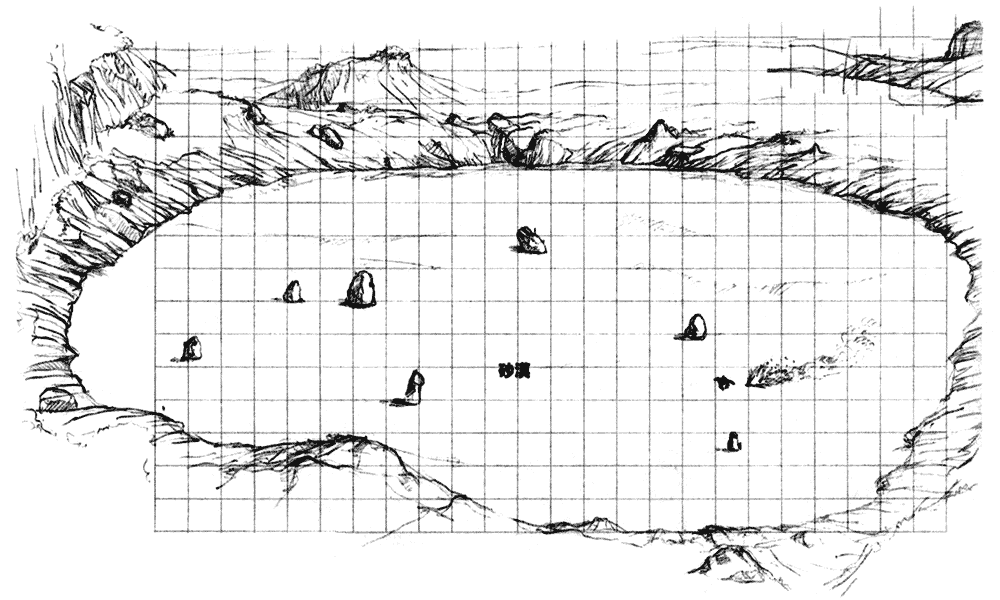
More of a game's development process can be found in the project's art and sketches. It is also interesting to examine this artwork from Shadow of the Colossus. Further below, several drawings clearly depict colossi that never existed as well as those that were removed.
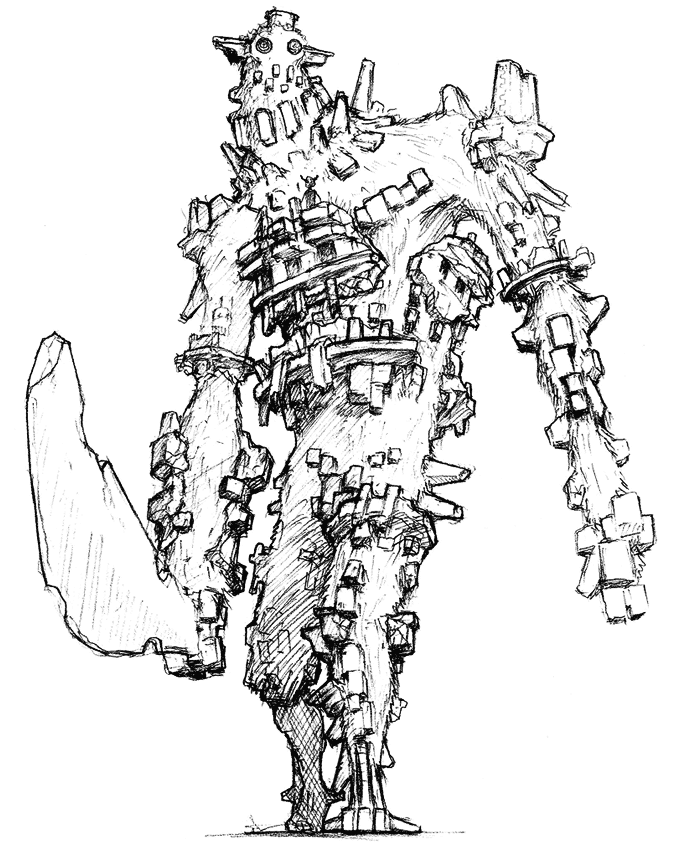
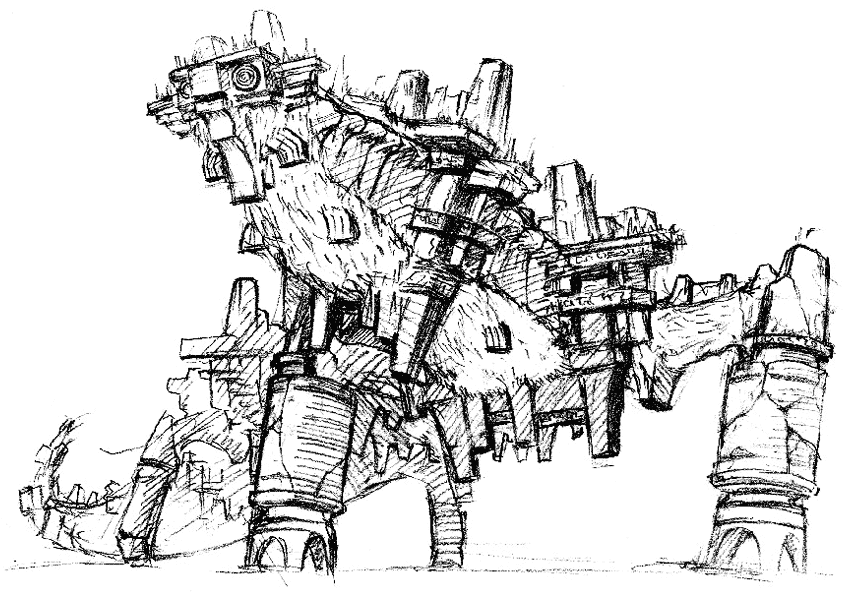
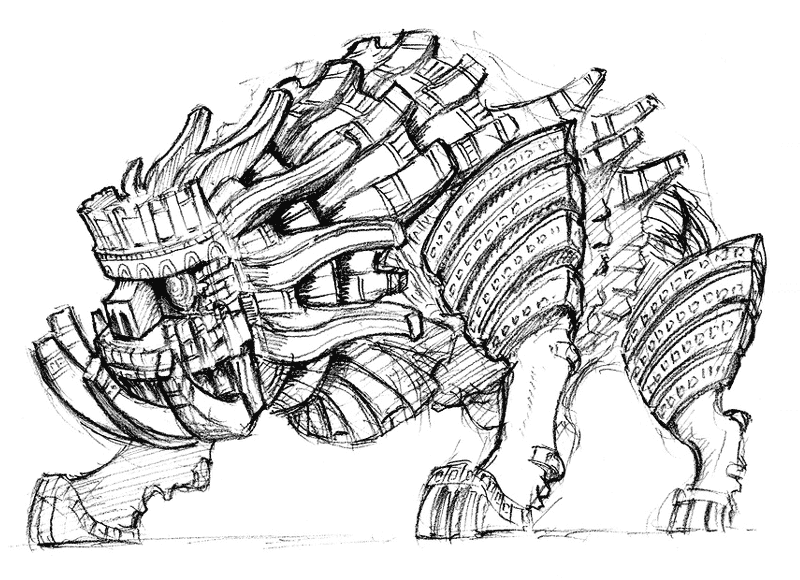
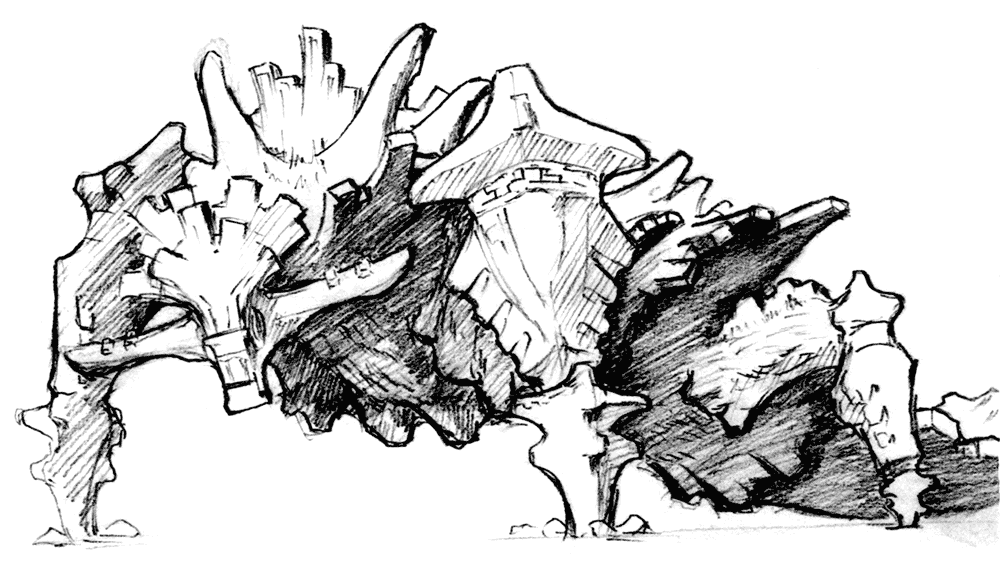
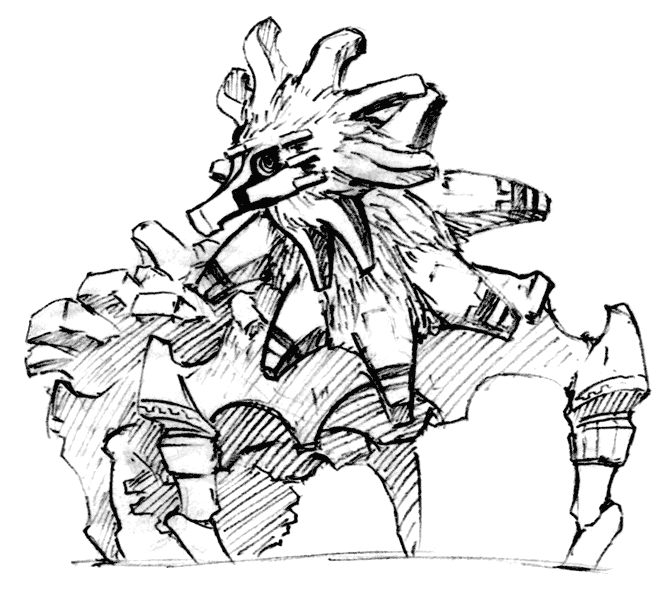
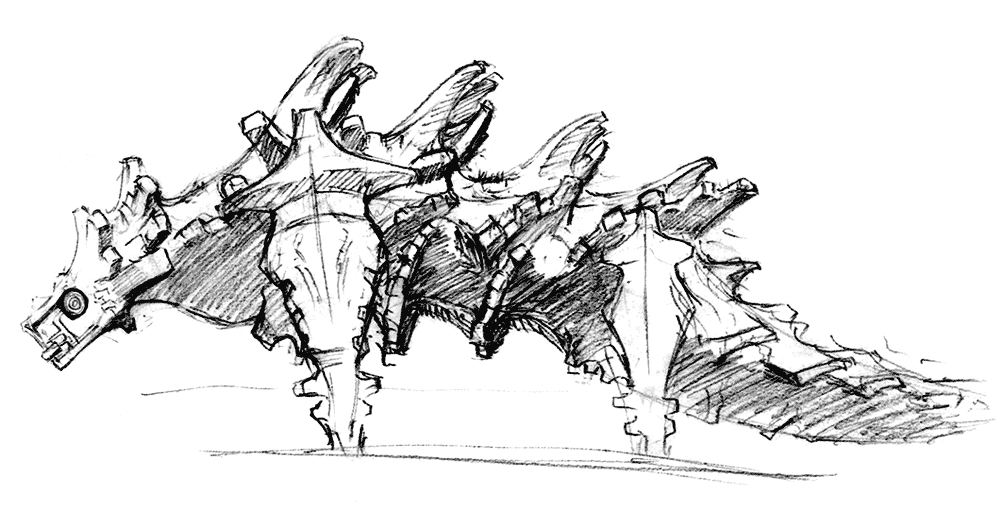
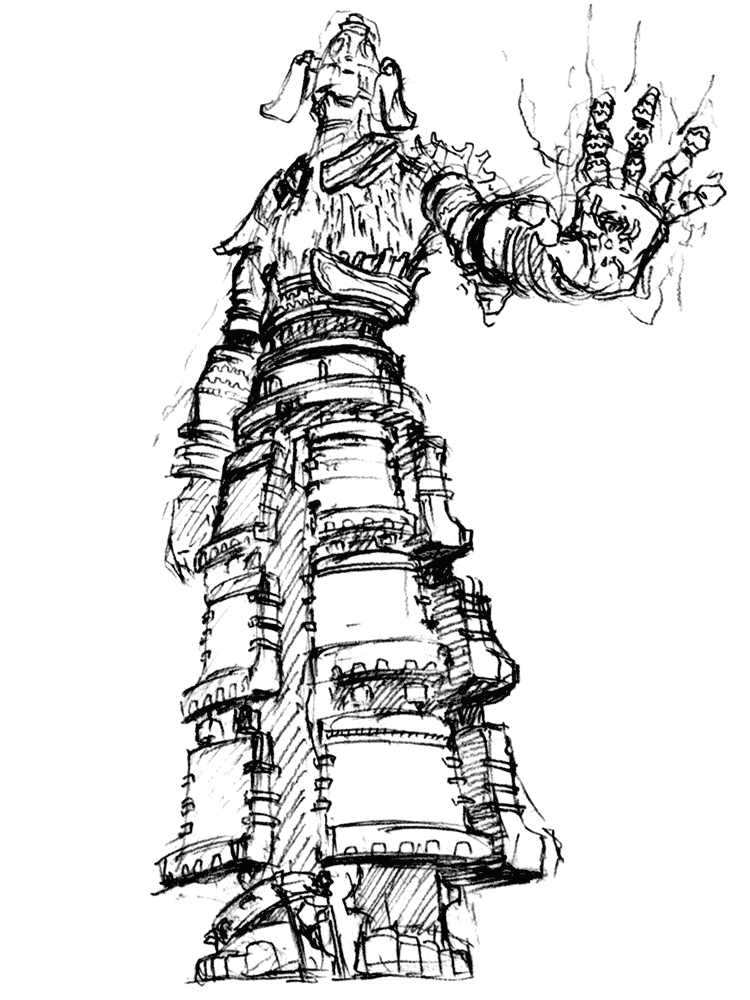
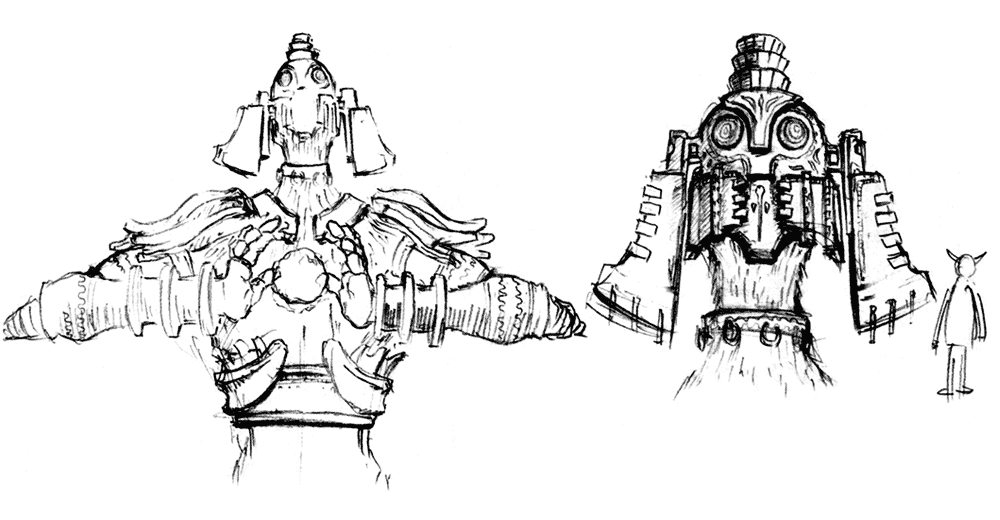
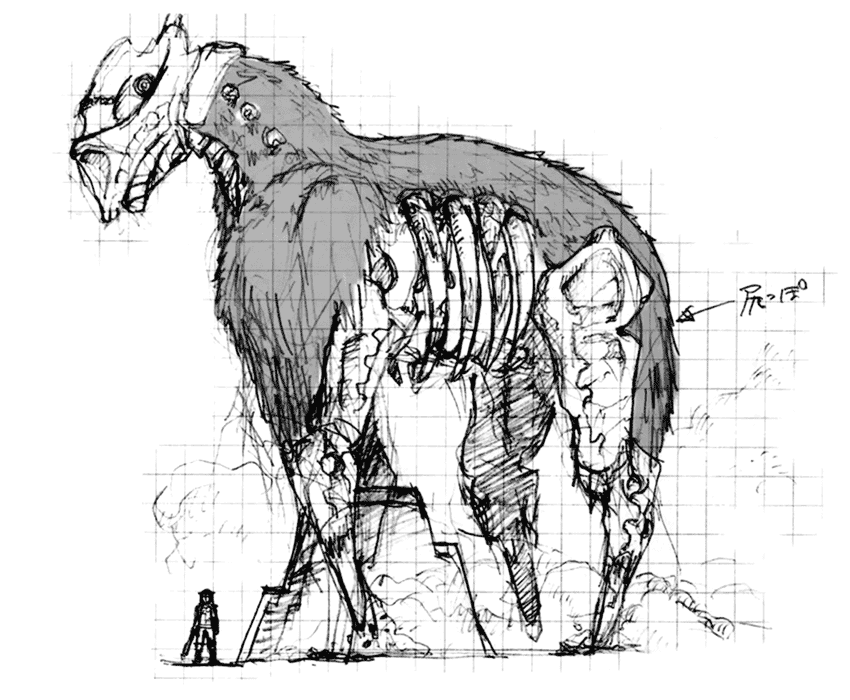
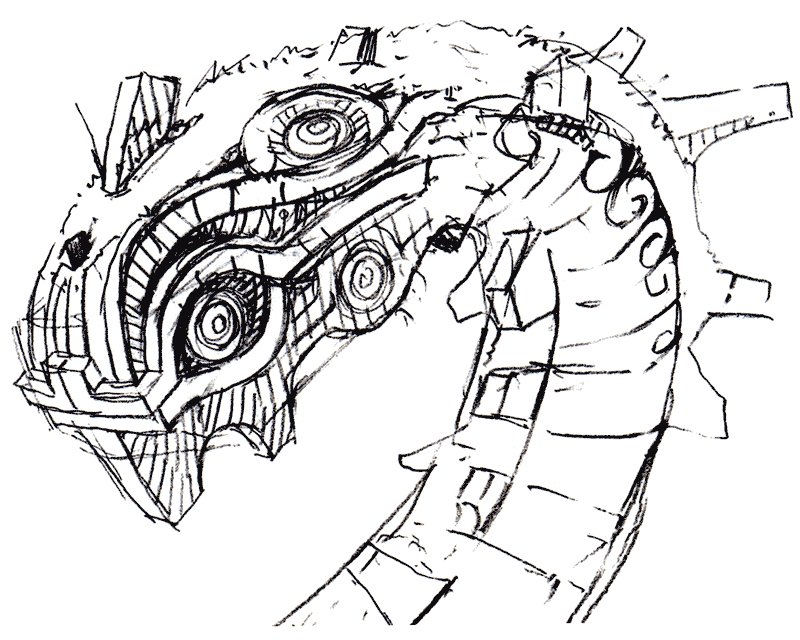
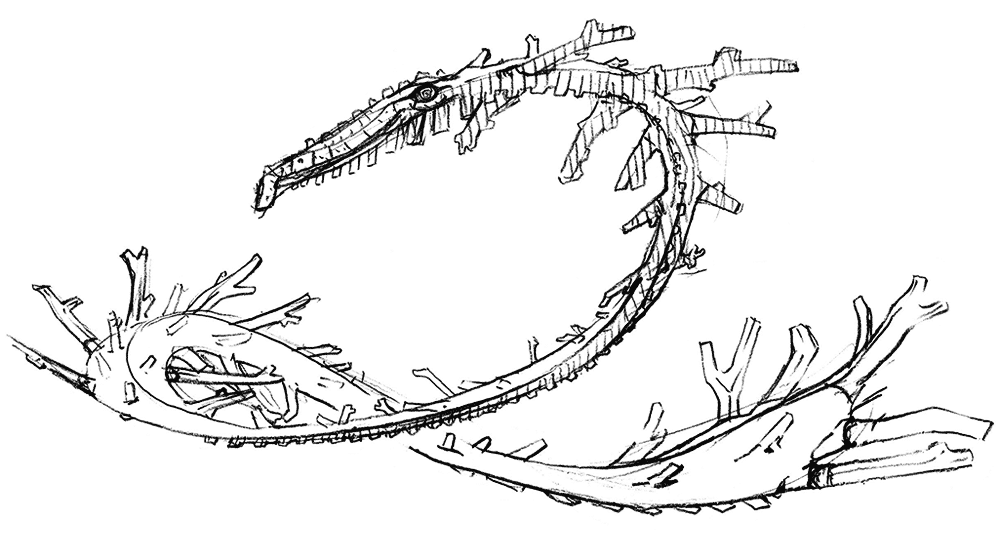
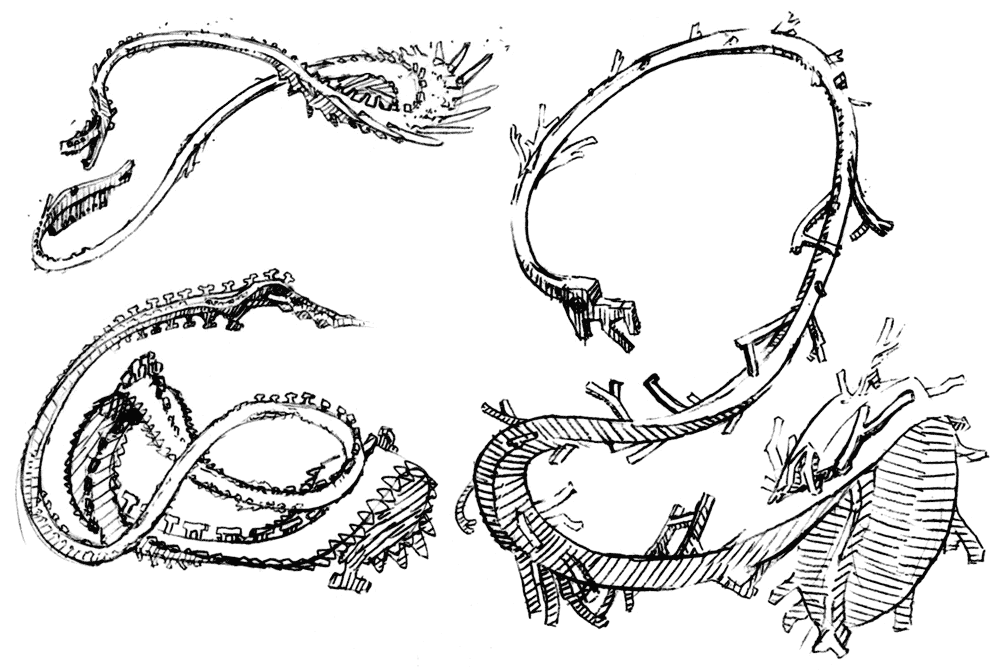
All of this is a summary of Fumito Ueda's creation, clarifying some myths and organizing certain rumors, but much remains hidden. It is clear that the production of Shadow of the Colossus had several "stops and starts," something very familiar from the next game created in this same universe, The Last Guardian, although the latter followed fairly narrow ideas without straying far from what appeared in the final release.