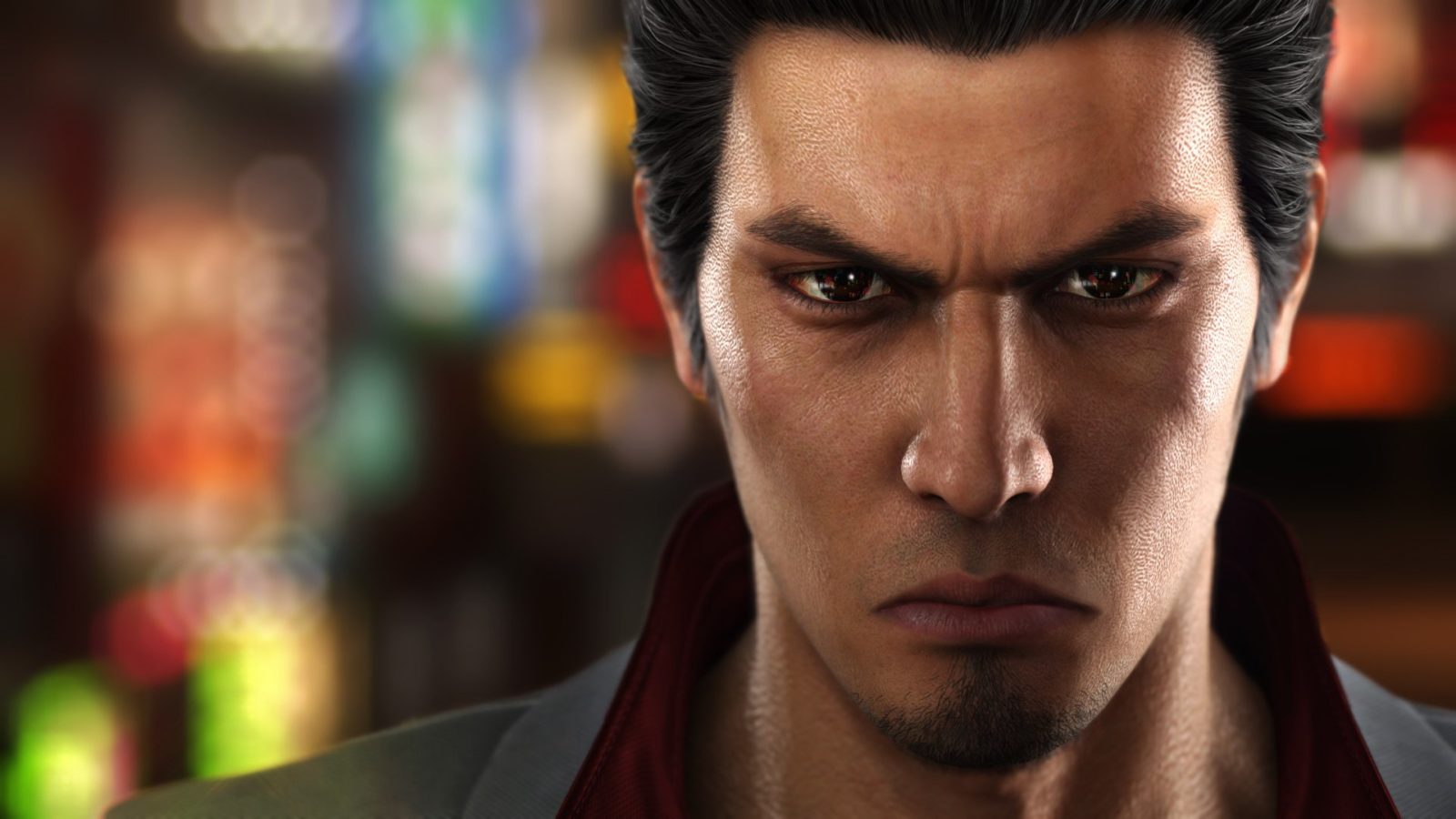
I had never taken a deep interest in the Yakuza series. Before playing Yakuza 6, I remembered the franchise as "that Japanese game that is hugely successful... in Japan." And that was that; life went on. One day SEGA's press office contacted me and sent the "so-called Yakuza 6" for an early review. Because our group was overwhelmed with work, I said: okay, I will play it. The much-discussed Yakuza 0 had already reached the Western market, so I was actually a little curious.
A little "time" passed and I already had 40 hours in the game. Okay, I had to stop for a while to get back to work. The point is: how can a game represent Japan so well? Without any exaggeration, you feel as though you are walking through a small area of Tokyo and, moments later, feel welcomed by quiet, resilient Onomichi in Hiroshima. Everything is surrounded by hundreds of simultaneous events and a main story that is repeatedly set aside for the sake of "exploring." I became more engrossed than I had been in a game for a long time.
You can play without having experienced another Yakuza game first
Yakuza 6 is a good entry point for people concerned about playing the last game rather than the first. In short, this title's story is largely separate from the others, and summaries of games one through five are available to read.
In summary, Kiryu had been imprisoned for several years after the apparently harrowing ending of Yakuza 5; many years passed and much changed. It is interesting to note how the game immediately begins "breaking" its ties with previous titles and depicts an entirely new era not only for the Yakuza, but for Japan itself. Technology and even Japanese YouTubers appear as themes in side missions. The protagonist's "middle-aged uncle" response to all this makes it even more interesting.
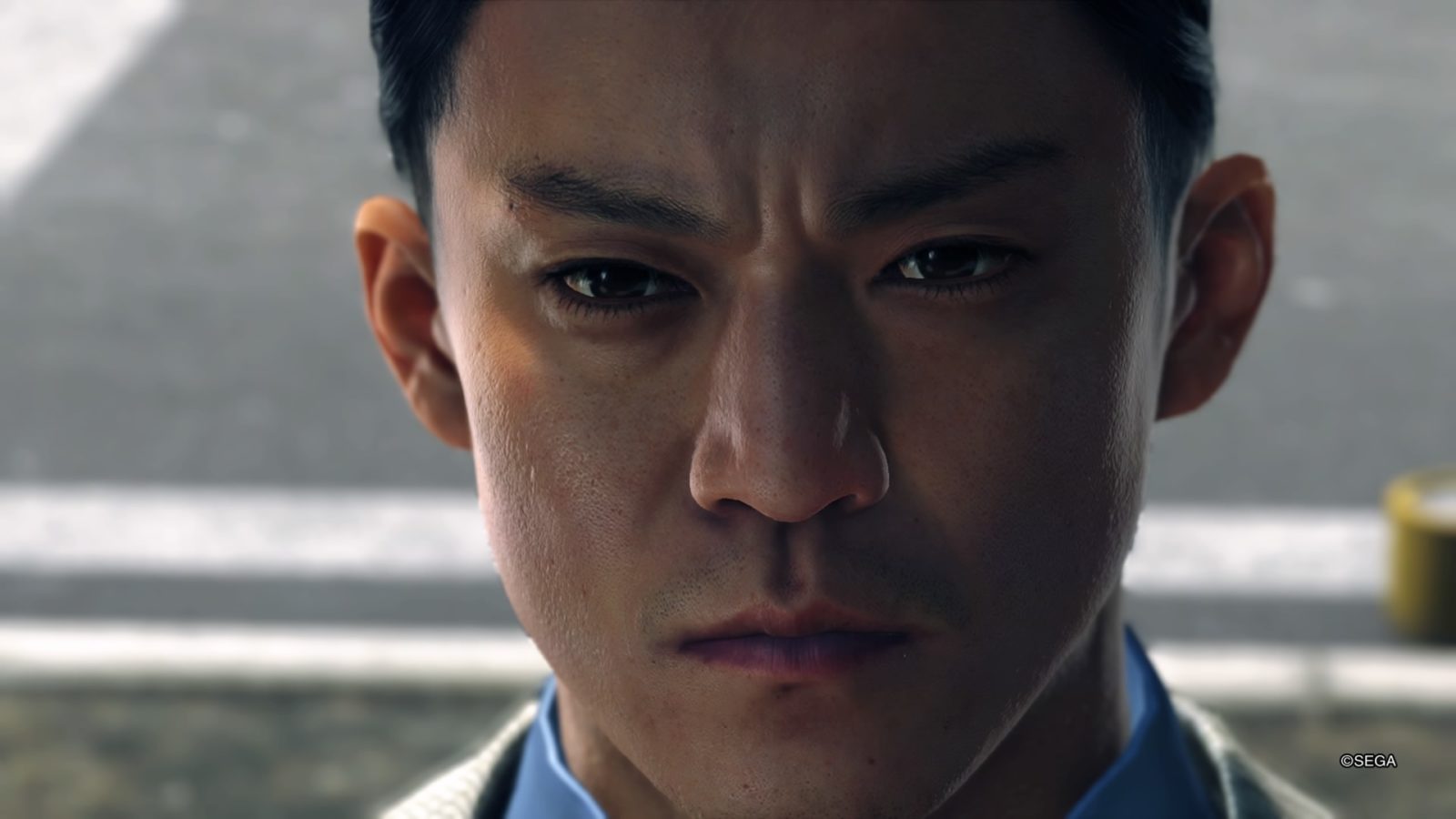
The settings and characters are highly detailed.
Although we remain involved in confrontations with criminals, the plot also places considerable poetic emphasis on the family bonds the protagonist forms within this same game. The story continually grows, and twists that might initially seem somewhat shallow develop into an epic, unexpected, cinematic plot. I am not qualified to comment—as Glória Pires said at the Oscars—on the other games, but I already genuinely want to start with Yakuza 0 and continue through the PS4 rereleases of the first and second games onward, even though I have not done 60% of what Yakuza 6 has to offer.
The Yakuza series is also known for featuring actors and actresses who are popular in Japan as some of its characters. And if you have heard somewhere on the internet... Yes, they also brought pornographic actresses into the game. I will refrain from explaining that second part here, but they appear in a situation that is more hilarious than anything else... Though it does become quite "sexy." Keep your relatives away from the TV to avoid accusations that you are a pervert who watches that kind of thing even while playing video games.
Some memorable characters:
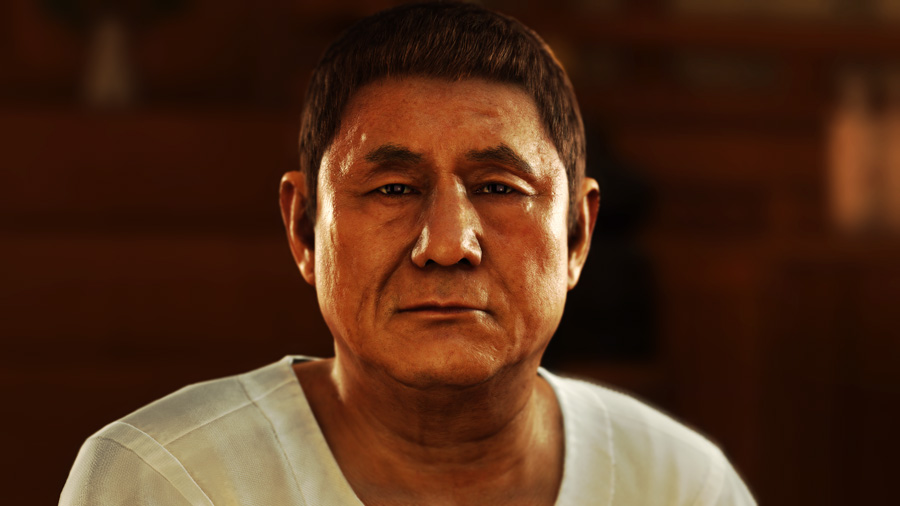
Toru Hirose
Patriarch of the Hirose Family
A subsidiary of the Masuzoe Family of the Yomei Alliance
He is played by famous actor Takeshi Kitano, who also appeared as the head of Section 9 in Ghost in the Shell (2017) and played teacher Kitano in Battle Royale 1 and 2. In the game, he looks after the small Hirose Family.
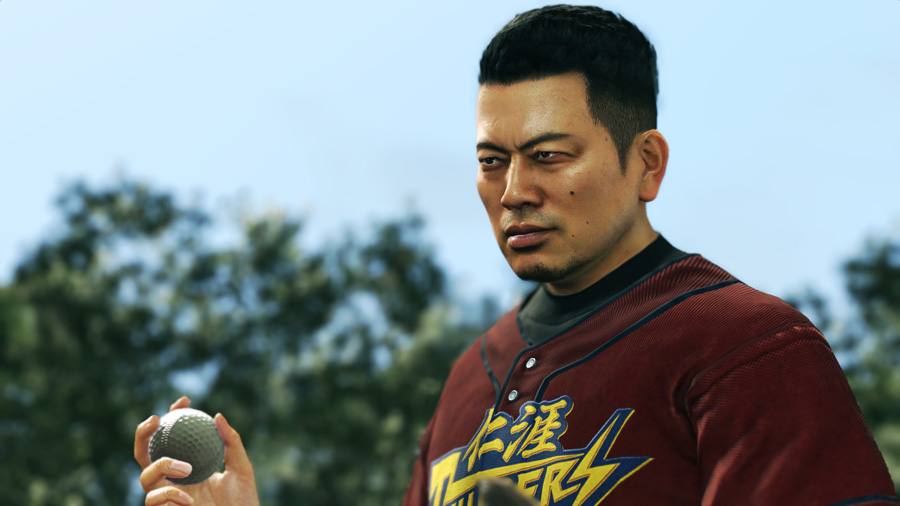
Tsuyoshi Nagumo
Captain of the Hirose Family
A subsidiary of the Masuzoe Family of the Yomei Alliance
Played by actor Hiroyuki Miyasako from Cafe Isobe (2008). I will leave just one brief quote: "Anikiiii."
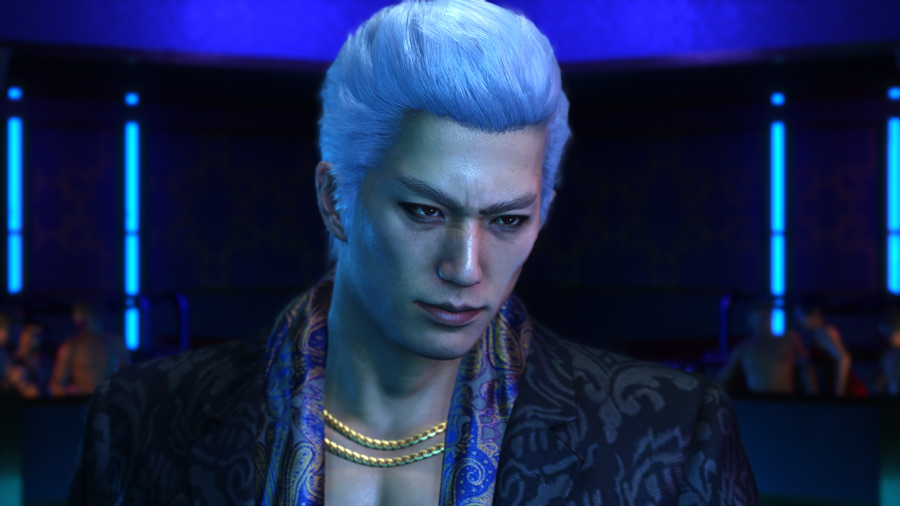
Joon-gi Han
Leader of the Jingweon Mafia
Even the Korean—and Chinese—mafia are included in the plot. Voiced by Yuichi Nakamura, he is a highly egocentric character interested in taking down the "Dragon of Dojima," Kiryu.
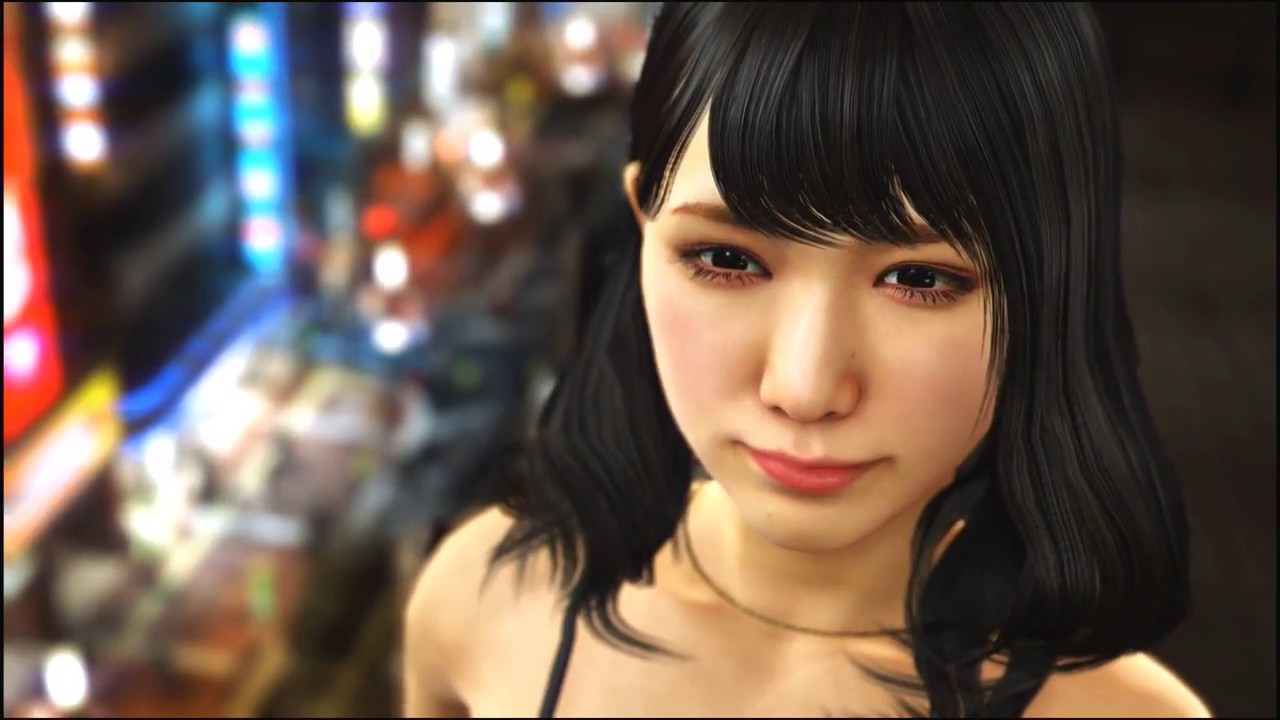
Erina Sakurai
This is Erina, a club hostess in Yakuza 6. As your intimacy grows, the women can even become your "girlfriends," with several dates and their own missions. She and the others are real-life models and even use their real names in the game.
---
The actors/model mentioned as they appear in real life—external links because of image rights: Takeshi Kitano, Hiroyuki Miyasako, Yuichi Nakamura, and Erina Sakurai.
The cities of Kamurocho and Onomichi are complete opposites
Kamurocho is based on the real Kabukicho in Tokyo. Everything that comes to mind when we hear about Tokyo is there: busy streets—even busier at night—signs, lights and colors everywhere, and every kind of entertainment. Anyone living there must have an "expensive" life given how much there is to do and how many places there are to eat or visit, and Yakuza 6 offers these situations in part through the new Dragon Engine, the graphics engine Ryu Ga Gotoku Studio brought to the game that does justice to the PS4 generation.
See the real-life Kamurocho—Kabukicho—by clicking here.
You can enjoy all this even more on a PS4 Pro with improved graphics—more shadows in the settings—and 60 fps without frame drops. On a standard PS4, Yakuza 6 suffers from small drops, possibly because of the high volume of information shown simultaneously without any loading screens. The developers did not skimp on pedestrians in the streets either, and that may have been one cause of the drops.
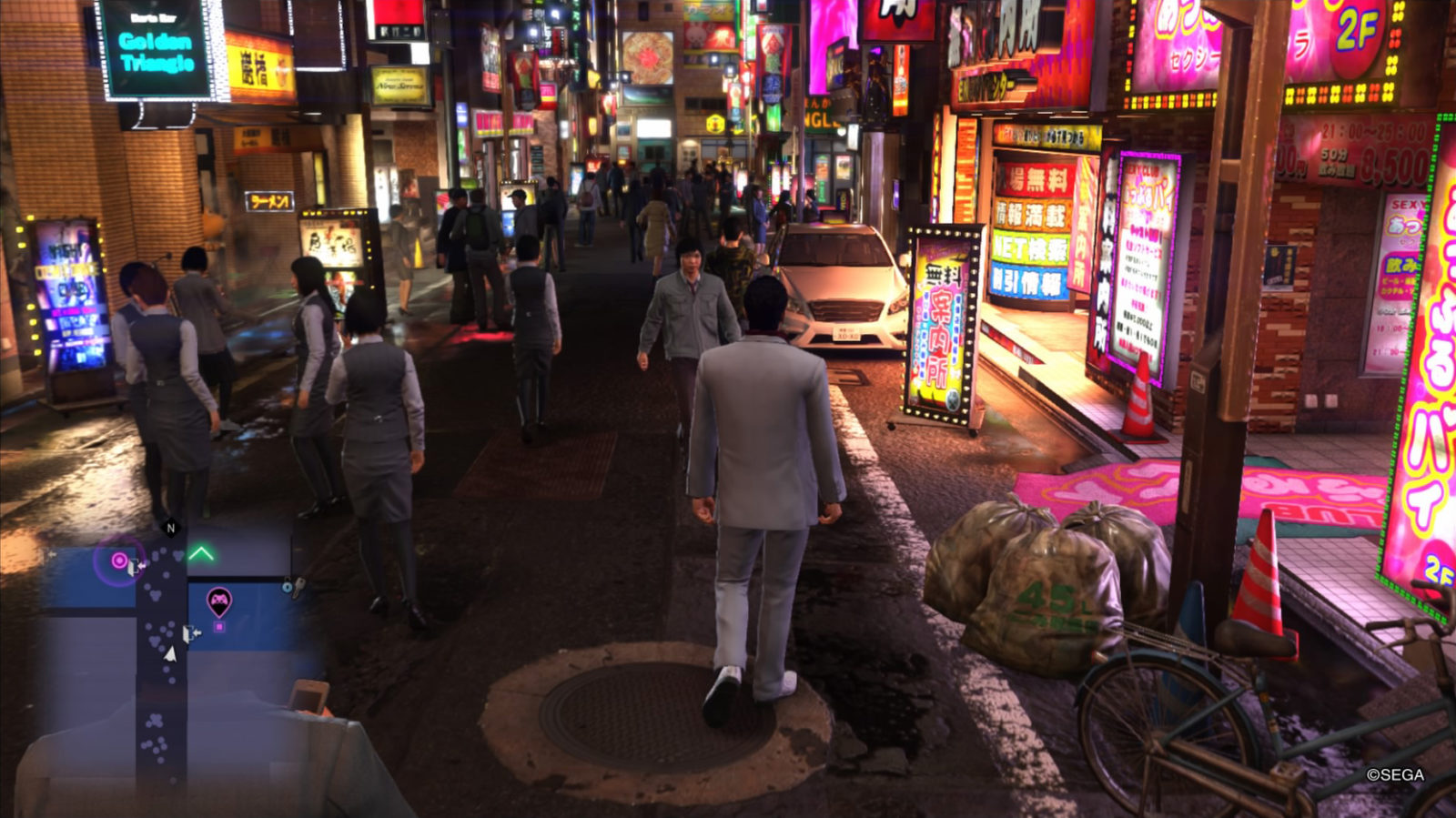
Several screenshots from Kamurocho at its busiest, at night.
Pedestrians are a blessing for the game because they make everything feel very alive, but I have two more complaints: 1) sometimes they are shoved even when you clearly did not touch them; 2) some cutscenes early in the game show an unnecessary "anthill" of people. The game already contains many people; there was no need to show something disconnected from what we see while playing. Perhaps both will improve in future titles? These are minor details, but they bothered me.
Across Kamurocho are some of the things franchise fans already know: batting baseballs, a cabaret club, two SEGA venues containing complete games such as Puyo Puyo and the fighting title Virtua Fighter V—yes, the fifth game for PS3—and even a hunt for stray cats to give them shelter in the Cat Café, as well as bar conversations, a gym, and more. The cities are also full of restaurants, stores, and vending machines.
In Onomichi, meanwhile, you begin leading a baseball team, fish for sharks, play a guitar, and start a gang to help some young men... This differs so greatly from Kamurocho's darts, karaoke, and Live Chatting that I do not know where it starts or ends... It never does.
The side missions are also impressive and give both cities charm, sometimes testing your faith in the supernatural or even addressing current topics such as artificial intelligence and how it interferes with our daily lives. I merely think more gameplay elements from the side missions could have appeared in story missions to provide greater variety.
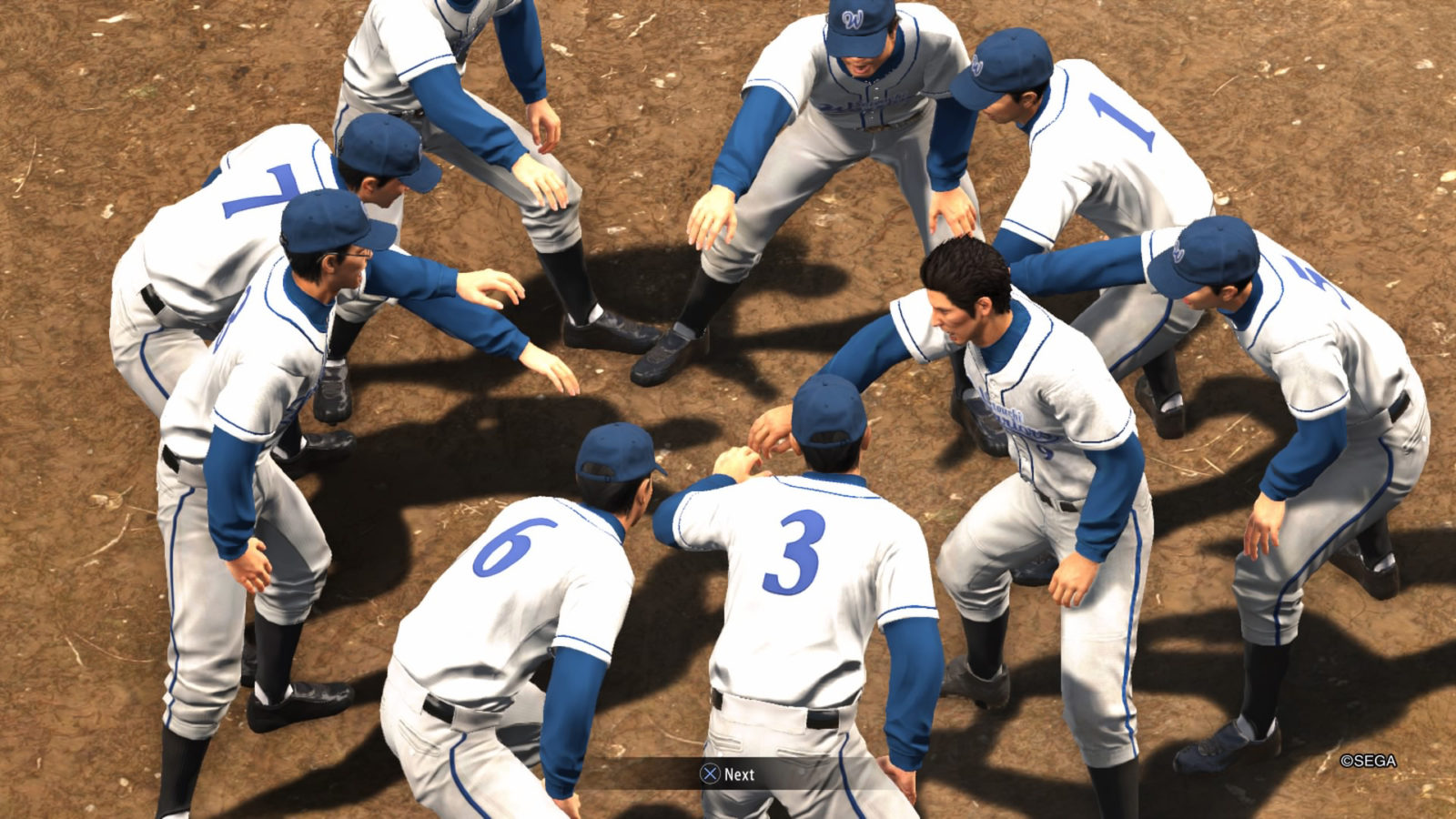
"Setouchiii Warriors!": Lead a baseball team in Yakuza 6.
Punch, punch, hit, hit, punch, punch, turn, turn...
You "punch, hit, and turn" a bunch of Yakuza and thugs throughout the game. It is entertaining, it is for a good cause... And they start it... Almost always. The game blends epic action sequences with a system that is easy to understand and play.
Kiryu improves based on what he eats, through gym training, and by beating up grown men. The game is not very difficult once you learn how it works, so those thirsting for difficulty can begin immediately on "Hard" and move to "Legendary" after completing the story once, especially anyone seeking the platinum trophy.
With several highly memorable fights, the game is not repetitive from beginning to end, but can become so afterward. One complaint fans make about Yakuza 6 is that it slightly simplifies the combat system, perhaps to attract a broader audience, and anyone who keeps playing for a long time feels the lack of greater variation. The side missions, on the other hand, cover this brief feeling. The higher the difficulty, the more interesting it becomes, which is useful to know before starting.
Another interesting point is that fights "leave" the game's standard mode and enter RTS territory during the "clan battle." Kiryu creates a clan to bring down a major organization. This gameplay style and story stand apart from the rest of Yakuza 6: you lead your gang on missions and fight by sending members into the brawl and making them use special attacks and moves. RTS is the genre used to identify games such as Warcraft III and StarCraft, for example.
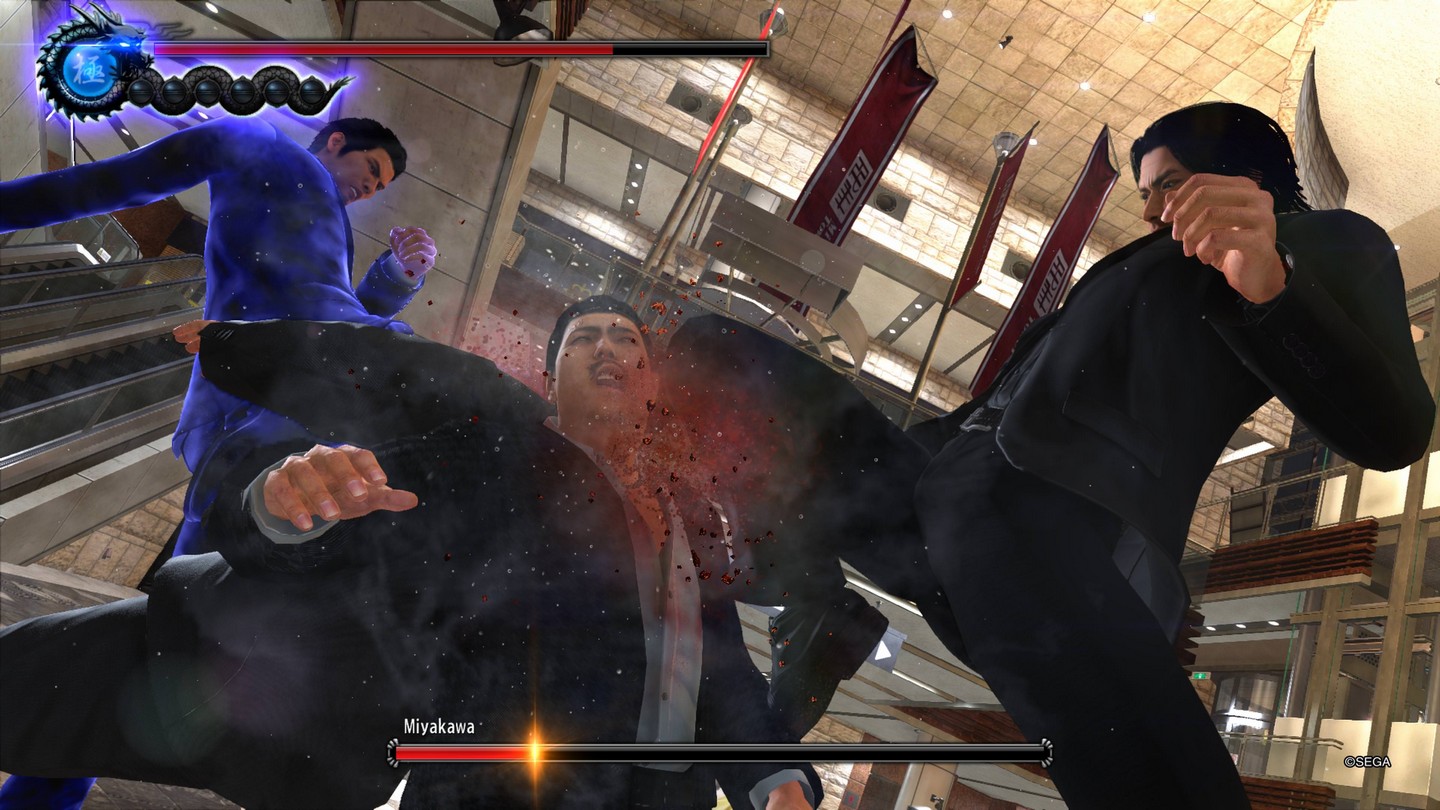
Some scenes should greatly please action-movie fans.
"Come visit Japan"
In the end, with the Dragon Engine and extremely polished environments, Yakuza 6 is almost a "virtual trip" to Japan. You have a playground full of things to do and plenty of action. I remember a mission in which you save an elderly woman from a strange religious cult; after completing it, I connected it to moments in GTA V involving a mission on the same subject. I then began comparing how Yakuza could be the Japanese equivalent of GTA or Red Dead Redemption.
Leaving familiar "faces" aside to some extent, the idea also appears to have been to welcome a new era of fans to the franchise through this game. It worked with me and is probably working with more people.
Unfortunately—VERY unfortunately—Yakuza 6 is not translated into Portuguese, and understanding it is extremely important because of the complexity of its story and events. If you know English and want to embark on this journey filled with fights or things and customs usually found only in Japan, welcome. Kazuma Kiryu awaits you in an epic adventure from beginning to end.
Tested on a standard PlayStation 4.