In the vast universe of science, there are studies and experiments that challenge the boundaries of convention and explore the unknown. Although fundamental to advancing knowledge, these investigations remain in the shadows of the unfamiliar for most people, revealing intriguing findings that escape the general public's attention.
Human curiosity is endless and brings an enormous number of still-unanswered questions to light. In this article, we will explore little-known but significant studies. Some may seem amusing at first, but they prove to be more than academic jokes, shedding light on new questions in science.
People with Brown Eyes Tend to Look More Trustworthy
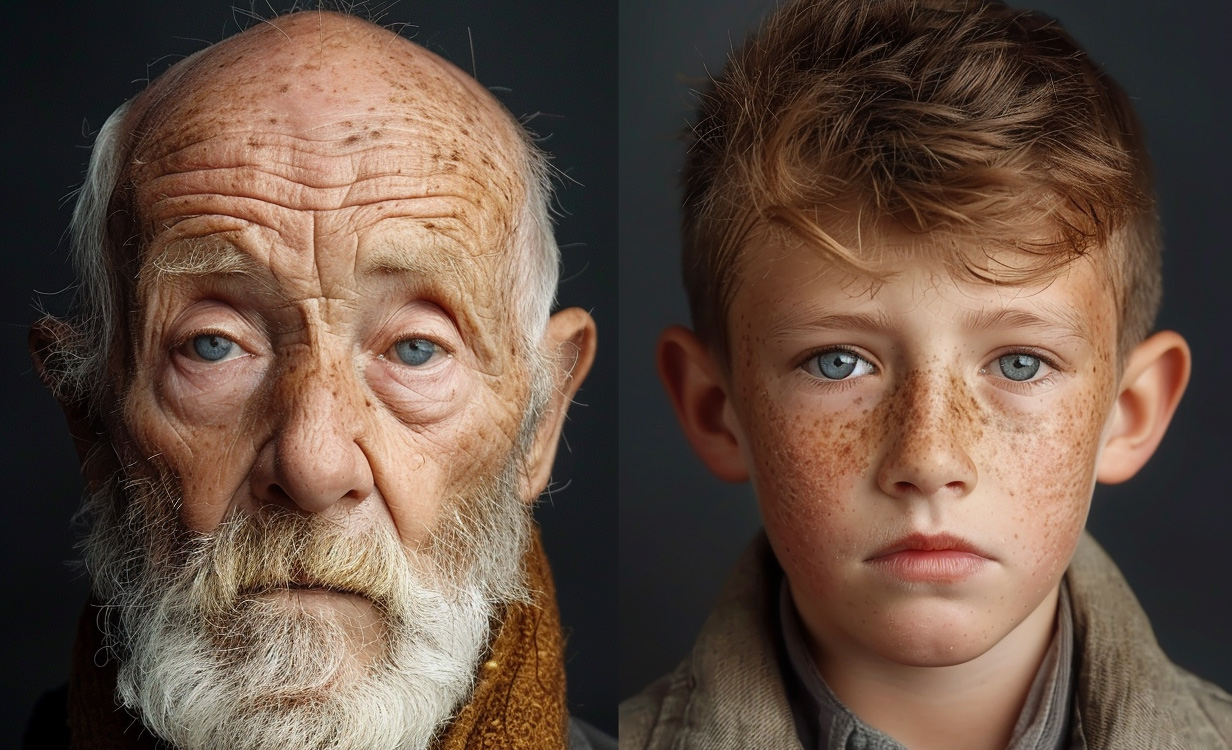
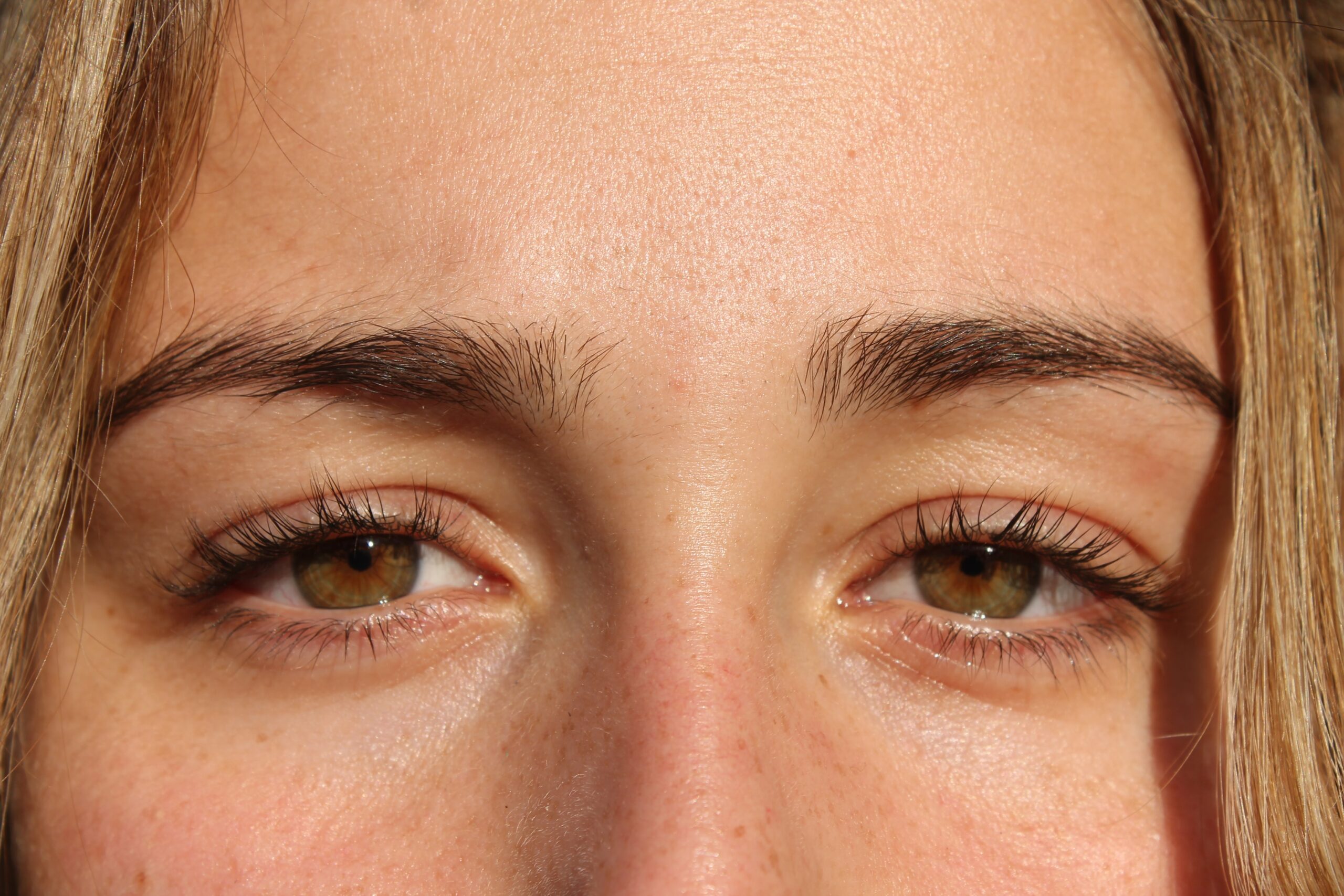
Incredibly, more than one study shows that people with brown eyes tend to appear more trustworthy. According to researchers, individuals with brown eyes often convey a greater sense of trustworthiness than those with blue eyes. The truth, however, is that eye color does not play as significant a role in this assessment as facial shape, which is generally associated with this characteristic.
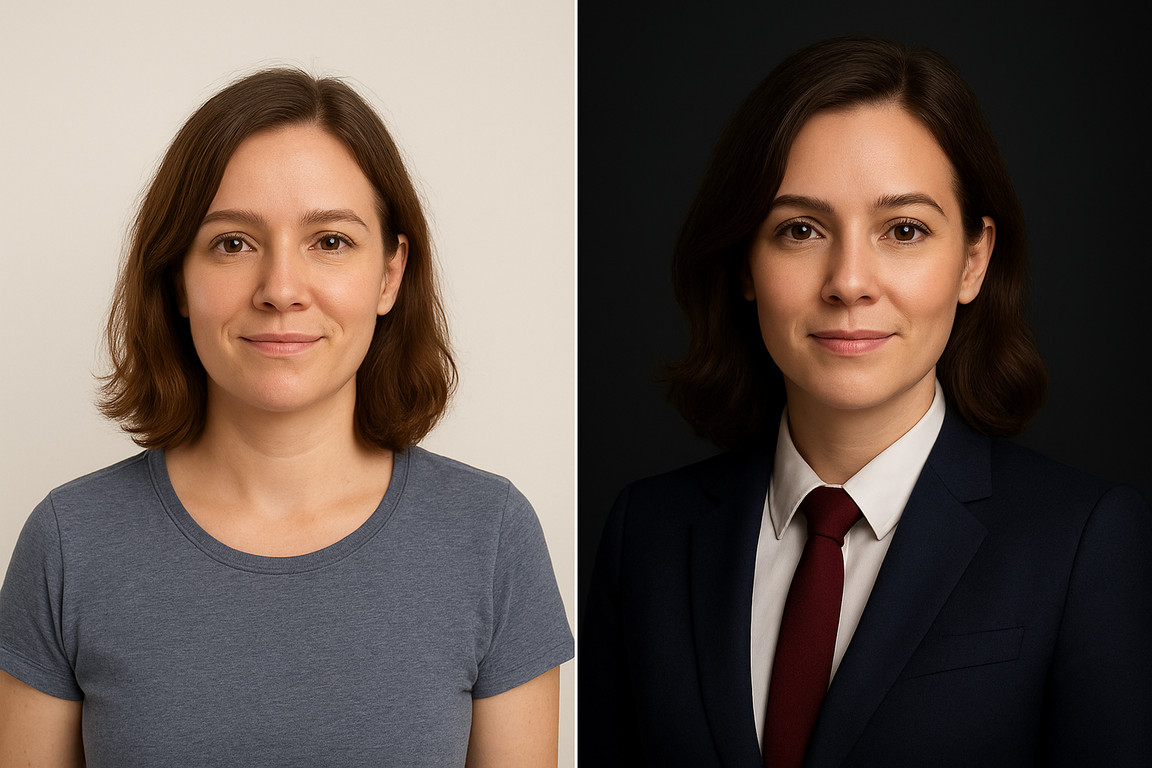
One of the most recent experiments was published by the journal PLOS ONE. Conducted by researchers from Charles University in Prague, Czech Republic, the study sought to understand which factors might influence how trustworthy a person is perceived to be. The research selected 40 male and 40 female students, who were photographed. Subsequently, 105 volunteers were brought together to assess the level of trustworthiness conveyed by the people in the photographs. Most participants rated brown-eyed faces as more trustworthy than blue-eyed faces, among both male and female subjects.
Analyses of facial shape showed, however, that there was a strong correlation between eye color and face shape. According to the scientists, people's perceptions were also influenced by the facial shape of those who had brown eyes. Therefore, it is not only eye color: facial characteristics can also influence assessments of a particular person's trustworthiness.
According to Ben Ambridge's book Psi-Q, even when the photographed subjects wore realistic contact lenses for the assessment, those whose eyes were originally brown still received higher trustworthiness “scores.”
Are People with Light Eyes More Prone to Alcoholism?
Although it may seem irrational, some studies show that there is indeed a correlation between people with blue eyes and innate characteristics that may lead to a greater predisposition to alcoholism.
A study from the University of Vermont in the United States attempted to demonstrate more about this correlation. The research involved more than 10,000 psychiatric patients in the United States, and the report was published in the American Journal of Medical Genetics: Neuropsychiatric Genetics. One conclusion reached by the scientists was that the incidence of alcoholism is higher among Americans of European ancestry—that is, those with light eyes—than among patients with dark eyes.
However, although the study showed a higher incidence among people with light eyes, many qualifications must be made. This is still insufficient for any preliminary diagnosis, since illnesses are triggered not only by innate factors but also by other factors outside genetics.
This is the case with alcoholism: even if a group of genes may indicate a greater likelihood that a person will have problems with alcohol, this can be influenced and aggravated by many other factors, such as income level, educational attainment, stress levels, and the sociocultural environments in which a person lives.
Moreover, there are several other eye-related associations that science does not yet fully understand. Studies indicate, for example, that individuals with light eyes may have a lower pain tolerance than those with dark eyes. It is also suggested that these people have a predisposition to be more competitive than the rest of the population.