
The Brazilian government recently announced changes to import taxation. Previously, international purchases worth up to 50 dollars were exempt from import taxes when made by individuals. This exemption was revoked, however, and the Chamber of Deputies approved a new 20% tax on these purchases as part of an effort to increase revenue and close loopholes that companies used to avoid taxation. The measure still needs Senate approval to take effect.
Taxing products and imports is essential for governments, raising funds for public services. Overtaxation, however, can also cause economic problems, creating inefficiencies instead of benefits.
Such excessive taxation affects the population in several ways, especially when we look at two main categories of taxes: direct taxes (on income and assets) and indirect taxes (on product purchases). But what effects can this overtaxation cause?
Some Risks of Overtaxing Products
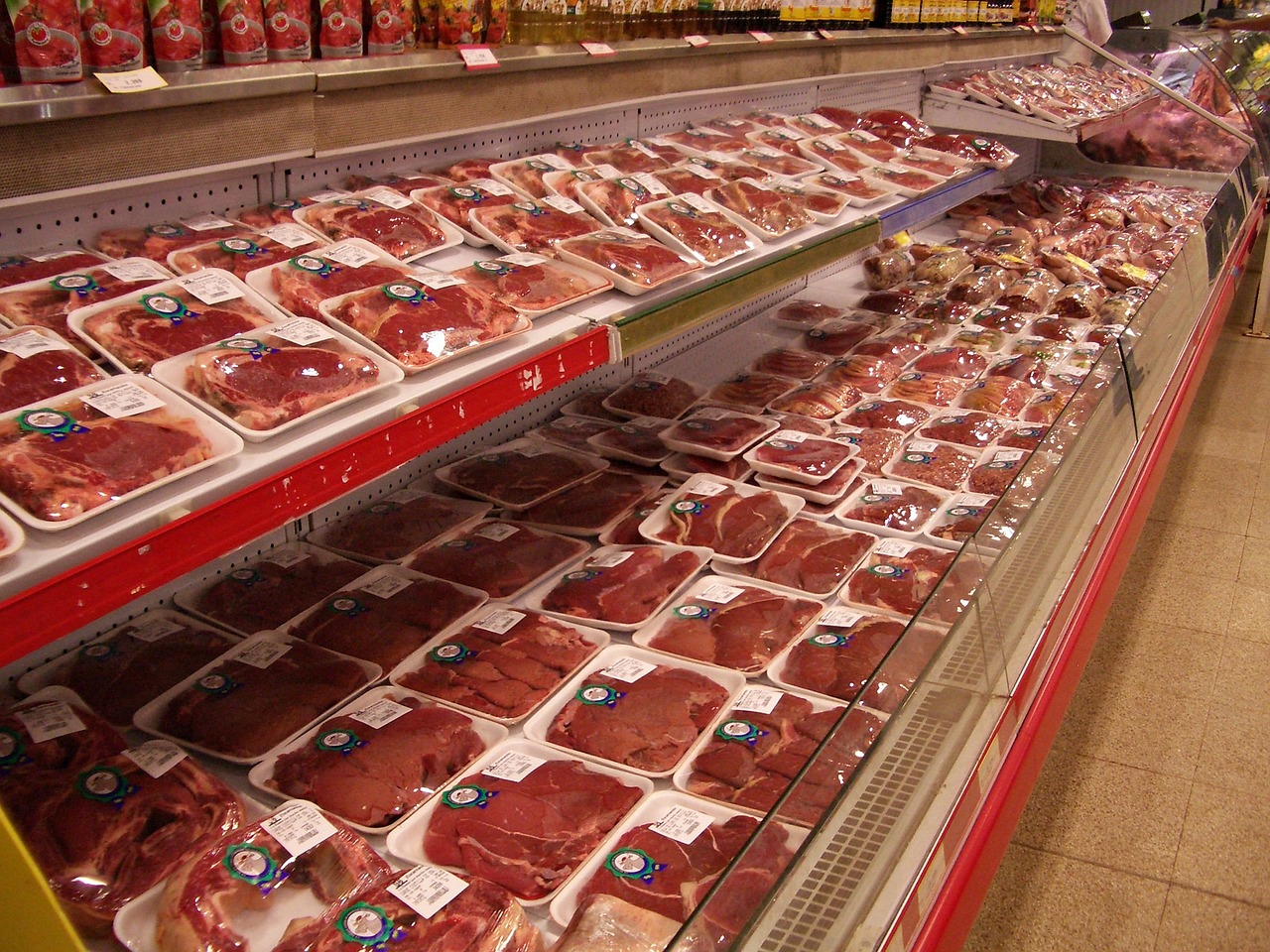
Price distortions: Overtaxing products can raise their prices for consumers, reducing demand. This makes substitute products more attractive and changes the allocation of resources, which does not always reflect consumers' actual preferences.
Reduced production and consumption: Overtaxation raises production costs, reducing the quantity produced. Consumers, in turn, buy less because of higher prices, resulting in lower demand.
Impact on social well-being: The economic inefficiency caused by overtaxation reduces the production and consumption of essential products, limiting access to important goods and services. This creates dissatisfaction among consumers and can also slow economic development.
Is Product Taxation in Brazil Fair to the Population?
The effectiveness and fairness of Brazil's tax system have often been questioned for years, especially because indirect taxes have a greater impact on the poor. A new tax reform is underway, but old problems appear to persist: an unequal taxation model that charges the rich less and the poor more.
The excessive taxation of products, the subject of this article, is not progressive but uniform. This means that, regardless of income, poorer people spend a larger share of their earnings on these taxes than wealthier people do.
Consumption taxes are lower in more economically developed countries. In the OECD, indirect taxes average 15–20% of tax revenue, while in Brazil they account for more than 40%, a "small but enormous" absurdity.
To address these problems, it is necessary to consider tax reform that balances the burden among different segments of the population and the market. One example would be reducing taxes on the consumption of products and services, easing the burden on lower-income individuals. This would help reduce inequality and promote economic growth by increasing consumers' purchasing power.
On social media, debates often suggest offsetting lower consumption taxes with higher rates on income and assets, especially for the wealthiest, as a solution. But it is also important to remember that without effective oversight to prevent fraud and tax evasion, everything can fall apart and what is "right" remains only on paper.
Adjusting import taxation to protect local industry without harming the end consumer is essential to balancing the domestic economy and healthy competition. The true impact of these taxes, however, will only become clear over time.