U.S. beef prices reached historic levels in July, apparently reflecting a temporary combination of increasingly restricted domestic supply and import tariffs imposed by Donald Trump's government.
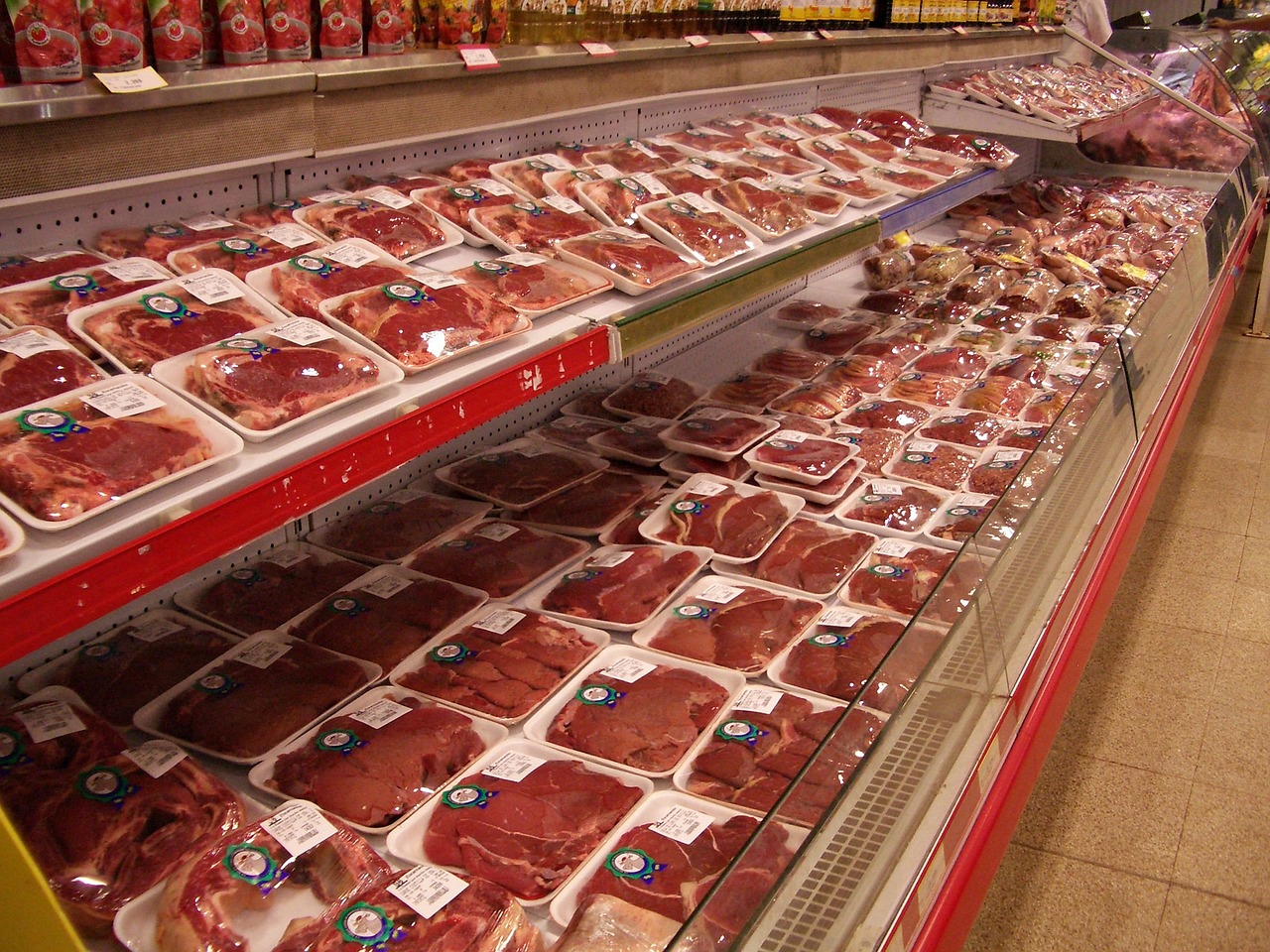
Widely consumed products such as ground beef and raw steaks reached unprecedented highs, costing more than R$76 and R$143 per kilogram, respectively, marking one of the biggest increases in decades.
Low stocks and falling production
The U.S. Department of Agriculture (USDA) says the country's cattle herd continues to decline, at around 94.2 million head, fewer than in previous years. Production is expected to keep falling, reaching its lowest level since 2019 in 2026. Rebuilding the herd is slow, requires time for animals to gain weight, and faces high input costs, making it difficult to increase supply.
Recent reports also indicate fewer slaughtered animals and lower average animal weights, factors that reinforce the shortage. With less beef available and demand still strong, prices remain firm.
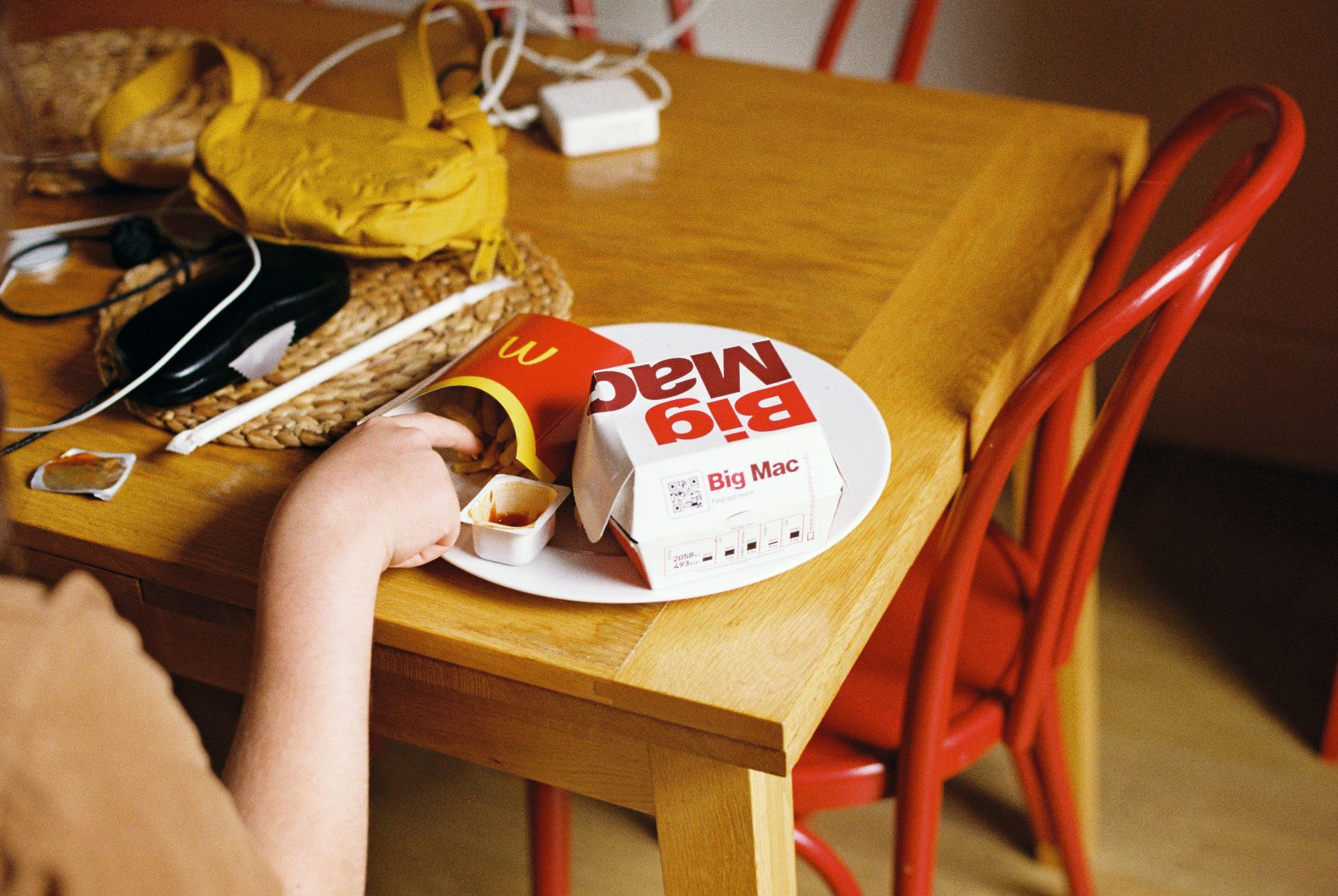
According to the USDA, this imbalance should keep the market elevated for at least another two years. In addition to affecting domestic consumption, the food-service sector, including restaurants and fast-food chains, is also feeling pressure from higher costs.
Tariffs on Brazil and their effects
The situation became even more delicate after 50% tariffs were imposed on Brazilian beef. Brazil accounted for almost one-third of U.S. imports in 2025, and the measure significantly reduced the volume purchased from the country. The USDA has already revised its projections downward, indicating that reduced reliance on Brazil because of the tariffs could compromise supply in the coming years.
According to JBS USA CEO Wesley Batista Filho, no supplier can replace Brazil's weight in this market in the short term. Australia, although a significant exporter, does not have enough scale to fill the gap.
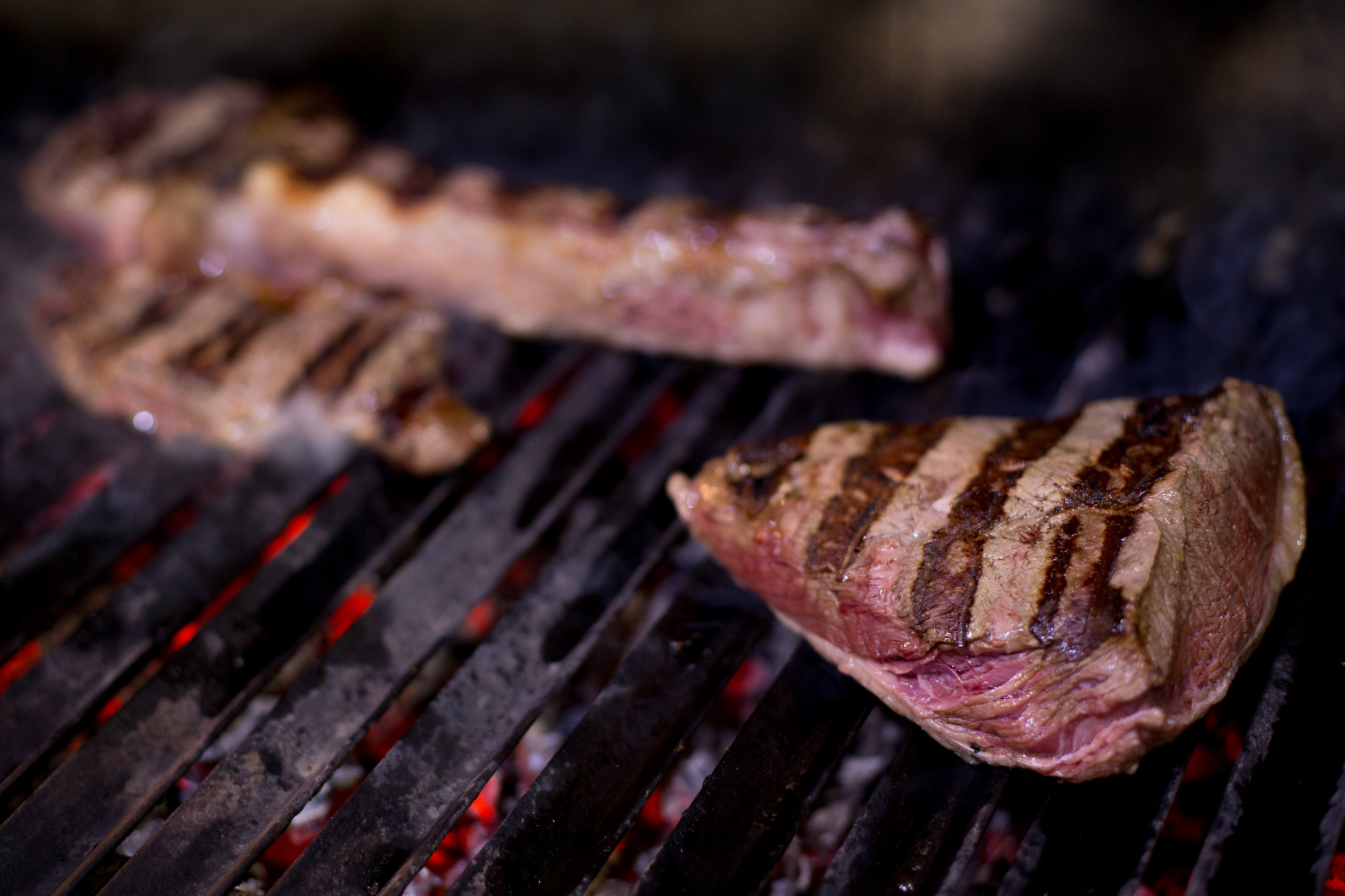
The immediate consequence in the market is competition for lean beef cuts, which are essential for making hamburgers. This has led food-service chains to use premium cuts from American cattle that were previously destined for steaks and barbecues. That change, however, could create a ripple effect, also raising the prices of traditional cuts and affecting an entire consumption chain.