
Latin America has faced several economic problems for some years. Although it has shown a certain resilience in some respects, the continent's development overall remains far below expectations. Sometimes this results from market circumstances, but what generally occurs is a succession of poor economic management.
The World Bank recently forecast 2.4% growth in Latin America and the Caribbean for 2024. For 2025, an increase of 2.6% is estimated. Although this expansion is above the previously released rate, it remains below that of other regions of the world and is considered insufficient to drive the necessary job creation, social inclusion, and poverty reduction.
For Brazil, the World Bank projected growth of 1.4% in 2024 and 2.2% in 2025. According to the report, the country managed to "implement macroeconomic reforms appropriately," which enabled Brazil to become more resilient to possible supply shocks in the economy.
Venezuela and Argentina Remain Sources of Uncertainty on the Continent
Although poverty and employment figures have improved across the continent compared with pre-COVID-19 pandemic levels, Argentina and Venezuela continue to experience increasingly high and uncontrolled inflation.
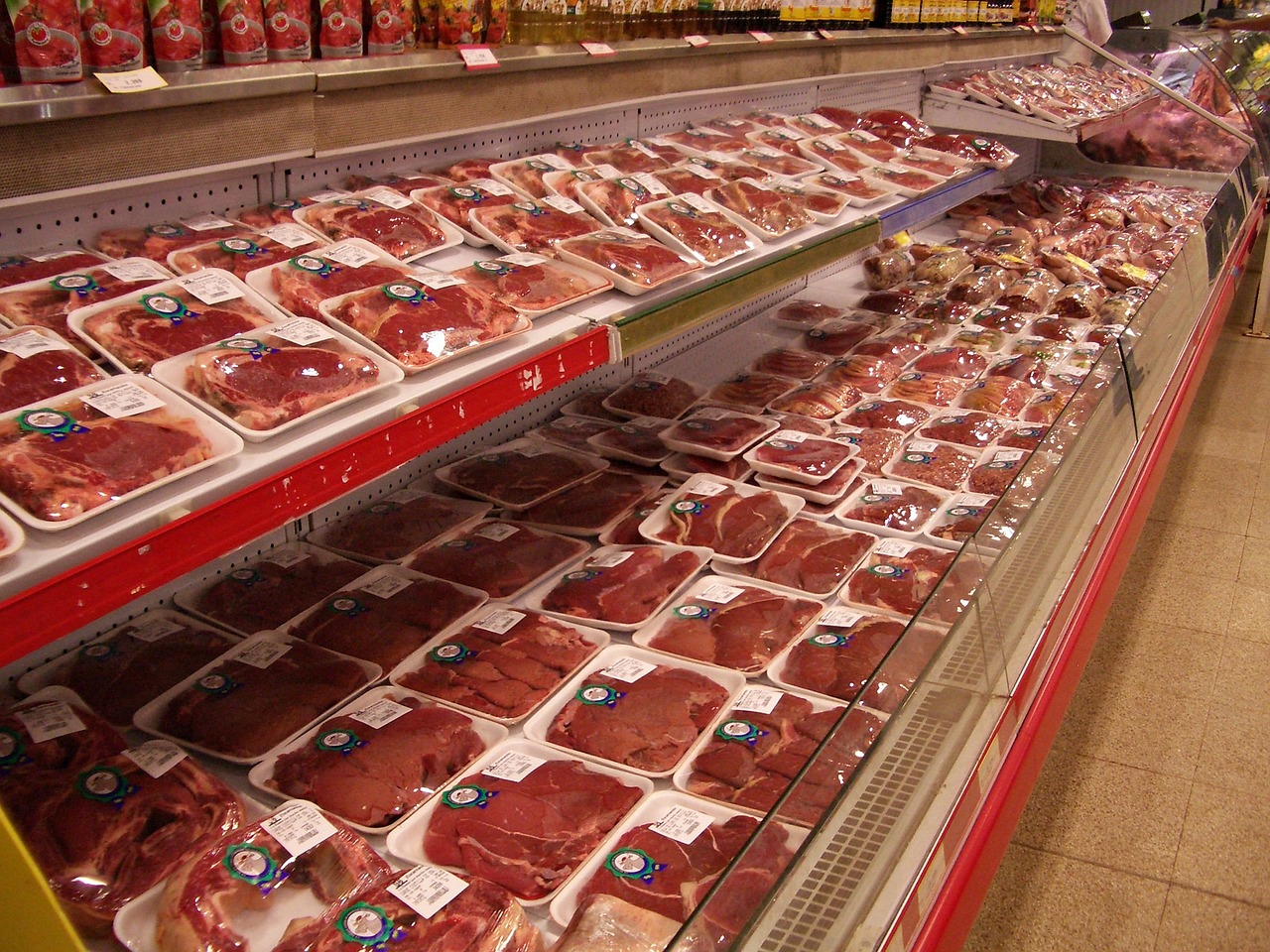
Alongside these factors, there is considerable political uncertainty in both countries. Argentina recently held an election and elected Javier Milei as president, an authentic "outsider" with unconventional ideas who often brings uncertainty to the Argentine people. At the same time, both the private and public sectors continue to raise prices more aggressively in Argentina, further worsening inflation and negatively affecting consumption, at least at the beginning of his new administration.

Venezuela's situation is also delicate and, in fact, even more delicate than Argentina's. Venezuela has faced political and economic crises for years and has been unable to demonstrate any meaningful effectiveness in fighting inflation. The embargo imposed by the United States and part of Europe clearly has a considerable effect on the local economy, but it is not enough to explain the problems caused by government mismanagement.
There is also a recent standoff between Venezuela and Guyana. The Venezuelan government insists on annexing part of the territory that currently belongs to Guyana. This issue has caused a serious border crisis, including the involvement of other countries—such as Brazil—in an effort to resolve the problem.
China's Slowdown Could Also Affect South America
China is one of the main importers of primary goods from Latin American markets. The projections released by the World Bank, however, are not very encouraging for the Asian country. China is still expected to grow by around 5.1% in the current year, but the present forecast is lower than the one released in the previous report. This slowdown is due to persistent domestic challenges, such as a weakening post-reopening recovery, high debt levels, and vulnerabilities in the real estate segment.
The fact is that this Chinese economic environment could affect trade dynamics in Latin American countries, especially those that depend entirely on exporting primary goods. Lower demand for these goods tends to reduce their prices drastically, resulting in unfavorable trade balances and pressure for currency depreciation.
It is important to emphasize that, in many countries, companies exporting raw materials and commodities are state-owned. This means that if China's slowdown reaches high levels, these countries' tax revenues will also decline, posing a threat to fiscal sustainability, which is already vulnerable across Latin American countries.