
In recent years, the financial market has undergone profound transformations thanks to blockchain technology. One of the most impactful innovations is the tokenized market, which is changing how assets are represented, traded, and managed. Based on digital tokens or cryptocurrencies, this market is quickly gaining relevance by opening up new investment opportunities and promoting greater financial inclusion. In this article, we will explore what the tokenized market is, its characteristics, and the benefits it brings to companies and individual investors.
What Is Tokenization? A Simple Explanation:
Tokenization is the process of converting something, such as a house or an investment, into a digital version called a token. This token is stored on a secure network called a blockchain and serves as a representation of that asset. In simple terms, it is like having a digital version of an asset that exists exclusively online but can be bought, sold, or exchanged in the same way as the physical asset.
The tokens generated through this process can be traded on cryptocurrency exchanges and transferred among participants in the system. Thus, acquiring a tokenized asset may be equivalent to, or even reinforce, the acquisition of the same asset in the traditional market, representing the transfer of ownership of the asset to the buyer.
How Do You Tokenize an Asset?
As mentioned earlier, tokenizing an asset is the process of turning a real-world asset into a digital representation, allowing it to be traded through the blockchain. Although this technology is opening new horizons for business and gaining increasing space in the market, many people still do not know how it works in practice.
Although there is no single formula, some steps are essential for digital assets to be properly recognized and put into operation. These steps include:
- Assessment and compliance: The first step is to assess the asset to ensure that it complies with all applicable laws and regulations.
- Platform selection: The entity must choose the blockchain platform and smart contracts best suited to the asset.
- Transfer of ownership: The physical asset must be transferred to the entity that will issue the tokens, thereby ensuring the necessary legal certainty.
- Token issuance: Digital tokens representing fractions of the real asset are then created and made available for trading.
- Trading: The tokens are listed on trading platforms, facilitating their purchase and sale quickly and efficiently.
- Asset management: The responsible company handles the custody and management of the assets on the blockchain, ensuring transparency in transactions.
What Are the Advantages of This Model?
Tokenization offers significant benefits to both sellers and buyers. For both parties, eliminating intermediaries and bureaucratic procedures is a crucial advantage, simplifying the fundraising process and reducing the costs involved.
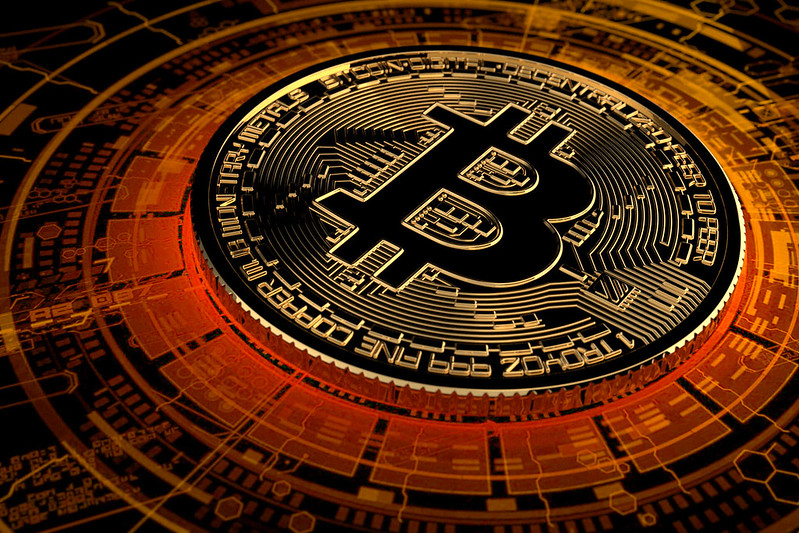
From a macroeconomic perspective, tokenization offers investors the prospect of greater liquidity, since tokens can be traded easily in various markets and converted into different currencies. In addition, transparency is another major benefit, since all transactions and the maximum number of tokens issued are recorded on the blockchain, providing complete clarity. In practice, this enables greater portfolio diversification for a broader base of investors.
How Can Companies Benefit from the "Tokenized Market"?
Like individuals, companies can also reap significant benefits by adopting tokenization in their markets. There are several ways to apply this technology to improve efficiency and innovation in their sectors.
For example, a chain of gyms can use tokenization to turn its subscription plans into tokens, allowing those subscriptions to be purchased and even transferred through the blockchain. Similarly, the company can tokenize student data to ensure each person's data integrity and privacy. This encrypted information would be accessible only within the company's system and by authorized employees.
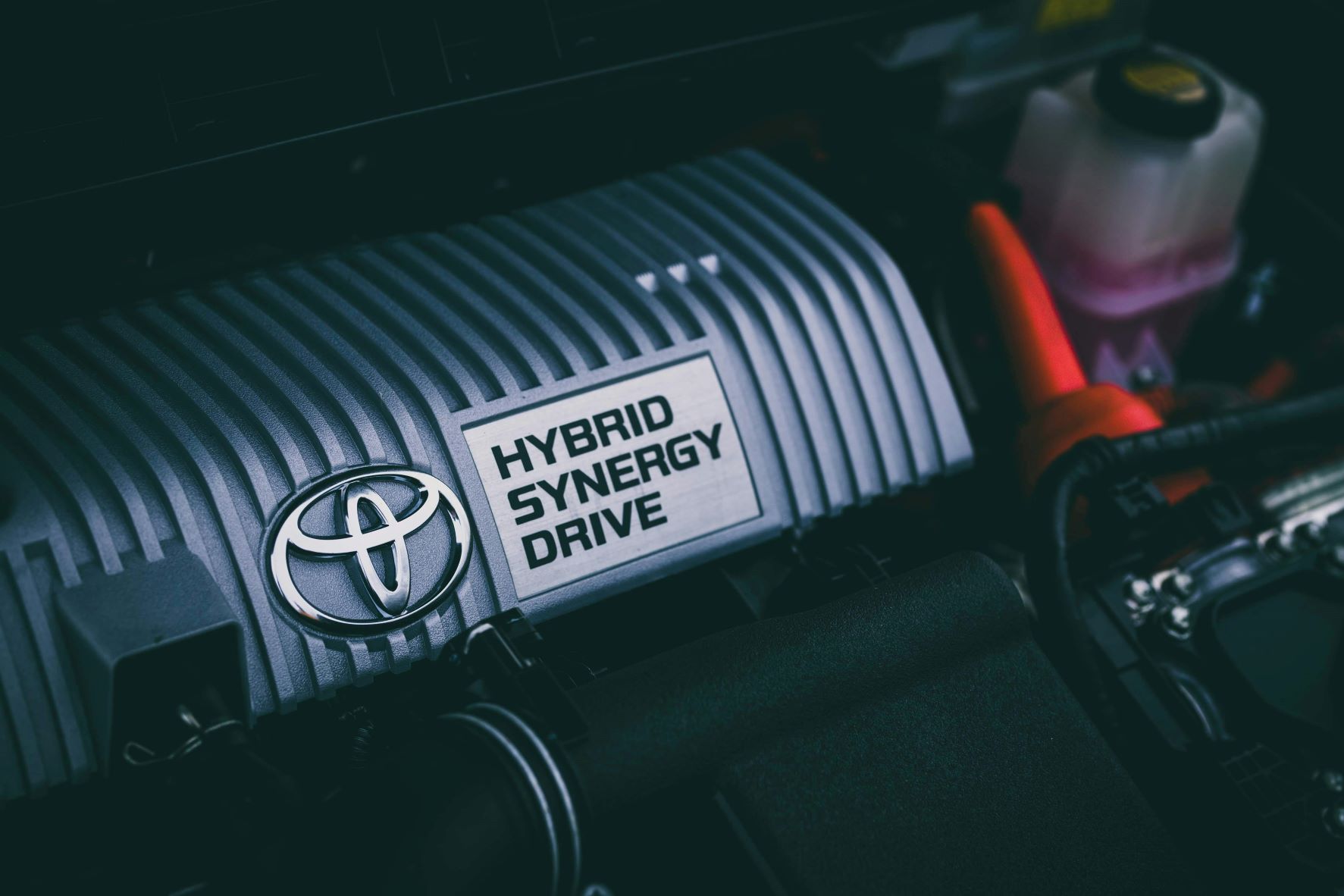
Logistics and the supply chain can also be revolutionized by this model. Information about a specific product that passes through several distribution stages can be tokenized and verified at each phase, ensuring the product's integrity and authenticity more quickly and securely. One notable example is Ford, which has implemented blockchain-based technology since 2019 to track the energy efficiency of its vehicles.
In addition, tokenization can reduce companies' operating costs. Tokenizing ownership of a company makes it possible to divide and offer that asset on a global market, reducing dependence on intermediaries such as banks and traditional brokerages and thereby lowering both the costs and time needed to raise funds. The same principle applies to primary commodities, expanding trading and financing possibilities.