

With the advance of connectivity and technology, online financial transactions have become part of people's everyday lives as a whole. However, this digital environment also brings risks that are more common than they should be, such as dreaded scams and fraud.
To protect your information and avoid losses, you need to adopt security measures. In this article, we provide eight basic and essential tips for keeping your online finances and transactions safer and allowing you to browse with greater confidence. Take a look:
Make Sure You Know About the Additional Security Measures Offered for Your Card
Various companies provide supplementary services to reinforce the security of your credit or debit card.
While some banks provide a secret PIN required for each transaction, others choose to send unique codes to your phone with each purchase, for example. It is important to check the options offered by your financial institution.
Watch for and Distrust Password Requests Made by Phone, Cell Phone, or Email
Financial institutions never request your credit card password or its three-digit security code on the back by email or phone. This information is strictly confidential and must not be shared with third parties. Therefore, remain vigilant about any communication that appears to come from a bank or other financial institution asking for such data. In addition, avoid providing personal information such as your parents' names and especially any security codes.
Be Suspicious of Links Sent to You
It is crucial to be cautious when dealing with links received by email, social media, SMS, or even WhatsApp. By clicking an unfamiliar link, you may inadvertently open a door for intruders to access your device and steal personal data. In addition, these links may redirect you to fraudulent sales pages offering fake or nonexistent products.
The key recommendation is to avoid clicking any link whose origin you do not recognize and, if you decide to access it, refrain from entering any personal data or making purchases. If you receive a message containing a link from someone you know, it is wise to contact that person through another communication channel, such as a phone call, to confirm that the message is authentic.
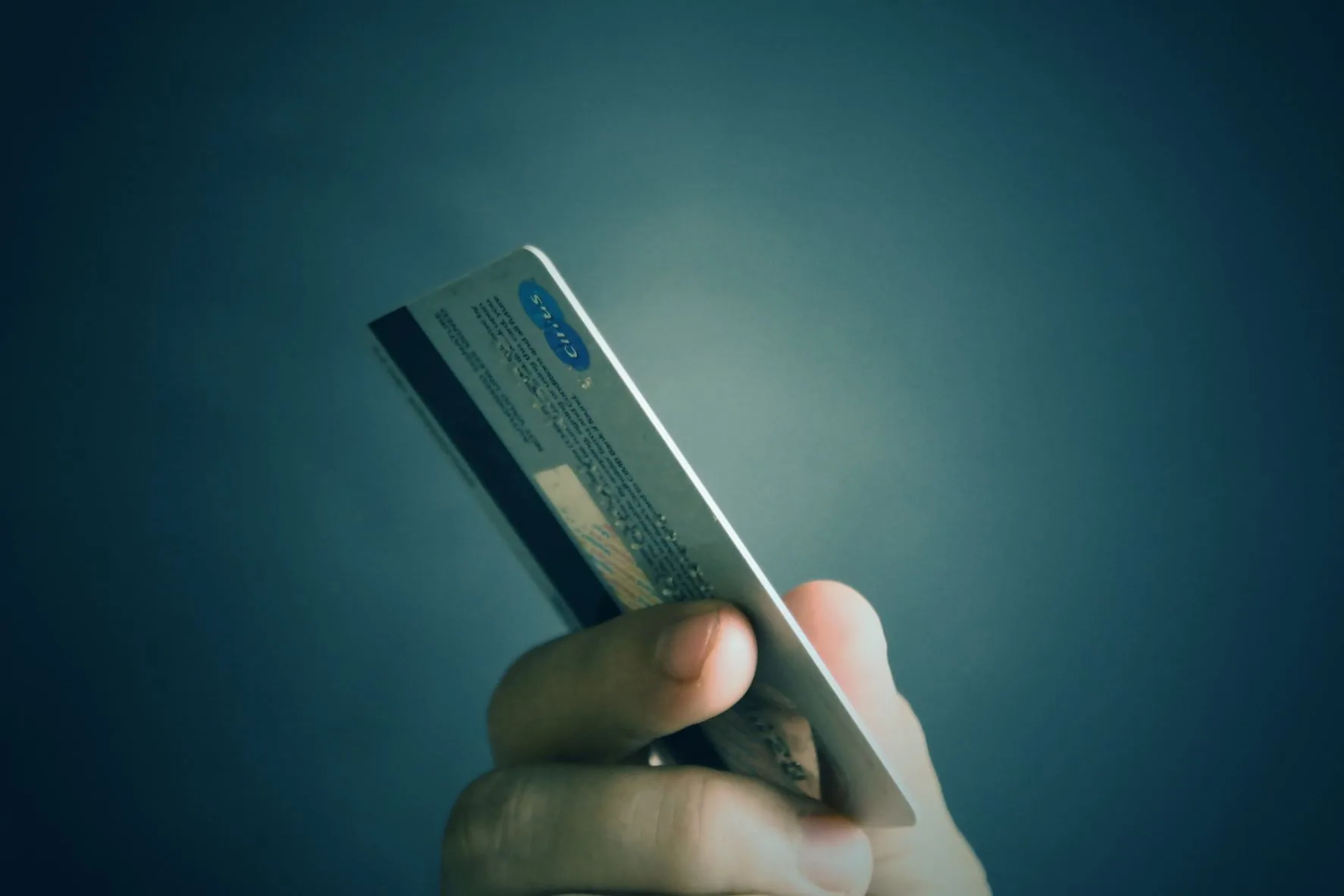
Do Not Give Your Password or Card Details to Third Parties
This recommendation is important not only for strangers but also for relatives, friends, and partners, especially if they often make online purchases. Even if you trust that they will not use your card without permission, the more people who have access to your data, the more opportunities scammers have to act.
Even if an attack targets their devices, the data they may have stored belongs to you. With the card number, security code, and personal information, anyone can make online purchases in your name using your financial resources.
When You Receive Unknown Emails, Check the Sender's Domain (xx@companyname.com)
When receiving emails from an unknown source, it is crucial to check the sender's domain to avoid falling for financial scams. This is because scammers often use fake email addresses that resemble those of legitimate companies but have small variations in the domain. By carefully checking the sender's domain, you can identify discrepancies and avoid opening fraudulent messages intended to deceive you.
These emails have lately tended to be almost identical to the real ones from companies, which makes dealing with this type of fraud considerably more difficult for some people. When in doubt, avoid clicking links in these emails, or check where those links lead before opening them.
To check, you can hover your mouse over the link on a computer and see whether it leads to the official website of the company in question, for example: https://google.com/extensão-do-link/. On smartphones, you can press and hold the link and copy it. If you consider a link suspicious, do not open it.
Pay Attention to Monitoring Notifications
Financial institutions often send text messages to your phone notifying you about the latest transactions made with your card. However, it is now common for people to ignore these messages, which may result in a failure to notice fraudulent activity. It is therefore essential always to pay attention to monitoring notifications and, if you see an unfamiliar purchase, immediately contact your bank to report it.
Be Suspicious of Loans with Very Low Interest Rates or Products Offered Far Below Market Prices
We should be suspicious of loans with very low interest rates or products offered at prices significantly below those found on the market to avoid falling for financial scams, for several important reasons. First, offers that seem too good to be true generally are exactly that—false. Scammers often use extremely low prices as bait to attract unsuspecting victims. In addition, loans with very low interest rates may hide "obscure" clauses or "hidden costs" that ultimately harm the borrower. It is therefore essential to maintain a critical eye and exercise caution when considering financial offers that appear excessively advantageous, as they may be signs of a potential scam.
When Shopping Online, Examine the Store's Website Carefully
To ensure the safety of your online purchases, it is advisable to choose trustworthy websites that display a security seal, identified by the padlock in the address bar. In addition, it is essential to keep your computer protected with antivirus, firewall, and anti-spam software. When shopping on a new website, it is wise to save information such as the website's name, the company's CNPJ registration number, the items purchased, prices, and the order or protocol number. Avoid saving your data in the browser, choosing instead to enter it manually for each new transaction.