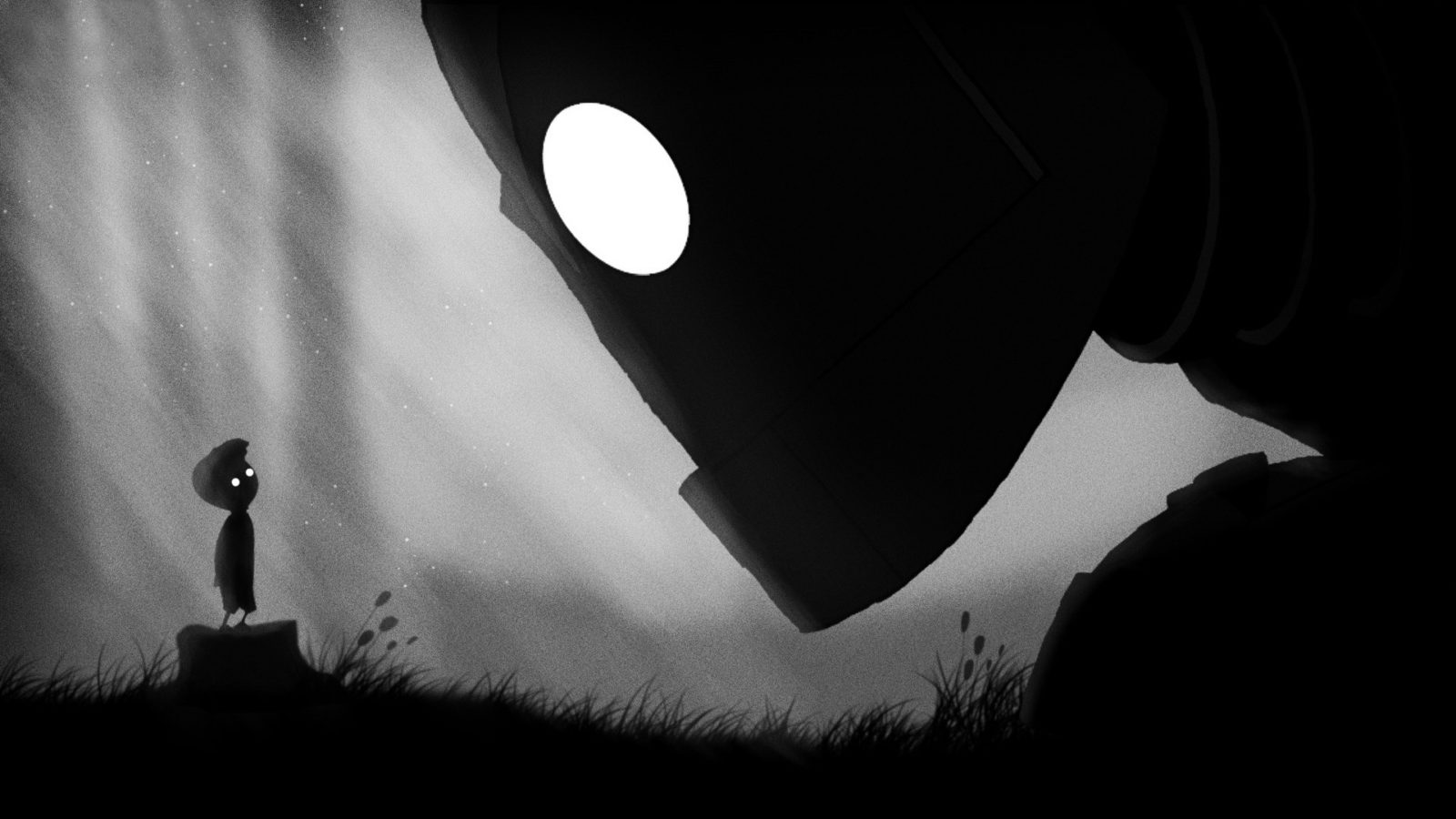
According to the Michaelis Portuguese-language dictionary, the word limbo means "the edge of a surface, oblivion, a place between heaven and hell." Knowing these definitions helps us try to understand Limbo, an award-winning game that, like so many indies, reminds us that games are also works of art. With a vague plot open to player interpretation, the title won over many people through its dark theme, satisfying difficulty, and unique art. It is a genuine adventure that motivates us to reach the end so we can understand what was happening, or at least free its protagonist from that possibly sad reality.
At the very beginning of the adventure, we realize that Limbo is not exactly a platform game intended for children.
Limbo blends puzzle and platform elements. Developed and published by Playdead, it was originally released as an Xbox 360 exclusive through Xbox Live Arcade in July 2010 and subsequently rereleased many times for various platforms. It can now also be found on PlayStation 3, PlayStation 4, Windows, Xbox 360, Xbox One, Switch, PlayStation Vita, iOS, and Android. Below is the Limbo trailer.
Curiosity: Limbo found success with the public almost immediately, selling around 300,000 units in its first month and more than one million in its first year, when it remained exclusive to Xbox 360.
Behind the scenes of Limbo
From the beginning of the Limbo project, director Arnt Jensen aimed to achieve three principal objectives: 1) the game's art would be minimalist, with an original atmosphere and without highly detailed characters; 2) the character controls would be simple and intuitive—walking, jumping, and grabbing—and therefore accessible to anyone interested in the experience; 3) the game would have no tutorial or explanatory text, leaving players to learn how to play for themselves and interpret the plot.
Much of Limbo's initial design apparently changed during development. The encounters with giant spiders were originally supposed to take place closer to the end of the adventure, while more events involving other characters would also have been present.
Tense images for a platform game involving children. Do you not agree?
The project was initially planned as a free Windows title, but the developers changed their minds after the game reached an advanced stage of production. Many outside investors in the project requested the addition of multiplayer modes and adjustable difficulty levels—typical features of modern games—but were ignored.
The Limbo development team varied between eight and 16 programmers during its development cycle. It launched as a timed exclusive on Xbox Live Arcade and was the first title in the annual promotion called "Summer of Arcade." According to producer Mads Wibroe, the decision to release it first on Xbox 360 was intended to combat piracy when the title had just entered the market, something that would have been difficult to control had it arrived simultaneously on Windows.
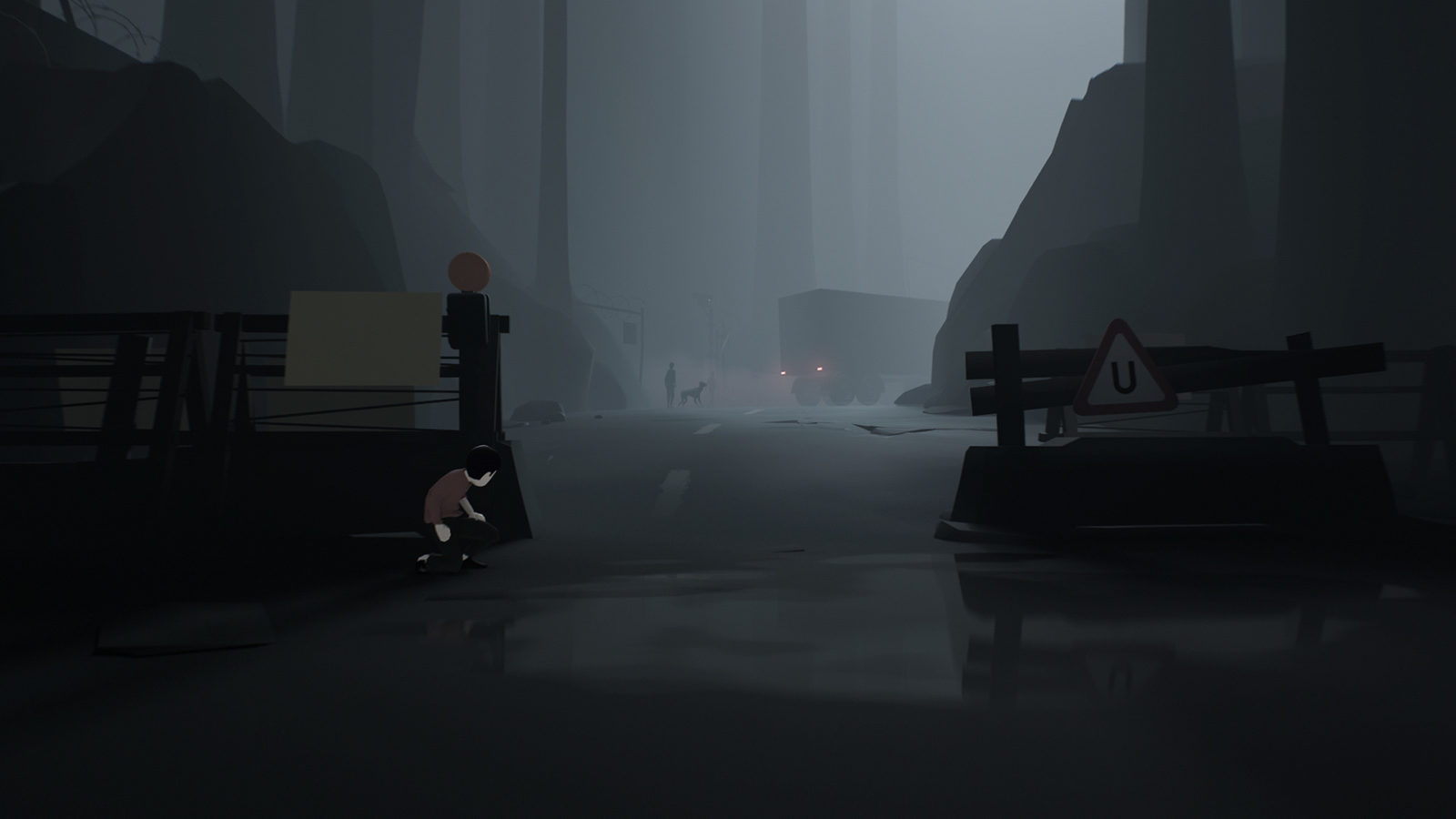
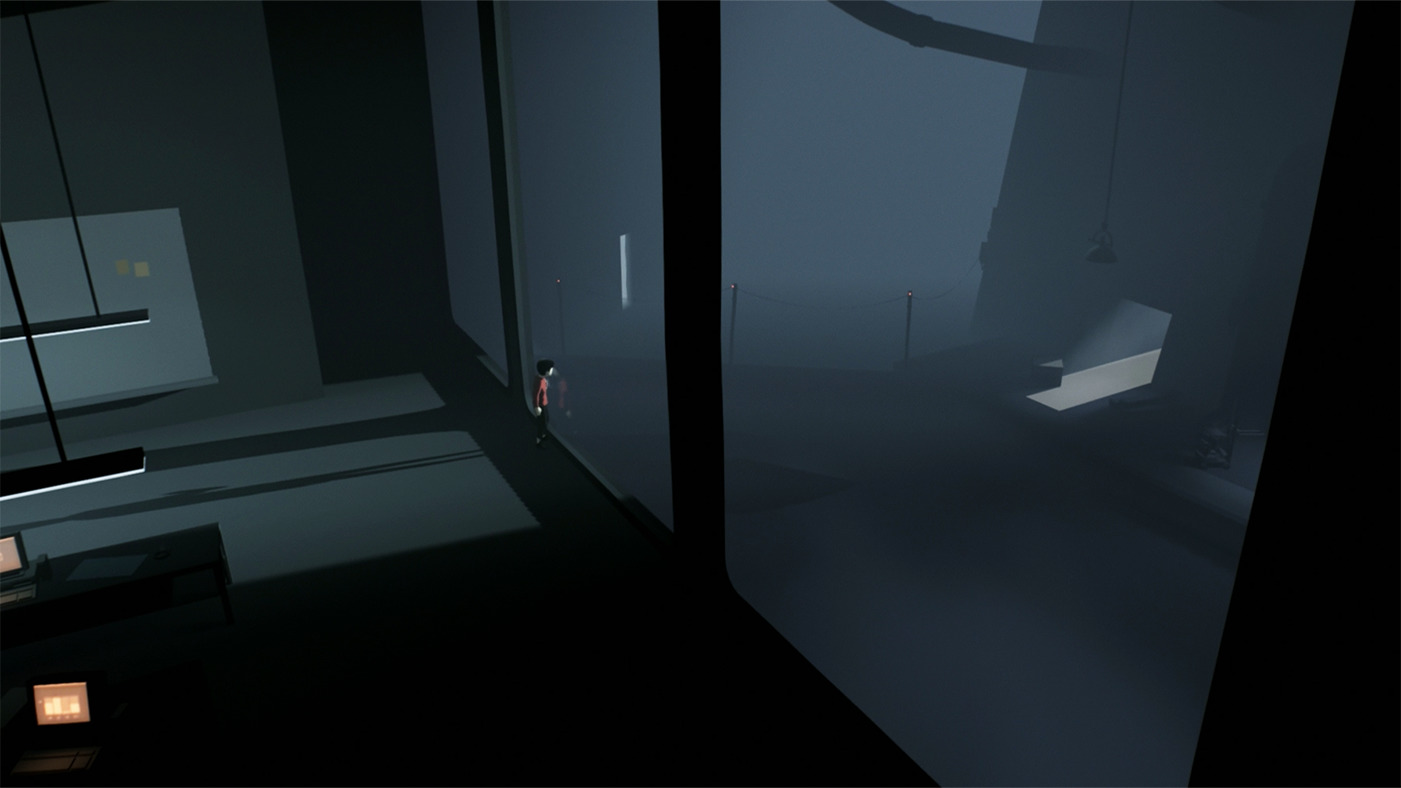
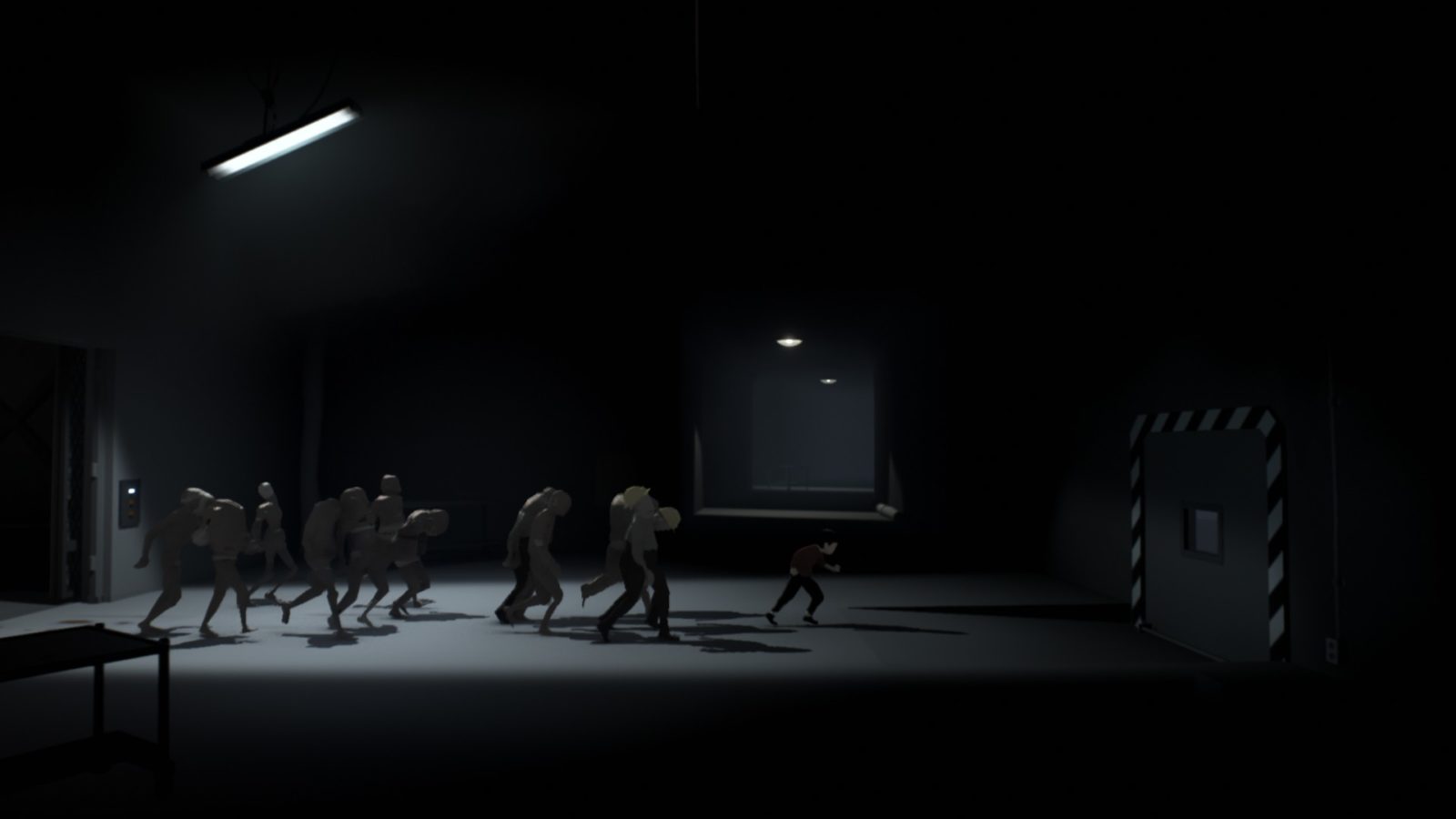
Curiosity: In June 2016, Xbox One received the brief timed-exclusive launch of Playdead's second game. Many consider Inside the spiritual successor to Limbo, and it retains the essence of a game that blends platform and puzzle elements. As highly awarded as its predecessor, it was even nominated for Game of the Year at The Game Awards. It is a wonderful title that deserves to be played, but that is a subject for another review.
Plot and narrative
As stated in this review's introduction, Limbo's plot is open to interpretation, so what follows is part of how I understood its events. There are no significant spoilers capable of negatively compromising the gameplay experience.
The protagonist, apparently a male child, awakens in a colorless place that resembles a forest. As he moves forward, everything indicates that the boy is searching for his missing sister, but when he finds a female character, she moves away. Other human beings are seen, all childlike in appearance, but they are hostile and attack without warning. At this point, we may recall that according to some religious interpretations, limbo is the place where the souls of those who were never baptized would go, which could explain the prevalence of children in this environment. We see a similar situation in the incredible game Dante's Inferno.
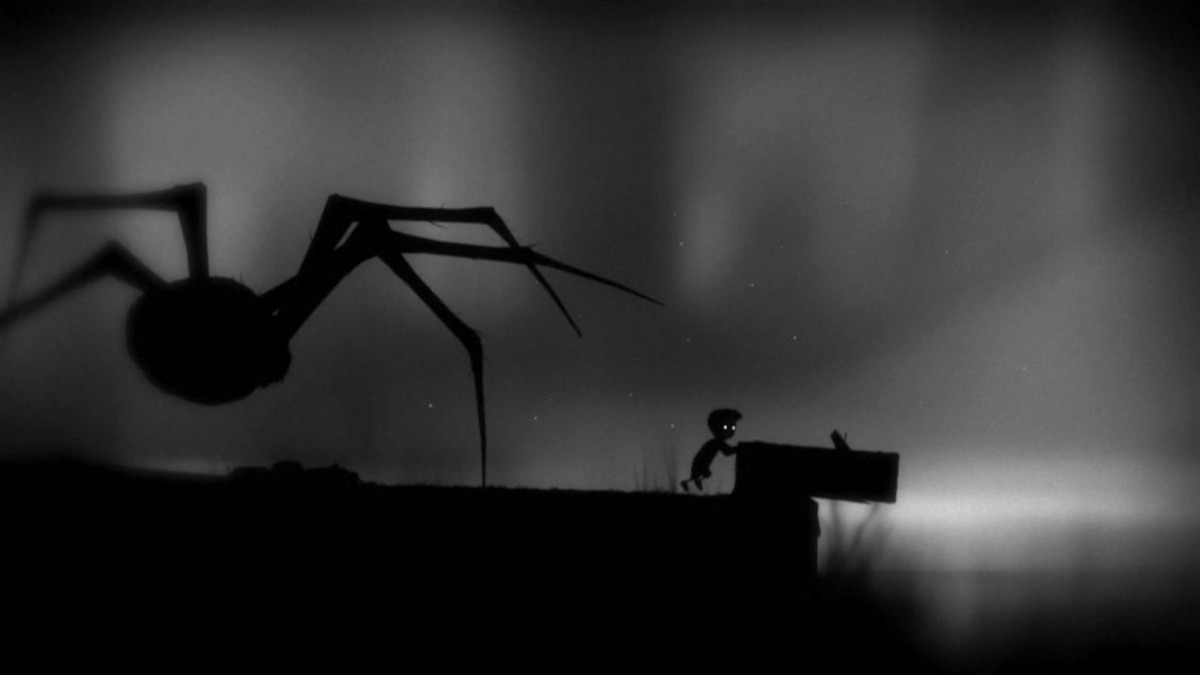
Encountering this spider near the beginning immediately places us within Limbo's dark atmosphere.
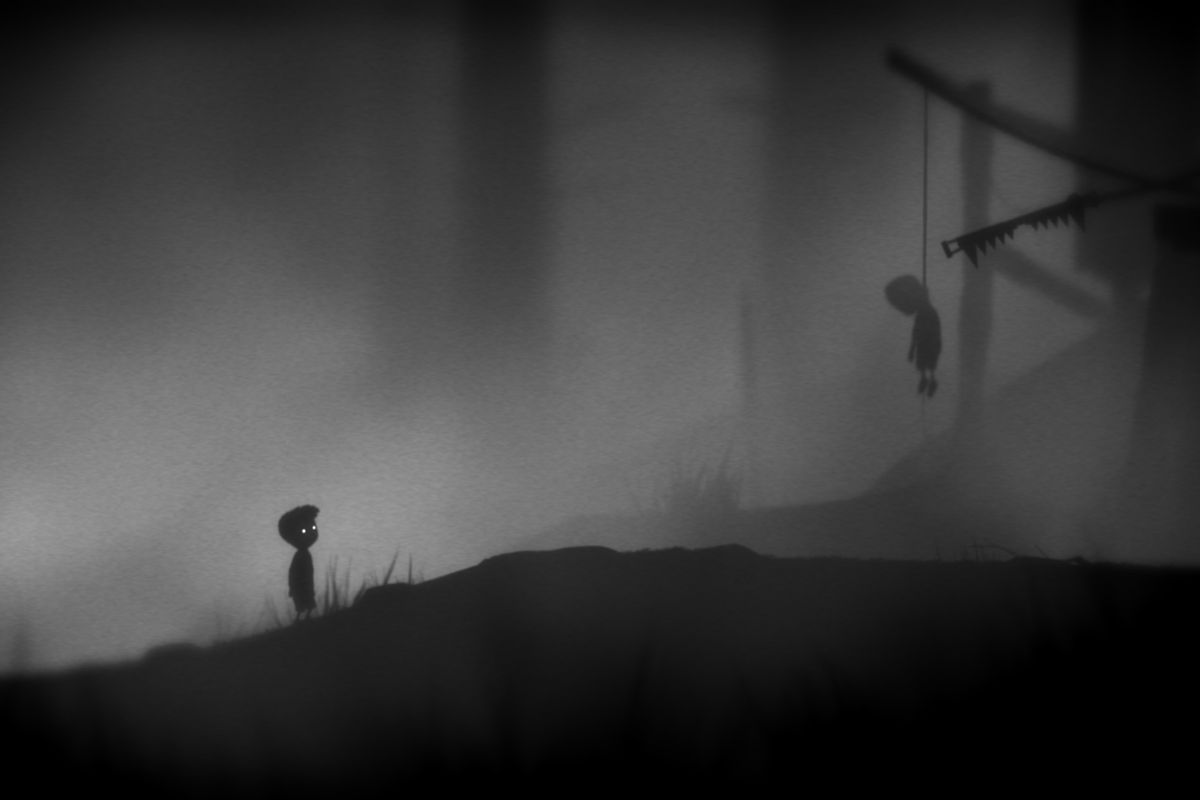
Limbo's narrative unfolds only through what we see in the environment, leaving players free to understand where the protagonist is and what his objectives are. It is not long before we find hanged children and a giant spider. It is worth remembering here that arachnophobia is among the most common fears experienced by people around the world. In other words, it is not impossible to imagine that the enemies are materializations of the protagonist's fears. Another detail worth mentioning is that we find dead children in the environment, as shown in this review's first image. This alone shocks us, since a platform game is expected to be "family-friendly." I emphasize here that not even GTA includes children in its content, thereby preventing us from seeing them dead or killing them.
Limbo and its dark atmosphere.
Technical review
Limbo's graphics are quite simple, dominated by black and white. Together with its sound characteristics, this makes the setting mysterious, and critics often associate it with horror, film noir, or German Expressionism. Everything is well animated and allows us to distinguish easily between harmful and harmless objects throughout the adventure. The campaign's art style is its greatest highlight, as in the death animations, which are highly unsettling for players.
Limbo's gameplay is simple, consisting of running, jumping, pushing, and grabbing ledges, all with the aim of ensuring the protagonist's survival and solving puzzles, the gameplay's defining feature. Recognizing environmental traps and avoiding or disabling them forms part of the game from the very beginning of the campaign.
Violent death animations make us careful during the adventure.
Limbo's difficulty is low, and the vast majority of its puzzles are quite intuitive. Carefully analyzing the environment around the character is enough to quickly understand what to do and continue the adventure. During development, the aim was to produce puzzles that were not as easy as those in Uncharted 2 but not as difficult as those in Prince of Persia (2008), making Limbo's puzzles a balance between these two sources of inspiration.
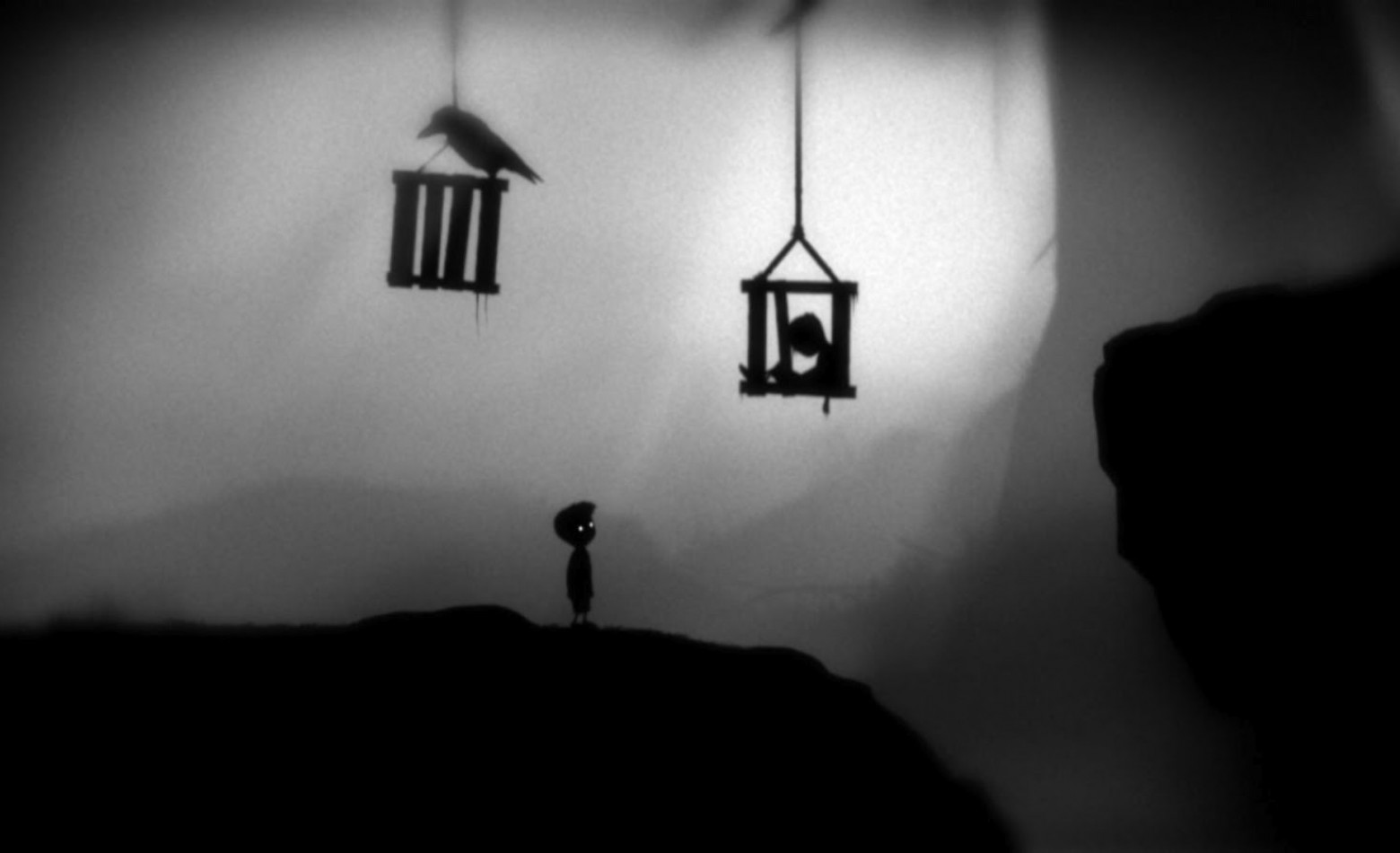
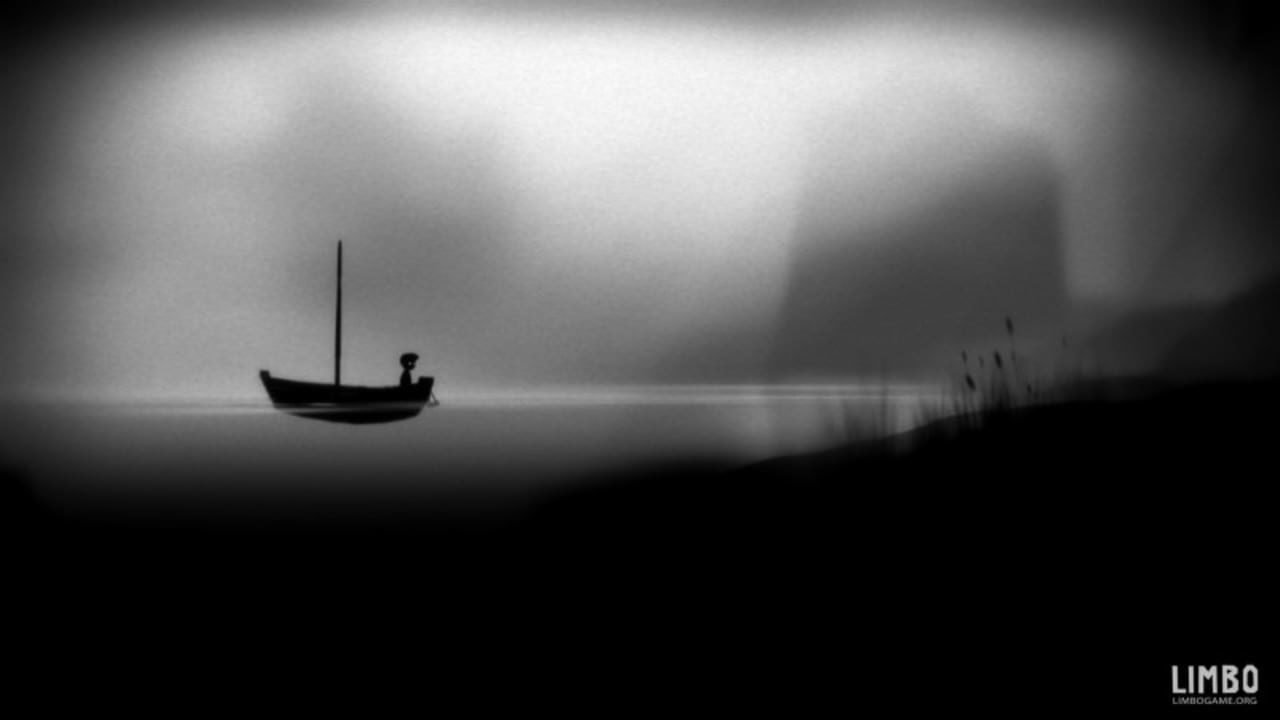
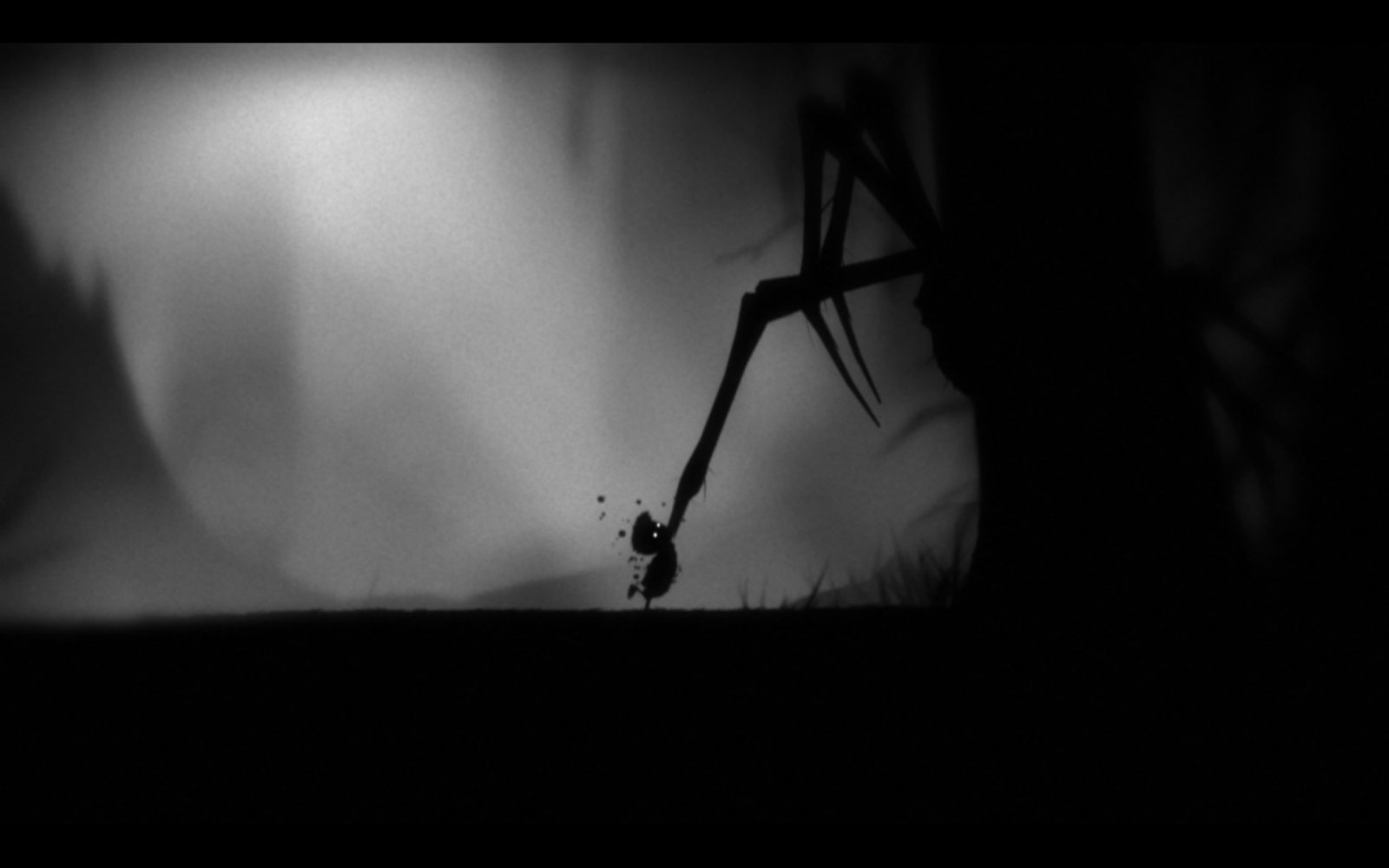
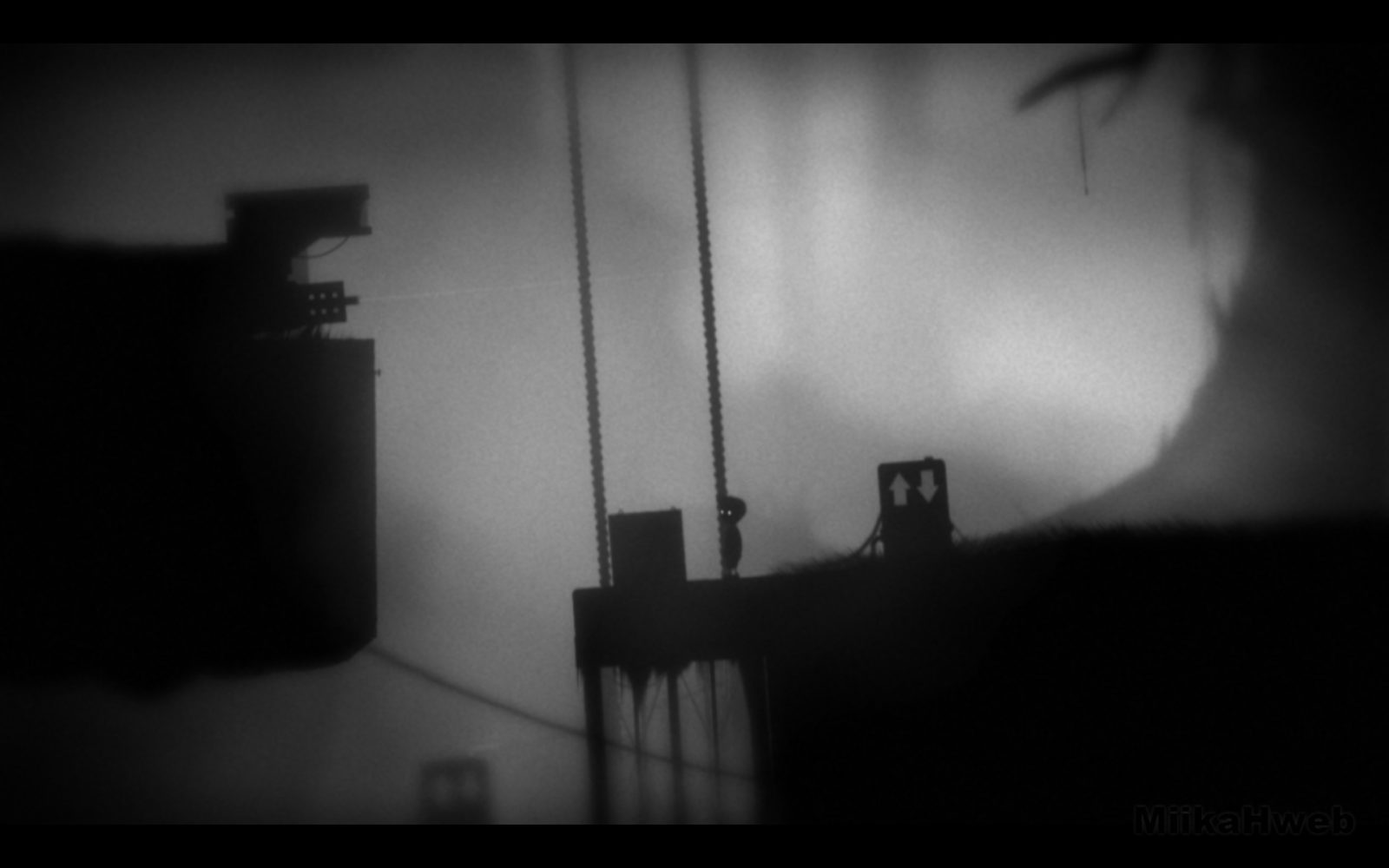
Simple puzzles form part of Limbo's gameplay.
The campaign is quite short, which much of the critical community treated as a negative point. On a first playthrough, players will probably take around three hours to reach the end, provided they die a fair number of times and become stuck on some puzzles closer to the end of the adventure. Personally, I do not see this as a problem and believe that a longer campaign could have made the experience tiresome and undermined the entertainment the title offers.
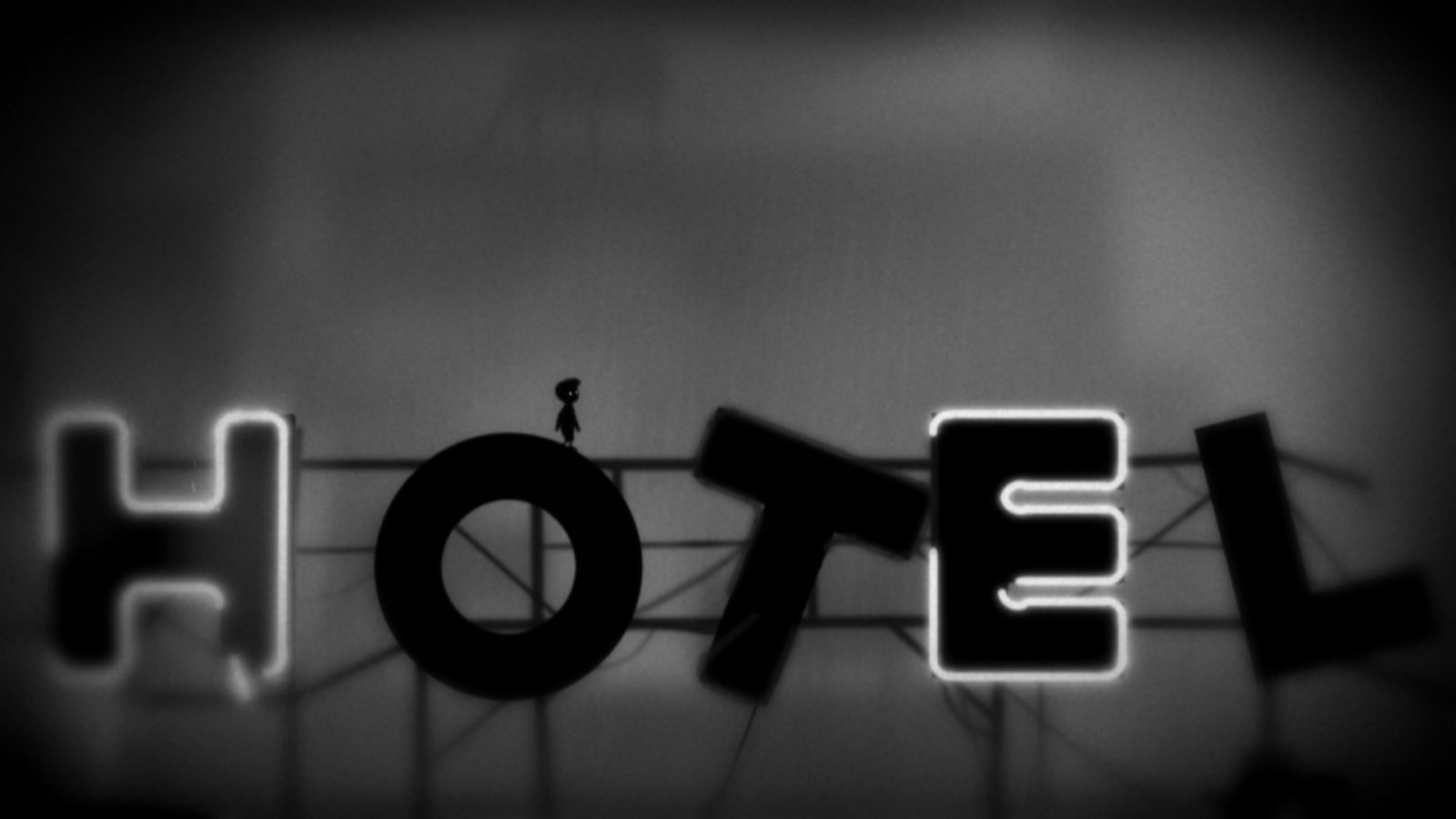
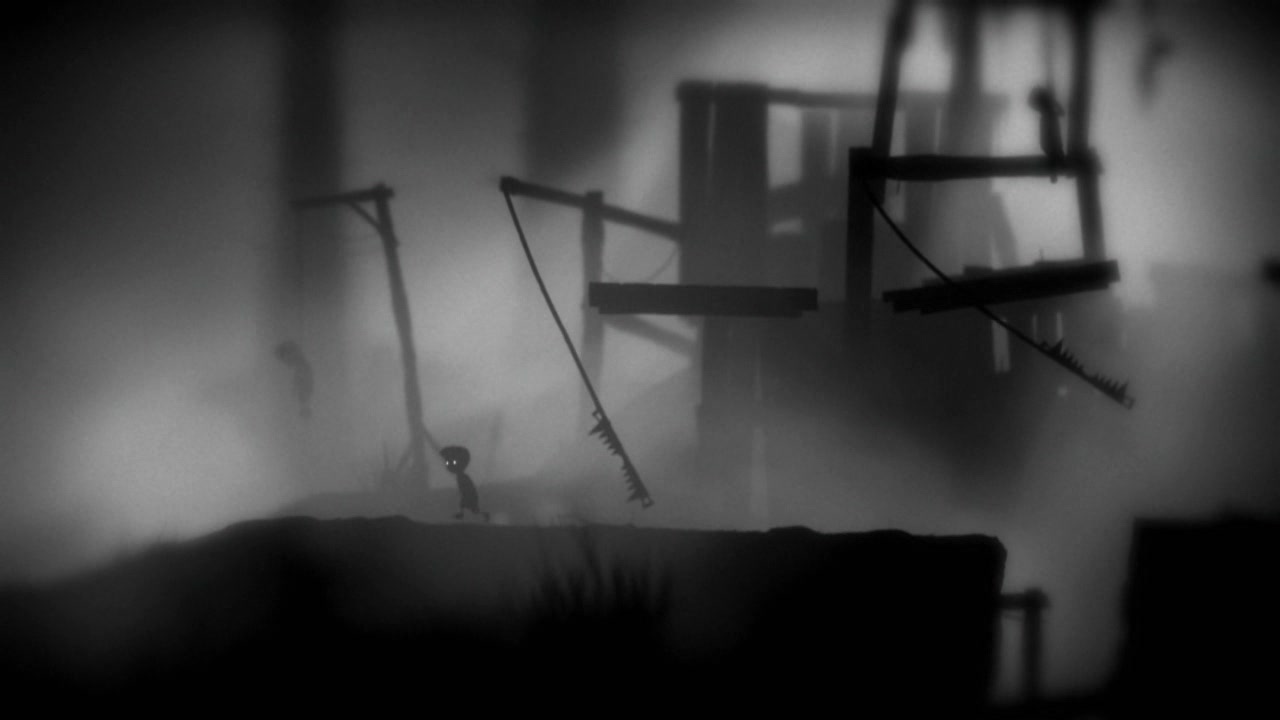
Elements from our world blend with the game's dystopian reality.
The replay value is very low. With a short and highly linear campaign, players will have no reason to play Limbo again after obtaining the trophies. The artistic quality present in the title is nevertheless so great that players may be interested in experiencing it again or at least showing it to other people.
The level of enjoyment offered by Limbo is high, but only for those willing to try something different within the platform genre. With a protagonist who is not especially capable and no cheerful music, we must recognize the creators' intention behind the work. Limbo is indeed a platform game, but it is not for children to play. During a playthrough, we must constantly pay attention to our surroundings and always remember the protagonist's fragility. Nearby checkpoints show that we genuinely die often and must learn from our mistakes. As I said in the review of Journey, this is one of those cases in which we must allow ourselves to have a different experience to enjoy the game as it should be enjoyed.
We must remain constantly alert to traps in Limbo.
Deaths in Limbo are highly violent and even macabre. According to the developers, besides contributing to the game's atmosphere, this was also intended to make players avoid future mistakes and thereby prevent them from watching those uncomfortable scenes again. Limbo's music and sound effects are among the title's most controversial factors, and many critics stated in their reviews that the game had no soundtrack at all. That is incorrect.
Limbo's soundtrack was composed by Martin Stig Andersen, a formally trained musician specializing in acousmatic music, which is used during the game. This little-known musical style encourages listeners to interpret music without knowing the origin of its sound source, while elements such as melody, harmony, and rhythm receive limited use. According to Andersen, these arrangements help evoke emotions in players. In other words, those playing should interpret not only Limbo's plot for themselves, but its music as well.
Below is Limbo's controversial soundtrack.
Curiosity: Limbo's creators have walls filled with trophies. Even before release, they had already received awards for technical excellence and visual art at the 2010 Game Developers Conference. That same year, GameSpot named it "best downloadable game." After release, it was nominated at the European Milthon Awards for Game of the Year, Best Independent Game, and Best Visual Art. At the Spike Video Game Awards, it won Best Independent Game. These were only some of the many awards the title received, which certainly gave the studio confidence to continue with its next game featuring a similar theme.
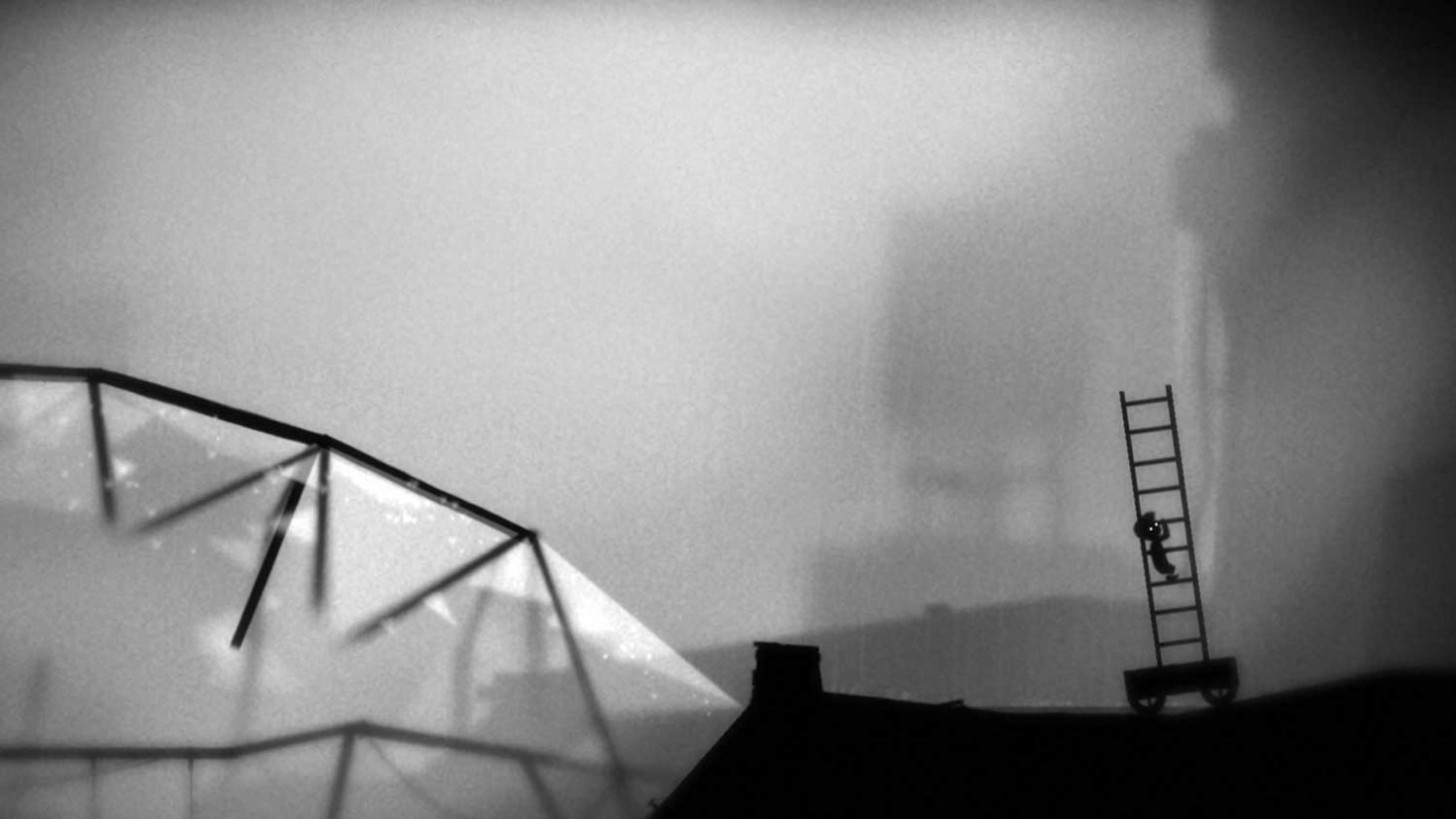
Completing Limbo's adventure requires coordination between reasoning and skill.
Played on Xbox One.