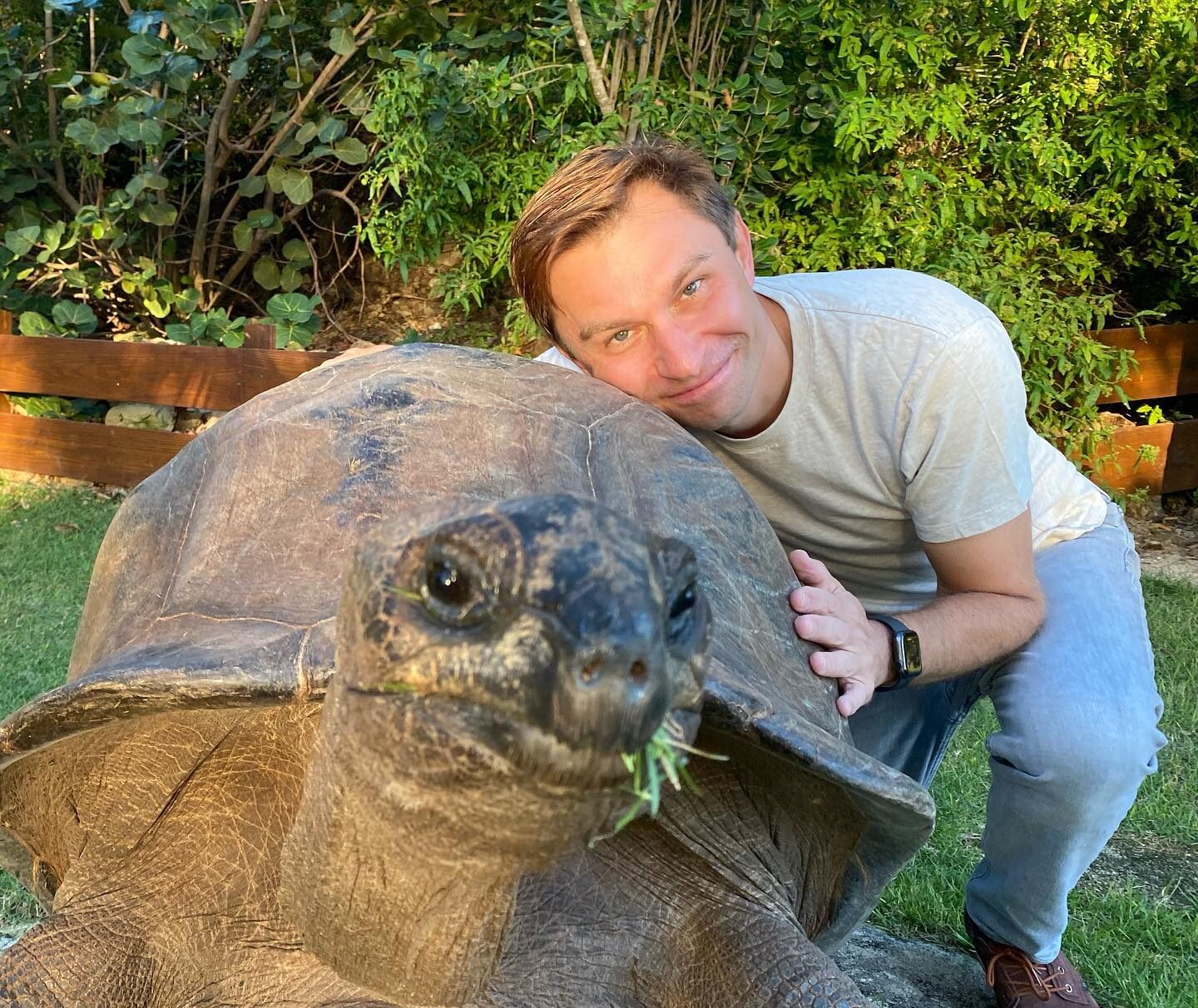
What if it were possible to enjoy a prolonged existence, living past 100 with a lucid mind and a strong, active body? Although it may sound "utopian," that is the goal Australian genetics professor and PhD David Sinclair wants to achieve.
David Sinclair is a renowned geneticist and researcher in aging and longevity, as well as a professor at Harvard Medical School, one of the world's leading universities. He is known for his innovative work in molecular biology, particularly concerning the role of our genes in the aging process.
He is currently one of the leading figures in the science that studies aging and its factors, whether they are genetic a priori or not. But what does David Sinclair have to say about aging?
How Can We Age More Slowly?
Sinclair believes longevity is connected to a series of healthy habits, including a balanced diet, regular physical exercise, quality sleep, and a low-stress routine combined with satisfying activities.
The geneticist gained prominence in 2003 with his research into resveratrol, an antioxidant naturally produced by plants to protect the body from damage and pathogens. When consumed, this compound, found mainly in red wine, proved capable of slowing the aging process. The significance of this case was so great that media outlets such as The New York Times devoted space to discussing it.
In several interviews, Sinclair said he includes resveratrol in his own diet, but emphasizes that the results are not immediate. According to him, many people expect to see an instant transformation, but that is not how it works. It is like an investment in the future.

In addition to resveratrol, he also uses supplements and medications such as NMN and metformin. NMN is a compound found in every living cell that increases levels of NAD+, which is essential for regulating mitochondria. Sinclair points out that NAD+ declines with age and sees these supplements as a kind of "fountain of youth," bringing us closer to this much-sought concept.
Regarding diet, Sinclair is convinced that the population habitually eats too much and too often. He therefore emphasizes the importance of changing this pattern, arguing that it is essential for people to eat less. He is not talking about malnutrition or starvation; what he seeks to explain is that fasting can be a useful and beneficial practice for promoting longevity.
According to Sinclair, How Do People Age?
In September 2019, Sinclair published the bestseller Lifespan: Why We Age – Why We Don’t Have To (Lifespan: Why We Age – Why We Don't Have To), a book in which he argues that aging is not inevitable and that there is no biological law determining that we must age.
In the book, he also discusses the Information Theory of Aging, which proposes that the human body stores two main types of information: digital and analog. The first refers to the genome, which can last for more than 80 years. The second is the epigenome, a structure inside the cell that regulates which genes will be expressed and which will remain silent. The researcher explained to InsideTracker: "Because analog information is harder to preserve, it is the first to deteriorate. And that, in my opinion, is what triggers the aging process."
It Is Not All Smooth Sailing
Despite recognition, awards, and publications in some of the world's most renowned scientific journals, the professor ultimately became a controversial figure in the scientific community. Some see him as a "skillful salesman" who exaggerates when promoting his work.
One of the most recent controversies involving David Sinclair arose from the disclosure of a study that claimed to have discovered a cocktail of chemicals capable of rejuvenating patients who took it. The study was published in the scientific journal Aging, where Sinclair serves as coeditor, and reveals several molecules that, when combined, have the potential to reverse the cellular aging process.
The study was submitted to the journal Aging on June 30, accepted on July 4, and published on July 12 of last year. Many in the scientific community point out that one week is an extremely short period for peer review, especially considering that July 4 is a holiday in the United States.

Experts note that the Harvard study is genuinely interesting and innovative, but is still at a very early stage. Some of the compounds mentioned have already been investigated in previous research, but they may cause health problems such as liver damage.
Another problematic issue in the research is that, as reported in the published article, the scientists claim to have changed the age of only one specific type of cell rather than the organism as a whole. Despite all the controversies, there is still no definitive positive or negative outcome; after all, scientists commonly debate until they reach a conclusion.
Nevertheless, David Sinclair appears to have been committed to reversing aging for decades. Resveratrol has already proved an important part of the subject and is now sold in pharmacies and markets throughout Brazil as a powerful antioxidant, for example.
What Else Can Be Done to Prevent Aging?
Following a plant-based diet, David Sinclair removed sugar and meat from his diet to avoid discomfort and prevent diseases such as diabetes, obesity, and heart problems. "I rarely eat anything other than plant and nut-based foods, including milk," he said in an interview with GQ magazine. He also says he consumes alcohol on almost no occasions.
Practicing meditation, exercising regularly, using vitamin supplements, and maintaining a balanced diet that includes foods rich in resveratrol, which is present in berries, peanuts, and red wine, are also on his list.
Another of Sinclair's methods for rejuvenating himself is fasting. The researcher regularly skips breakfast, although he warns that beginning an extended period without food can be harmful to younger people. According to the specialist, the three regular meals per day that are generally recommended are not ideal for longevity, because longevity genes can be activated through fasting.