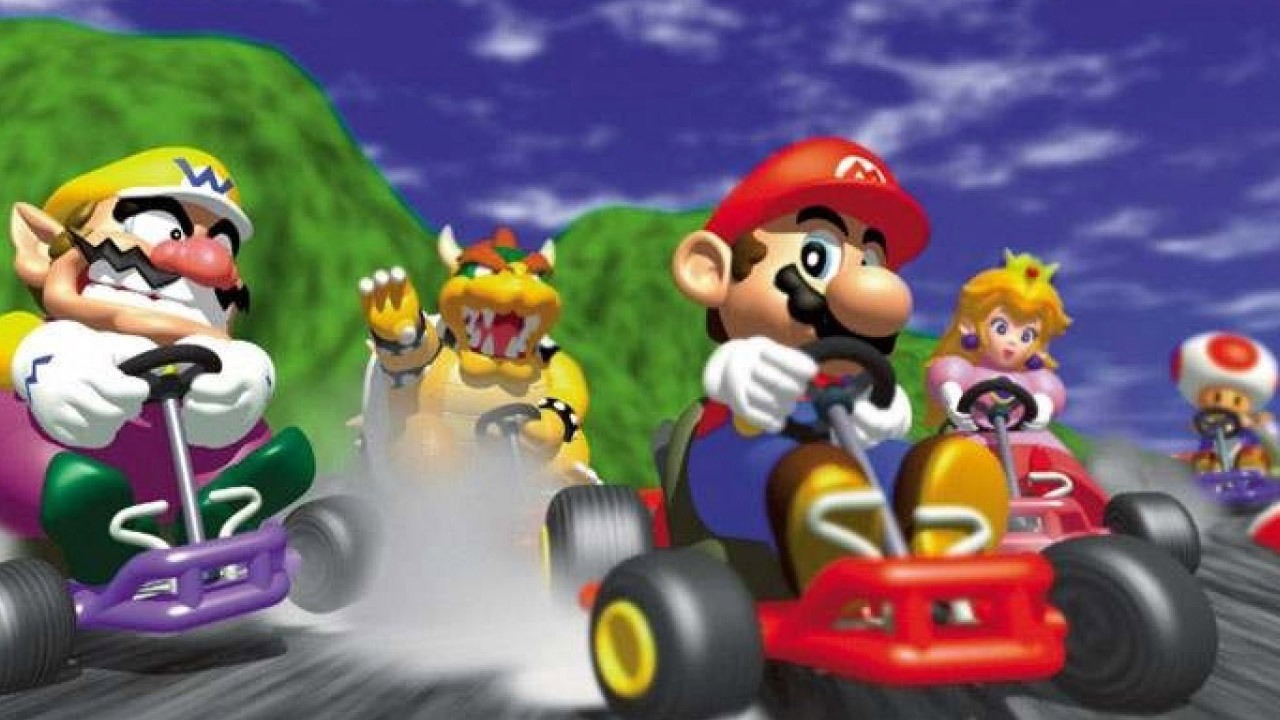
The Nintendo 64 faced a difficult task: it reached the market almost two years after its main competitors and lost many of its former third-party partners when Nintendo decided to retain the old cartridges for its new console. The company therefore needed to establish its foundation in the system's first year so that everything would not go down the drain. Launching the console with the masterpiece Super Mario 64 was unbelievable in the eyes of the competition, but it was not enough: the four controller ports needed to be used.
Still within its first year, consumers therefore gained access to Mario Kart 64, the second title in its leading racing franchise. After this, everyone realized that Big N's lack of partners would not be such a serious problem, because the company was self-sufficient and capable of satisfying consumers who bought its new platform on its own.
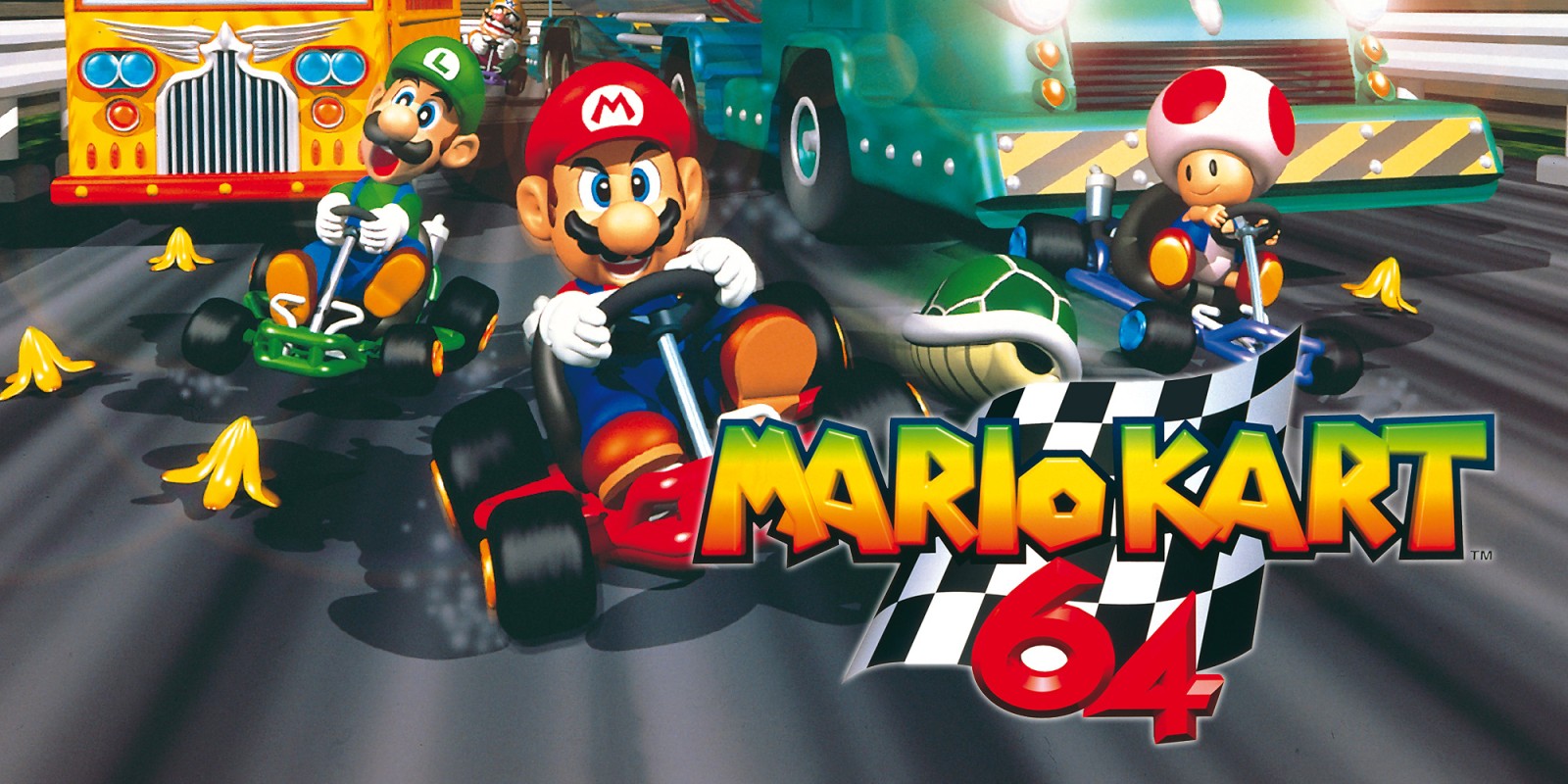
Nintendo's incredible ability to choose a genre and turn it into a party.
Mario Kart 64 is a racing title released in 1996, developed and distributed by Nintendo. It is the franchise's second title, and its innovations included bringing the series into the 3D world, support for up to four players, and the famous blue shell.
Fun fact: The Mario Kart franchise proved commercially strong from its Super Nintendo debut, and its sequel was no different. Mario Kart 64 achieved the incredible mark of 9.87 million units sold, making it the console's second best-selling game behind only Super Mario 64.
Note: We recommend reading the review of Super Mario Kart before this one for a better understanding of the changes made to the franchise.
Behind the Scenes of Mario Kart 64

Director Hideki Konno
Mario Kart 64 began production in 1995 under the working title Super Mario Kart R, with the "R" standing for "rendered." Shigeru Miyamoto produced the game, and Hideki Konno directed it. The game was already presented in 1995 at the Shoshinkai Software Exhibition in Japan on November 24 of that year.
According to reports, Mario Kart 64 was already 95% complete on that occasion, but Nintendo chose not to show a playable version because of bugs still present in multiplayer. Interestingly, this beta version included the Feather item, which made our character perform large jumps and was later removed, as well as Magikoopa as a selectable character. Donkey Kong replaced him before release.
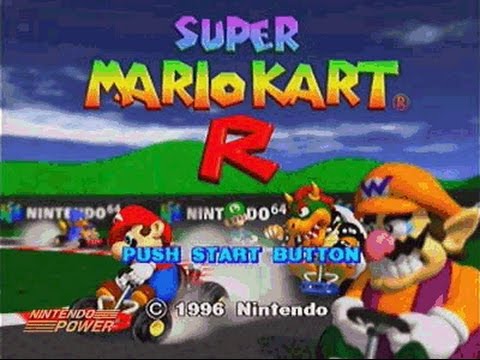
Title screen from the beta version of Mario Kart 64
Hideki Konno recently explained why the environments were rendered in 3D while characters and items were pre-rendered sprites: "Although rendering the characters as 3D models was not impossible, the console's limited processing power would not have allowed all eight characters to appear on screen at the same time."
Apparently, Rare supplied the Donkey Kong sprites shortly before Mario Kart 64 was released. This was the company that had created the Country franchise titles for the Super Nintendo.
Below are a few more images from this beta version of Super Mario 64.
Fun fact: Some changes were made to Mario Kart 64's environments when the title reached the West. One was removing signs bearing the name Marioro, a clear parody of the Marlboro cigarette brand.
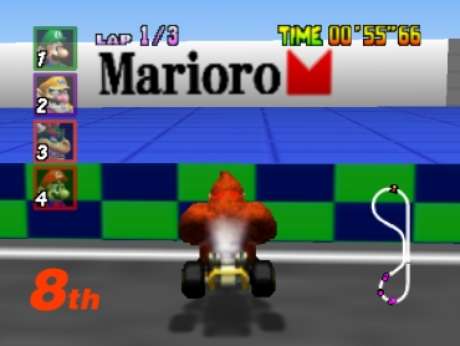
Nintendo of America versus cigarettes.
Game Modes
Mario Kart 64 has four available game modes. They are quite varied and give the title good replay value.
1 — Grand Prix: Can be played by one or two players in three-lap races. There are four cups—Mushroom, Flower, Star, and Special—with four tracks each. Points are awarded according to the player's position in the race. If they finish fifth or lower among the eight participants, they must race the track again. This can happen indefinitely, as the lives from the previous game are gone. Difficulty is determined by engine class: 50cc is easy, 100cc is medium, and 150cc is hard. Reversed tracks, known as Mirror Mode, can also be unlocked;
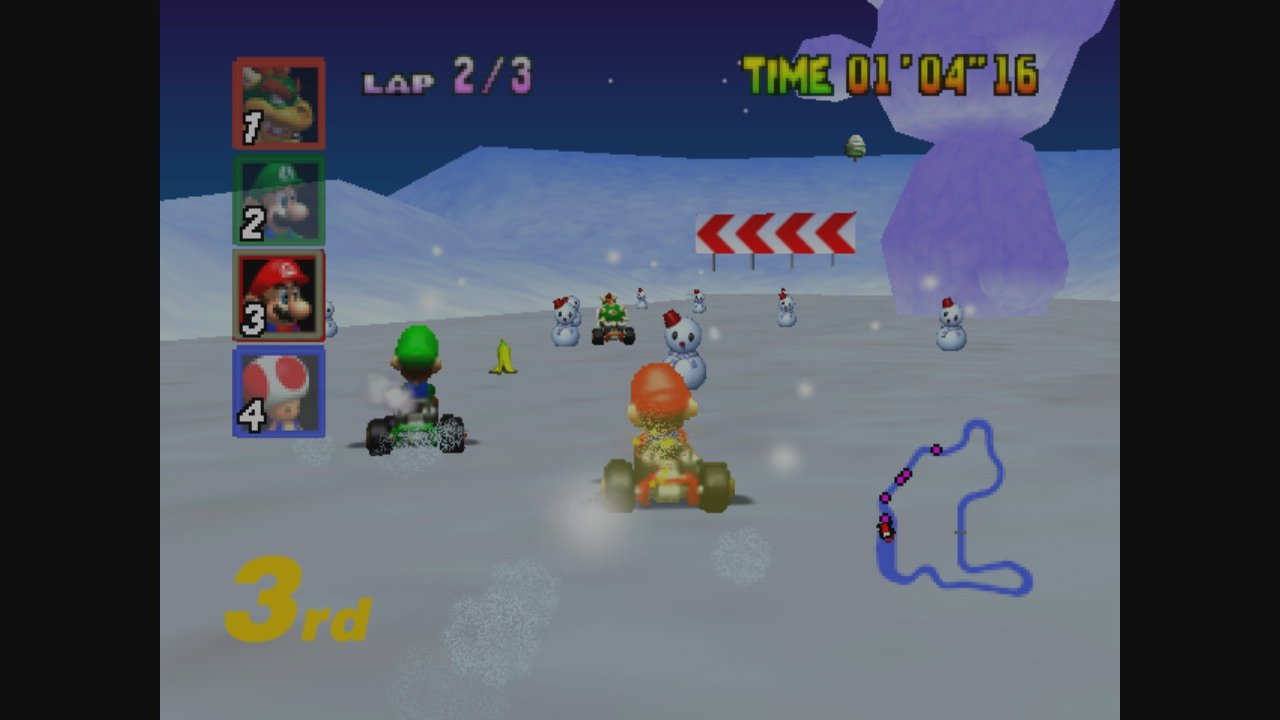
As if the snow were not enough, there are also snowmen, opponents, and banana peels.
2 — Time Trial: A single-player mode in which we seek the lowest time. There are no opponents or items, but we begin with a Triple Mushroom. It is worth noting that ghost karts can be saved so we can compete against ourselves in future matches.
3 — Versus Mode: Played by two to four players, without computer-controlled racers.
4 — Battle Mode: The famous balloon battle is played by two to four players. It takes place in arenas where competitors attack one another with the goal of popping their opponents' balloons.
Fun fact: A curious news story recently went viral on social media about an elderly couple who played Mario Kart 64 every day to decide who would make the tea. According to reports, they have done this since 2001. I think it is very cool, though I believe their children could give them a more recent game. Mario Kart 8 is so incredible.
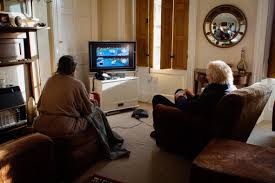
A best-of-three match with afternoon tea at stake.
Technical Review
This time, the racers are divided into three categories: Light, whose main trait is the best acceleration and worst top speed—Peach, Toad, and Yoshi; Medium, who are balanced in both respects—Mario and Luigi; and Heavy, with the best top speeds but worst acceleration—Wario, Donkey Kong, and Bowser. Note: characters Koopa Troopa and Donkey Kong Junior from the first game were replaced by Wario and Donkey Kong, respectively.
The gameplay in Mario Kart 64 is very good, as it is throughout the franchise. The analog stick helped give us better control of the kart in a 3D environment, while the characters' movements respond well to our commands. Turns are handled better once we learn to use the classic drift, and mastering it as soon as possible is recommended.
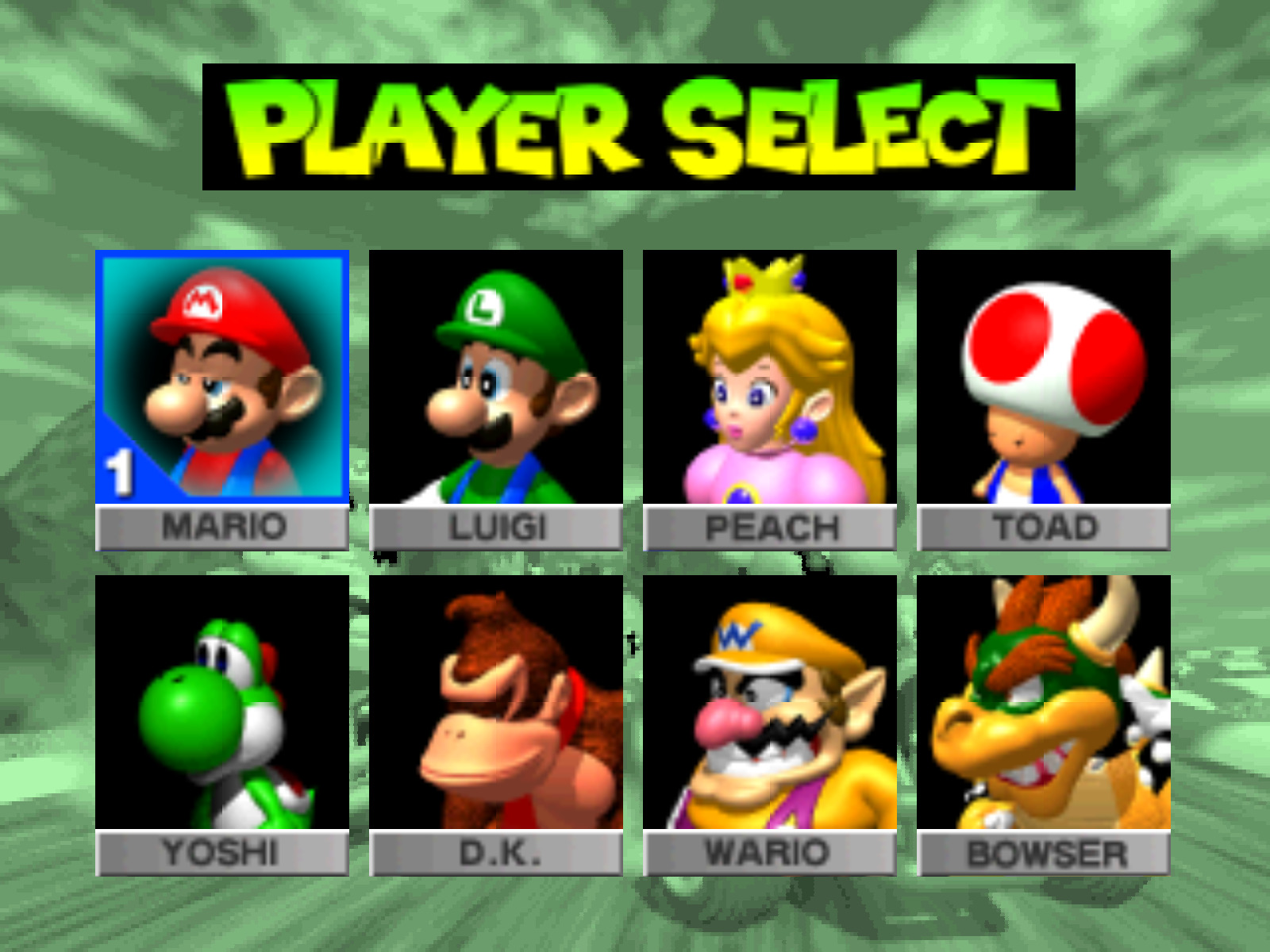
Who was your favorite character?
Regarding the items in the game, two from the first title were removed—the Feather and coins—while several were added: Triple Mushrooms: three boost mushrooms; Super Mushroom: a golden mushroom that lets us trigger countless boosts; Fake Item Box: a trap that makes less attentive players spin out on contact; Banana Bunch: a bunch of five bananas; Triple Green Shells: three green shells; Triple Red Shells: three red shells; Boo: the ghost that makes us invisible for a while and lets us steal an item from an opponent; and the Spiny Shell: the famous blue shell that heads toward the racer in first place.
We can say that Mario Kart 64 has considerable replay value, since in addition to the four tournaments being highly entertaining and distinct from one another, the game can be played at three difficulty levels that also change its gameplay. We should also remember that Mirror Mode can be enabled, practically doubling the title's number of tracks. Finally, the game is so enjoyable that you will always want to play multiplayer with a friend in one of its modes, especially because Grand Prix can be enjoyed by two players simultaneously.
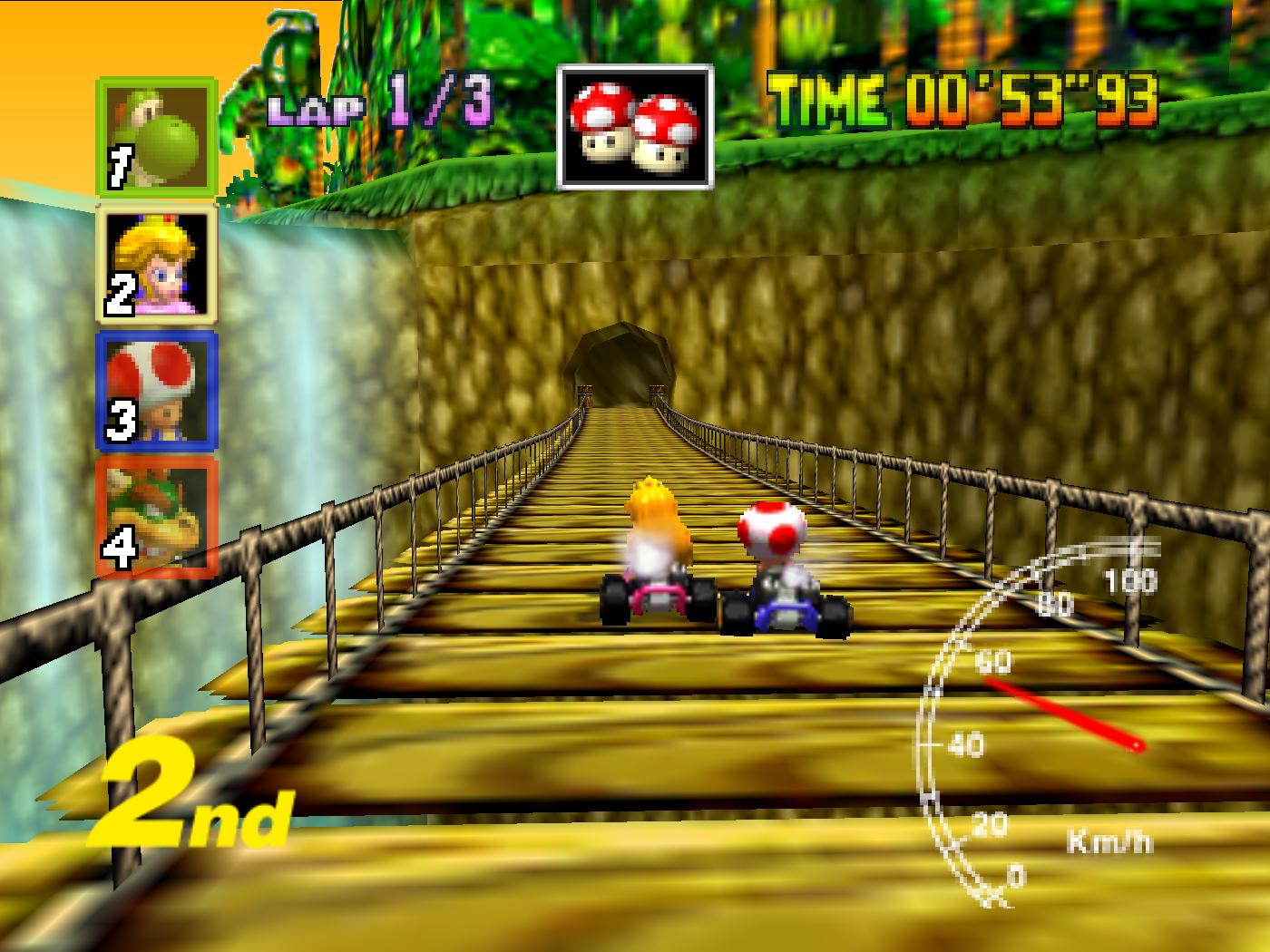
Details such as bridges were incredible at the time.
The game's difficulty is easier than that of Super Mario Kart. The opponents appear less competitive, and genuinely good items appear more often. Even when playing on hard mode, or 150cc, it will not take players very long to win every gold cup.
Mario Kart 64's graphics may be its greatest weakness. Although pleasant and never a source of discomfort during gameplay, we can see that they are not among the Nintendo 64's best, especially after playing Diddy Kong Racing. Even so, it is worth noting that seeing characters and items represented as sprites amid polygonal 3D environments feels somewhat strange.
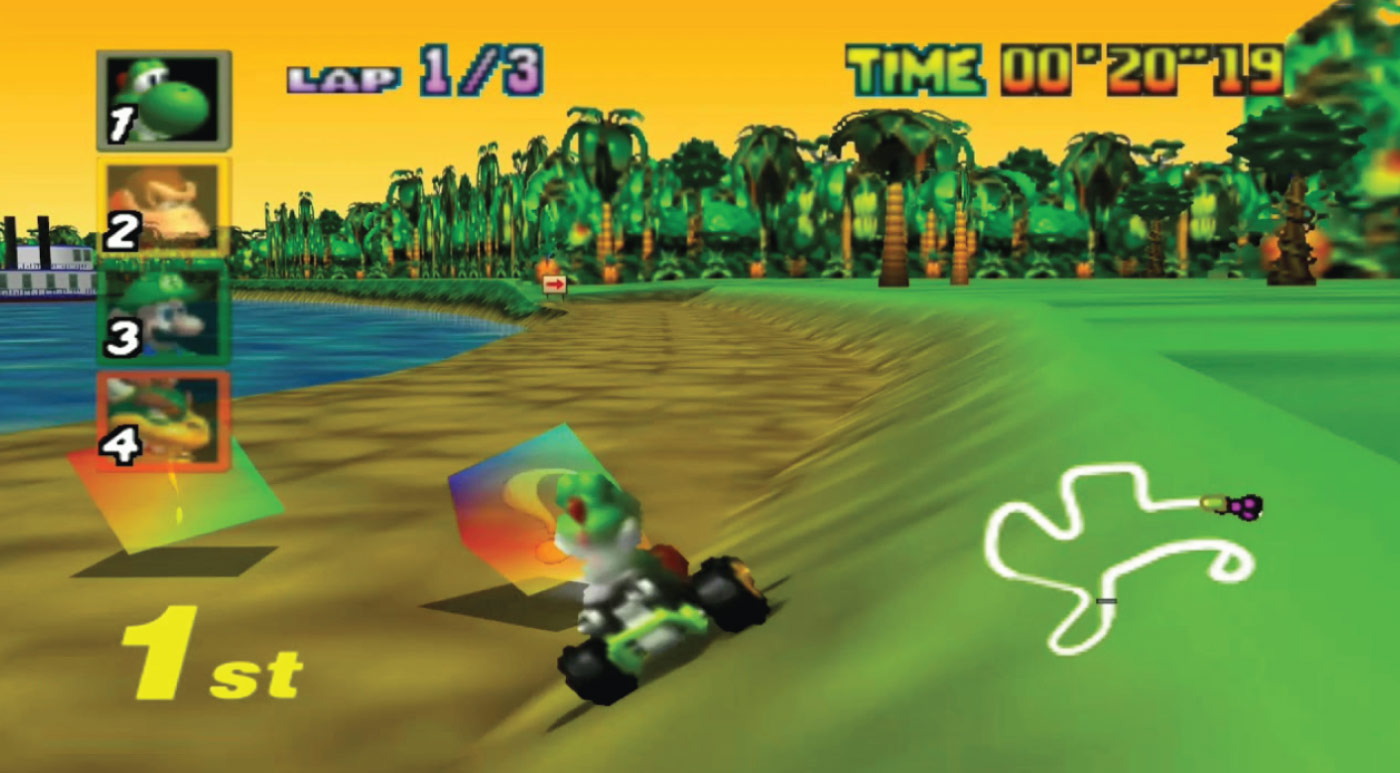
Sloped terrain was an innovation in the Mario Kart franchise.
For anyone unfamiliar with its gameplay, Mario Kart gives us access to items obtained from boxes bearing a "?" symbol. The probability of receiving a good item is directly tied to our position at that moment in the race: the better your position, the worse the item. One innovation in this sequel is that we can carry two items at once, keeping one in reserve. Another, and perhaps the most significant, was the introduction of the famous blue shell, which heads directly toward the racer in first place and hits anyone in its path. It is worth noting that the blue shell was not yet so "overpowered" here, since it could hit a wall if not used correctly.
Every game in the Mario Kart franchise has its own gameplay traits, and in Mario Kart 64, one of the most interesting is that computer-controlled opponents often remain close to our character when we are in first place. It is therefore not unusual to have as many as four other karts around us. This is particularly fun and happens only in this game within the entire series. Director Hideki Konno himself said that this decision, like the inclusion of the blue shell, was made to render the races more exciting.
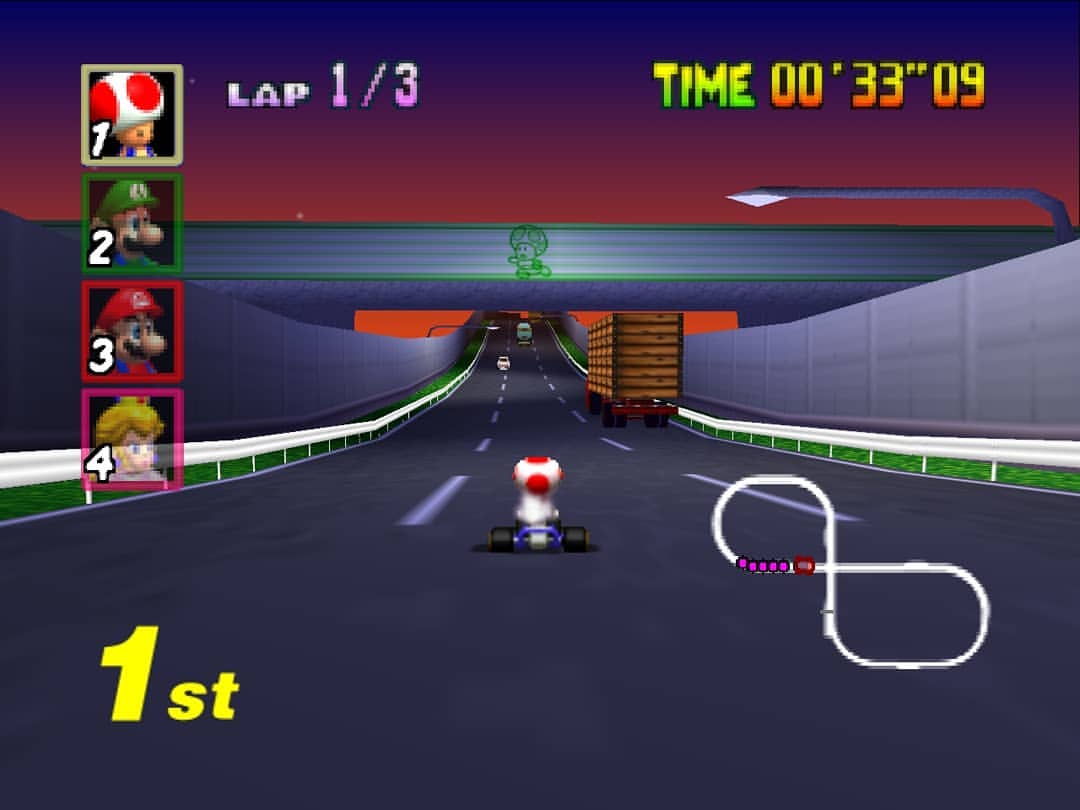
No one forgets the first stage with traffic.
Fun is practically synonymous with the Mario Kart franchise, and this game is no different. Everything has the characteristic charm of the mustachioed hero's best games. Its balanced difficulty also helps prevent players from giving up before reaching the end and discovering its extra mode. Playing with a friend is even better, though there is always a risk of losing that friendship. Throw two red shells and a blue one in sequence and see what happens.
Mario Kart 64's soundtrack is truly incredible, matching the game's concept and the themes of its stages very well while being genuinely fun. Personally, I give special attention to the music in the final credits, which is truly outstanding. Kenta Nagata composed the tracks in his first work for Nintendo. Several albums featuring music from the game were later sold in Japan and the United States. The sound effects are equally polished and never disappoint. The digitized voices are charming as well.
Below is the complete soundtrack of Mario Kart 64.
Fun fact: For some time, a curious version of the classic Monopoly has been available with characters from the Super Mario franchise and a Mario Kart theme. In this board game, the properties are replaced with iconic locations such as Bowser Castle, and power-ups including the star can be used. It supports two to four players.
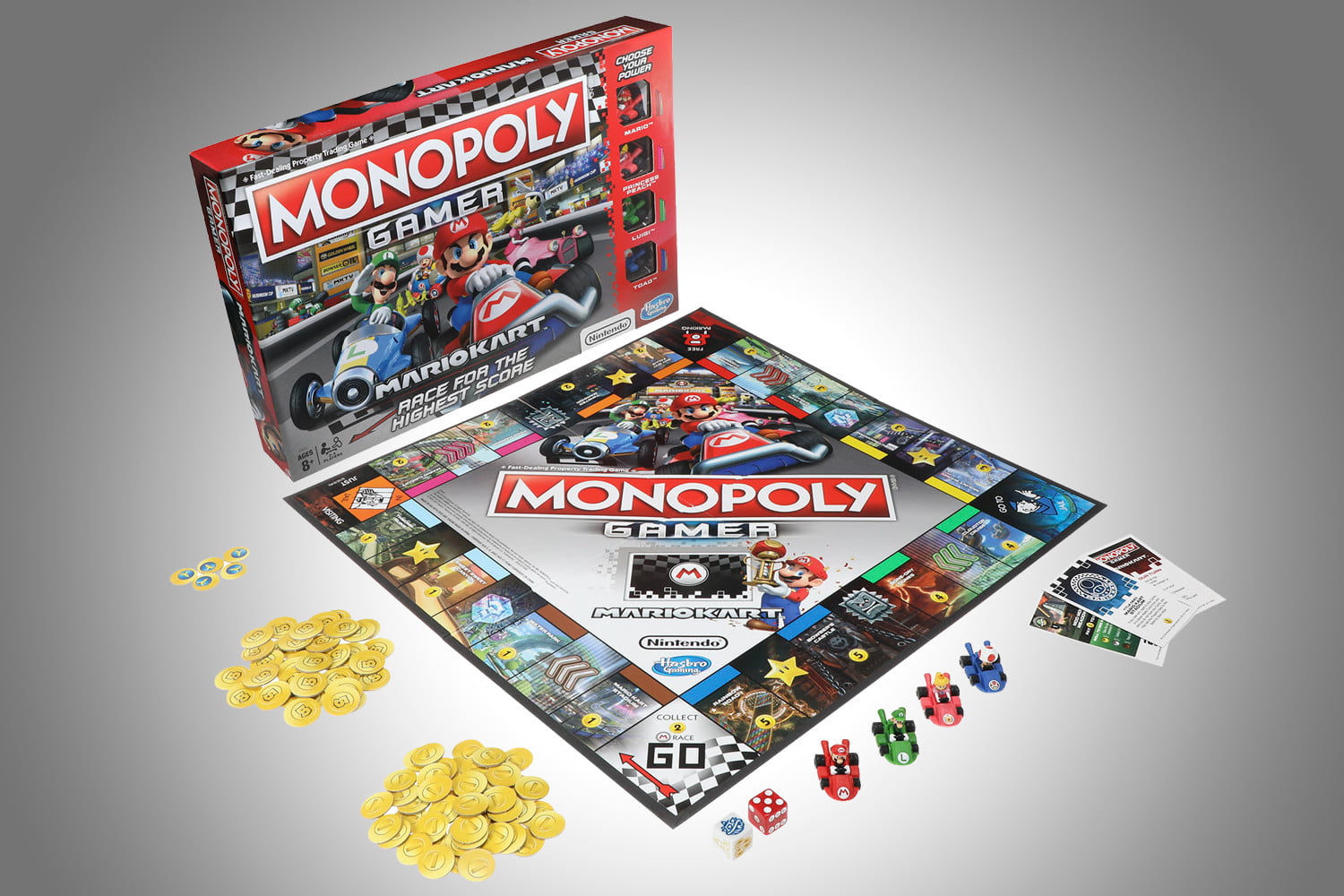
We will die of old age without seeing everything. Won't we?
Tracks
When we discuss Mario Kart, the first quality that comes to my mind is not the characters or the excellent soundtrack, but the design of its tracks, which are generally fantastic. In Mario Kart 64, the races gained much more personality compared with the previous game. Part of this came from changes in terrain elevation, unlike the flat tracks in the original, moving environments, and details such as cars and even a train on a track. All of this was made possible by the arrival of polygon-based 3D computer graphics, which became firmly established with the fifth generation of consoles.
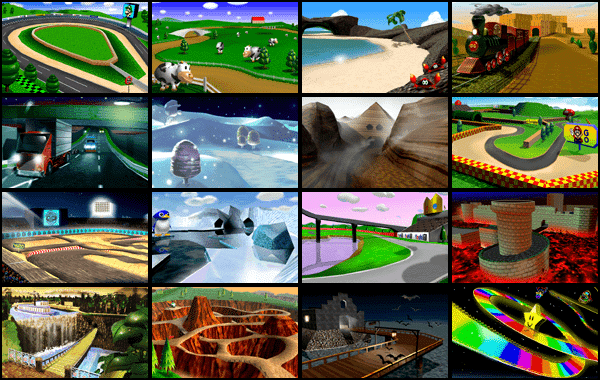
So much nostalgia in a single image.
In the image above, we can see the various themes used in Mario Kart 64's races, ranging from classic asphalt routes on normal racetracks and roads with moving traffic to slippery ice tracks. Most have memorable designs, and we can encounter them again in more recent games in the franchise.
I decided to describe my three favorites here:
- Toad's Turnpike: The franchise's first track with moving traffic is also one of those that demand the most attention from players. In Mirror Mode, with cars coming toward us, it becomes genuinely traumatic;
- Yoshi Valley: In addition to the track being a maze, the game does not let us know our position. It is great fun unless we fall off the track or hit the giant Yoshi egg moving from one side to the other. To this day, I have never seen the Big Yoshi that came out of that egg;
- Rainbow Road: The track has some of the best music and may be the longest course in the franchise's entire history. Some people complain that it has guardrails along its sides. I find this interesting because it prevents interruptions during the race, causes shells to ricochet, and makes it less traumatic than the Super Nintendo's Rainbow Road.
What about you? Which tracks are your favorites?
Fun fact: As I never tire of repeating, those who lived through the 1990s had the privilege of watching game commercials on free-to-air television channels. It was incredible, even when the advertisement was as weak and tasteless as this one.