Ever since Sonic Forces was announced at Sonic's 25th anniversary celebration alongside Sonic Mania, I was extremely excited about the game, as were many others. It seemed to have everything I wanted as a fan: a more serious tone for the story, the return of the controversial “boost” gameplay, a vocal theme song and other elements.
The anticipation reached another level with the inclusion of customizable characters. If you have been part of the hedgehog's fandom since childhood, admit it: you always wanted to create, or already created, a character of your own in the style of the series' characters, commonly called a fanchar or fan character. Sonic's universe is so immersive and charismatic that, as a child, it is practically impossible to resist the temptation to create a character within this setting.
SEGA therefore ended up showing that it had listened to fans' requests regarding what the 3D series should offer, and gave us Sonic Forces in response. With some reservations, we received an excellent addition to the series, despite certain aspects that could have been handled better, and we will discuss that here.
 And hey! Want to know everything about Sonic Forces? Be sure to visit our dedicated game page for more information about how its story continues and much more!
The Resistance vs. Eggman Empire
I will make it clear right at the beginning that I am more of a Sonic fan because of the characters than the “games” themselves. It is certainly great fun to reach high speeds and face the challenges Sonic must overcome, but what has always truly captivated me are the enormously charismatic characters and the story involving them. That is why I was not satisfied with the direction the Sonic games had taken since Sonic Colors, with a more childish story and genuinely unfunny jokes every passing second. When I saw the promise that Forces would have more “adult” themes, I became very interested in the concept. In the end, I believe that in terms of story we received the best one in at least seven years.
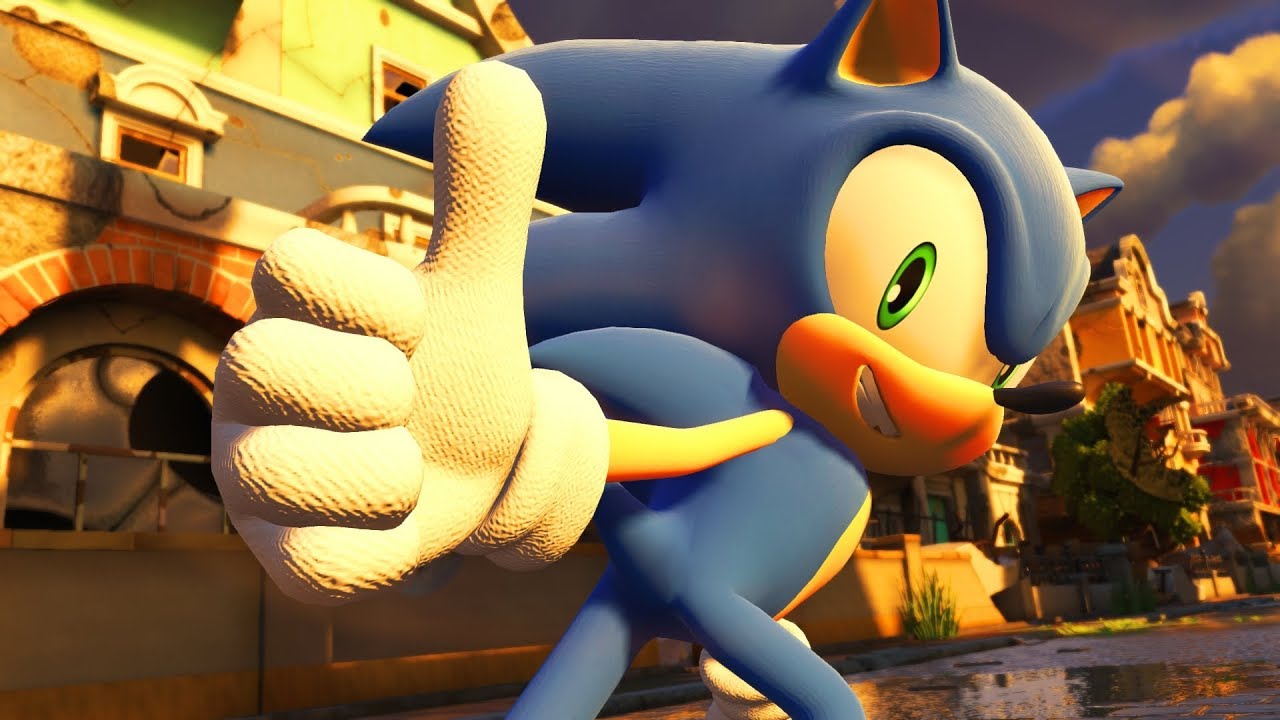 Sonic saying goodbye to the Avatar/Rookie who saved him from prison and helped on the journey
Sonic's characterization is more consistent with the character. He knows when to be serious or sarcastic and has the optimistic nature and free spirit we all love. Knuckles also showed his value as a character by assuming the role of leader of the Resistance, behaving much more intelligently and revealing a side we had not seen in the games for a long time, such as Knuckles's tendency to act impulsively. I also greatly enjoyed the relevance Sonic's friends have in the story, taking part in battles and helping the protagonists behind the scenes. Another strength is that the characters communicate during gameplay, providing relevant information.
The Avatar has a somewhat predictable personality, but works extremely well within the game's context. Details such as seeing the character dressed the way you customized them in cutscenes add genuine charm as well. The post-credits scene involving Sonic and the Avatar is especially beautiful, with the blue hedgehog saying “you and I aren't so different,” touching fans' hearts. Beyond all this, the Avatar has a character arc, as already seen in comics released before the game, and is important to the story; the character's inclusion in the script was well implemented.
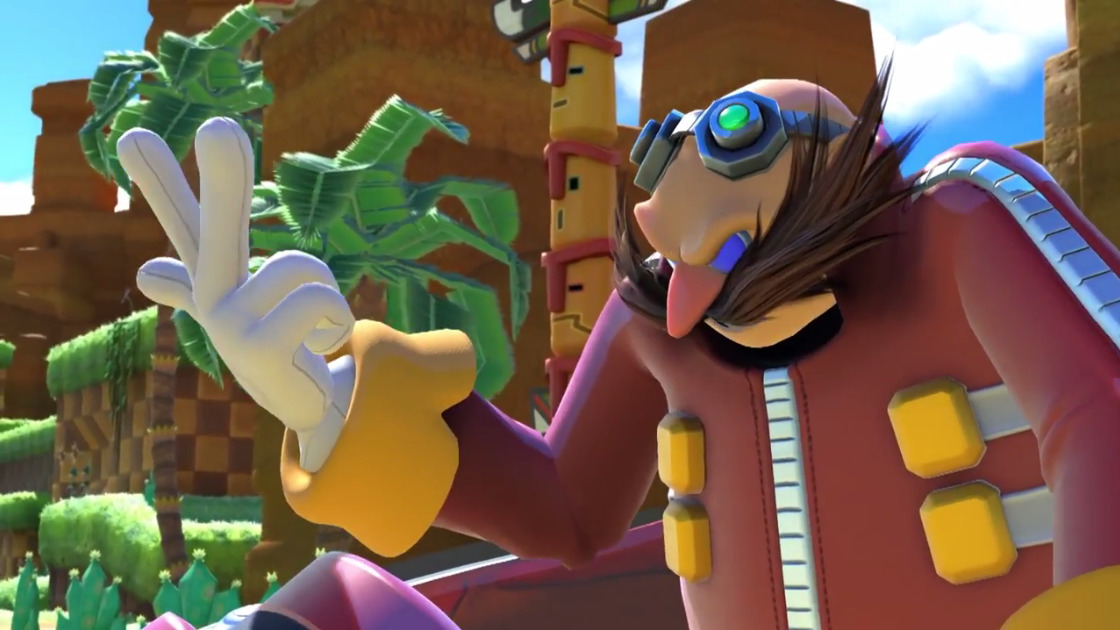 Eggman proved to be a genuine threat in this game.
Villain Eggman was also handled well, and I particularly liked the moments when he demonstrated his intelligence, especially with the reserve power source hidden in Metropolis, showing that the character had learned from his experiences.
Despite these positives, the story still has its negatives. Infinite had a strong introduction at the beginning that continued through the middle of the game, but the way he is defeated is quite anticlimactic, with the villain fleeing. The game missed an opportunity to stage a battle between Super Sonic and Infinite or demonstrate the full extent of the antagonist's powers. At least there is hope that Infinite, the “major” villain introduced in Forces, will return in a future game so his potential can be explored further, since so far we have merely been waiting for something meaningful.
Sonic, Knuckles, Amy and other characters were well characterized, but Tails was not handled successfully. The character became the complete opposite of what he once was. Games such as Sonic Adventure showed that Tails did not want to live in the shadow of his older “brother,” as he saved Station Square from a missile and faced the villain Chaos 4 alone. Now, in Sonic Forces, Tails appears to have become completely dependent on Sonic, crying out for his help or losing all hope when Sonic is presumed dead. Tails went through the same scenario involving Sonic's supposed death in SA2, and it was handled much better.
Classic Sonic had potential in the story of Forces, especially through its connection to Sonic Mania, but he basically did nothing special. The game had an opportunity to reverse the roles between Tails and Classic, since the latter is now technically the older brother in the future, but nothing was done with those opportunities. The game tries to make Classic's farewell emotional, but it does not deliver the expected impact.
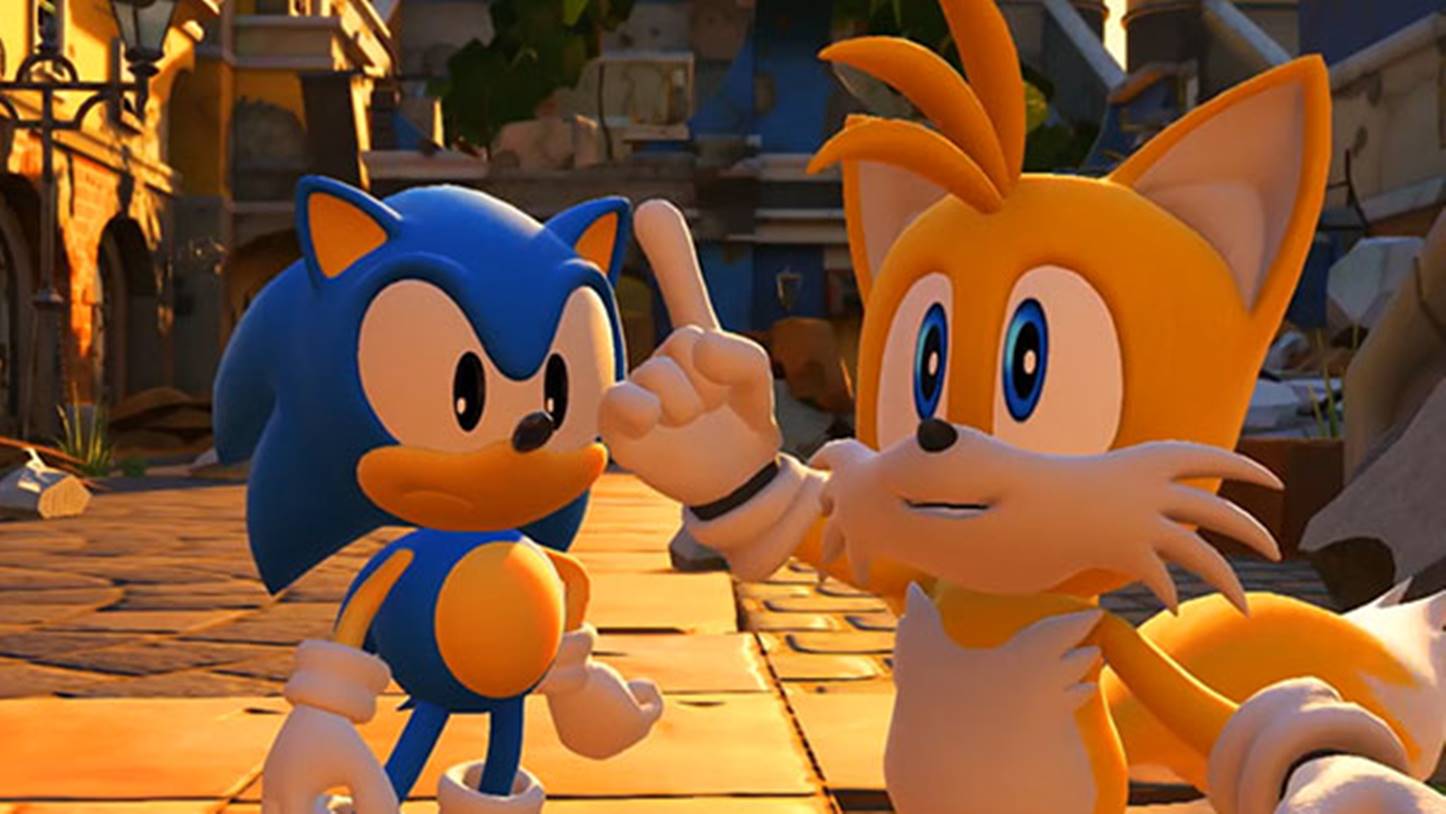 The interactions between Classic Sonic and Tails could have been developed much more effectively.
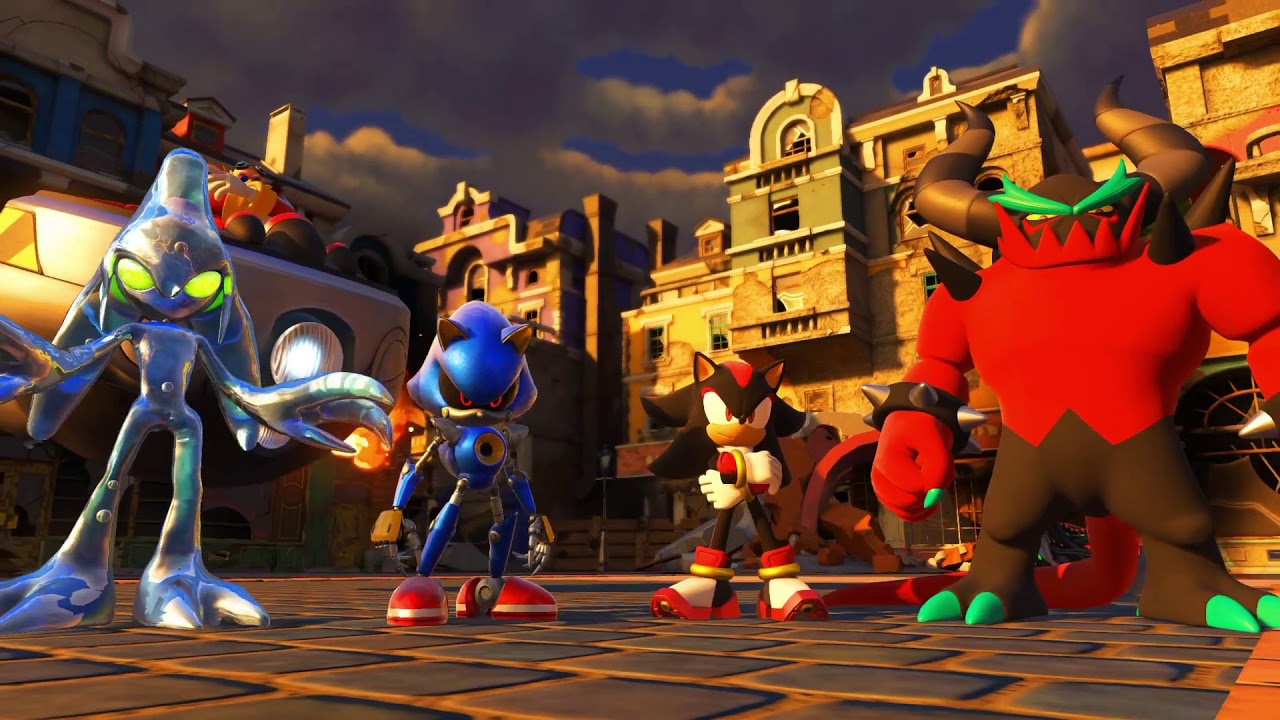
There is also Chaos, or his copy, who despite being heavily promoted in the game's trailers and publicity did nothing relevant to the story, unlike the rest of the group of villain copies. That is a shame, since Chaos had the potential to be an enormous threat.
Another element I did not particularly like was parts of the localization by the duo Ken Pontac and Warren Graff. They unnecessarily add details not present in the Japanese script, such as Sonic being tortured or Tails going crazy. These additions do not change anything in the story, but they made the Western translation of Sonic Forces more confusing overall.
Despite all these reservations, the story of Sonic Forces is good and a step in the right direction. It takes itself more seriously, Sonic behaves as he should again, it is highly dynamic and it leaves you curious about what will happen. It is much better than earlier games such as Sonic Colors and Generations.
Visual and Auditory Force
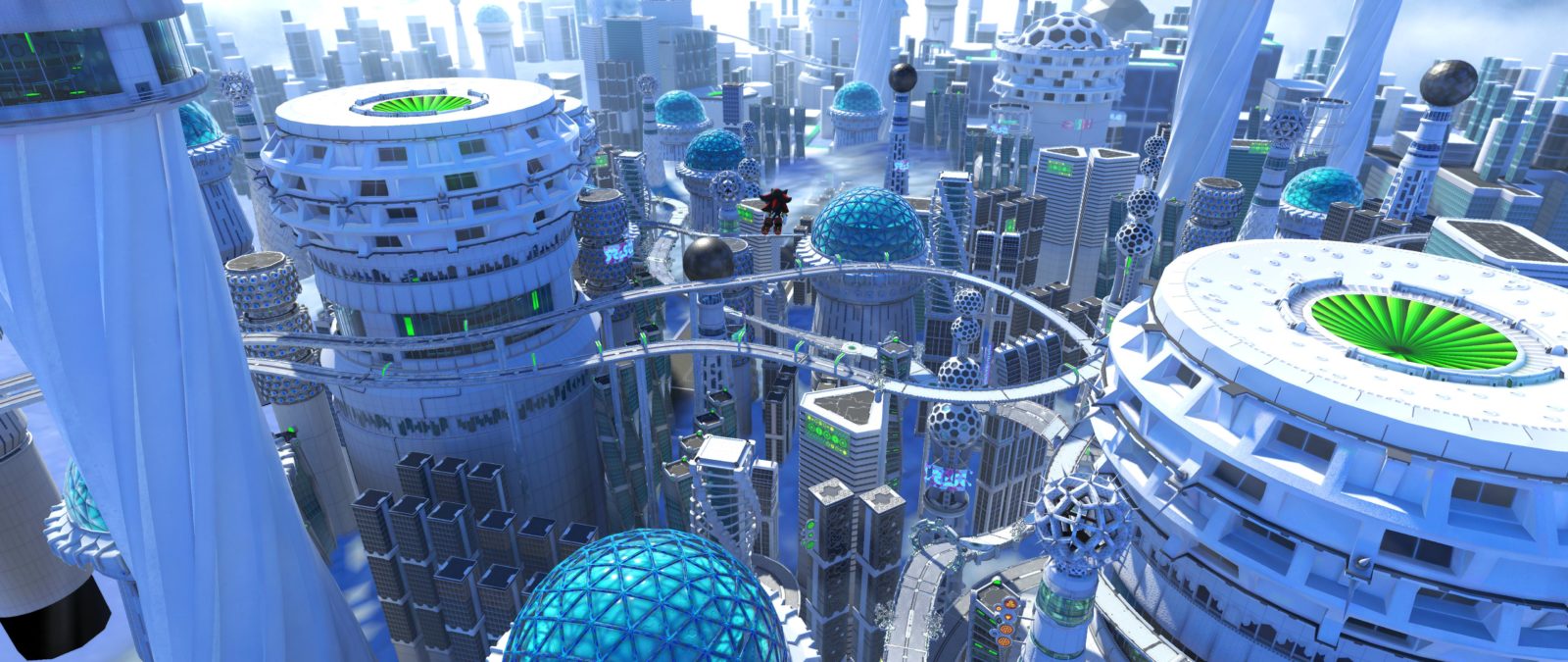 Some environments stand out tremendously.
Sonic Team did its homework on the graphical quality of Sonic Forces. Ever since the game was announced, Iizuka made it clear that it would use the new “Hedgehog Engine 2,” and the results are above average. Sonic Forces is one of the mascot's most beautiful games. The lighting that has become a hallmark of the 3D games makes the environments more dynamic and beautiful, and the feeling of racing through all of it is satisfying. Of all the stages, Metropolis was my favorite; its futuristic aesthetic, combining white and shades of blue, makes the level a feast for the eyes.
The lighting on the characters is also good, and they never seem to “stand apart” from the environment, blending in perfectly. The game's graphics were handled so well that, despite not featuring CGI, its cutscenes are extremely well executed and tell the story perfectly. Sonic Team had been developing Hedgehog Engine 2 since the release of Sonic Lost World for Wii U, and the result was good.
The game's soundtrack was created by Tomoya Ohtani, the same composer from Sonic Adventure 2, and is one of the best in the series. The theme song Fist Bump is addictive and inspiring and talks about the friendship between Sonic and the Avatar, meaning the song technically addresses Sonic's friendship with his fans. Infinite's theme is also very good and easily becomes addictive.
Fist Bump is extremely addictive, as is Infinite's theme.
The game's music generally has a more electronic feel. This is especially noticeable in the Avatar's levels, all of which feature vocals. They are equally good and have lyrics that match what is happening in the game. I would especially highlight “Imperial Tower,” whose beat and rhythm still have not left my head. For the orchestral music, SEGA invited the London Symphony Orchestra, the same orchestra that performed the original and prequel Star Wars trilogies, resulting in excellent new orchestral tracks for the series. They give the game a sense of grandeur. Not every song is excellent, however. Ohtani chose more “Mega Drive” sounds for Classic Sonic's stages, using a sound source similar to SEGA's 16-bit console. The problem is that these high-pitched sounds can hurt the ears, with Green Hill causing the greatest discomfort. The classic games tried to offer music that pushed beyond the Mega Drive's limits, resulting in excellent tracks. Classic Sonic's music in Forces, by contrast, tries to remain below today's musical quality and offers something merely decent at best. The sad part is that the melodies are good; the problem lies in the execution and, as demonstrated by fan remixes, Classic's music could have been executed better.
Classic, the Avatar and Modern
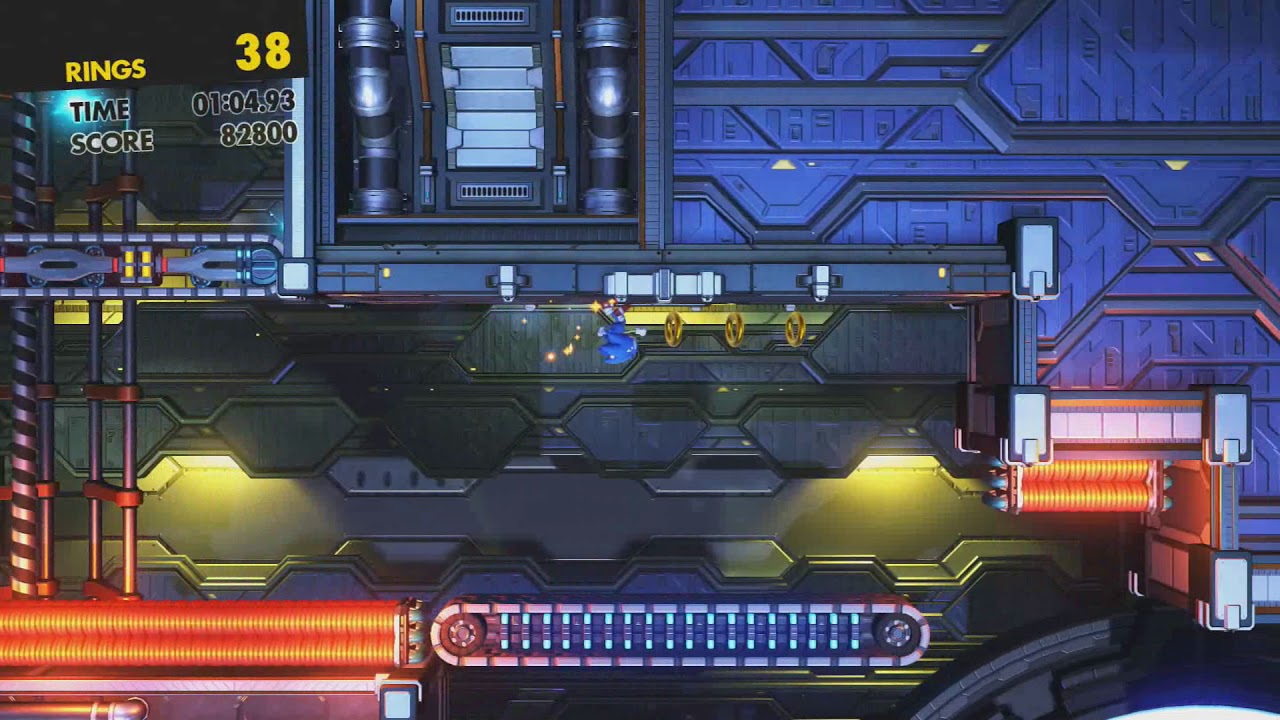 Death Egg, one of Classic Sonic's best levels in this game.
For the new entry in the series, the boost gameplay returns, which is personally one of my favorite styles in the series. Sonic does everything you expect him to do: homing attack, stomp, boost and running at frantic speeds. Even so, this is a step backward from the gameplay of Generations. For some reason, this game does not have the Drift, something truly noticeable in levels such as Metropolis, where I died in areas in which I would not have died if the Drift had been available. Modern Sonic's levels are entertaining and, in my opinion, the best parts of the game.
Classic Sonic is entertaining to control in this game as well, but not as much fun as he is in Sonic Mania. The main problem I see is that he feels too “heavy,” something especially noticeable at the beginning of Chemical Plant. Even so, his stages are good, and Ghost Town and classic Death Egg are among the best in the game.
The “Avatar” is a new addition to the franchise and is controlled similarly to Modern Sonic, but cannot perform the boost and uses weapons to attack enemies. These weapons are the Wispons, “armed” versions of the Wisps, and each offers something different, with every one ideal for a particular stage or battle, adding replay value to the game.
One detail that makes the Avatar harder to control is the locked jump. When you jump, the Avatar remains on the same trajectory and at the same pace as before, meaning you cannot influence the character's movement in the air. Nevertheless, the Avatar and its extensive customization were an excellent addition to the game; it would be good for SEGA to use the concept in other games.
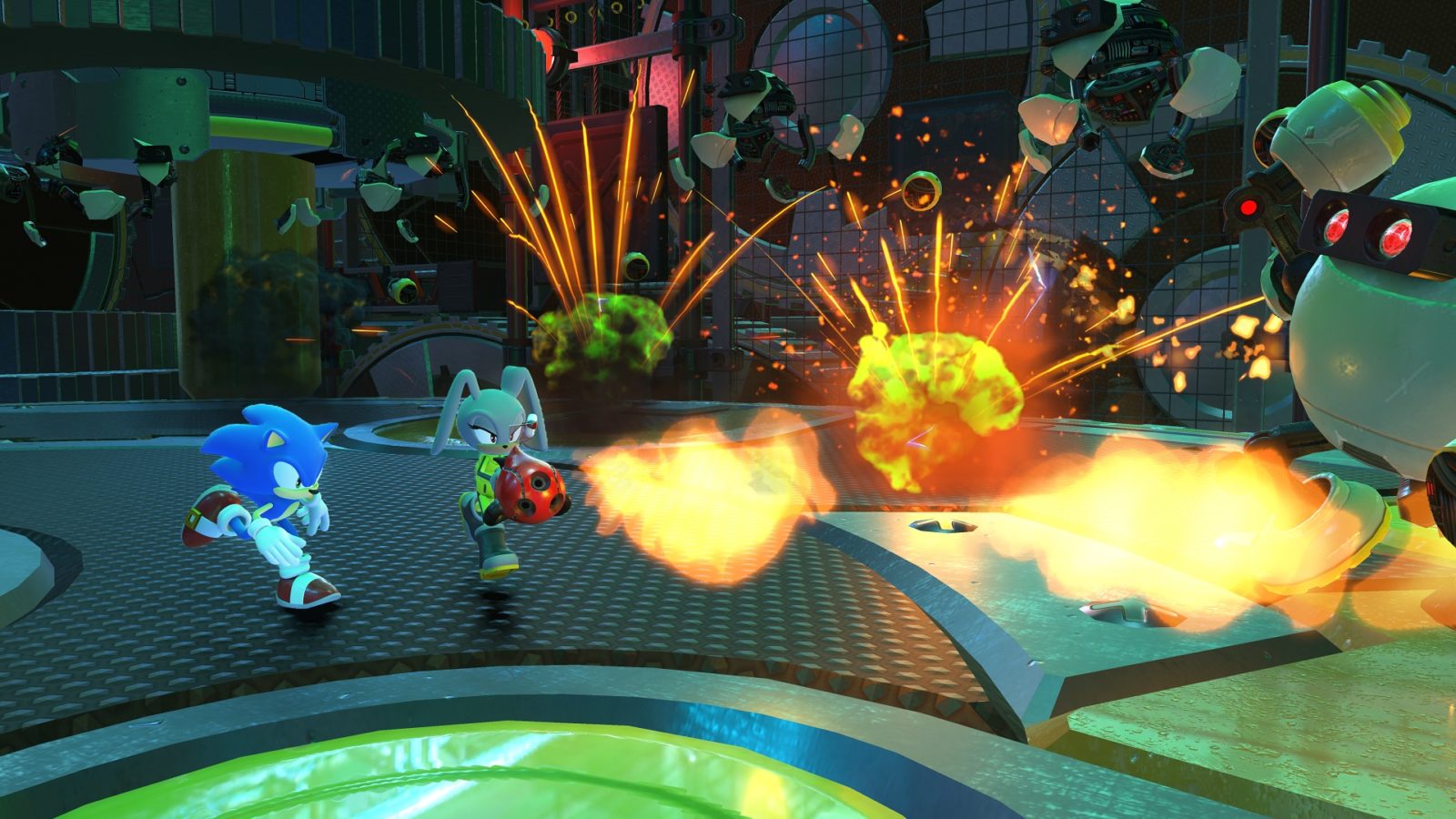 The “Tag Team” stages resemble the gameplay of Sonic Heroes for PS2, Xbox and GC.
Something strongly reminiscent of Sonic Heroes also returns in this game: Tag Team gameplay, in which you control Modern Sonic and the Avatar together and can switch between them. These stages hold your attention because of how different they are within the game, as you alternate between the two and unlock new paths.
The real element that divided fans is the length of the stages. The game tries to compensate for their short duration by including a large number of them, which sounds like an ideal trade-off in theory. But some stages feel as though they ended before they truly began, lasting only a minute and a half. Most are still entertaining despite their short duration, however, and others rank among the best in the series. Some stages that come to mind as having fulfilled their role well are Pyramid Tower, Null Space, Ghost Town, Prison Hall, Luminous Forest, Network Terminal, Death Egg, Park Avenue, Capital City and Metropolitan Highway.
Sonic Forces offers good ideas for where to take the series in the future.
Played on PC; the base game and DLC were reviewed.