
The modern trilogy of the blue blur's games (Sonic Unleashed, Colors, and Generations) was nicknamed Uncolorations by some fans because the titles have very similar mechanics, such as the boost, suggesting that they are part of the same "generation." The boost (a kind of turbo that Sonic activates) helped make the series' games faster. Much faster. And Sonic finally seems to run as fast as his name suggests. So, let us list some of the key points connecting these three games and how they moved the franchise forward or helped bring it back toward the classics.
Original text by André Ribeiro, an EpicPlay.com user.
This is the Uncolorations trilogy:
Sonic Unleashed for PS3 and Xbox 360 (2008)
This game introduced the boost to a 3D hedgehog title for the first time, a mechanic that originated in Sonic Rush, a platform game released for the Nintendo DS in 2005. This new feature literally made Sonic run at the speed of light, further increasing the excitement and adrenaline already present in earlier games. To keep up with our hero's dizzying speed, the game added new abilities such as the quick-step, which lets Sonic dodge obstacles; the drift, in which Sonic uses his hands to slide; and improvements to rail mechanics and the many other moves that already existed. Another new feature was the seamless transition from 3D to 2.5D gameplay, giving dynamic gameplay a fresh feel.
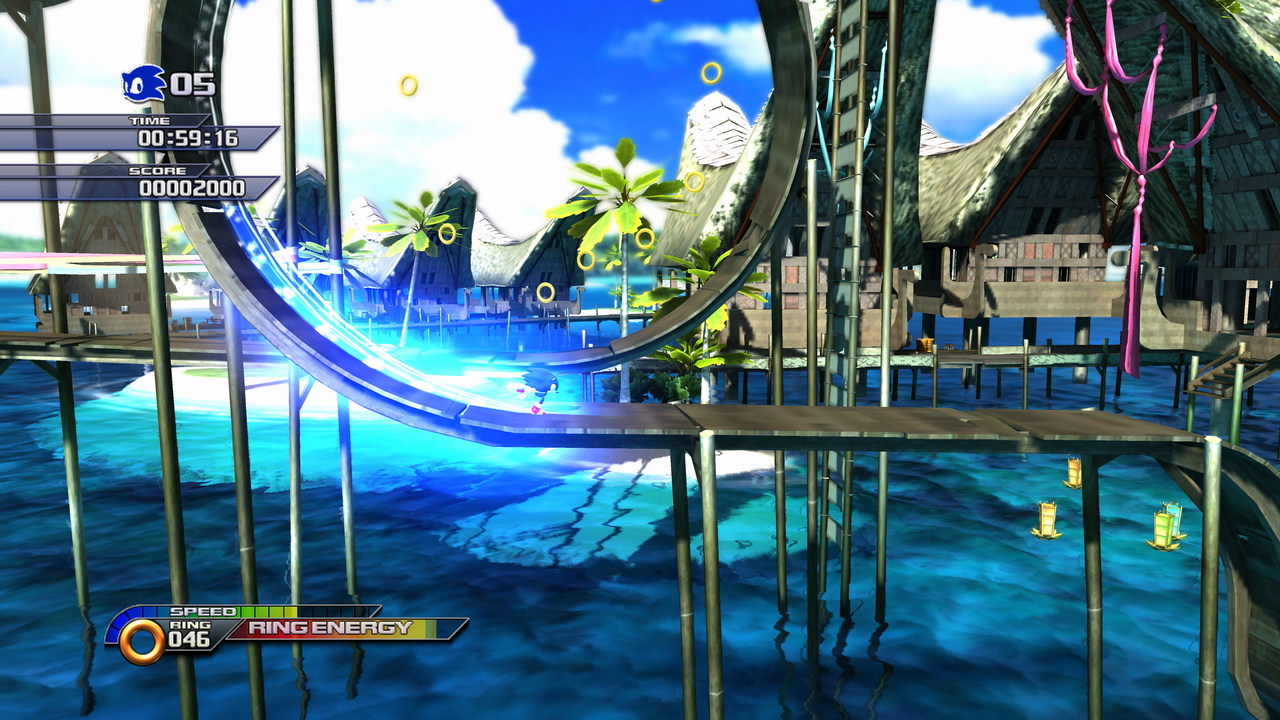
This was also the debut of the Hedgehog Engine, which, graphically speaking, can reproduce ultra-realistic light and shadow effects while making everything interact with the surrounding lighting. In other words, this was definitely Sonic's entry into high definition. Everything is also extremely detailed, from the environments and textures to the models, all designed to take advantage of what the "next-generation" consoles of the time could do. Some say that the Hedgehog Engine was the most sophisticated lighting system in games up to that point.
- Read our review of Sonic Unleashed (HD version).
Sonic Colors for Nintendo Wii (2010)
Since the Wii crowd may have envied the HD version of Sonic Unleashed, as they received an SD version instead ("inferior," equivalent to the PS2 release, with gameplay and mechanics distinct from the HD version), Sonic Team prepared to release Sonic Colors (or Colours in Europe) the following year to satisfy Nintendo's audience.
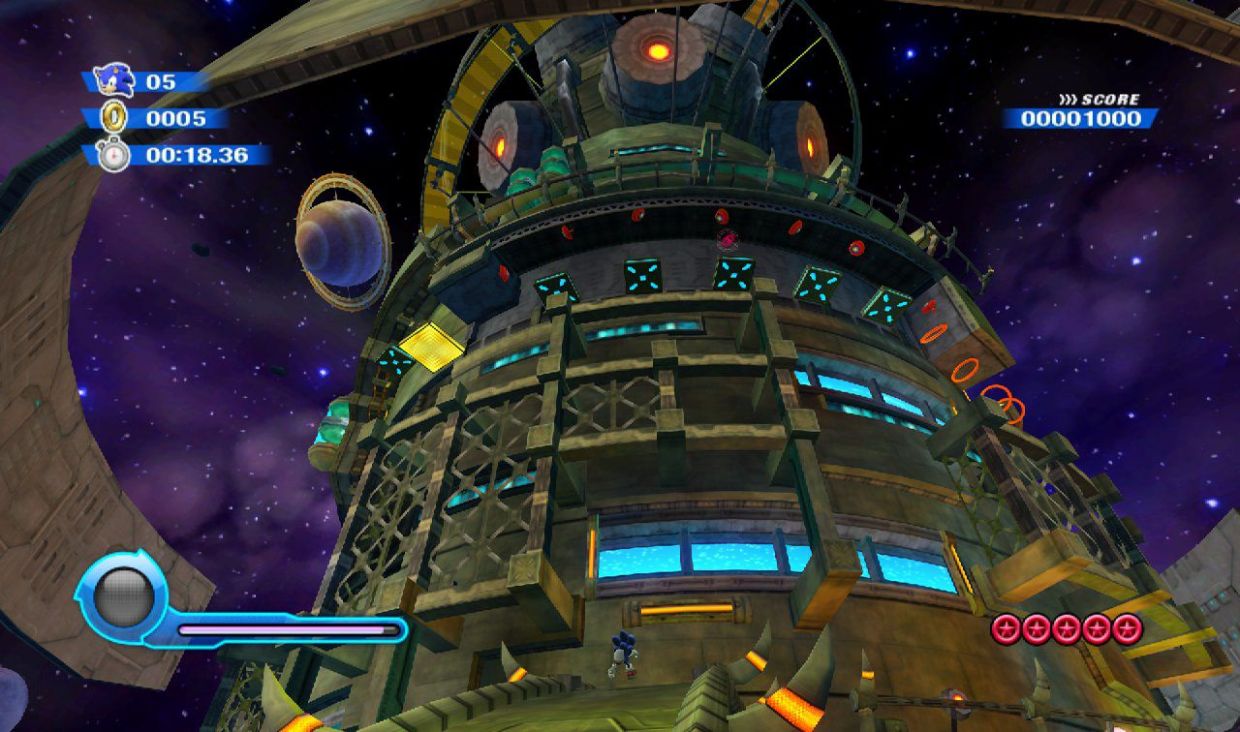
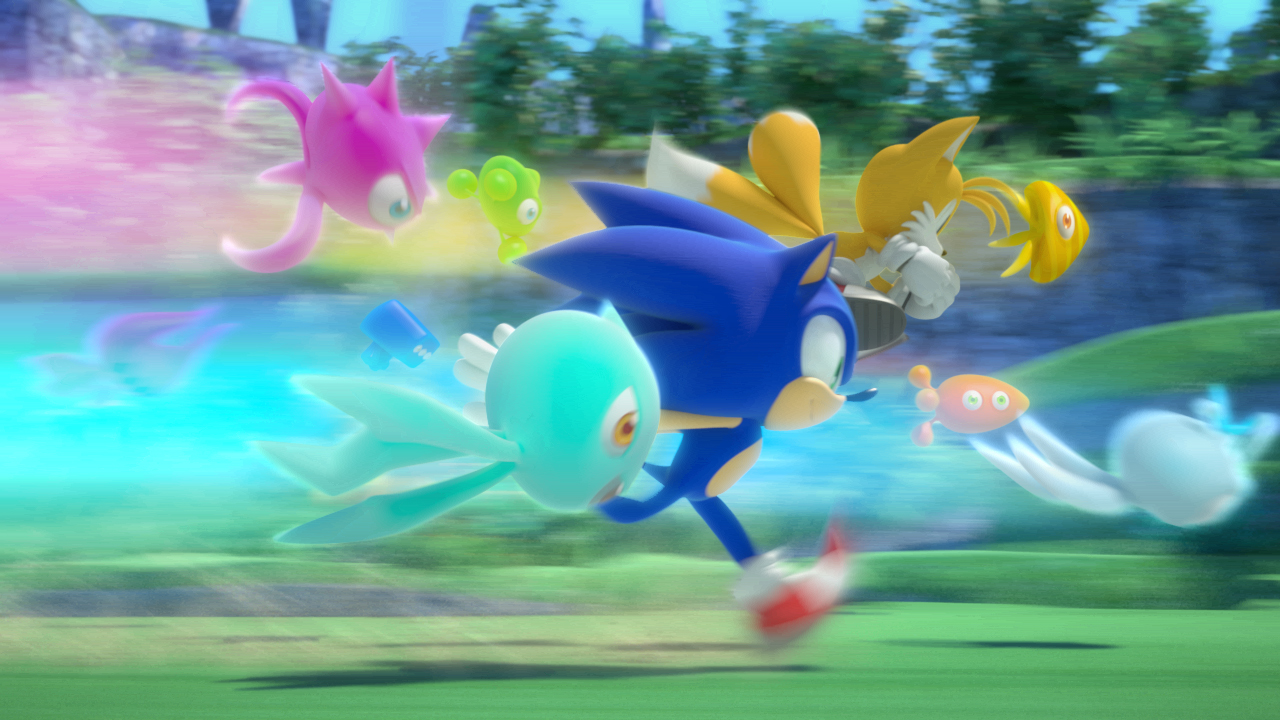
As for gameplay, it did not change much from the previous game... It was simply refined. Sonic is slower now, with the intention of giving the player more control over him in platforming sections (which make up 80% of the game). Everything is much more polished, not to mention the many new additions, such as the Wisps, which act as "power-ups" that let players discover secret areas, gain superpowers, and more. It is interesting because the small aliens alter the gameplay and make it more varied.
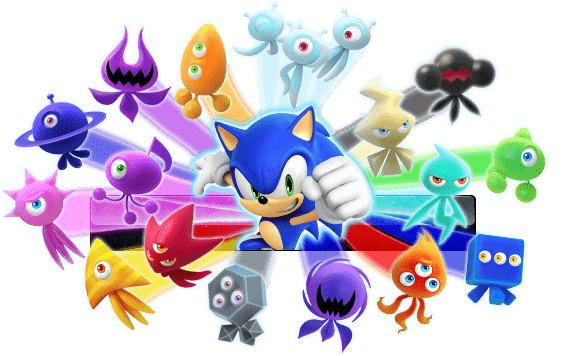
Graphically, because the console had less powerful hardware than the PS3 and Xbox 360, the Hedgehog Engine could not be used. Even so, everything was handled extremely well, making full use of the Nintendo Wii, so much so that this game is considered one of the platform's best-looking titles. The level of detail is truly impressive! Another point is that the title followed a surrealist art direction, without being too concerned about reproducing ultra-realistic graphics.
Sonic Generations for PS3, Xbox 360, and PC (2011)
This game arrived to celebrate the blue hedgehog's 20th anniversary. To celebrate in style, Sonic Team once again used the magnificent Hedgehog Engine, bringing back first-rate lighting and high-resolution environments. However, it followed the same philosophy as Sonic Colors: a surrealist art direction. In Generations, even the stages based on the Adventure games—known for using the full graphical capabilities of the Dreamcast and delivering realistic graphics for their time—did not depart from that premise. Even with its "cartoon" surrealism, the game gives us stunning environments filled with radiant colors and abundant detail.
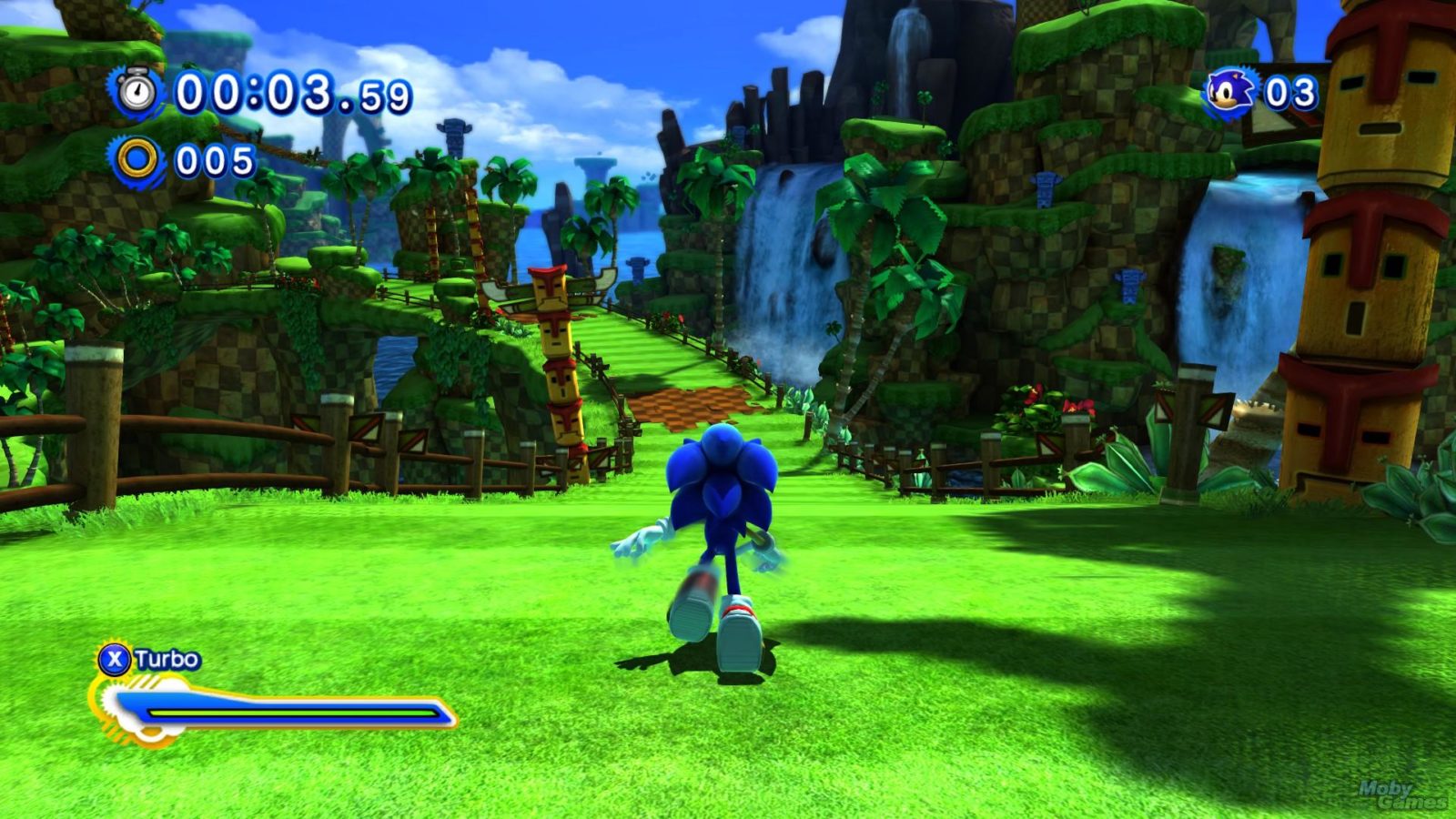
Boost gameplay evolved naturally. With strong similarities to Unleashed and a few Wisps in the commemorative Sonic Colors stage, controlling Sonic became even more intuitive, making platforming moments easier still. In terms of level design, the stages now combine 50% platforming and 50% speed, and the levels finally feature a wide range of alternate paths, bringing them much closer to the classic Mega Drive stages.
The only major new feature this time, beyond the completely revised level design, was the stages featuring Classic Sonic. They make excellent use of 2.5D (3D graphics/environments with gameplay limited to 2D—left and right), while also offering very long and expansive paths or faster ones, making extensive use of alternate routes.
- Read our review of Sonic Generations.
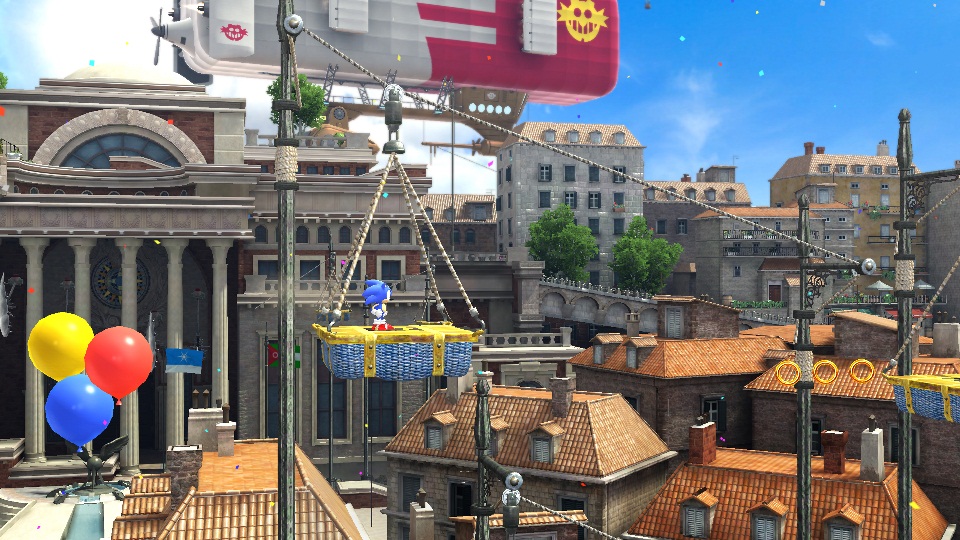
Of course, there are many other elements in the three games that we have not mentioned here. What we have described is their overarching idea. A Sonic game with sleek, well-lit visuals; gameplay that moves closer to the classics while also innovating; and an experience that is varied and dynamic—these are some of the ideas behind Sonic "Uncolorations." This trilogy brought many positive things to the franchise, with only a few reservations from some people about the Werehog in Unleashed, for example. What is compelling here is observing the idea and evolution that took place from 2008 to 2011 across a single saga, in which SEGA shows its love for the hedgehog and its own fans through these major productions that marked a new era, recalling the days of the Adventure games, which were also acclaimed by the public.
After the Trilogy
It is worth remembering that later variations of the original trilogy treated here as "Uncolorations" followed, most notably Sonic Forces , which was marketed as a game from the same creators as Sonic Colors and Generations. Although it includes elements from games such as Lost World, released exclusively for the Nintendo Wii U console, as well as a new customizable character with "shooting" and platforming elements, for example, it does not radically depart from the original "boost saga."