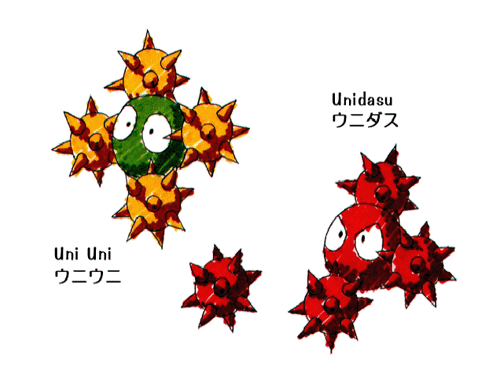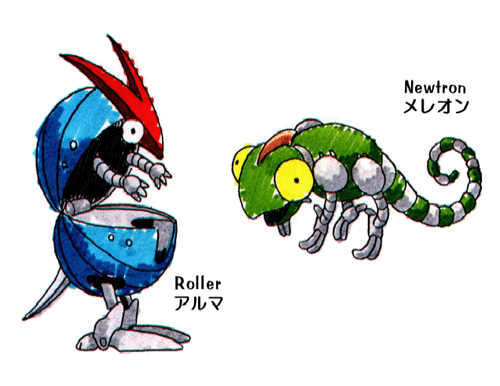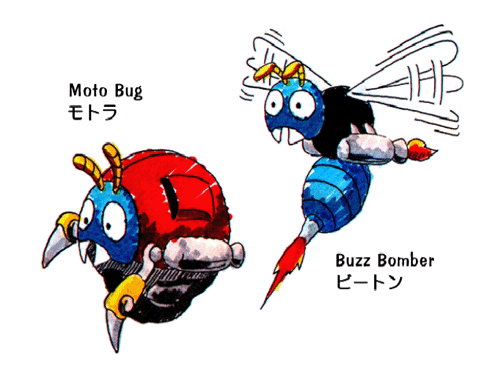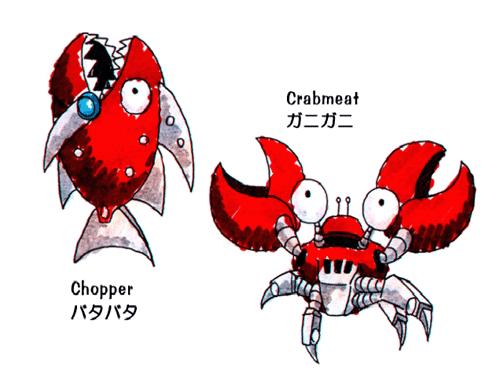
Believe it or not, Sonic was once mistaken for a cat by the Brazilian press in a distant era, but he soon gained fame and the recognition he deserved. In time, Brazil became one of the leading countries consuming content about the character, largely thanks to Tectoy, which was famous for producing and distributing games nationwide in the 1990s.
Blending recent information with older material, primarily revised from the defunct Nintendo World magazine, which approached the creative team behind the blue hero's success, discover here on Eu, Brasileiro the story of the blue hedgehog, Sonic the Hedgehog, who touches the hearts of many players!
Facing the Mustachioed Plumber
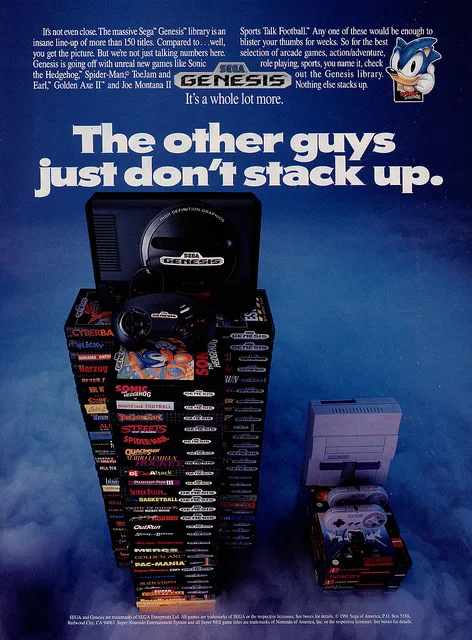
From 1985 to 1989, Nintendo dominated the video game market. The NES outperformed its main competitor, the Master System, which was found in 25% of American households. SEGA, responsible for this second-place console, knew that to have any hope of reversing the situation it would need to surpass Nintendo with a next-generation machine. It therefore launched the Mega Drive in the fourth quarter of 1989. By the following year, SEGA had already effectively weakened Nintendo's supremacy, thanks to an avalanche of conversions of highly popular arcade games.
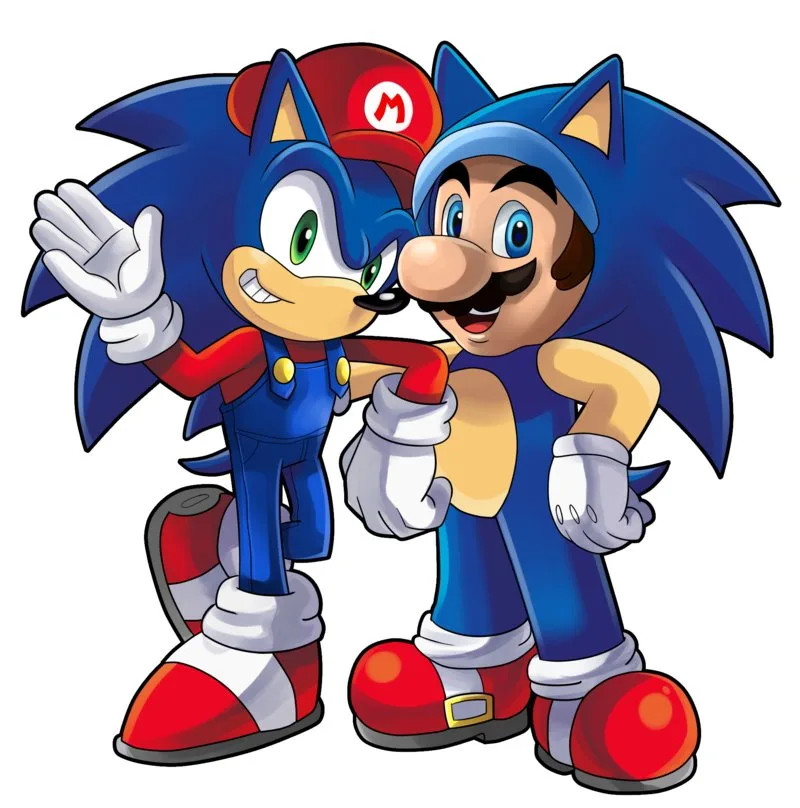
With the stunning launch of the Super NES at the end of the year and the new Super Mario Bros. game, however, then-SEGA president Hayao Nakayama decided the Mega Drive needed a mascot of its own to face its rival —since the Master System's spokesman, Alex Kidd, apparently was not up to the task. He wanted a character who would be to SEGA what Mickey Mouse was to Disney at the time.
No one was better suited to this undertaking than character designer Naoto Ohshima and talented young programmer Yuji Naka, who were responsible for the success of Phantasy StarThe pair began exchanging ideas about the project, but they could not make serious progress until they found a game designer. That was when fate unexpectedly brought them together with Hirokazu Yasuhara.
"At the time, I was about to visit the United States to establish a new R&D team at SEGA of America with Mark Cemy," he recalls. "But then the first Gulf War broke out, and the move to the U.S. was postponed for three months. The new-mascot project was advancing, but Naka and Ohshima needed a full-time game designer. They learned I was available and asked for my help designing the game before I left. That was how I officially joined the group as game designer. I planned to work on it only until the trip, but I ended up staying in Japan for a year until we finished everything," designer Yasuhara says.
The Need for Speed
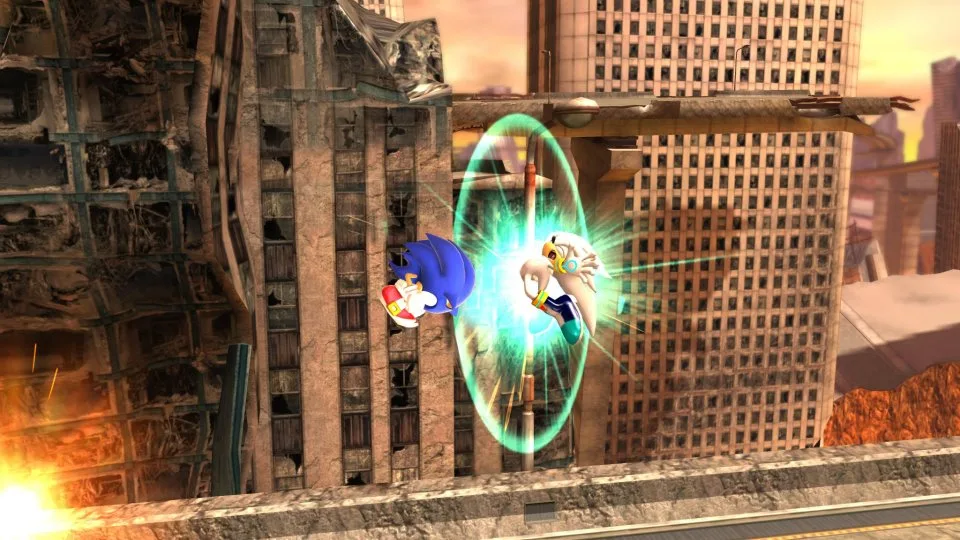
The group realized that for the mascot to reach Mario's level, the game needed to provide something new and exciting. As Yasuhara recalls, "Almost every game company at the time was trying to make Mario-like action games. He was great, but people needed something new." The developers first needed to create a very strong game concept, then design its character. Yuji Naka suggested making speed the primary focus.
"As soon as I began working on the project, I remember looking at games of the time and wishing they were cooler and their characters moved faster," Naka says. Then, working almost alone, the programmer created a graphics engine that took full advantage of the Mega Drive hardware's speed—and its extremely fast 7.6 MHz for the era. "Naka made an engine demonstration featuring a new method of scrolling the background at incredible speed," Yasuhara recalls. "I then began thinking about how we could create a game using that technology."
Putting the concept into practice proved difficult, however. According to Yasuhara, "the great challenge was wrestling with how to make the best use of a fast character within a game." One idea was a rabbit that could collect objects with its ears and throw them at enemies. The team decided that particular mechanic slowed the game too much and was overly complex. "The concept of speed can be difficult for some people," Naka says, "and I did not want to target only advanced players."
Sonic, the Armadillo?
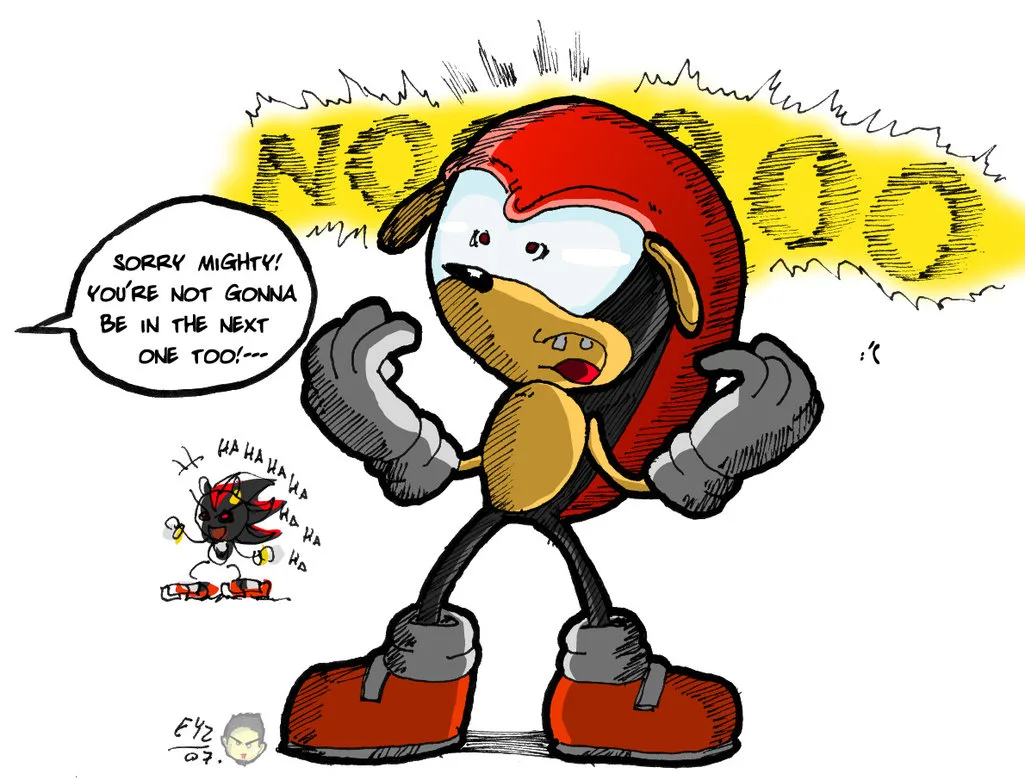
The major breakthrough came when Naka suggested that the character could attack enemies without stopping. One way to do so would be to give him the ability to curl into a ball. This way, Naka believed, the player could move quickly throughout the stage and defeat enemies in an entirely new fashion. Ohshima designed two characters around this idea: an armadillo and a hedgehog. Because the body covered in quills had a more aggressive appearance, the team ultimately chose the "big hedgehog" and made him blue to match the SEGA logo.
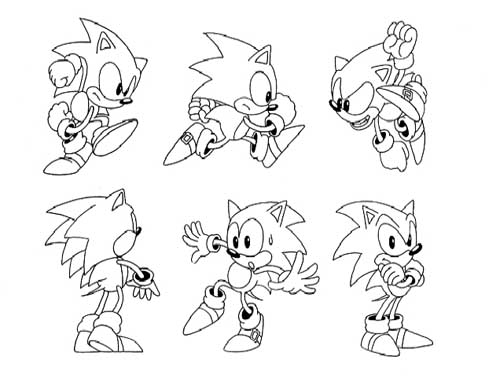
In addition to speed, the developers wanted the hedgehog to make an impression with his personality. "He was the first character to display an 'attitude' toward the player," Yasuhara comments. "In other words, he represented more than a mere cursor." The character's mannerisms and hand gestures may not stand out by today's standards, but they were remarkably striking compared with the impassive characters inhabiting games of the era. All that remained was to give the character a name conveying the uniqueness of his traits. "After much thought," Yasuhara recalls, "almost at the end of the project, we decided on the name: Sonic."
Sonic Does What the Mega Drive Does
Because SEGA intended to challenge Nintendo's more modern hardware, it was crucial for its game to look as good as possible. Naka's engine demanded more from the Mega Drive than any other game. "It was not common to use 3D graphics at the time," Naka says, "but that visual style influenced us considerably. Looking at the palm trees that appear right at the beginning of the game, for example, you can see that they were drawn in an old 3D polygonal style."
To help with the stages' graphic design, the group added Rieko Kodama, who had worked with Naka and Ohshima on the Phantasy Star"It was still difficult to position polygons, but the graphics in Sonic the Hedgehog were designed to incorporate polygonal styles," Kodama explains. "When drawing the stages, I created the entire area with advanced visual-graphics imagery. We intentionally designed it as though it had been artificially illustrated with those tools. To tell the truth, we drew every tiny part because graphics software was not yet very advanced [laughs]." As a result, the game's visuals boasted an incredible sense of depth. This was combined with the character's unmatched speed.
The team was determined to reach its peak in musical quality as well. "Instead of the same old video game music with FM synthesizers, we wanted to use radio-quality music to demonstrate the performance of the new 16-bit hardware," Yasuhara says. The group therefore sought a promising Japanese musician to compose the soundtrack. "At the start of the project, we did not plan to hire a musician from outside SEGA," Naka comments. "My boss, however, introduced me to Mr. Masato Nakamura, a member of Dreams Come True [a famous Japanese band]. It was his first time working on a game, but I remember the entire team being impressed by a sample of his music the first time we heard it."
For Nakamura, his fascination with the project came from the passion he saw in the development group. "What really made me want to create Sonic's music was that everyone at SEGA shared this feeling of 'this is going to beat Mario,'" the musician recalls. "I realized I would certainly do everything I could to help them achieve that goal."
Ironically, Nakamura created the game's melodies on an Atari computer. "At the time, the key factor was the number of sounds that could be played simultaneously, so it was complicated to decide which sounds could be produced at once with such a limited number. Unfortunately, with what I had available, I was limited to only four sounds playing at the same time." Despite the restrictions, Nakamura created one of the most dynamic and memorable soundtracks in video game history. "I wanted melodies that would make players hum as they played, with dramatic music in the most intense scenes when the boss appeared, all without letting the sound lose pace with the speed. After all, it is one of the main elements."
Sonic's Rise
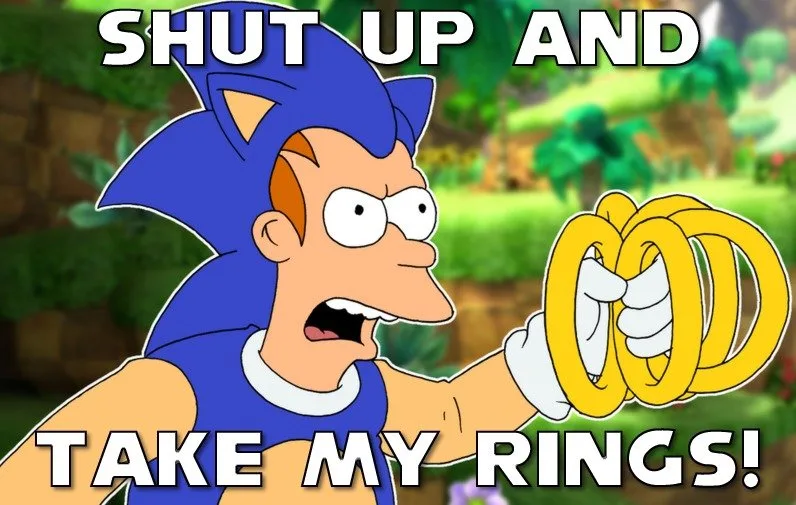
The rest, as they say, is history. Sonic the Hedgehog was released on June 23, 1991, and led SEGA to success in the 16-bit era. Nakayama did not merely get his Mickey Mouse, but something more. In 1992, Sonic was surprisingly more recognizable among children ages six to eleven than Mickey himself. In recent years, the series has continued selling millions upon millions of units worldwide. Commercially speaking, the character has shown no signs of weakening. Here are some of the brand's more recent achievements:
- 1.5 billion game sales and downloads, as officially announced by SEGA;
- Hundreds of millions of downloads are on smartphones, with the game Sonic Dash being one of the main contributors;
- A steady presence on streaming services with series such as Sonic Boom, Sonic Prime and "Knuckles", the latter a spin-off series from the character's theatrical films;
- Consecutive American box-office records with Sonic the Hedgehog and Sonic the Hedgehog 2, each becoming the highest-grossing film based on a game at the time of its release.
The members of the original Sonic Team went their separate ways after leaving behind a global powerhouse. They all still proudly remember the project that changed not only their careers but the entire entertainment industry. "I learned a great deal about games on that project, and I still draw on that experience today," Yasuhara reflects. "It is a game I always remember when determining how to create a new one. Sonic is always with me."
The Evolution of Sonic the Hedgehog
The mascot has always undergone minute changes to his overall appearance, updating himself so he never falls out of shape with the current gaming world. Whether those changes are well received or not, Sonic is one of the most frequently updated gaming mascots in visual terms.
1991 Model:
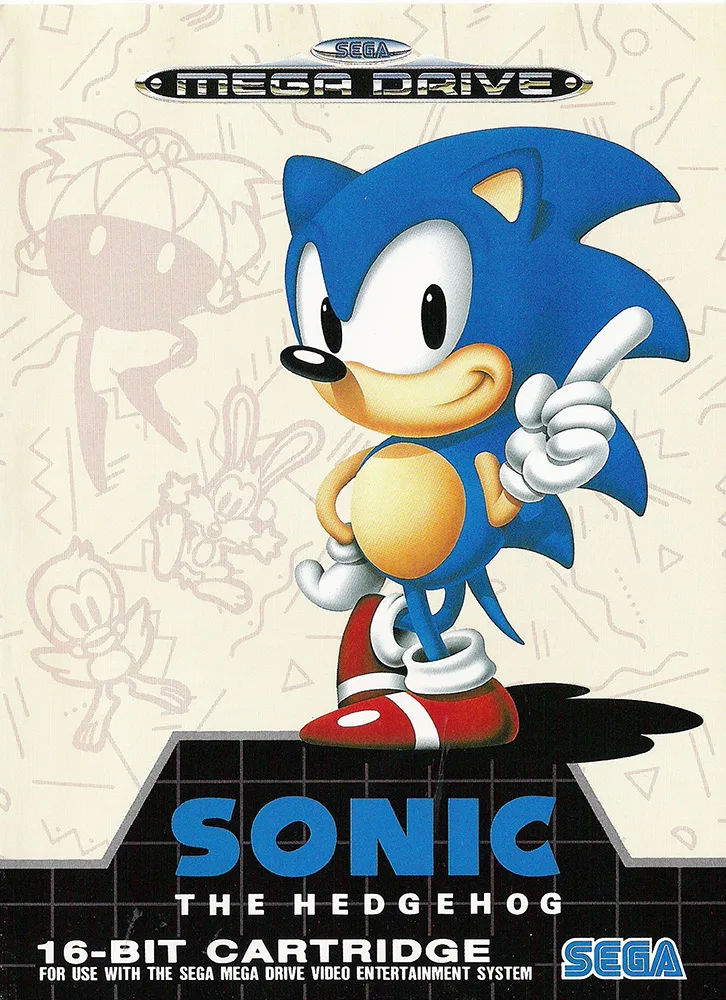
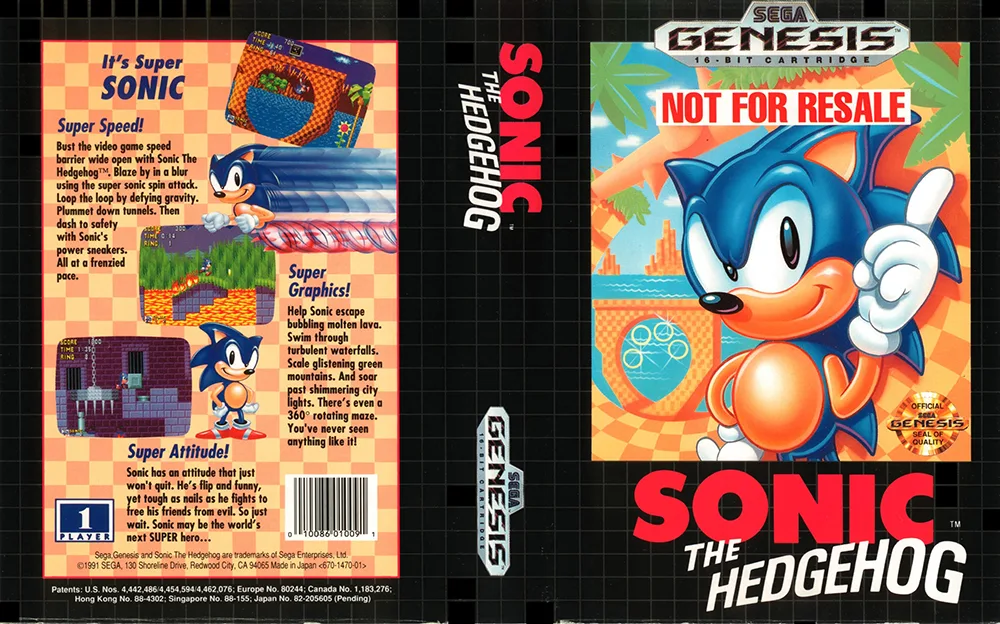
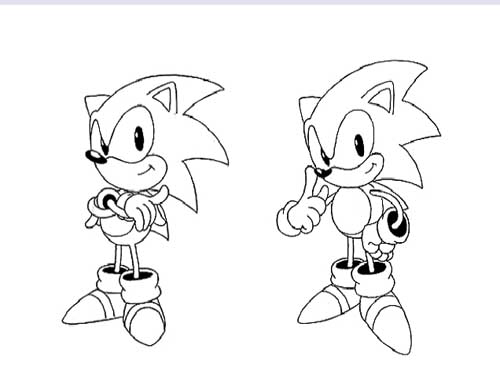
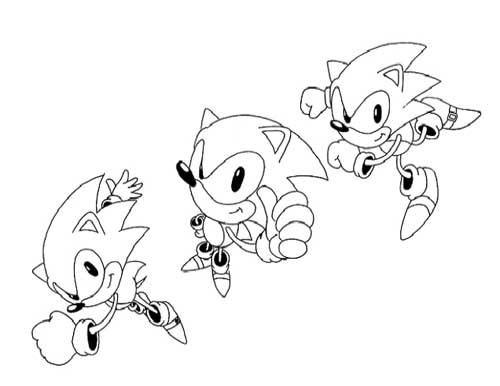
A slight Mickey Mouse influence is visible in Ohshima's original design on the left. The character was rounder and more compact than his recent incarnations, and his appearance was younger and more cheerful. As already mentioned, these character poses conveyed a great deal of attitude at the time. The version on the right is an "adjustment" for American audiences, as SEGA's marketing team decided to implement in that era.
1998 Model:
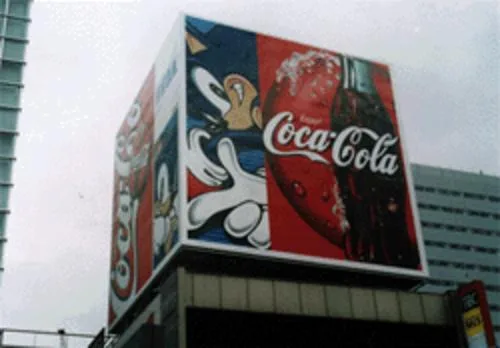
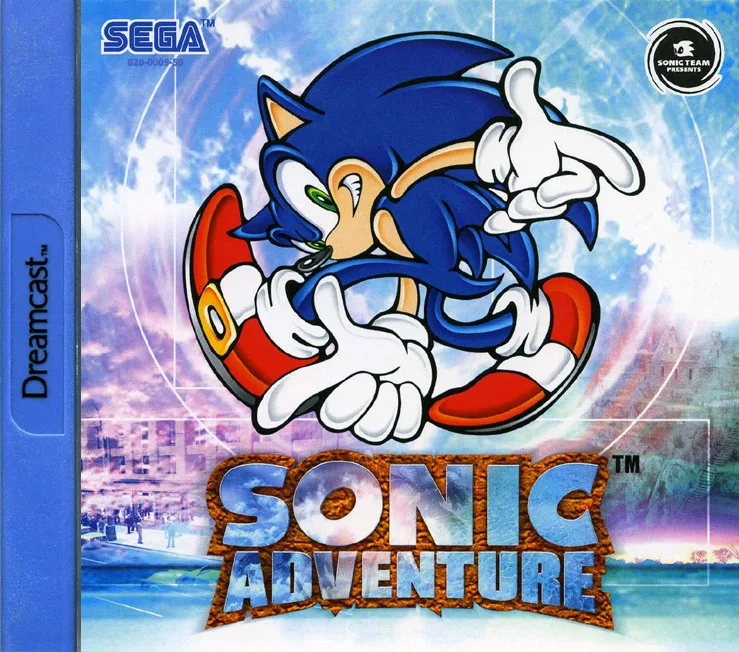
In Sonic Adventure for Dreamcast, Sonic underwent a drastic redesign at the hands of Yuji Uekawa. The transformation into an anime style produced a character with longer legs, green eyes, and quills that looked very much like... hair?
Overall, he gained a more aggressive and youthful form, with a more sarcastic smile than the older version, and the look of his clothing—shoes and gloves—was consequently changed. The change, along with the game, was so successful that Sonic even became a Coca-Cola spokesman through a partnership in the United States at the time.
2006–2008 Model and Beyond:
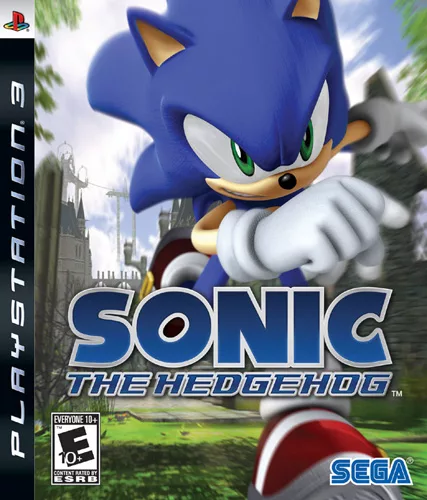
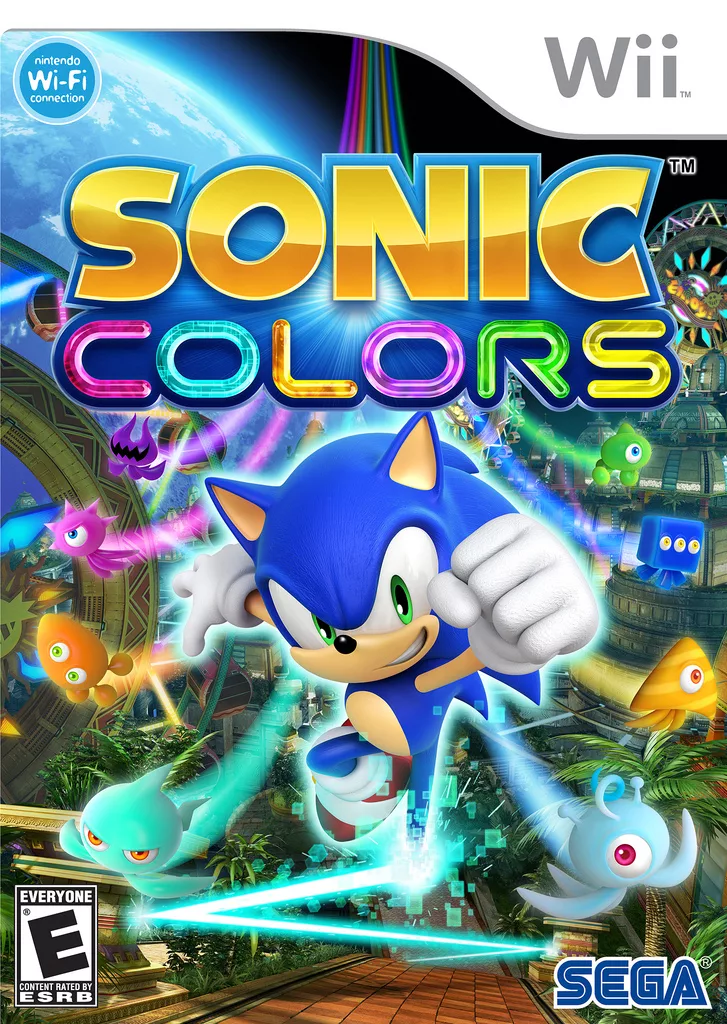
Subsequent changes were not as drastic, but the character is now represented in 3D almost all the time. Sonic became increasingly stylized and looks far less like a hedgehog than he did at first. In 2006, he had a more human appearance, while in 2008 some details of his classic form were restored. The blend used in Sonic Unleashedfrom 2008 was the best received among fans, becoming established and carrying forward almost imperceptible changes.
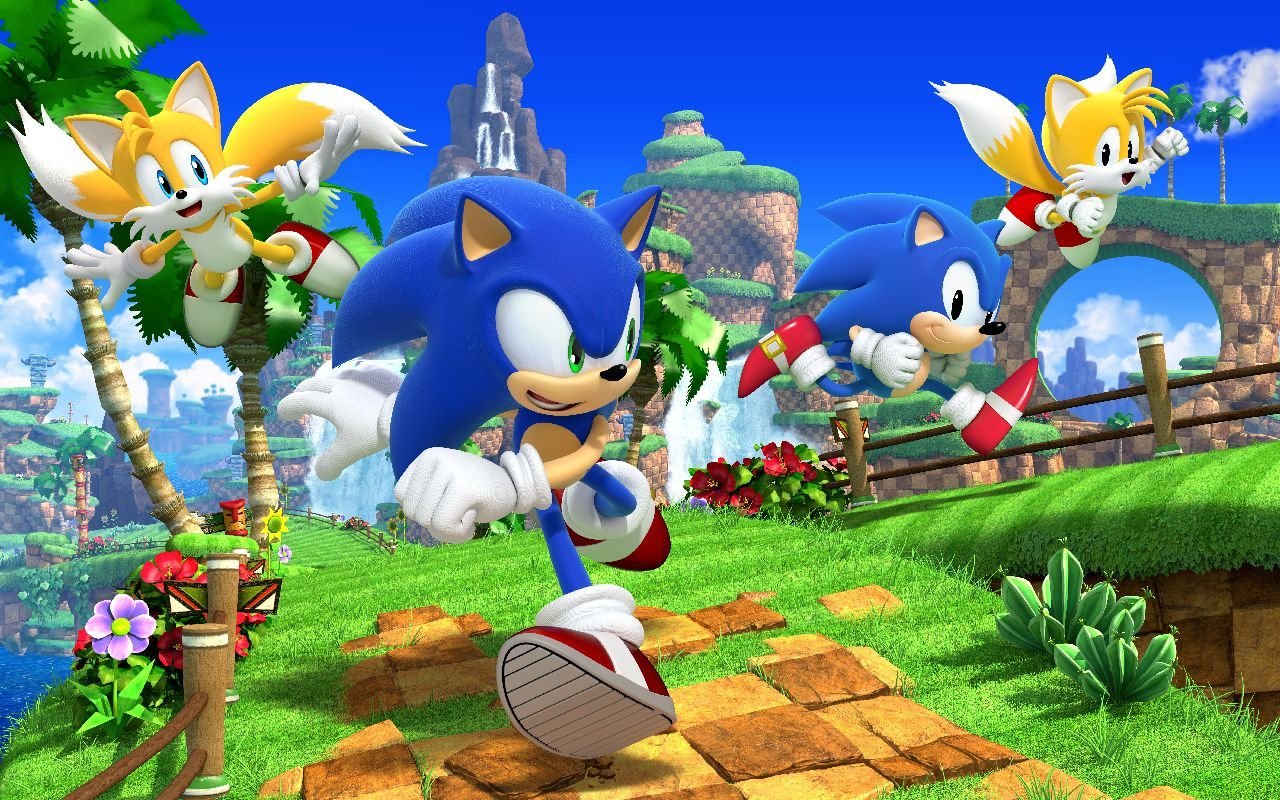
It is worth remembering that Sonic's classic and modern looks joined forces for the first time in the game celebrating the character's 20th anniversary, Sonic Generations, regarded by fans as one of the franchise's best games up to that point.
Other Models—Movies, Series, Comics:
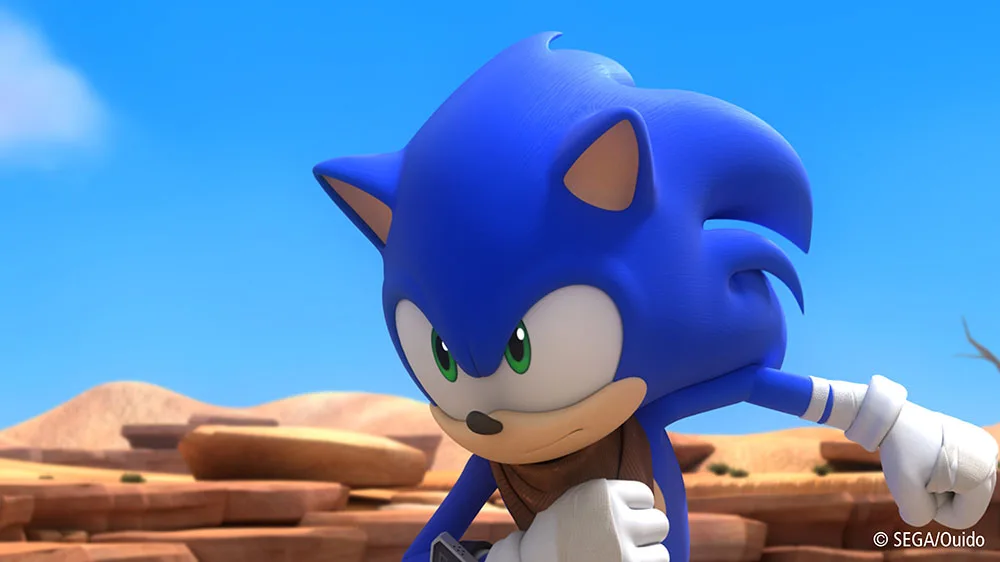
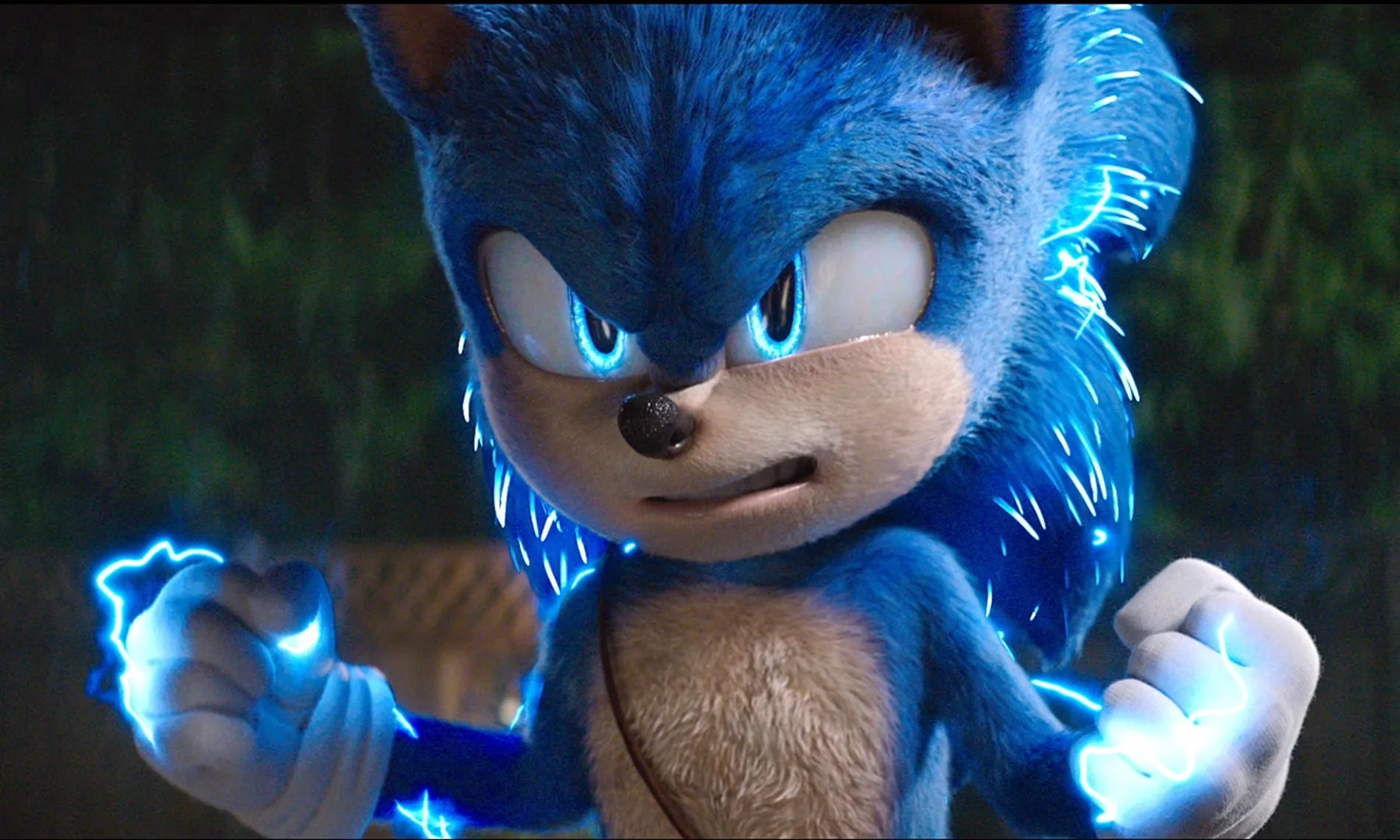
Sonic may still be subject to other changes in his overall appearance, more drastically in the Cartoon Network spin-off titled Sonic Boom, or in the theatrical films shown above. Subtle changes may also appear from artist to artist, as in the Archie Comics and IDW comic books, for example. Nevertheless, SEGA appears to maintain a standard for the character so he does not lose his original essence, despite certain controversies, such as the character's original movie design, which was abruptly changed after complaints from the public.
The Original Sonic Team
Today, the Sonic Team studio, which is responsible for developing the franchise's main games, still exists and consists of dozens of professionals in the field. In the past, however, there were only five geniuses capable of creating something that now ranks among the best-selling franchises in gaming history.

Yuji Naka, programmer: In addition to leading Sonic Team, he also served as producer on several other SEGA classics. In 2006, he left the company to open his own independent studio, Prope, and later also began working for Square Enix on the game Balan Wonderworld. In the latter case, Yuji Naka had a highly troubled relationship with the company that did not end well: he was accused of using privileged Square Enix information to profit on the stock market, which is illegal in Japan, resulting in a fine and becoming a police matter.
A few years after he left SEGA, Takashi Iizuka replaced him as leader and began managing all of the franchise's concurrent projects, ranging from games such as Sonic Frontiers and Sonic Superstars to oversight of the franchise's products, marketing, series, and films.
Naoto Ohshima, character designer: Although he continued working as a character designer, Ohshima also directed titles such as Sonic CD, NiGHTS and Burning Rangers. He also created a studio now called Arzest, which even joined Nintendo to work on games in the Yoshi's Island franchise, in addition to handling character design on Balan Wonderworldalongside Yuji Naka. The updates to Sonic's model were not made by him, but our friend here created a golden character.
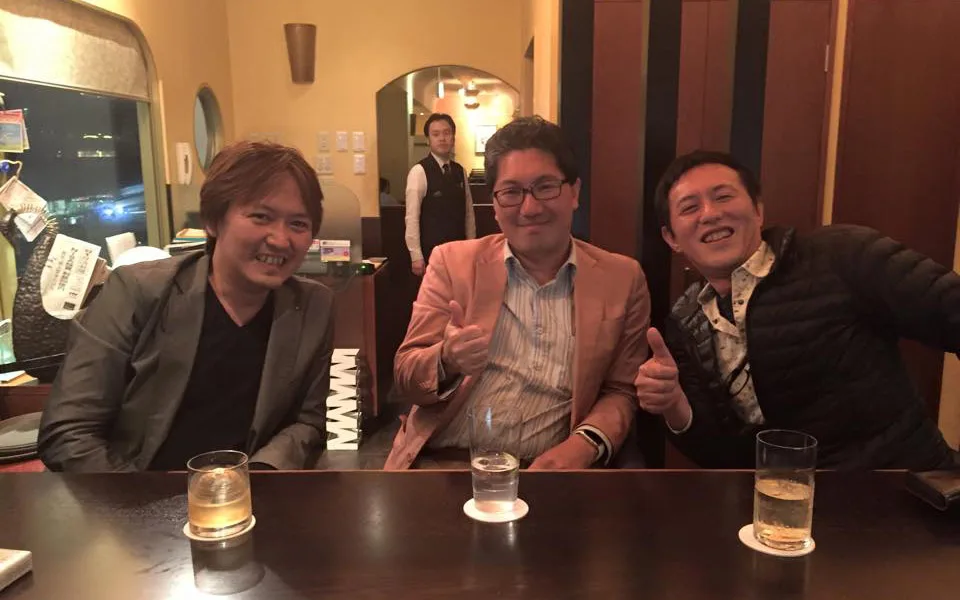
Hirokazu Yasuhara, game designer: Yasuhara remained the lead game designer on Sonic 2, Sonic 3 and Sonic & Knuckles, making him essentially the person most responsible for the entire classic setting of the Sonic the Hedgehogseries, since things changed and/or were updated after those games. He then went to work at Naughty Dog—responsible for the Crash games on PlayStation 1—where he contributed to the Jak and Daxter series.

Rieko Kodama, graphic designer: Kodama continued working with the blue hedgehog on Sonic 2, on which she tripled her creativity over the previous game, then returned to the Phantasy Star series. She also worked as producer on Skies of Arcadia, regarded by many as one of the best Dreamcast games. She additionally produced several titles in the 7th Dragon series.
Rieko sadly died in 2022, leaving a major legacy as one of the pioneering women in international game development. SEGA stated that it could not disclose further information about her death out of respect for her family.
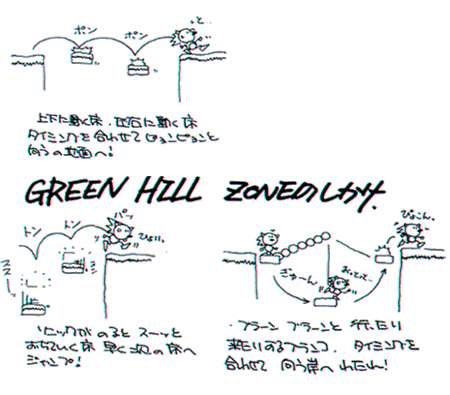
Masato Nakamura, composer: Nakamura remained the bassist of the Dreams Come True band, which is very famous in Japan. He later collaborated with rapper Akon on a remix of "Sweet, Sweet, Sweet," the ending theme from Sonic 2 for Sonic the Hedgehog released on Xbox 360 and PlayStation 3. It is impressive to know that he created one of gaming's most memorable songs: the Green Hill Zone theme, from the first stage of the first Sonic game.
Concept Art and Prototypes
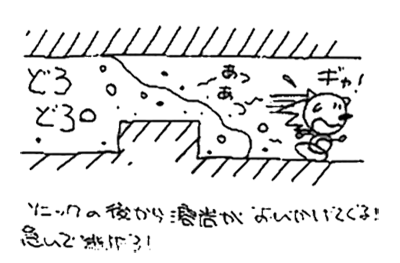
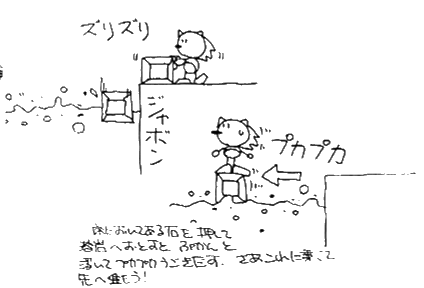
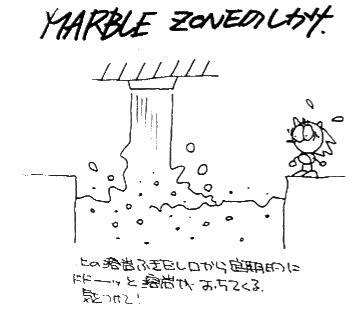
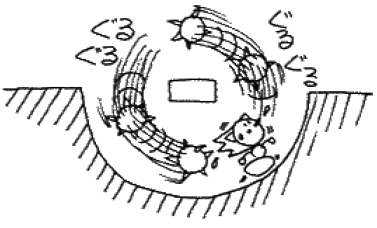
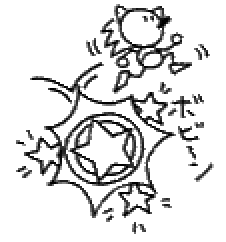
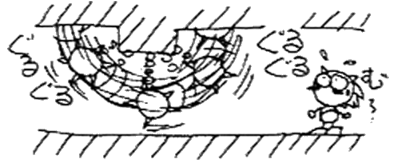
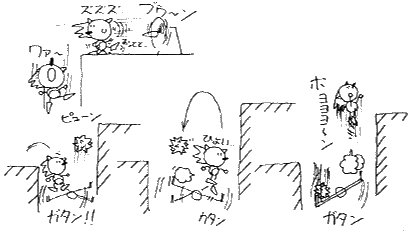
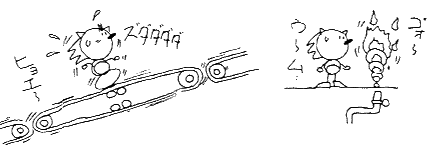
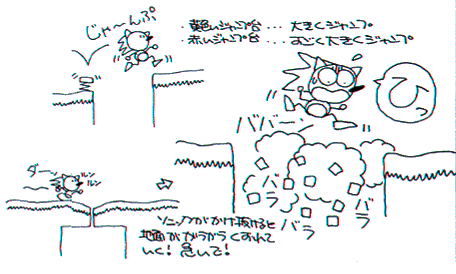
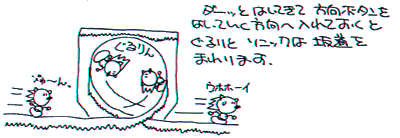
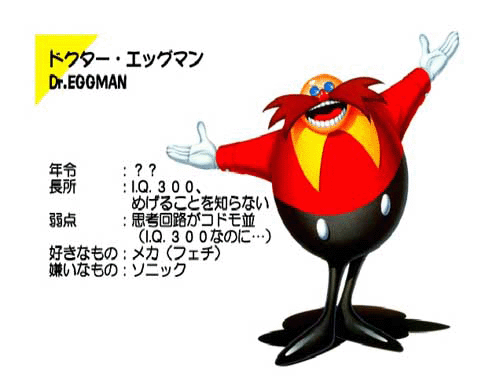
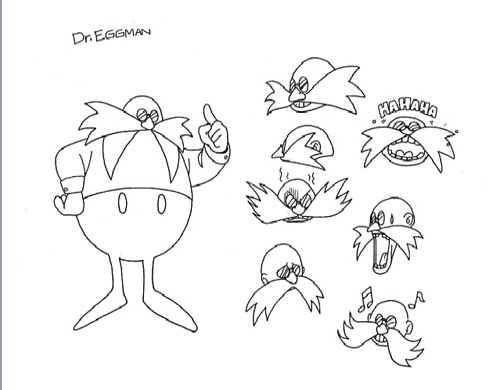
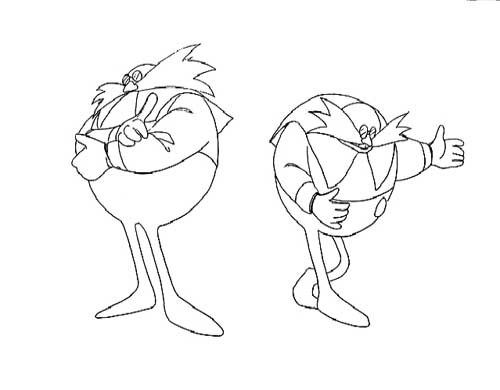
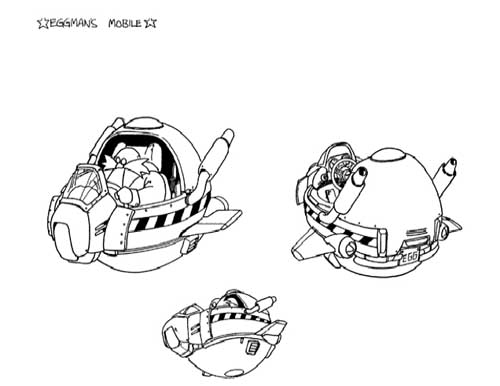
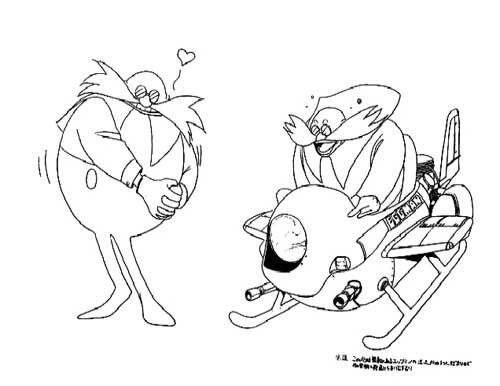
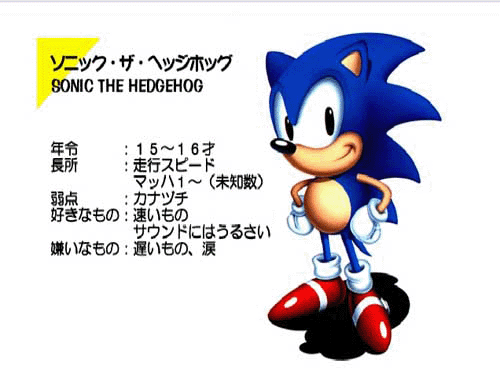
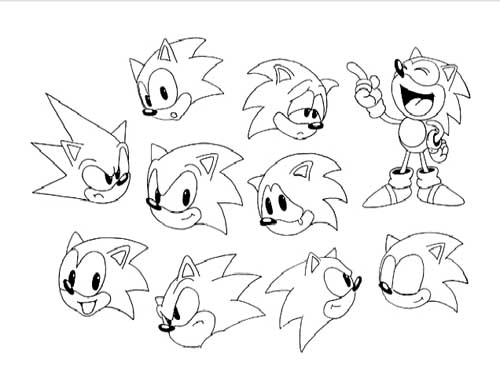
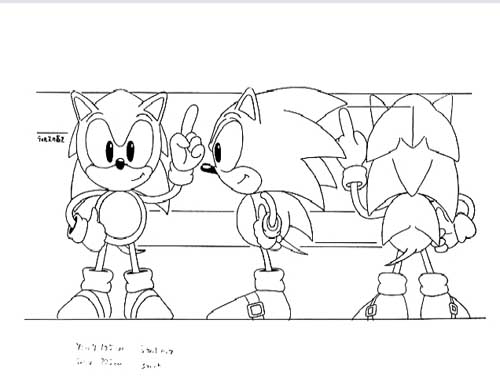
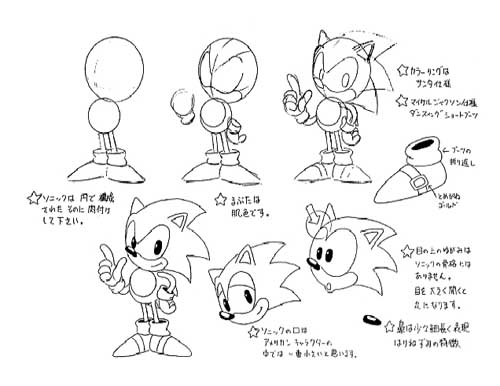
See concept-art images used to create Sonic and his first game, released in 1991, which resulted in an exceptionally diverse range of stages. "In conceptual art, the idea or concept is the most important aspect of the work. When an artist uses a conceptual form of art, it means all planning and decisions are made in advance, while execution is a secondary concern. The idea becomes the machine that creates the art" — Wikipedia.
Stage Creation
Character Creation
Badnik Creation