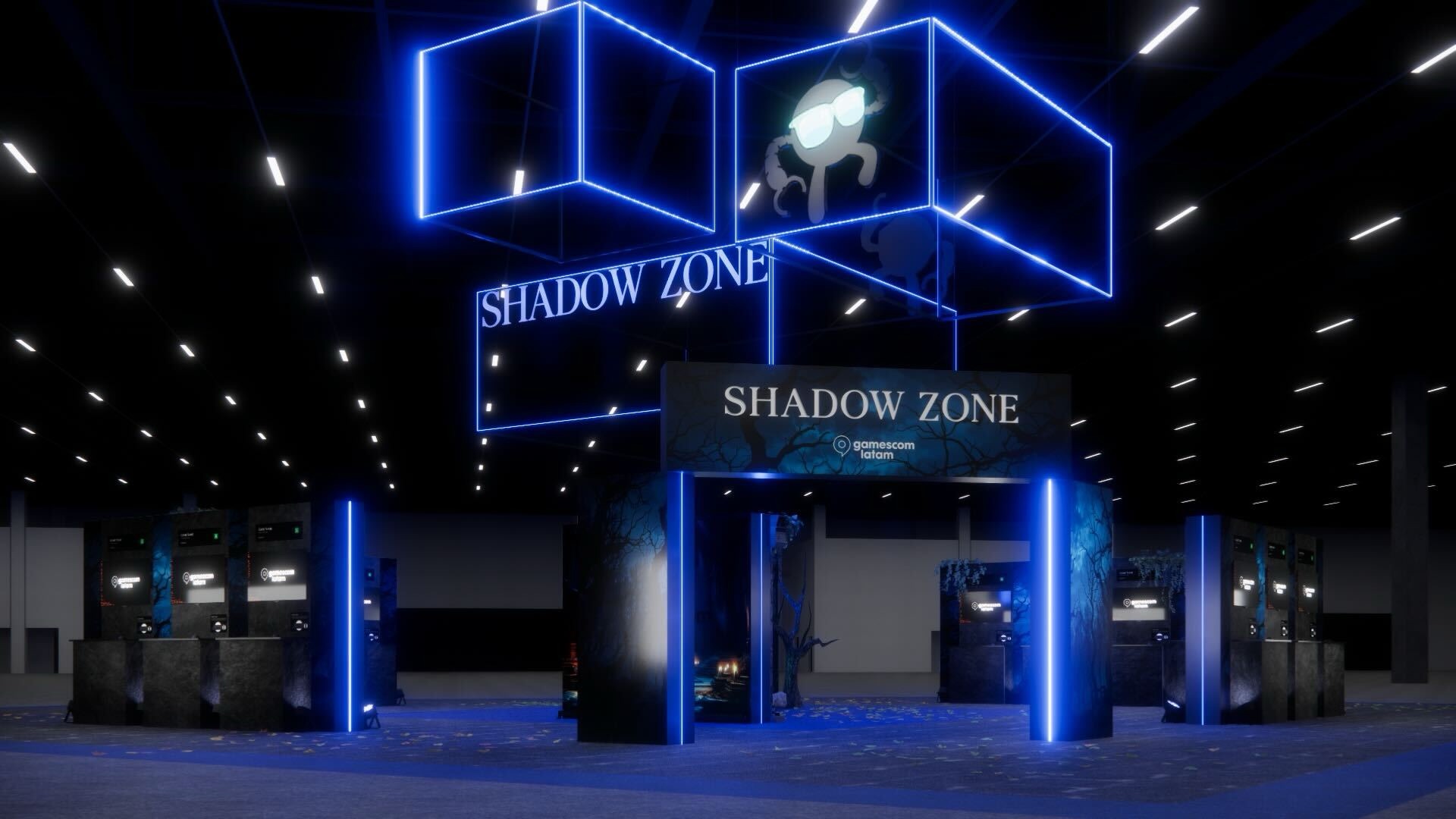

E3, the leading technology and gaming event in the United States—or the world, if you prefer—took place last month. Many major hardware and software developers attended to present new features for the coming years and trends for a somewhat more distant future—setting the pace of technological evolution and the focus of investment in the next cycles.
One of the major highlights was the consolidation of Virtual Reality (VR) as a definitive tool for games. If there were still doubts about VR's genuine survival in coming generations of games and consoles, the brands in attendance showed that this should be one of the paths followed by future releases.
There had been much discussion about Samsung, for example. Known for its innovation with the Gear VR, people wondered whether the Korean brand would continue with the product that combines its top-of-the-line phones with an immersive headset—and the answer was YES.
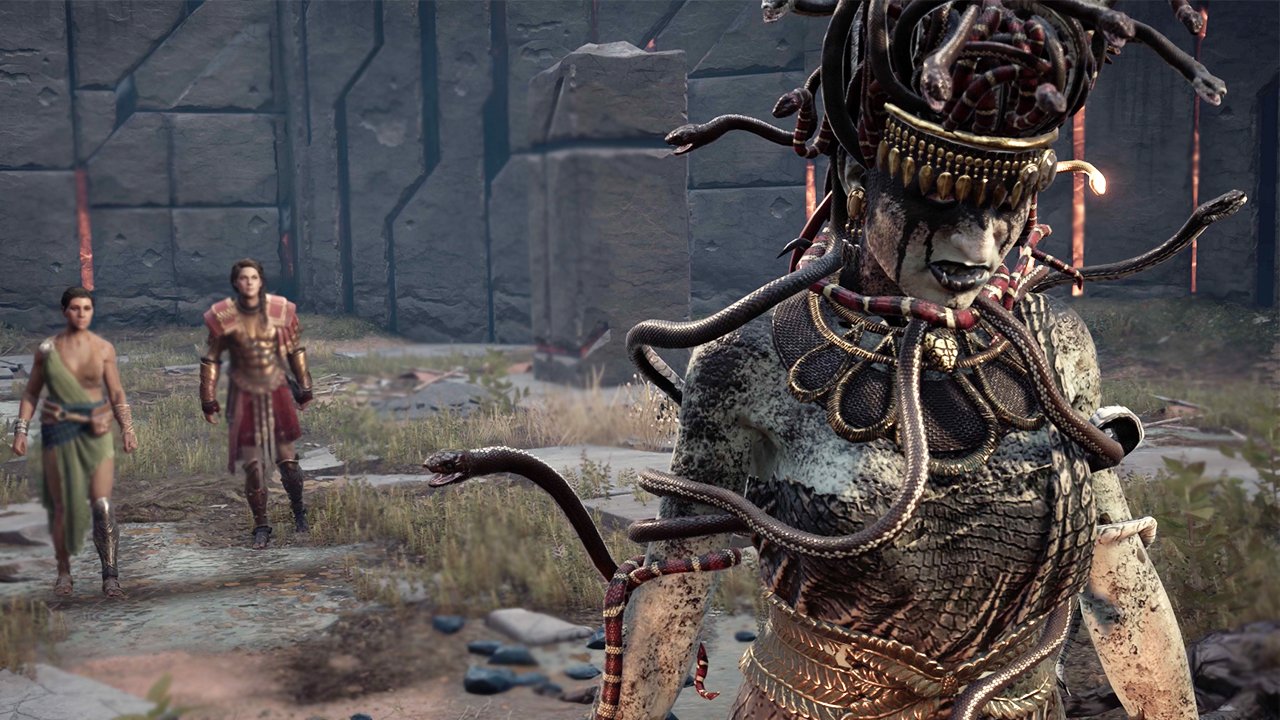
The “Voyager” entertainment center brought a 60-minute Assassin's Creed Odyssey VR experience to São Paulo.
Farshid Fallah, director of developer relations, games, and entertainment at Samsung Electronics America, was asked which path should be followed in the coming years and left fans excited by ensuring that the S10 line of devices would bring new Virtual Reality and, above all, Augmented Reality features. The executive also commented that Samsung would bring “multiple AR and VR products” in the coming months of the year, but offered few details about what these devices would be like or their release dates.
The company's gaming-sector leader, Fallah, also mentioned the Gear VR line, launched in 2015, which may receive a much-anticipated successor in the future. “It was a good entry point,” the executive commented, “but things have moved forward and changed a lot since then.” In addition to developing solutions for smartphones, Samsung has major virtual-reality projects based on the Windows Mixed Reality platform. In 2018, the multinational launched the HMD Odyssey, which is also expected to receive a new update during this year.
Content developers for the technology know that its features are practically limitless—it is even possible to play in a virtual casino using VR on the Betway platform, with impressive realism and immersion.
The challenge is how to make this immersion increasingly deep, with fewer distractions for the player.
Achieving this requires greater processing power for the heavy and detailed graphics in games and other content. Largely because of this, Qualcomm recently launched a VR and AR concept headset to demonstrate the Snapdragon XR1 chip.
The initial intention is not to release the device for sale to the general public, but merely to show the processing capabilities of its hardware. Named “Smart Viewer Reference Design,” the headset may also—and should—serve as the basis for creating headsets from potential partner companies that have already shown interest in a device with high-end characteristics.
The chip truly demonstrates its processing power by intelligently performing every required function very well, dividing the workload with a smartphone or PC to which the headset is paired. As a result, it can perform ultra-precise room-scale movement tracking with six degrees of freedom, as well as track hand and arm movements and gestures, allowing interaction with virtual objects. The headset can deliver 2K resolution per eye.
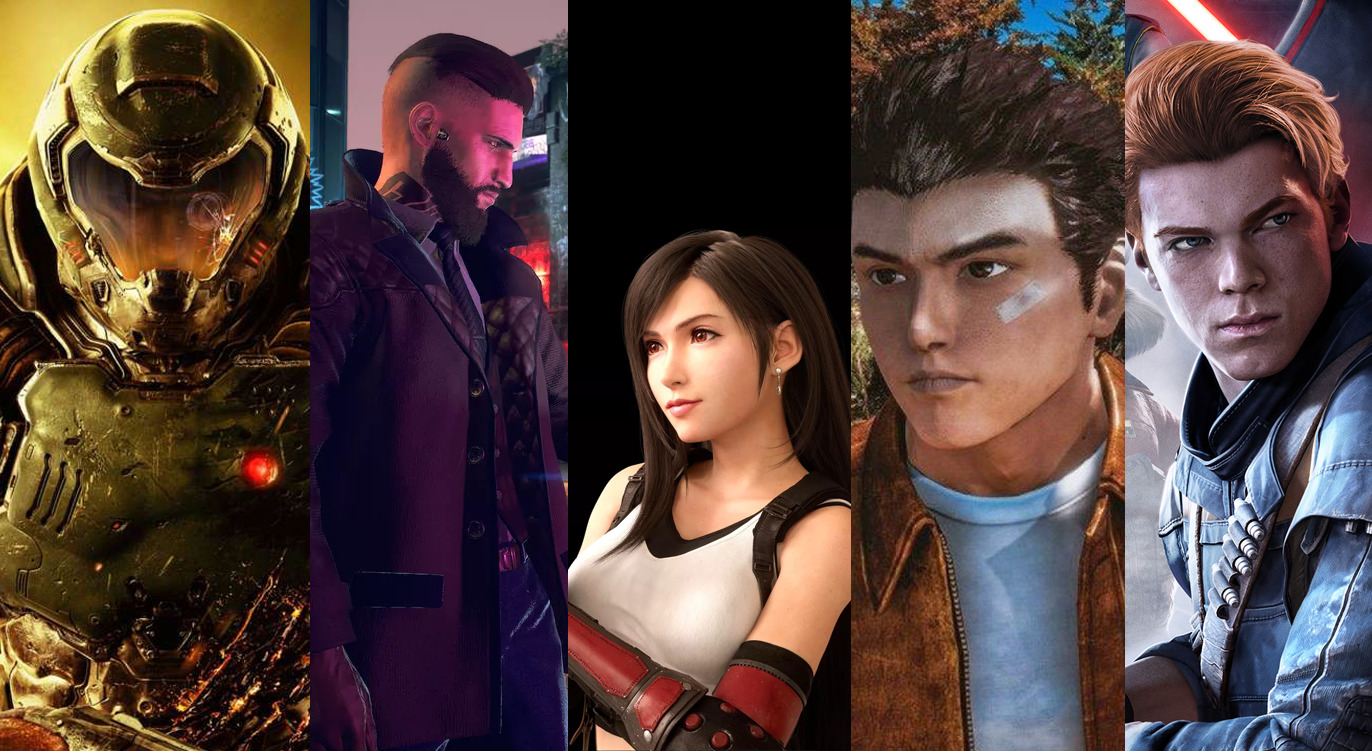
Bethesda, EA, Ubisoft, Epic, Square Enix, and others participated in E3 2019.
With all this, game and software producers are increasingly excited about the prospect of strong sales results. Virtual reality is becoming increasingly present at E3, and the main release presented by developer UploadVR was “After the Fall,” a game in which up to four players explore the apocalyptic setting of a completely destroyed Los Angeles. The game is expected to be released in 2020, with no exact date yet, possibly only for PC.
Another anticipated release is “Wolfenstein Cyberpilot,” which places the player in a virtual-reality experience recreating several wars set in Europe, all viewed from different perspectives.
Also in the field of war, Sniper Elite VR is another celebrated game. It was developed through a partnership between Rebellion and Just Add Water, taking players to Italy during the Second World War.