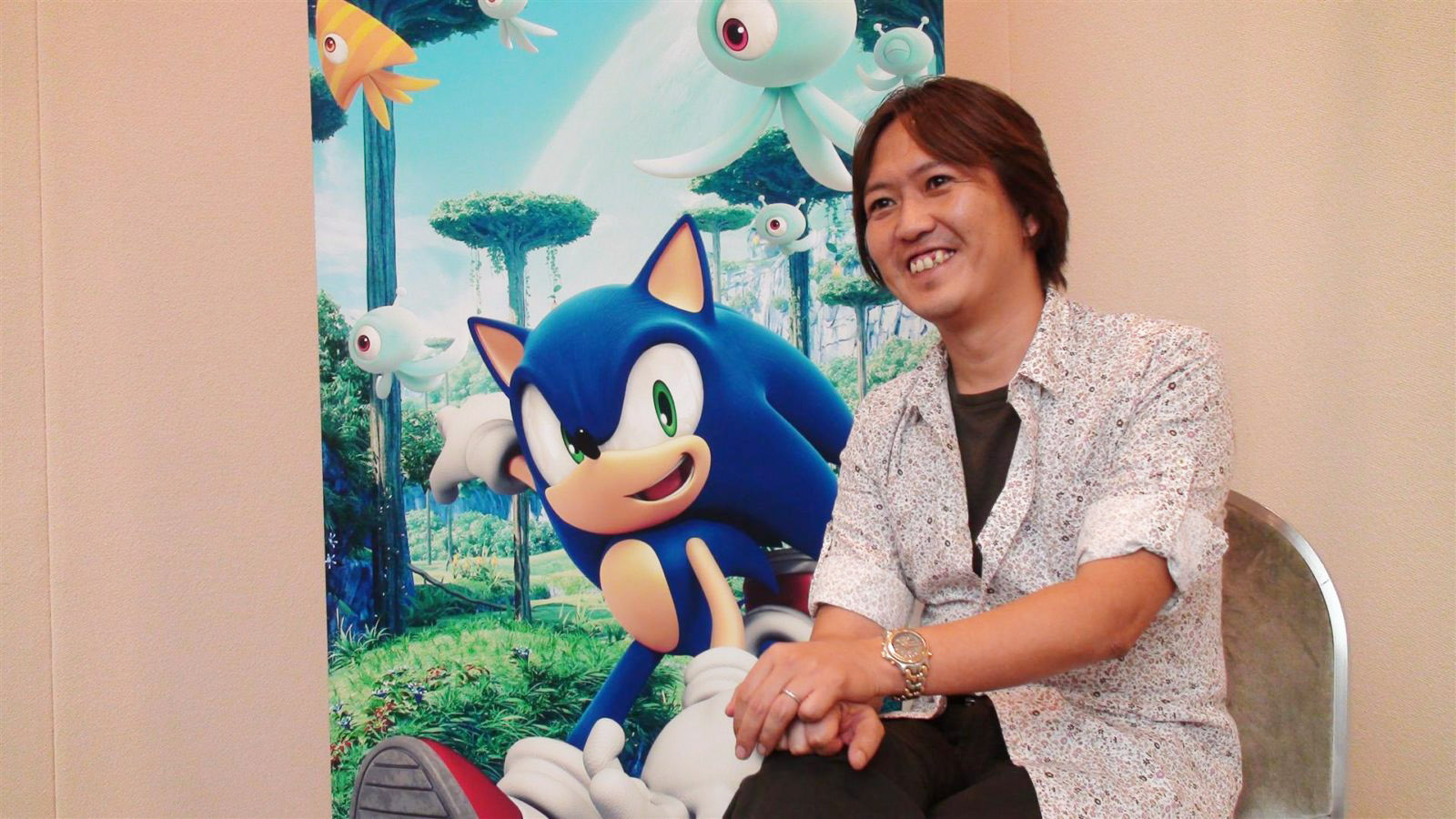
Takashi Iizuka is a "key figure" within the Sonic series, having held several roles in the blue hedgehog's games: level designer, director, writer, project lead, producer, and more.
Among fans of the speedy hero, he is known for having directed both Sonic Adventure games, served as level designer on Sonic the Hedgehog 3 and Sonic & Knuckles, and, for example, created Shadow the Hedgehog, who, according to surveys conducted by SEGA itself, the company responsible for the franchise, is its most popular character other than Sonic.
With revisions and additional information by Jean Felipe, we bring you what you need to know about this game designer, whom SEGA appointed producer and head of Sonic Team—the team responsible for the blue hedgehog—starting with Sonic Colors in 2010. From then on, he was responsible for deciding what the brand's games would be like. Before him, the team's best-known leader was Yuji Naka himself, one of the mascot's creators.
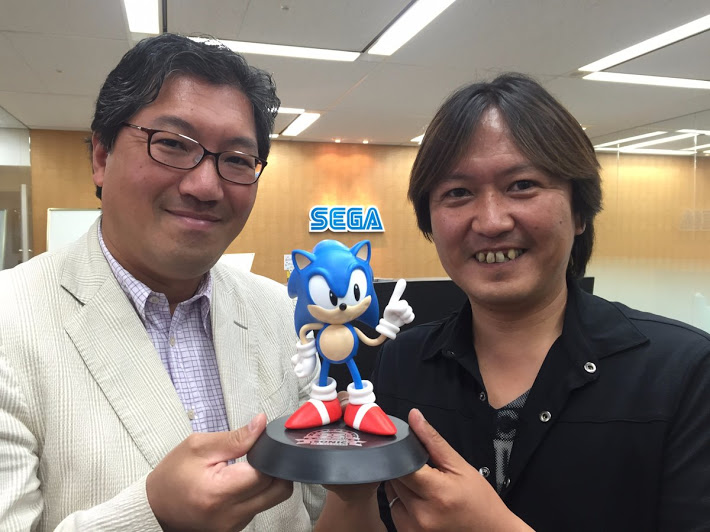
Yuji Naka and Takashi Iizuka. © SEGA
2D games are just as good as 3D games
Starting with Sonic 3 & Knuckles in 1994, Takashi Iizuka actively participated in games from the mascot's main series. Director of Sonic Jam, game designer on Sonic R, and responsible for a tremendous share of the work directing and creating characters, stages, and other elements in Sonic Adventure 1 and 2, Iizuka remained active in roles ranging from director on games such as Sonic Heroes and Shadow the Hedgehog in 2005 to work on hedgehog spin-offs such as Sonic Rivals and Sonic Riders: Zero Gravity. Meanwhile, games such as SONIC the Hedgehog (2006) and Sonic Unleashed did not involve him directly, although he received "special thanks" in them.
Even though the series was one of SEGA's main sources of revenue and its games attracted a wide range of fans, the franchise's image had not been particularly good since the company left the console business. This reached its peak with the critical fiasco and development problems that became Sonic 2006 for PS3 and Xbox 360. Many of the games ended up dividing opinion, generating controversy and extensive debate among gamers and fans worldwide.
Sonic Colors brings together all the elements associated with the series' success at that moment.
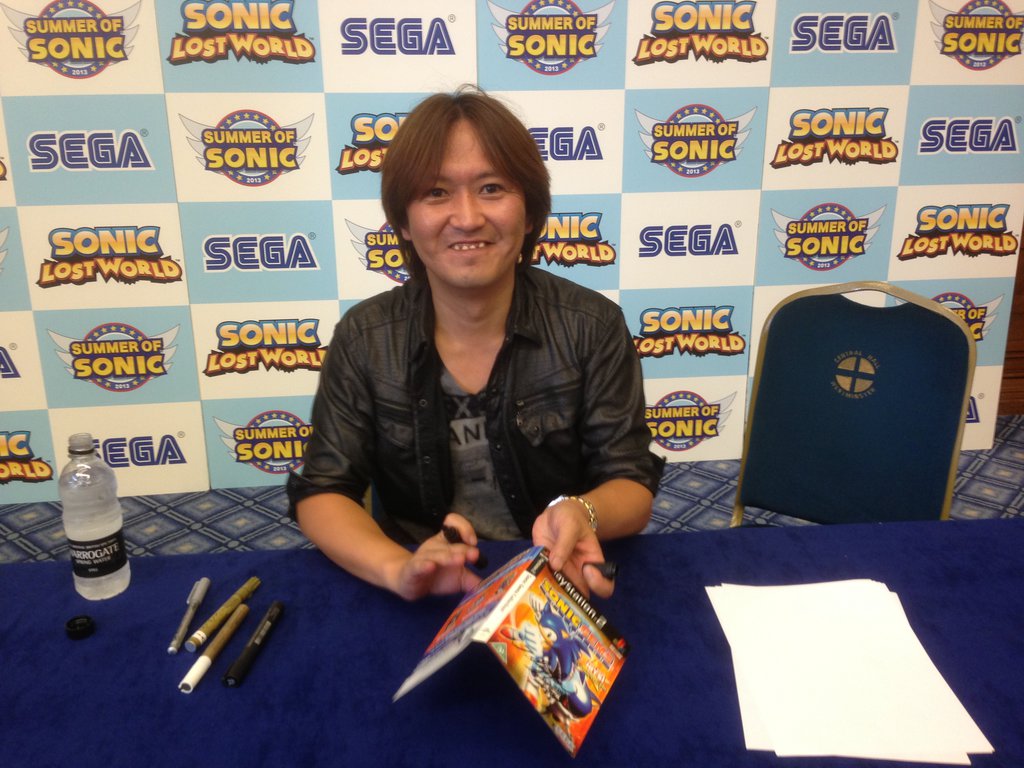
After a brief absence from directing Sonic's main games, Iizuka returned to the series as producer shortly after Unleashed was completed. It is believed that his assigned mission was to stabilize the hedgehog's image. Since he had a long history directing so many important games, having the creator of so much of this universe supervise it was a safe decision for the team.
He arrived at a time when it seemed to have become clear to SEGA that pleasing every type of player with a single game was impossible. It made sense to produce a 2D series for retro gamers who had begun their "Sonic journey" back on the Mega Drive and another in 3D for contemporary children and teenagers. It was also a natural solution for Sonic Team at the time, considering that the most positively reviewed aspect of Sonic Unleashed was its stages in which Sonic also runs from a side view, resembling the older games. That carried over into modern Sonic games: 2D began to run side by side with 3D.
As a result, two Sonic games were generally released in the same period, with Sonic Team responsible for the 3D games while third-party studios made the 2D titles with Sonic Team's support.
- Sonic 4: Episode I (2D - Dimps) -- Sonic Colors (2D/3D - Sonic Team) - 2010
- Sonic Generations (2D/3D - Sonic Team) - 2011
- Sonic 4: Episode II (2D - Dimps) -- Sonic Lost World (3D - Sonic Team) - 2012 / 2013
- Sonic Mania (2D - PagodaWest Games) -- Sonic Forces (2D/3D - Sonic Team) - 2017
The Sonic Boom series, released in the middle of all this, was an initiative by SEGA of America, and Iizuka was brought in only to approve or reject references to the franchise. He was, in fact, deeply bothered by the ideas from Big Red Button, the studio responsible for creating Sonic Boom: Ryse of the Lyric, in which Sonic would actually have had a more alien-like appearance. Iizuka was responsible for putting a stop to that idea.
“Sometimes he couldn't even look at the screen—it was too traumatic to see all the crazy things we wanted to do.”
Bob Rafei, who was responsible for the Sonic Boom project, told GameSpot that some of the more "outlandish" ideas ended up traumatizing Sonic Team head Takashi Iizuka. "I felt bad for the guy," Rafei continued, referring to the moment SEGA brought Iizuka in to see what was happening. "Sometimes he couldn't even look at the screen—it was too traumatic to see all the crazy things we wanted to do."
"During that meeting, as we were coming up with new ideas, we had a very candid conversation about why a character should or should not wear pants, and that was a very surreal moment in my life and career, but it helped us understand the rules of clothing in this universe. Any small adjustment led to a very long conversation, so we had to be very careful," Rafei concluded.
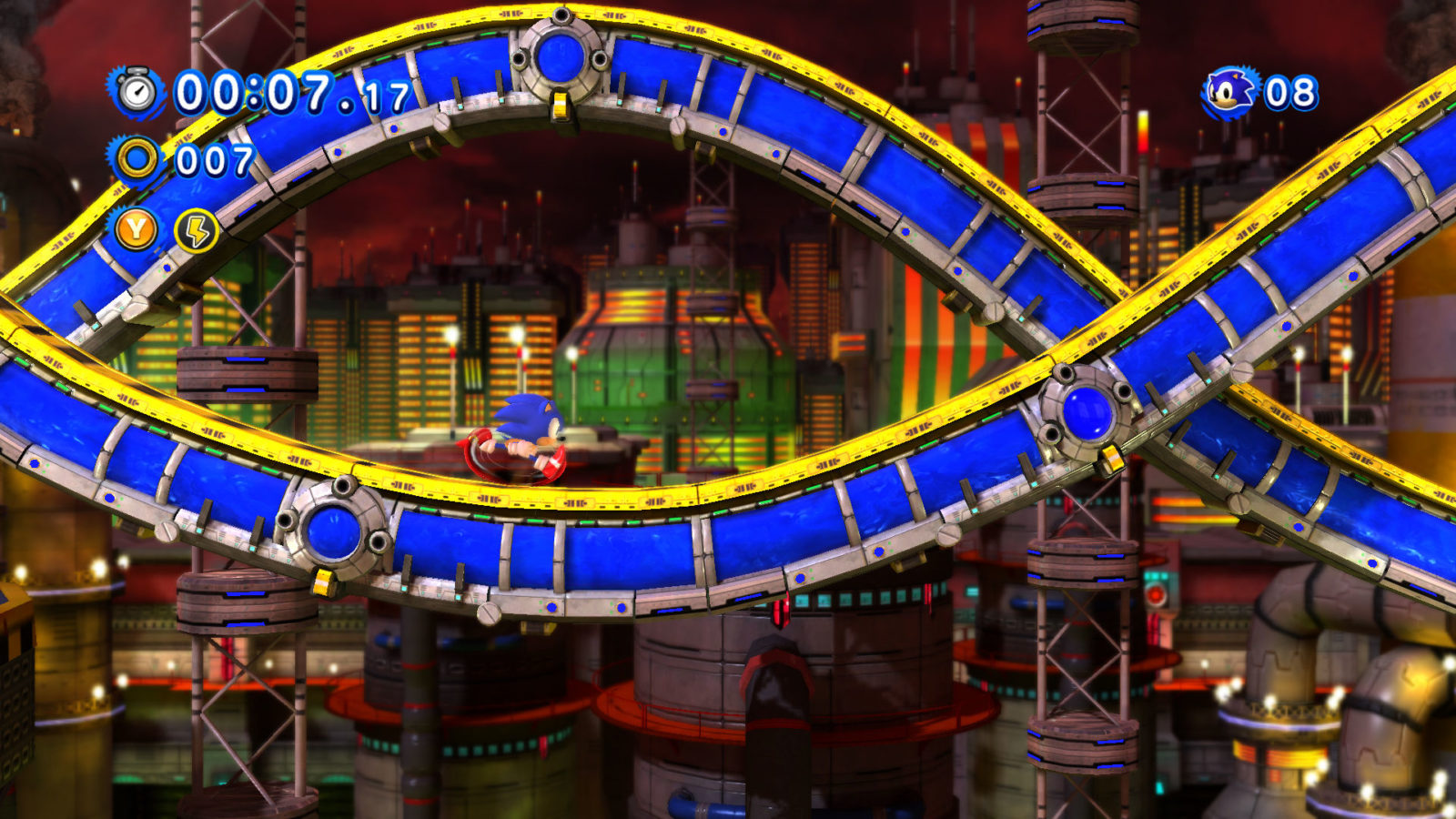 Sonic Generations brought together 2D and 3D gameplay while recreating older stages.
100% Sonic games?
Another decision Takashi Iizuka made to establish "what" the series is was to make the mascot's games "as Sonic as possible," drawing on every element that had brought him success throughout his history.
Innovation therefore took a back seat, and the games began focusing on what people most expect from a title in the series: a platforming adventure built around "running and jumping" through settings that look entirely at home in the mascot's world—tropical stages, amusement parks, casinos, and so on. In addition, Dr. Eggman once again became the main classic villain who wants to "take over the world," and Sonic must stop him.
Iizuka nevertheless also proposed adding some new features to the 3D games while maintaining the frantic pace Sonic titles need. On several occasions, he said that some games in the series contained "innovative elements that did not fit what the mascot's games needed," perhaps indirectly criticizing the Werehog from Sonic Unleashed.
That led to the idea for the Wisps in Sonic Colors, which offered players something new without compromising the frantic style and became a recurring element in the games that followed. Boost gameplay, though not conceived by Iizuka, was reused in Colors and Generations, but with reduced speed in favor of platforming.
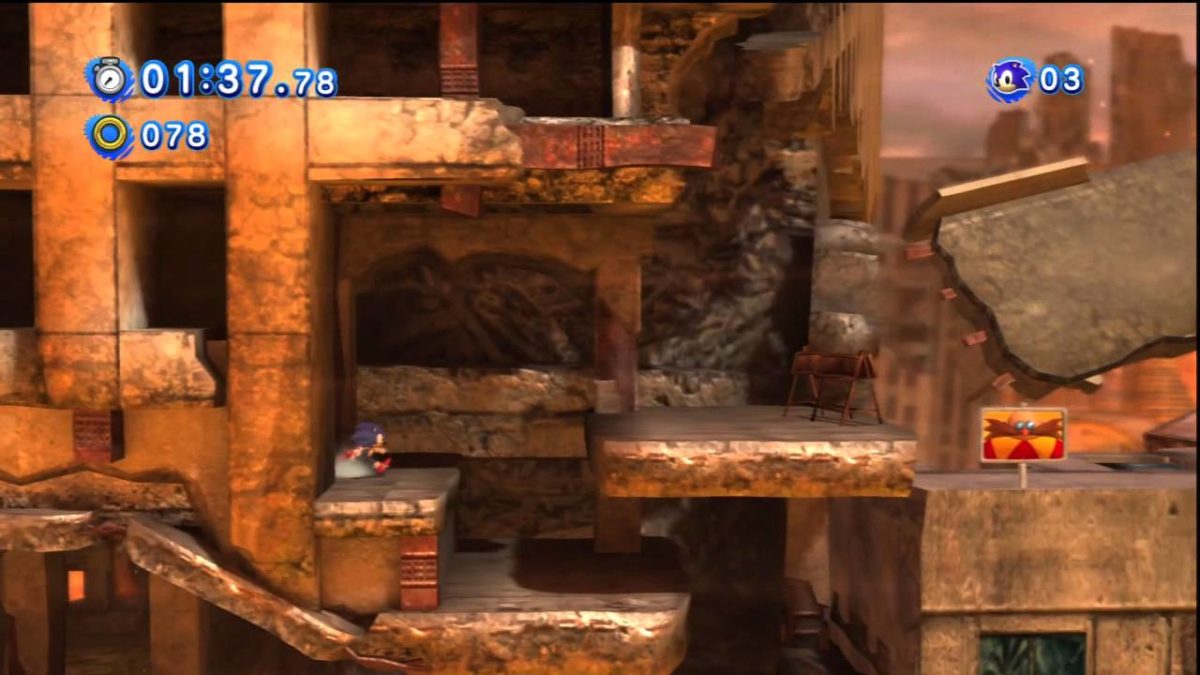 Takashi Iizuka developed the level design for Crisis City and Rooftop Run in Generations.
Even after taking over production of the games, he developed the level design for the "Crisis City" and "Rooftop Run" stages in Generations, representing Sonic 2006 and Unleashed, respectively. According to him, the idea was to "break the taboo" surrounding both games and let players have fun with the stages.
Sonic Lost World... Turning Sonic into Mario?
Iizuka was nevertheless criticized by some fans over Sonic Lost World. The idea was to make a game that was 100% Sonic but gave the player complete control over the character, since boost gameplay was so fast and frantic that you could often "lose control."
Since the game would be exclusive to Nintendo Wii U, the team also wanted to borrow elements that had been successful in the Mario Galaxy games, using stages that played with gravity. On top of that, they gave the blue hedgehog new parkour abilities, allowing him to climb walls and move freely through environments in a way he could not before.
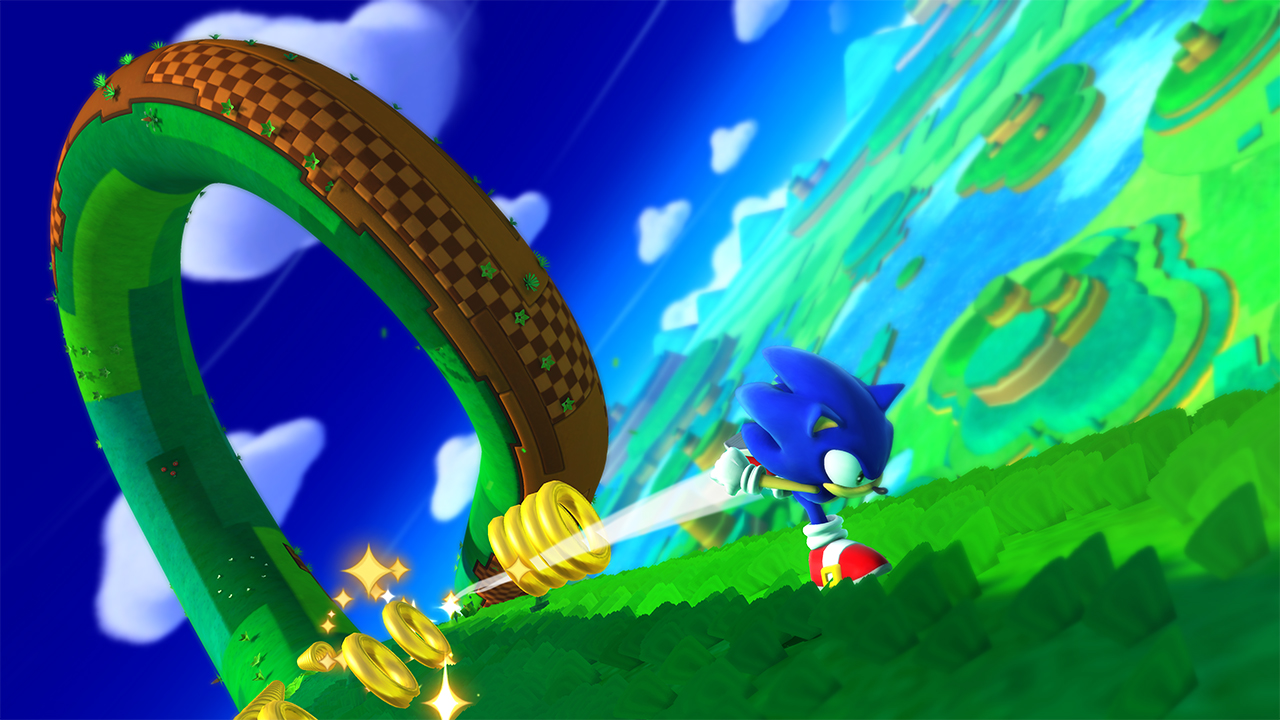
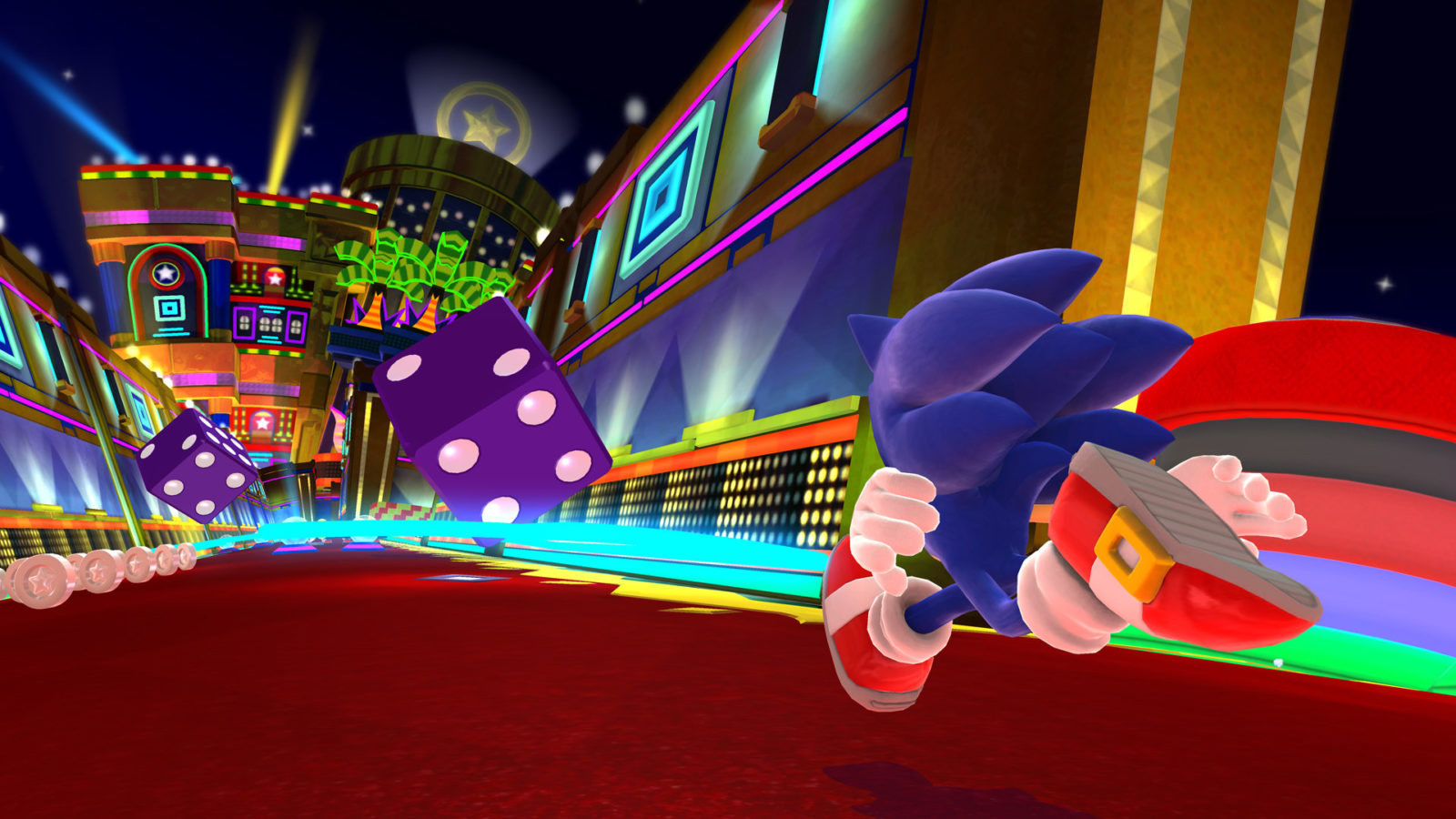
Otherwise, it had "everything" that makes the hedgehog's games "hedgehog games": an opening in a checkered tropical stage in the style of Green Hill Zone, distinctive bosses, Badniks taken directly from the Mega Drive, casino settings that turn the blue hero into a pinball, and so on.
Despite having good gameplay, beautiful visuals, and creativity, the game was criticized precisely for lacking the most basic element that sets Sonic apart from other games in the genre: speed.
Its emphasis on platforming and the hedgehog's slower pace made the game resemble a Super Mario title—its main source of inspiration—Donkey Kong, or any other game in the genre. Its lack of focus on more serious themes, which had been present in the series since the Adventure saga, also generated debate.
Sonic Forces and Mania—Supervising two projects at once
Continuing the tradition of making both 2D and 3D Sonic games, Iizuka wanted the series' new two-dimensional game to be an original adventure in the style of the older titles, rather than a remake.
In this context, Christian Whitehead had distinguished himself within the fan community and was hired by SEGA to remaster the hedgehog's older games for new platforms and mobile devices. After discussions, he presented SEGA with a project featuring a demo of the stage we now know as Studiopolis Zone.
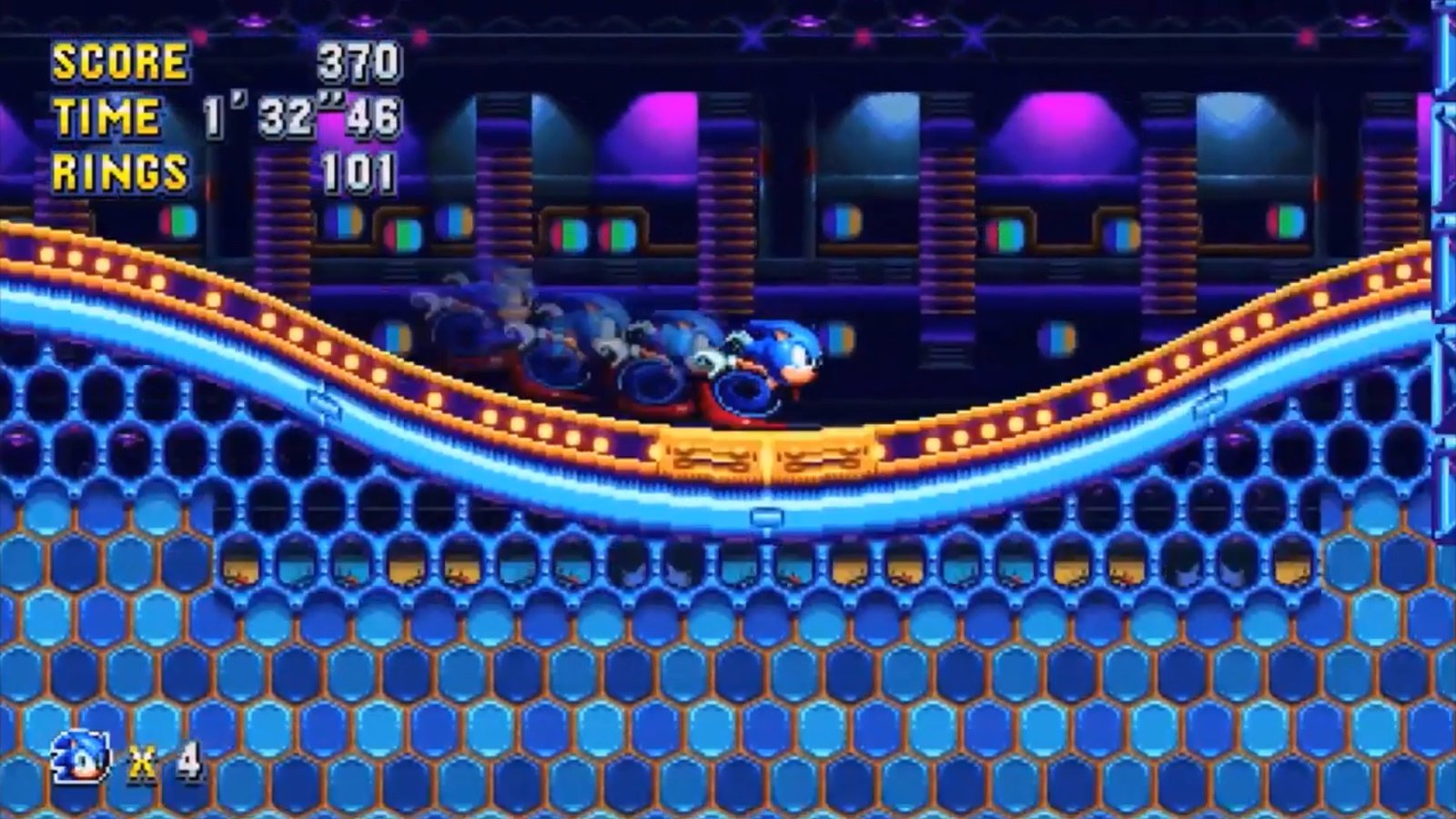 Studiopolis was the first stage developed for Sonic Mania (image: publicity)
Under the working title Sonic Discovery, the project greatly impressed Iizuka, but he suggested changing the name to Sonic Mania and including a mixture of old and original stages. "This [Sonic Mania] is a passion project led by fans who love the early Sonic games. This kind of collaboration is a first for SEGA, and we hope everyone will be surprised and enjoy it," Iizuka said.
Sonic Forces, meanwhile, began taking shape after the completion of Sonic Lost World, perhaps with some pauses due to Sonic Boom, which emerged soon afterward. The idea here was to combine the three-dimensional experience that many fans love in the hedgehog's games with the classic 2D adventure that many others also enjoy, as in Sonic Generations. The avatar was also added in response to "massive" demand from fans who wanted to customize their own characters within the game.
Forces was initially produced by Takashi Iizuka, continuing the tradition begun with Sonic Colors. Iizuka, however, handed his role to Shun Nakamura, the main person responsible for Sonic 2006. Curiously, Nakamura had similarly joined Sonic 2006's development after it was underway, since it had previously been directed by Yojiro Ogawa, who became responsible for 2007's Sonic and the Secret Rings for Nintendo Wii following changes to the team. It was a very similar situation involving transfers of staff and a divided team due to simultaneous projects featuring the mascot.
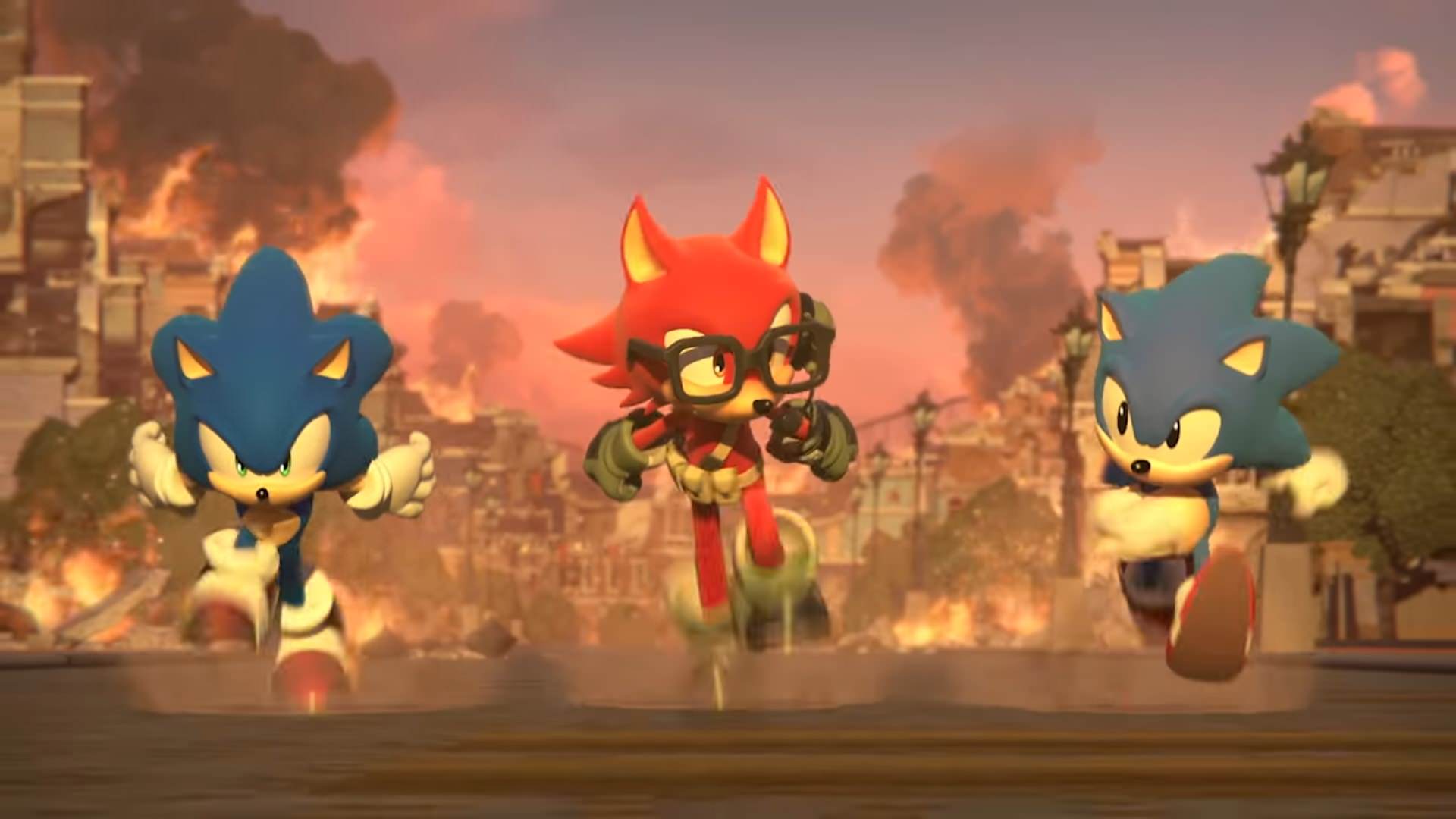 Sonic Forces is the first game to feature a customizable character, something fans received very well.
"A blast from the past"
Iizuka earned a major leadership role in the series because of his significant contributions to the mascot's games from their early days and is considered, alongside Yuji Naka, one of the main people responsible for the series' success.
Hired by SEGA in 1994, according to information published by the press, he came up with the idea of enriching the series' story in his very first project, Sonic 3, adding elements such as the Master Emerald and Angel Island, the floating island.
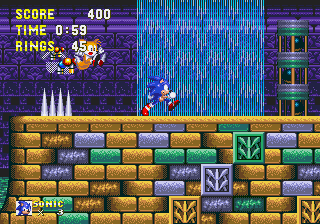
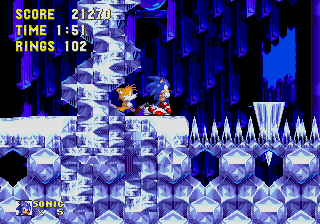
During the SEGA Saturn era, Iizuka wanted to make a Sonic RPG. When the project moved to the Dreamcast, they decided to create something in the main platforming series but tell its story as if it were an RPG, laying the foundations for Sonic Adventure, the Dreamcast's most commercially successful game and one that remains very popular with fans.
Released in Japan in 1998, the first Adventure reached the West a year later, and Iizuka was responsible for adapting the title for us. He also reconciled the villain's name: in the East, he had always been Dr. Eggman, while we in the West knew him as Dr. Robotnik. To reach both audiences, "Robotnik" became the villain's official name, while "Eggman" was his nickname.
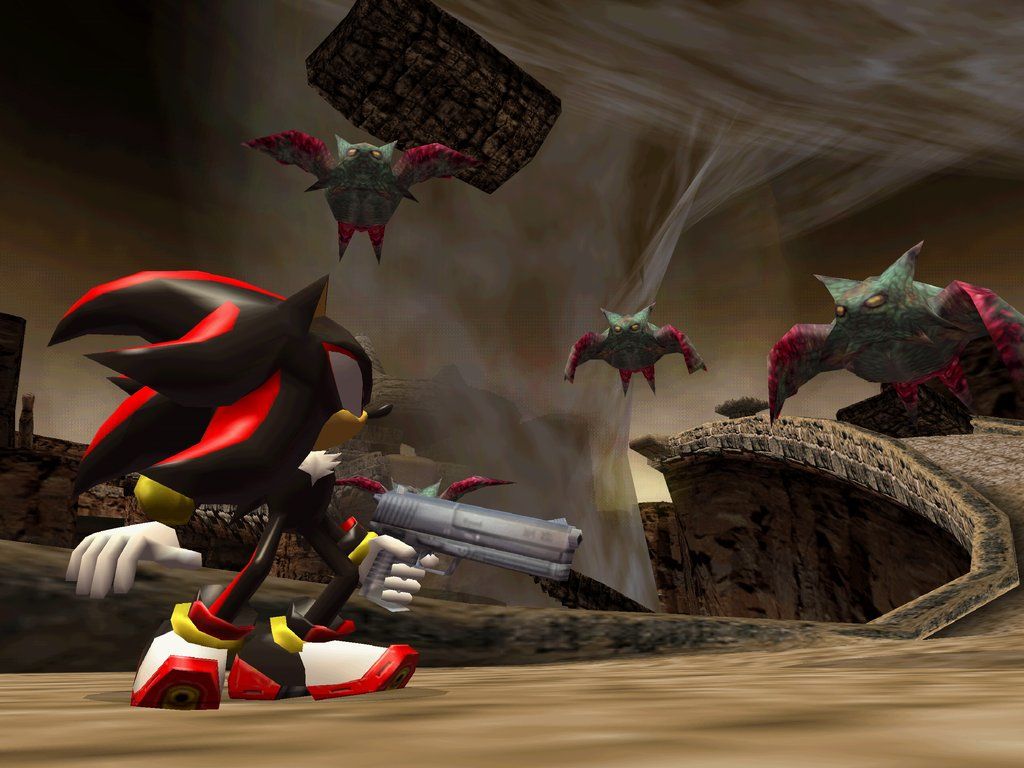
During production of Sonic Adventure 2, he conceived a character who resembled Sonic in appearance but not in personality, a kind of anti-Sonic. This became Shadow. Curiously, however, there is also a rumor that the same idea formed the basis for another character popular among fans: Blaze the Cat, who is said to have originated from one of the black hedgehog's early designs.
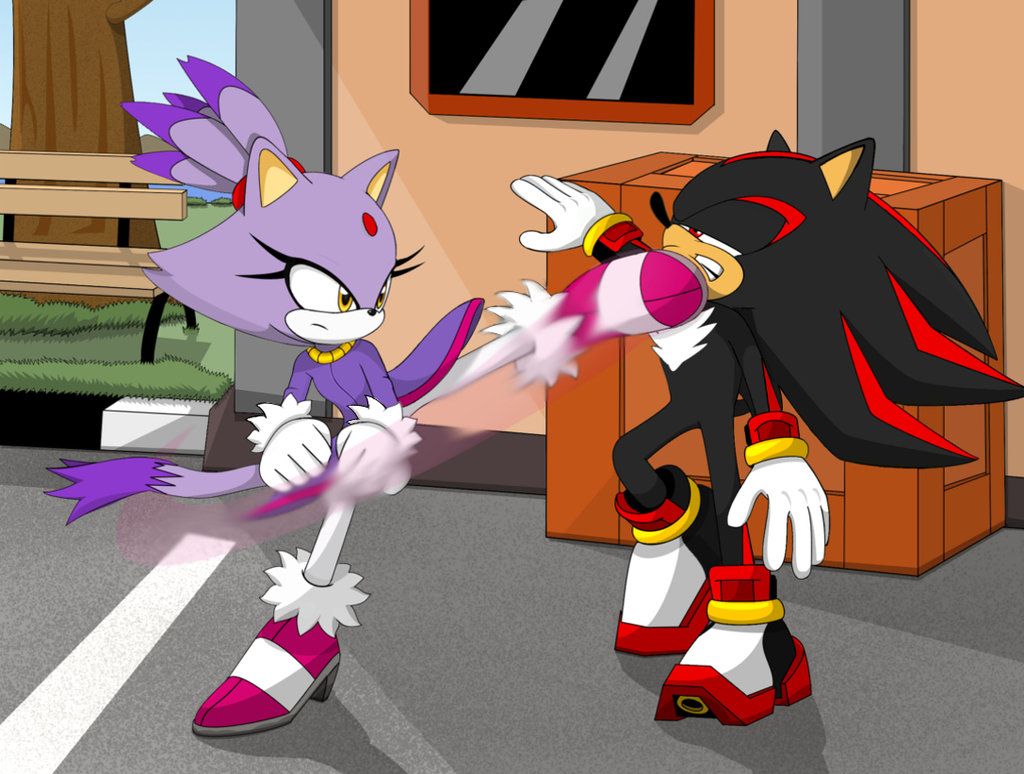 Blaze versus Shadow (fan art: SSF4 Makoto)
After Sonic Adventure 2 came Sonic Heroes, one of the series' most popular games and, as of 2018, its second most commercially successful title, behind only Sonic 2 on Mega Drive. Heroes is estimated to have sold around 7 million copies, according to VGChartz and external data such as PC sales figures.
Because Heroes was the franchise's first multiplatform game, Iizuka, who directed it, decided it would not be the third Sonic Adventure game but an original adventure that would introduce new players to Sonic's universe while also reaching longtime fans.
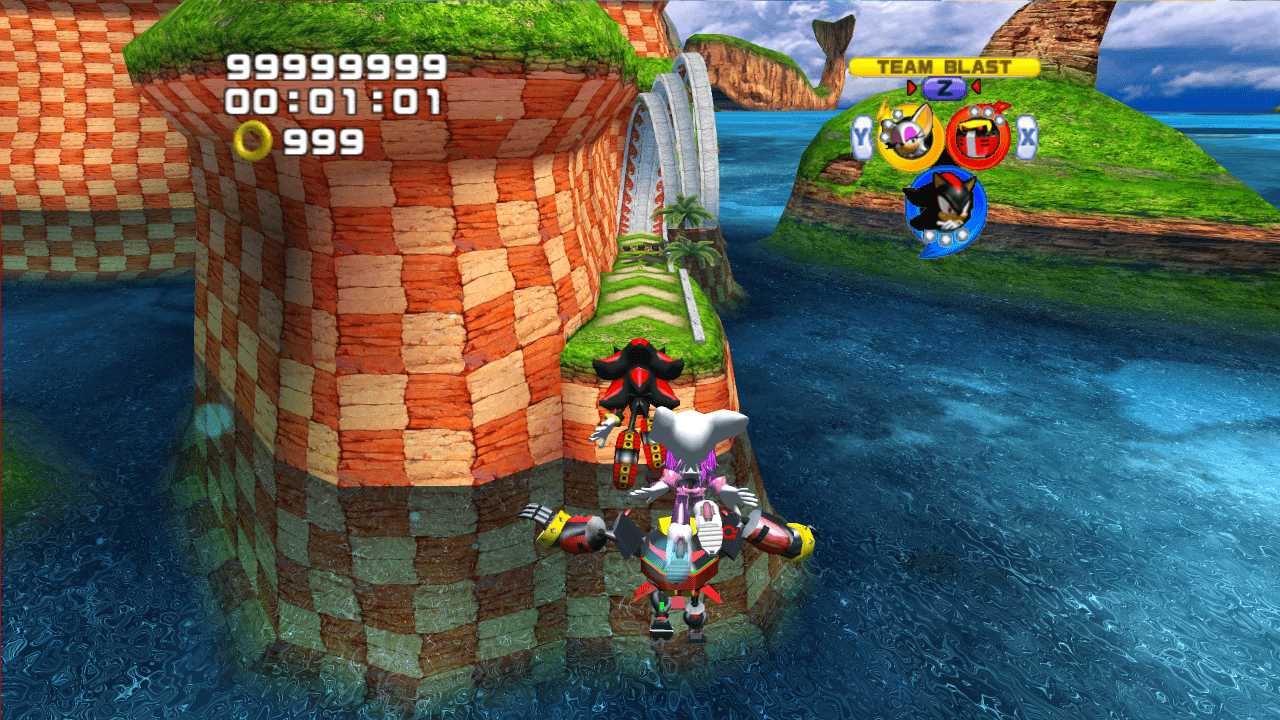
For this reason, there is a huge number of playable characters, allowing new audiences to meet them while longtime fans could play as their favorites; the Chaotix and Metal Sonic return to appeal to hardcore fans; every series cliché is present; there are two stages followed by a boss, a last mode, and little focus on narrative in order to emphasize gameplay.
Finally, his last work directing a game in the series during this nostalgic era was, as already mentioned, Shadow the Hedgehog. The game's dark style and use of realistic guns divide public opinion, but it has a significant legion of fans and was also commercially successful.
Facts we like
Iizuka is/was...
- One of the level designers for Sonic 3 and Sonic & Knuckles, considered among the best games in the entire series;
- Responsible for enriching the franchise's story;
- Established "Robotnik" and "Eggman" as the villain's names;
- Conceived enemies separate from Dr. Eggman, such as Chaos in Sonic Adventure and Metal Sonic in Sonic Heroes;
- Creator of Shadow and, indirectly, Blaze;
- Originator of the Wisps in Sonic Colors;
- Responsible for the run of 2D and 3D games since becoming producer;
- Level designer for the "Crisis City" and "Rooftop Run" stages in Sonic Generations;
- Approved and gave fans room to develop Sonic Mania;
- One of the main reasons Sonic Adventure 1 and 2 are the games they are.
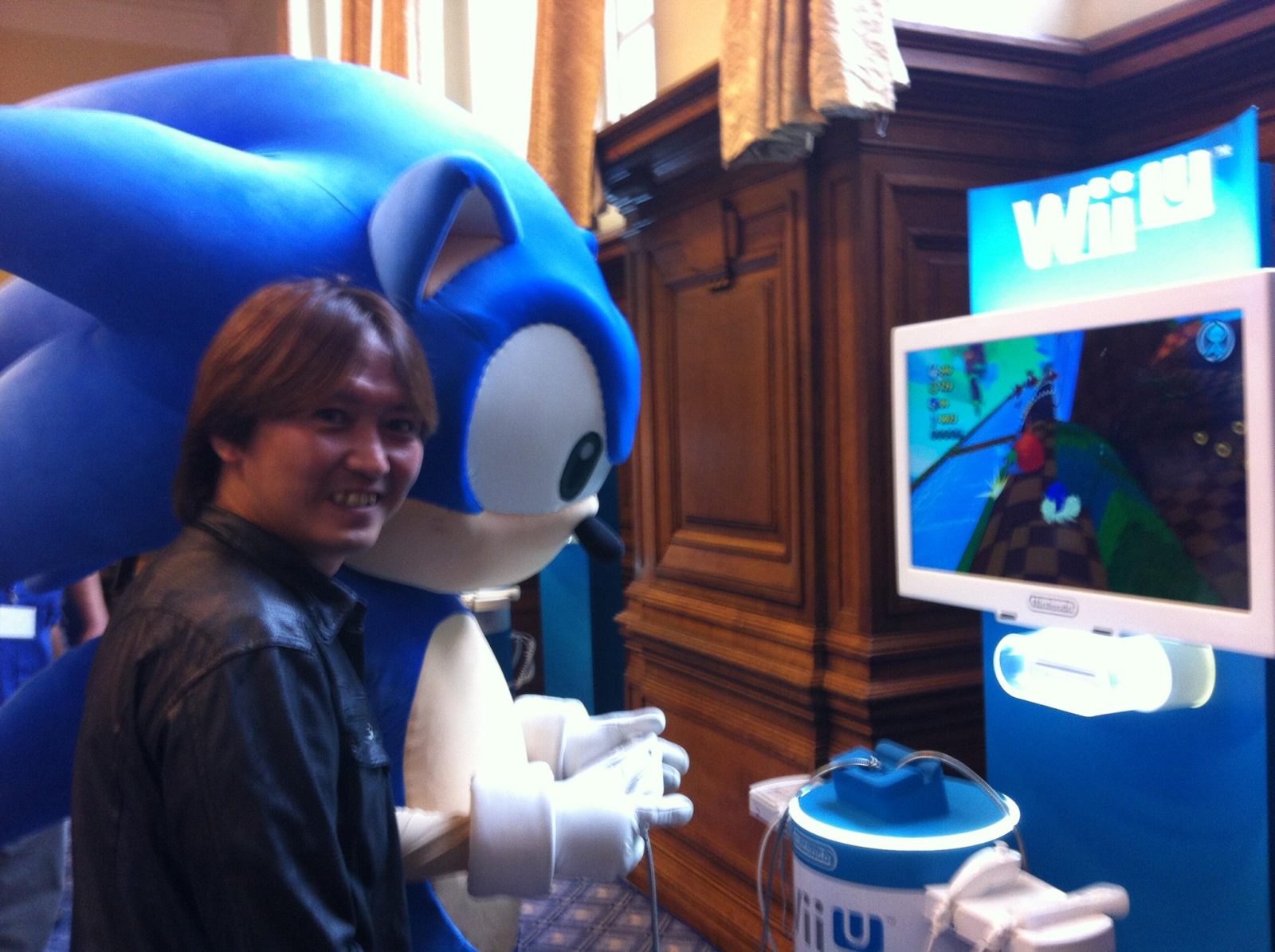
"The creator and his creation": Iizuka and Sonic enjoying Lost World. © SEGA
What about outside the blue hedgehog's franchise?
Although he devoted practically his entire career in the game industry to the blue hedgehog's long-running series, Iizuka was also involved in some other SEGA classics. He is probably best remembered for NiGHTS into Dreams, a game developed by Sonic Team for the Sega Saturn.
ChuChu Rocket, NiGHTS: Journey of Dreams for Wii, NiGHTS into Dreams for PlayStation 2, and 2014's Puyo Puyo Tetris also involved him.